
Film
Alcina
Christoph Willuck's 1999 film of Handel's Alcina is a visually ravishing operatic spectacle: the enchantress's island rendered in sumptuous, painterly detail. Singers move through baroque fantasy with balletic grace as the score unfolds its luminous invention. It's opera for people who want to watch something, not just listen—a film that trusts the music and knows when to get out of its way.
If you liked this
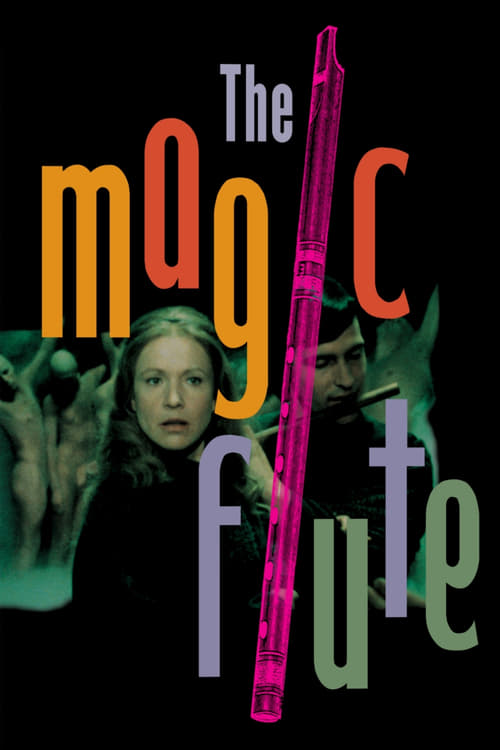
The Magic Flute1975
Ingmar Bergman's filmed Mozart opera: intimate, psychologically piercing, yet visually stunning. Another baroque supernatural journey rendered with absolute seriousness and formal beauty.
But Bergman's interpretation is austere and sometimes unsettling. This isn't a celebration of magic—it's a probe into its darkness.
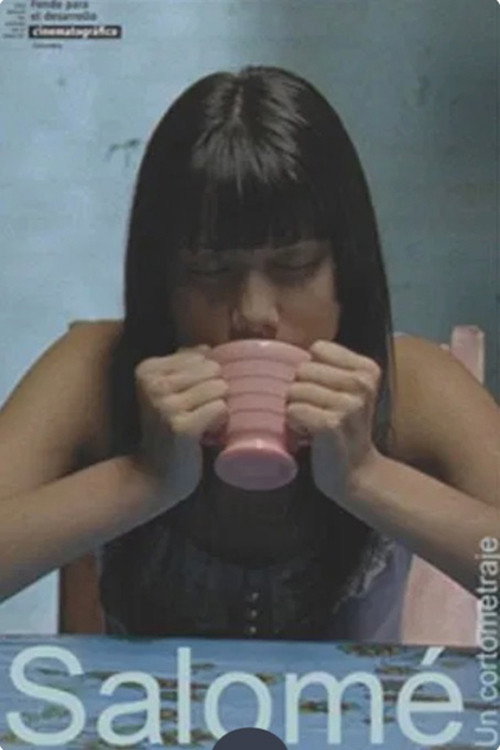
Salomé2012
Crazy Horse's Richard Strauss film is operatic cinema as pure visual and sonic assault. Moves with dance-like fluidity through a myth of seduction and power, gorgeous and deeply strange.
But The staging is deliberately provocative and sexual. If you prefer your Strauss more reverent, this will feel sacrilegious.
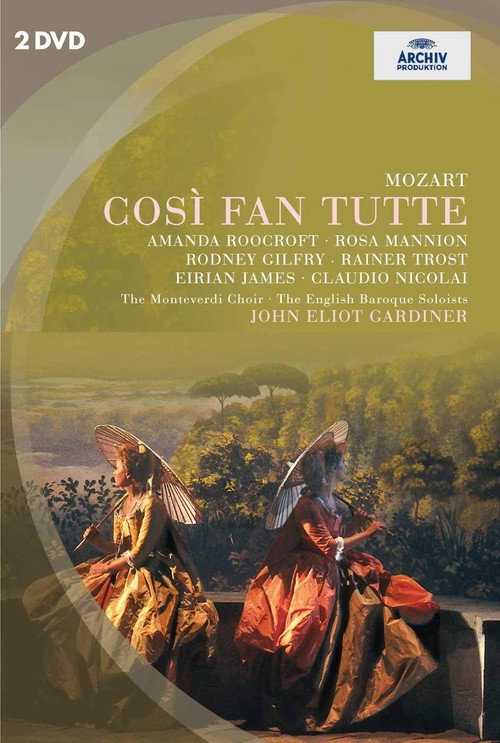
Così fan tutte1992
Peter Sellars' Mozart brings the opera into a modern American diner. Baroque plot mechanics suddenly feel like psychological realism. Clever without being smug.
But The contemporary setting will feel gimmicky if you're not already on Sellars' wavelength. Some find his conceptual layer distracting.
Not sure tonight? Get a pick in a minute, starting from Alcina
The wildcard
Something you would not have found on your own.
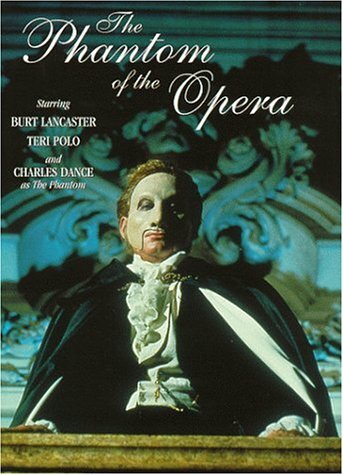
The Phantom of the Opera1990
Both are fantasies of control through music and supernatural charisma. Both trap the beloved on an island of illusion. Both are about the price of trying to possess beauty.
Bill Nighy's performance in Tony Scott's made-for-TV adaptation is operatic without being an opera: the same enchanter-and-island energy, same seduction through voice and artifice, but reframed as gothic melodrama.
But It's 1980s TV production in places, which shows. The production design is overwrought in ways that don't quite land.
More like this (6)
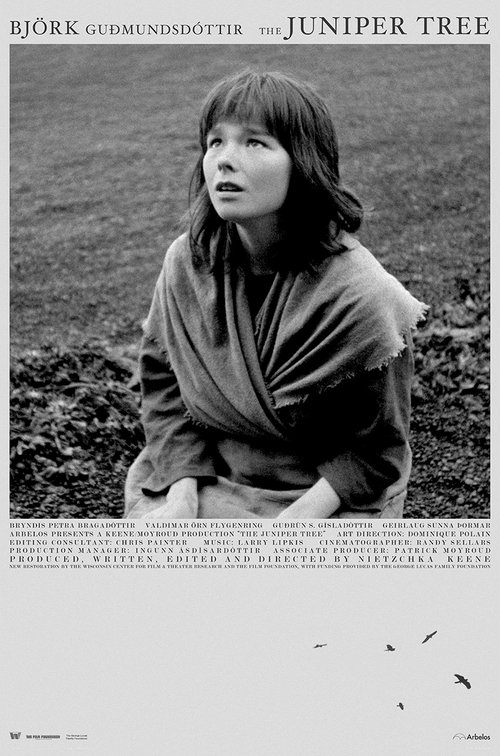
The Juniper Tree1990
Nietzchka Keene's film of Robert Ashley's opera: haunting, formally restless, intimate and strange. Proves opera can be contemporary, quiet, and still have you hypnotized.
But It's intentionally slow and hermetic. You're expected to meet it more than halfway; it won't chase you.
Dido and Aeneas
Bill Viola's Purcell film is video art and opera fused: bodies, light, and music creating something almost abstract. Profoundly moving despite its minimalism.
But It trades spectacle for restraint. If you're coming for baroque visual excess, this stripped-down approach may disappoint.
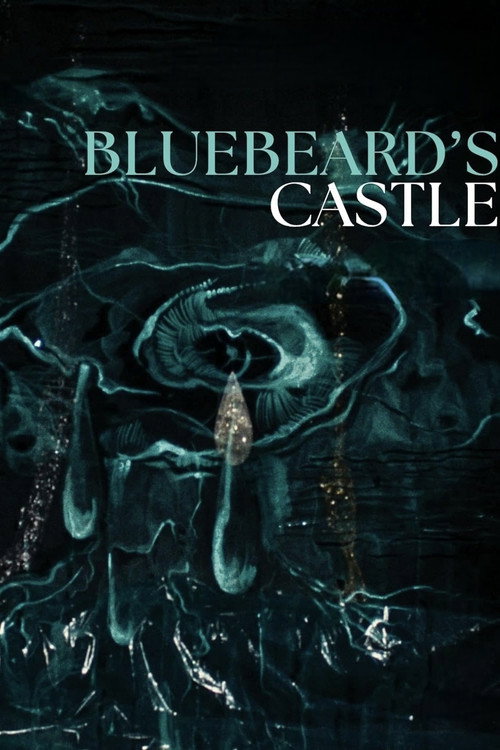
Bluebeard's Castle1963
Michael Powell's Bartók is the mirror image of Alcina: another island of illusion, but claustrophobic, psychological, unsettling. Same baroque DNA, inverted temperament.
But It's dark and inward in ways that read as bleak. The beauty here is austere, almost painful.
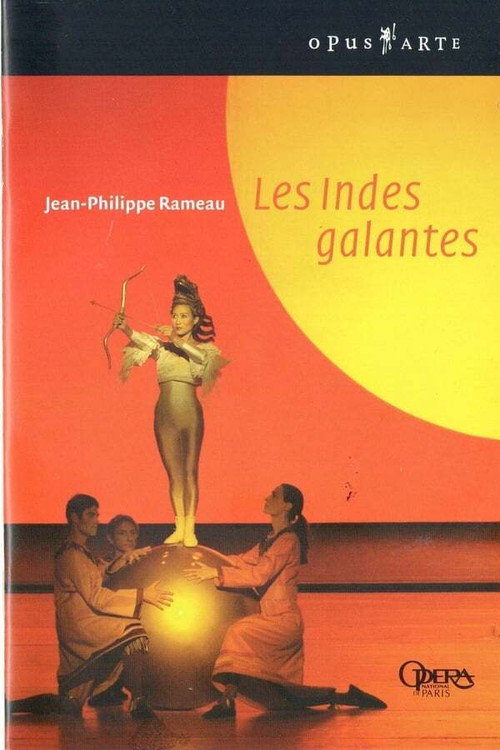
Les Indes Galantes2004
Rameau's suite filmed with balletic elegance and painterly color. Like Alcina's cousin: sensuous, lightweight, a pure distillation of rococo pleasure and erotic fantasy.
But It's thin on drama and narrative. If you need story, the episodic structure will feel repetitive and slight.
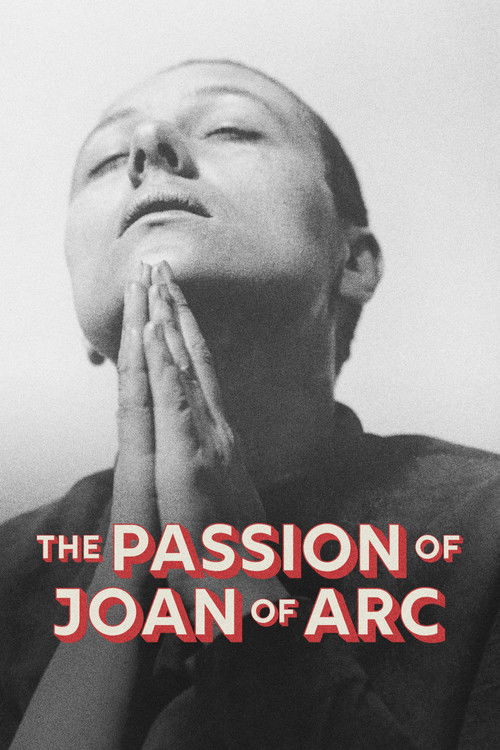
The Passion of Joan of Arc1928
Both use archaic formal language to reach for transcendence. Both trust that the human face, held long enough, can become as expressive as any score. Both are about enchantment through presence.
Dreyer's silent masterpiece: bodies and faces in extreme close-up, operatic in emotional register without a note of music. Renée Jeanne Falconetti's performance is sung without singing—pure feeling made visible.
But Silent film moves at a different pace. The intertitles break rhythm. Without sound design, you're alone with the image in a way that can feel exposed.
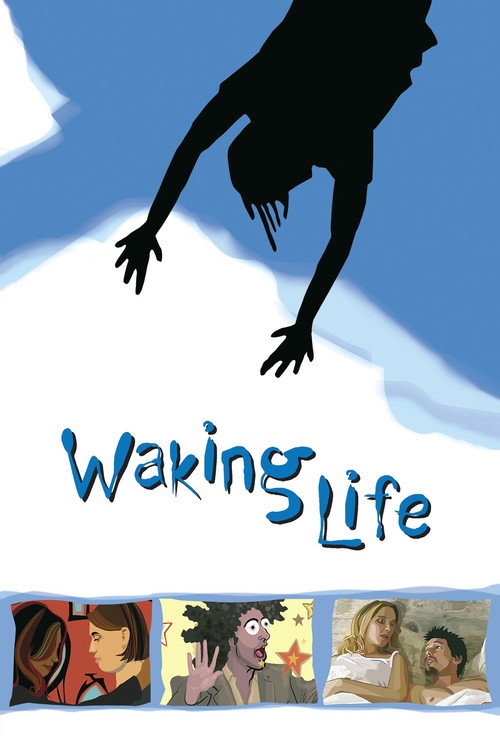
Waking Life2001
Both trap you inside an enchanted world governed by someone else's logic. Both use formal beauty and repetition to create a hypnotic state. Both question whether you're really in control, or if you've been seduced.
Rotoscoped dreamscape of philosophical conversations; operatic in structure—repetitive themes, escalating intensity, that same sense of being held inside someone else's vision. Baroque architecture of the mind.
But It's talky and conceptual. Some will find it profound; others will feel lectured to. The visual repetition wears on some viewers.
People
Cast
- Catherine NaglestadAlcina
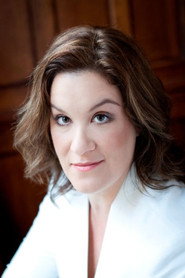 Alice CooteRuggiero
- Helene SchneidermanBradamante
- Catriona SmithMorgana
- Rolf RomeiOronte
- Michael EbbeckeMelisso
- Claudia MahnkeOberto
- Heinz GergerAstolfo
Directing
- János DarvasDirector
- Jossi WielerDirector
- Sergio MorabitoDirector
Writing
- Ludovico AriostoOriginal Story
- Riccardo BroschiWriter