
Film
L'Incoronazione di Poppea
Monteverdi's baroque masterpiece staged with theatrical flair by Ponnelle and conducted by Harnoncourt. A seventeenth-century opera about power, desire, and the corruption of virtue, performed live with music that still sounds alien and urgent. For anyone who's ever wondered what opera sounded like before Mozart, or who wants to see how visceral and strange early music can be.
If you liked this
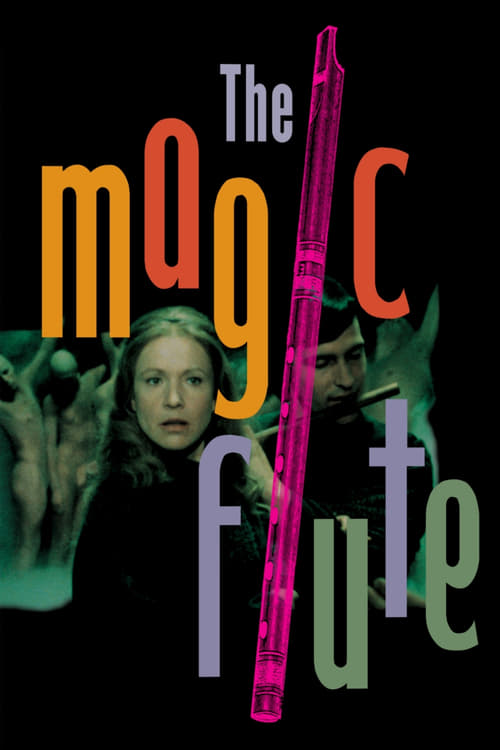
The Magic Flute1975
Ingmar Bergman's film adaptation makes Mozart operatic and intimate simultaneously. If you want opera filmed in a way that grips rather than simply documents, this is the gateway.
But At three and a half hours, it demands patience. Some find the symbolism heavy-handed rather than transcendent.
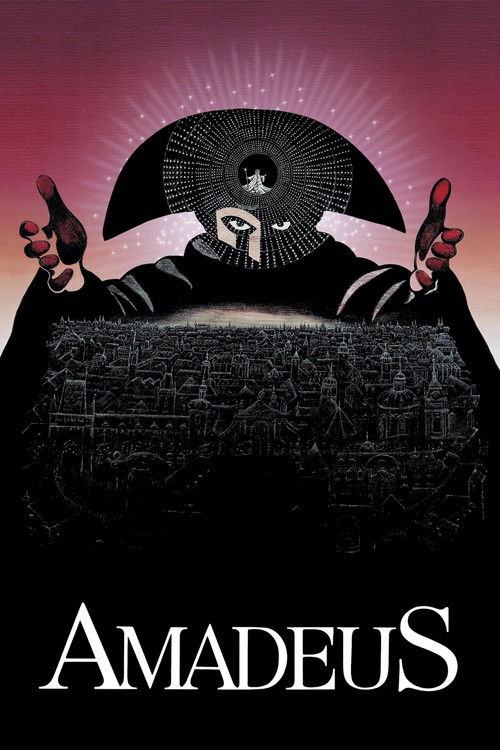
Amadeus1984
A baroque love story about genius, jealousy, and music itself. Milos Forman makes Mozart's world sensual, violent, and completely alive—this is opera for people who think they hate opera.
But It's a melodrama in formal dress. The historical liberties bother music historians, and it can feel like a fever dream rather than a coherent drama.
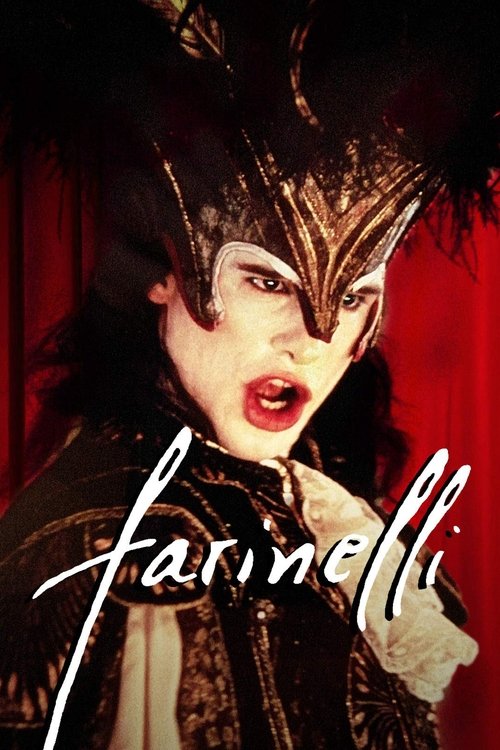
Farinelli1994
A baroque castrato's rise through 18th-century Europe. Visually sumptuous, with a dual-voice recording of Farinelli's legendary soprano that's genuinely moving. A film about the obsessive pursuit of a perfect voice.
But The plot is secondary to the spectacle and the music. Some scenes feel like costume drama without consequence.
Not sure tonight? Get a pick in a minute, starting from L'Incoronazione di Poppea
The wildcard
Something you would not have found on your own.
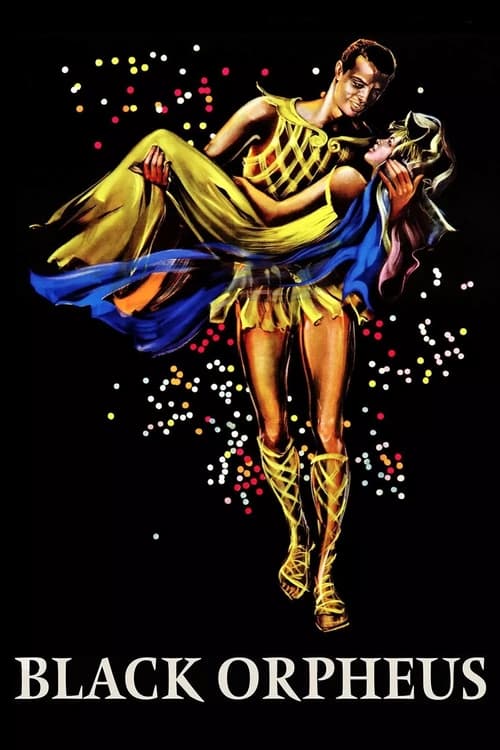
Black Orpheus1959
Both take classical myth and pour contemporary music into it, finding tragedy and eroticism in the form. Monteverdi and Carioca samba are separated by centuries and continents, but the impulse is identical.
A Brazilian reimagining of the Orpheus myth set during Carnival, with a score that's alive with samba and bossa nova. It captures the baroque impulse—mythological form, sensual music, the power of beauty—but in color, heat, and rhythm entirely foreign to 1600s Venice.
But It's a dated film, and the romantic fatalism and racial aesthetics reflect its era in ways that can feel uncomfortable. Also very of its moment stylistically.
More like this (5)
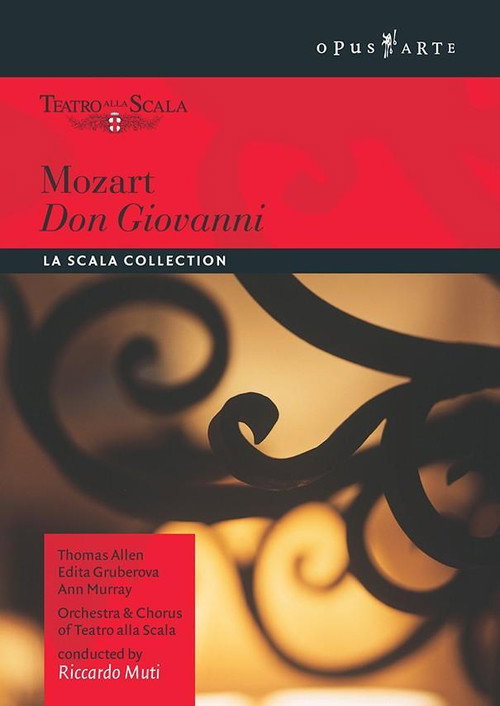
Don Giovanni1987
Losey's stark, nocturnal reading of Mozart's masterpiece. Shot like a thriller set in a baroque manor, it strips away tradition to find something genuinely unsettling beneath the beauty.
But It's glacial and austere. There's no warmth here, and the gender politics can feel queasy even by design.
Alcina1999
An enchantress holds men prisoner on an island. Handel's opera-seria in full baroque splendor—the score is intricate and dazzling, the stagecraft playful. A gateway to pre-Mozart baroque opera.
But The plot is mythological and thin. If you need narrative drive, the constant arias and repeats will feel decorative.
Aquila1997
Verdi's operatic warhorse with stunning vocals and genuine political passion. The music is direct and powerful; even if the plot feels melodramatic, the emotional core is real.
But It's Verdi's sensibility filtered through history that barely happened. The spectacle sometimes overwhelms character.
Stalker1979
Both are three-plus hours that move according to their own internal logic rather than audience expectation. Both ask you to surrender to the work's rhythm rather than racing to its end. Both are about desire and the corruption of virtue, told through abstraction rather than action.
Tarkovsky's metaphysical sci-fi about a guide leading seekers through a mysterious zone. No plot, no conventional drama—just three hours of philosophical argument conducted through image and sound. A meditative experience that's anything but passive.
But It's glacial and abstract. If you need plot or conventional emotional engagement, you'll find it exhausting and willful rather than profound.

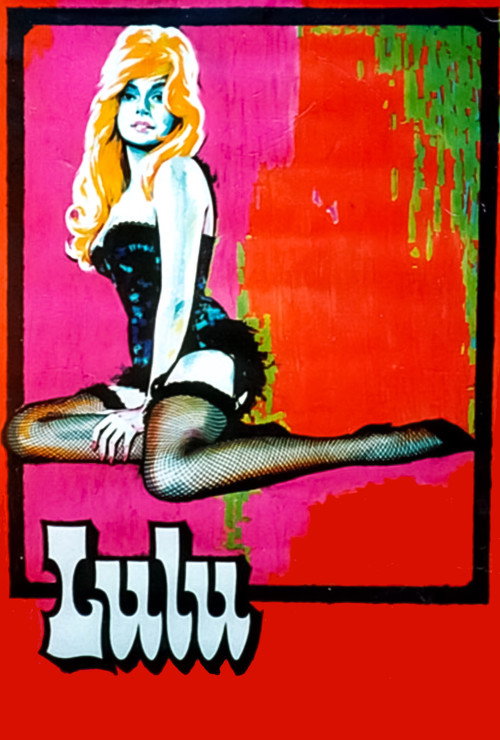
Lulu1962
Where Poppea traces the triumph of corruption and desire, Lulu shows its consequences. Both center a woman at the mercy of powerful men; Monteverdi stages her victory, Berg stages her annihilation. Together they're a conversation about power and sex in the operatic form.
Berg's expressionist opera about a woman destroyed by male desire. Violent, sexual, and musically uncompromising—it's what opera becomes when it stops trying to please and starts trying to scar. A masterpiece that most opera audiences have never encountered.
But It's brutal and dissonant. The atonal twentieth-century score will alienate anyone not already at home with modernism. It's difficult in every register.
People
Cast
- Renate LenhartLa Fortuna
- Helrun GardowLa Virtù
- Klaus BrettschneiderAmore
 Rachel YakarPoppea
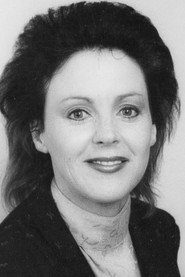 Trudeliese SchmidtOttavia
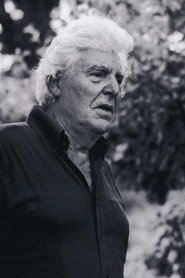 Éric TappyNerone
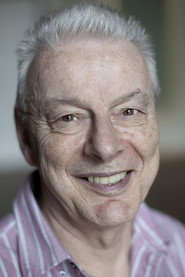 Paul EsswoodOttone
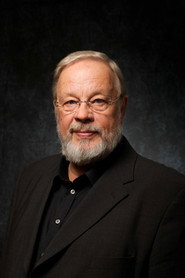 Matti SalminenSeneca
 Janet PerryDrusilla
 Alexander OliverArnalta
- Maria MinettoNutrice
 Philippe HuttenlocherLucano
Directing
- Jean-Pierre PonnelleDirector
- Jean-Pierre PonnelleStage Director