
Film
Lulu
Other titles called Lulu: the 1996 film.
Alban Berg's operatic tragedy adapted into a stark, shadowy 1962 film. Lulu moves between men and worlds, each relationship a transaction that hollows her further. It's sophisticated cinema about desire, exploitation, and the cost of beauty—austere, unromantic, and hypnotic. For viewers who want their drama textured and morally complicated.
If you liked this
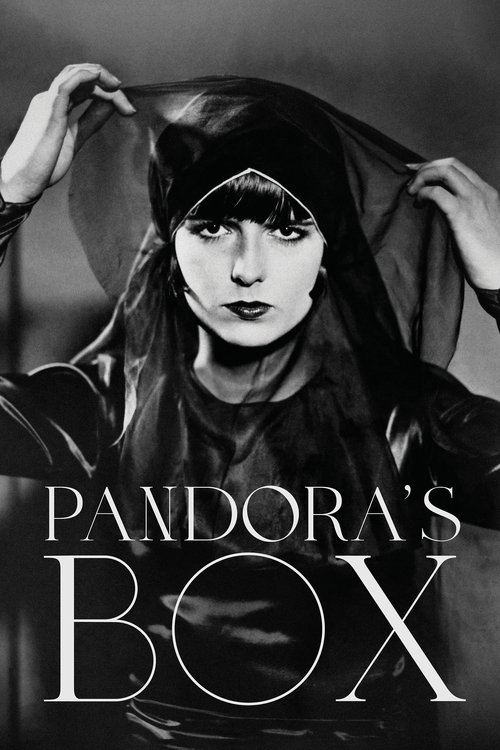
Pandora's Box1929
The silent original that defined Lulu—Louise Brooks in the role that made her legendary. It's where the character was born: dangerous, damaged, magnetic. Essential viewing for understanding what Pabst created.
But Silent film moves at a different pace. If you're not accustomed to that grammar, it can feel remote or slow, and subtitles demand full attention.
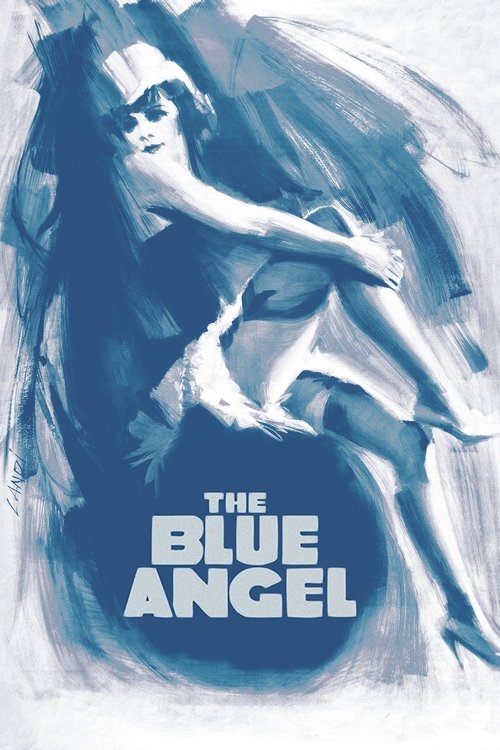
The Blue Angel1930
Marlene Dietrich as a woman who destroys a respectable man through sex and manipulation. Same moral universe as Lulu: desire as a weapon, respectability as a fragile lie, catastrophe inevitable.
But The film is genuinely misogynistic in ways that reflect its era. Dietrich's character is punished for her power in ways that may feel bitter or dated.
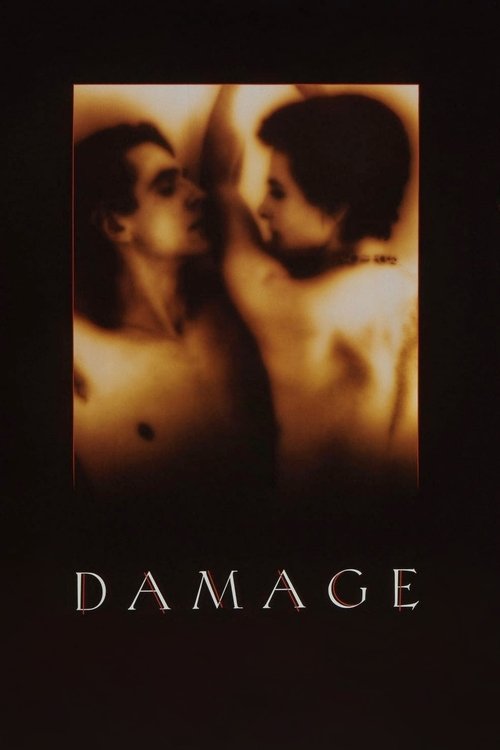
Damage1992
Jeremy Irons as a politician undone by a woman (Juliette Binoche) who seems to exist outside normal morality. Erotic, ice-cold, about how desire can dissolve identity and status. The same anatomy of ruin.
But It's sexually explicit in ways that some viewers find gratuitous rather than purposeful. Also bleak to the point of airlessness—no redemption, no warmth anywhere.
Not sure tonight? Get a pick in a minute, starting from Lulu
The wildcard
Something you would not have found on your own.
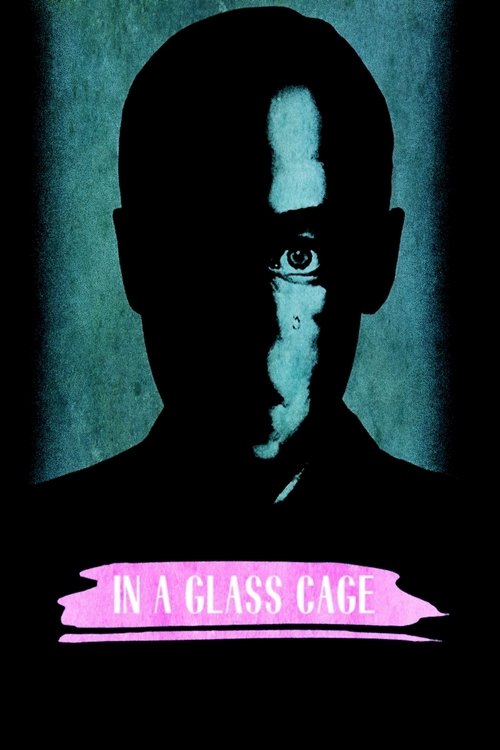
In a Glass Cage1986
Like Lulu, it's about people trapped in a power dynamic that gradually inverts and destroys. Both films are interested in how relationships become weapons and how vulnerability is weaponized.
Agustí Villaronga's film about a former Nazi officer, paralyzed, tended by a young man who slowly reveals he was a victim. Claustrophobic, morally twisted, about exploitation and power in a closed space. Spanish cinema at its most uncompromising.
But It contains disturbing content involving a child and depicts historical atrocity. It's not exploitation cinema—it's deadly serious—but it's genuinely difficult to watch.
More like this (7)
Jeanne Dielman, 23, quai du Commerce, 1080 Bruxelles1976
Three hours of a widow's daily routine—cleaning, cooking, receiving a client. Chantal Akerman's masterwork finds tragedy and agency in domestic repetition. Like Lulu, it's about women, transaction, and what remains unseen.
But It moves at real time with minimal dialogue. If you expect plot momentum or conventional drama, this will test your patience severely.

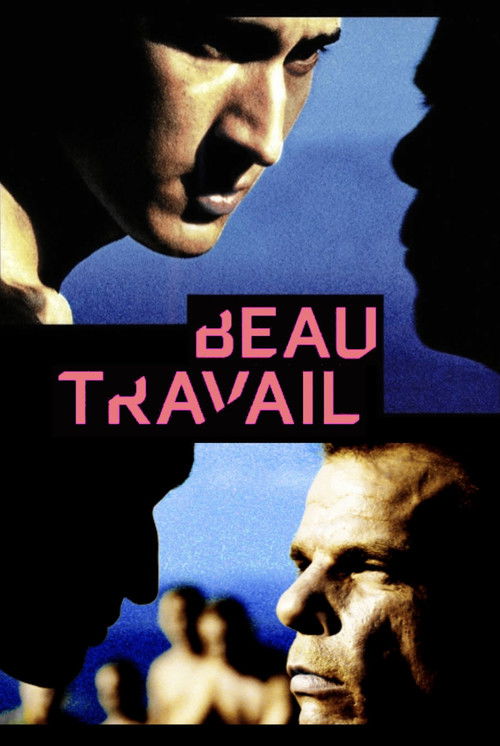
Beau Travail2000
Denis Villeneuve's adaptation of Billy Budd, transposed to the French Foreign Legion. Men, desire, jealousy, and ruin in a closed world. Visually stunning; morally murky in exactly the way Lulu is.
But It's cryptic and deliberately obscure about motivation. You won't leave with neat answers, and some viewers find that frustrating rather than meditative.
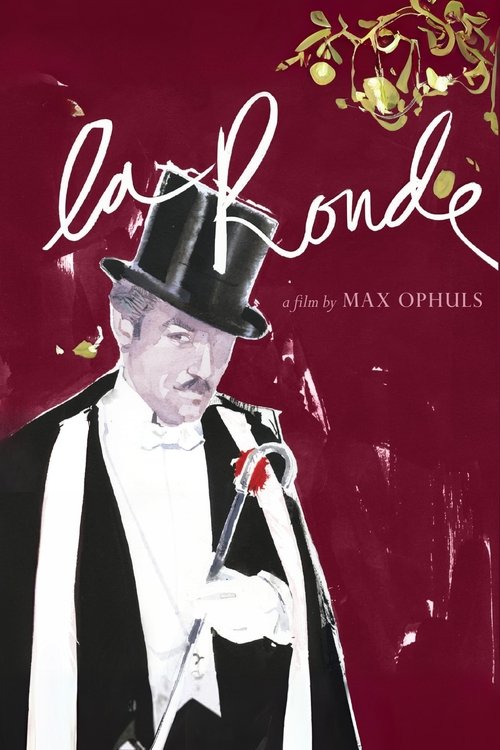
La Ronde1950
Max Ophüls' carousel of seduction and sex across Vienna—a prostitute, a soldier, a maid, a count, all circling each other. It's Lulu's world expanded: everyone caught in the same beautiful, stupid machine.
But The lightweight tone can feel trivializing if you come in expecting moral weight. It's cynical rather than tragic, which some find harder to take.
The Servant1963
Joseph Losey's film about a servant (Dirk Bogarde) who inverts power with his employer through seduction and manipulation. Class warfare conducted through desire. Dark, claustrophobic, about how we exploit and are exploited.
But It's deliberately unpleasant and the dynamics feel uncomfortably icky. Losey doesn't let you off the hook—you feel complicit just watching.

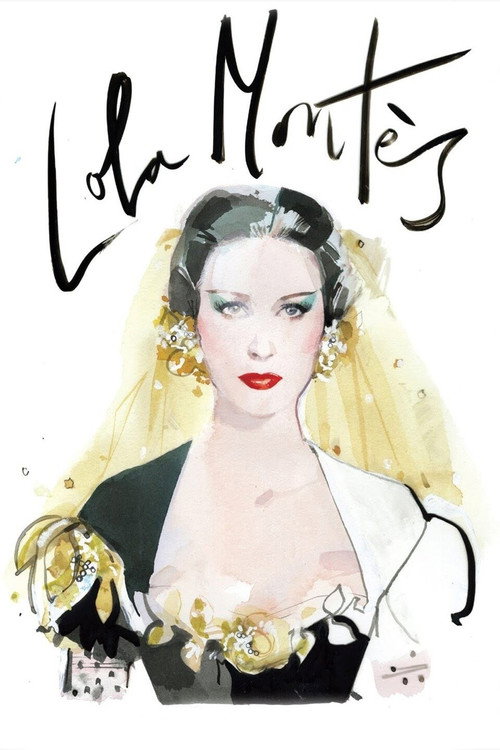
Lola Montès1955
Max Ophüls again: a circus ringmaster frames the life of a notorious courtesan in flashback. Chromatic and ravishing, it's about fame, beauty, and being consumed by desire. Visually it's the inverse of Lulu's austere palette, but the anatomy is identical.
But The formal elaboration—multiple retellings, visual rhapsody—can feel like aesthetic flourish over emotional truth. Some viewers find it fussy.
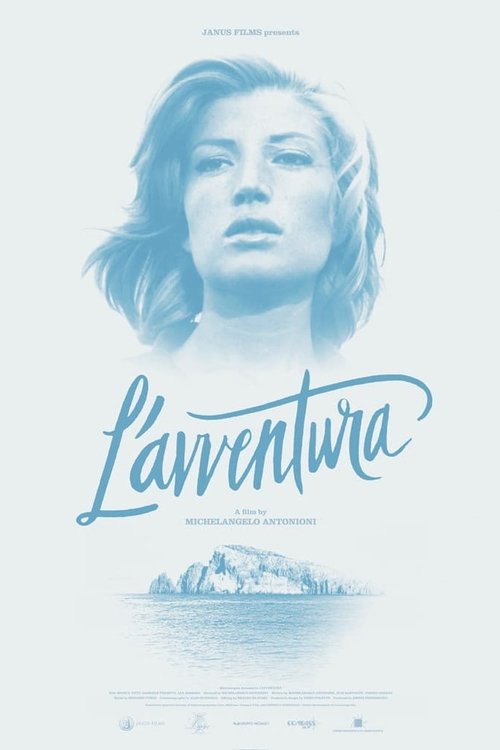
L'Avventura1960
Antonioni's film about a woman who vanishes and the affair that blooms in the search for her. Existential, measured, about how people use each other and how little we really know anyone. Contemporary with Lulu but stranger.
But Almost nothing happens in a conventional sense. If you need plot, momentum, or character development, you'll find this glacial and empty.
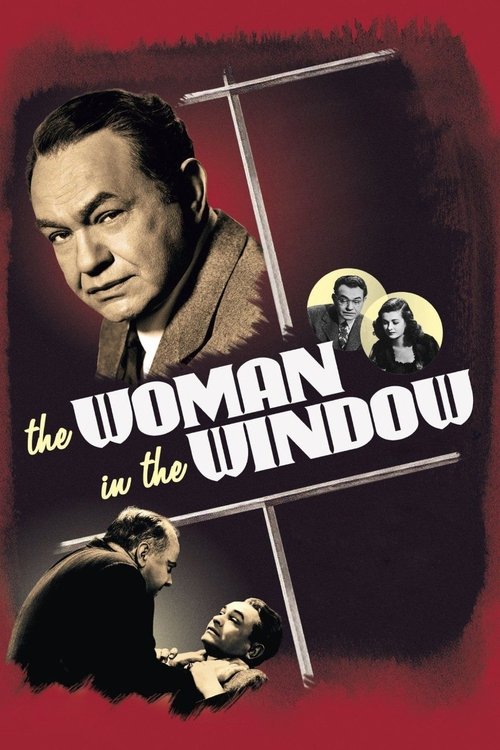
The Woman in the Window1944
It shows how the Lulu template migrated into American crime cinema. Same moral architecture, different costume—this is what happened when the idea crossed the Atlantic and encountered the studio system.
Fritz Lang's film noir about a professor who becomes entangled with a woman and a murder. American genre cinema, but it has Lulu's skeleton: a woman as catalyst for a man's destruction, morality compromised by desire, consequences inescapable.
But The ending reframes everything in a way some viewers find cheap or evasive. Also it's 1940s Hollywood, so there's a certain glossiness that undercuts the darkness.
People
Cast
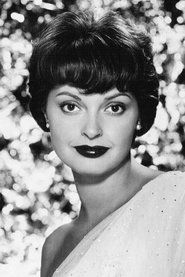 Nadja TillerLulu
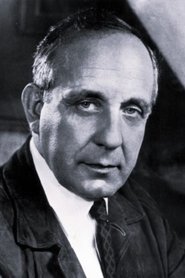 O.E. HasseDr. Schön
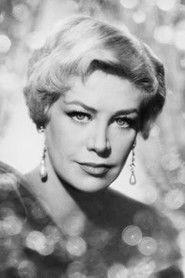 Hildegard KnefBaroness Geschwitz
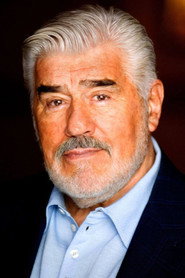 Mario AdorfRodrigo
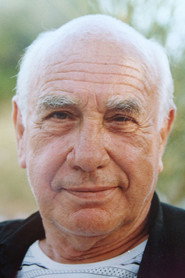 Charles RegnierJack the Ripper
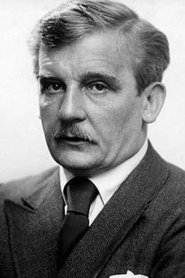 Rudolf ForsterSchigolch
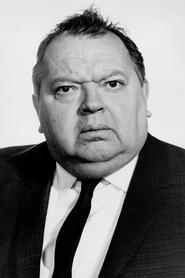 Leon AskinMedizinalrat Dr. Goll
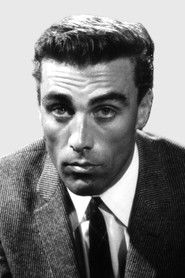 Sieghardt RuppMaler Schwarz
Directing
- Rolf ThieleDirector
Writing
- Frank WedekindWriter
- Herbert ReineckerWriter
- Rolf ThieleWriter
Production
- Otto DürerProducer