
Film
Don Giovanni
Other titles called Don Giovanni: the 1979 film, the 1990 film, the 2000 film, the 2002 film.
Giorgio Strehler's 1987 staging of Mozart's towering masterpiece, conducted by Riccardo Muti at La Scala. This is opera at its most seductive: three hours of absolute music, dark comedy, and the supernatural colliding with human appetite. For anyone who thinks they don't like opera, or anyone who knows they do.
Should you watch it?
Watch it if you love opera on screen and want a staging where the singing, the stage craft and the orchestra pit do the work, with no modern winks to get in the way.
Skip it if you tire of sung Italian or a formal, fairly static stage, since this is a traditional staging and not a reinvention.
What it asks of you: Nearly three hours of music at an unhurried pace, with long arias that let singers linger; you settle in rather than being pulled along by plot.
Not sure? Find tonight's pick in a minute.
If you liked this
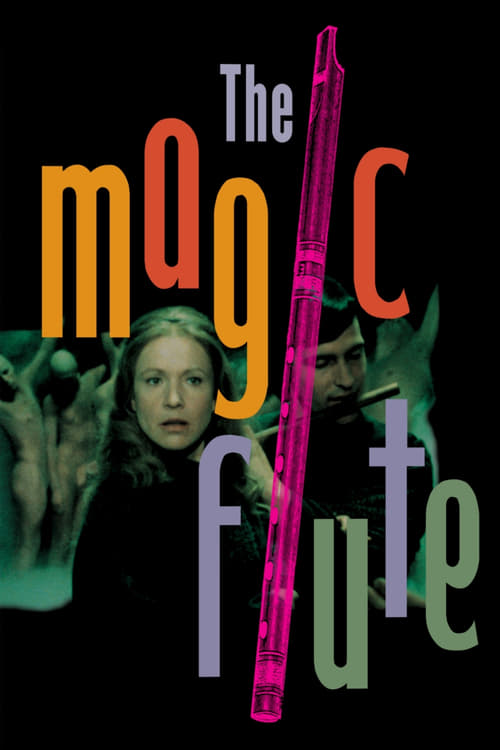
The Magic Flute1975
Ingmar Bergman's visionary take on Mozart's other masterpiece, equally imaginative but lighter and more intimate. Bergman gives the work spatial poetry and genuine strangeness—you feel the magic rather than just hear it.
But At three and a half hours, it demands patience. The plot is deliberately opaque and symbolic rather than straightforward, which either delights or frustrates.
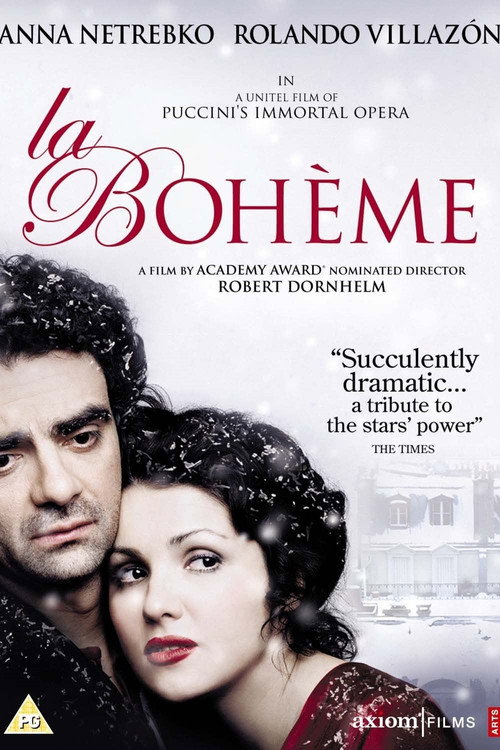
La Bohème2008
Puccini's masterpiece, conducted by Zubin Mehta at La Scala with Arturo Brachetti's gorgeous production design. It has the lyricism and melodic generosity that makes opera genuinely moving rather than austere.
But The story is sentimental and tragic in a way that can feel manipulative if you're resistant to that register. Some find Puccini facile after Mozart's complexity.
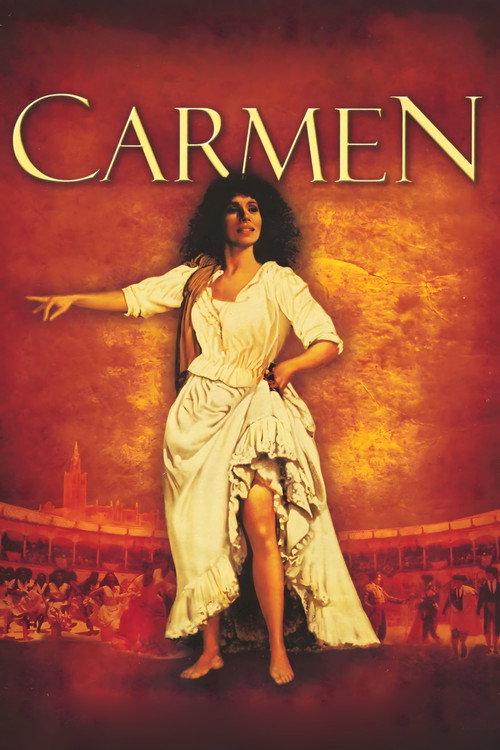
Carmen1984
Francesco Rosi's film version is visceral and human-scaled—this isn't stately but alive. The music is glorious, the dancing electric, and Rosi shoots it like a thriller rather than a museum piece.
But It's violent and sexually charged in ways that can feel gratuitous. Also shot on film rather than on stage, which some purists resist.
Not sure tonight? Get a pick in a minute, starting from Don Giovanni
The wildcard
Something you would not have found on your own.
Contempt1963
Both use music and form to explore desire and loss. Don Giovanni is about seduction and consequence; Contempt is about the collapse of desire itself. Both ask: what is the real subject underneath the surface?
Jean-Luc Godard films Offenbach's overture to Les Contes d'Hoffmann as a meditation on art, cinema, and desire breaking down. It's not the opera but an argument about what opera means—philosophical and intimate rather than staged.
But Very little actually happens. It's a film about a marriage dissolving over the course of a day, and if you're looking for narrative momentum or resolution, you'll find barely anything.

More like this (8)
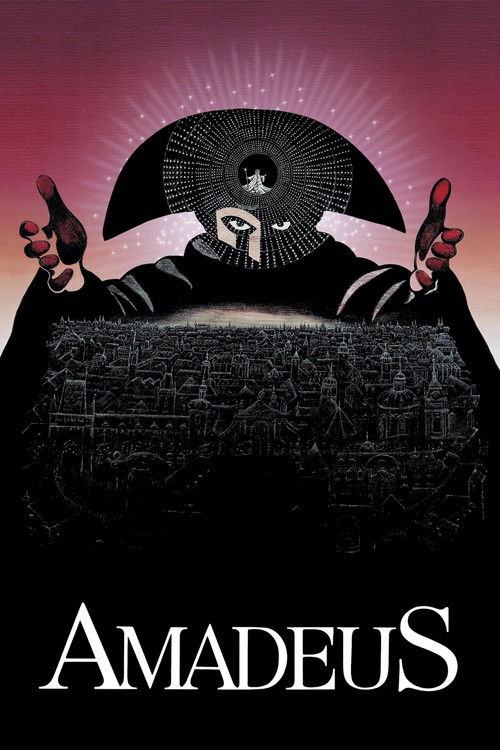
Amadeus1984
Milos Forman's Oscar winner uses Mozart's actual music to tell a drama about genius, envy, and mortality. It's cinema in service of the music, and it captures something true about creative obsession.
But It takes huge liberties with history and Mozart himself comes across as almost frivolous, which many Mozart scholars resent. Also three and a half hours of period drama costume.
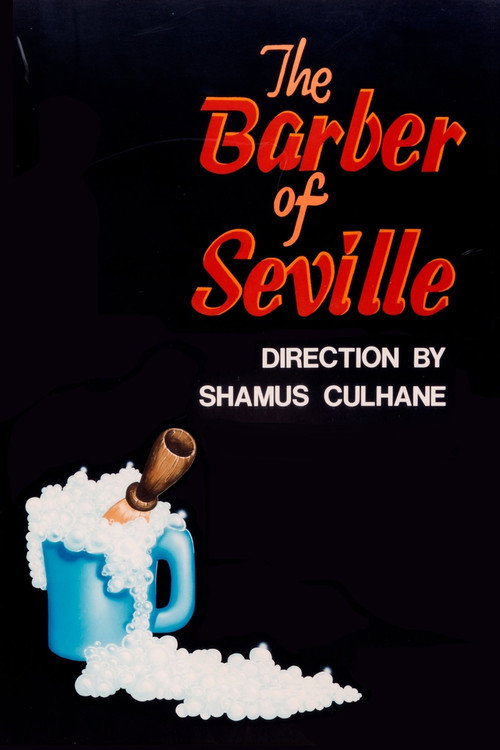
The Barber of Seville1944
Rossini's comic masterpiece filmed by Gioachino Gitto with stellar singing and genuine slapstick energy. Unlike Don Giovanni's darkness, this is pure delight—rapid-fire music matched to perfectly timed farce.
But The plot is essentially a series of contrivances strung together. If you want dramatic weight, this is confection rather than substance.
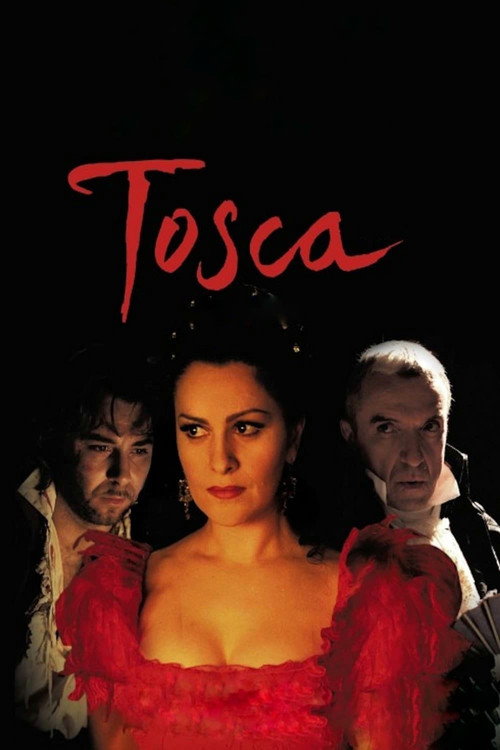
Tosca2001
Benoit Jacquot's film restages the opera as a thriller across a single night in Rome, with Puccini's score absolutely soaring. It's intimate and claustrophobic in a way that captures psychological desperation beautifully.
But Much shorter than other operas and the story relies on melodrama—torture, murder, betrayal. Some find Puccini's emotionalism exhausting rather than moving.
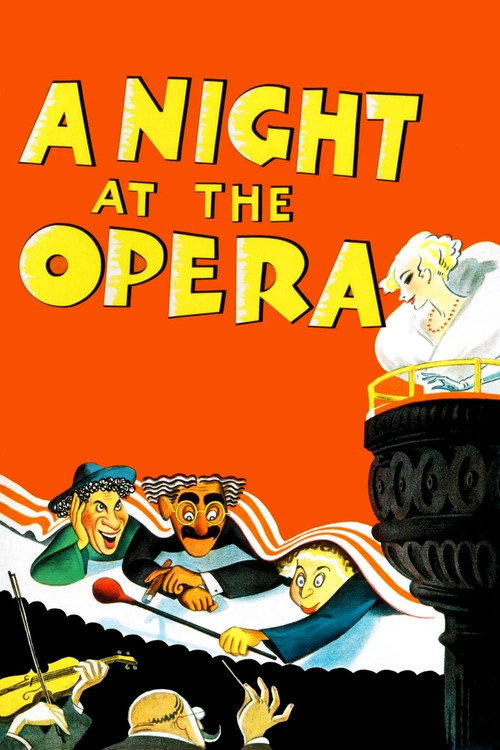
A Night at the Opera1935
The Marx Brothers at La Scala, chaos and nonsense colliding with actual operatic singing. It's a genuinely funny film that loves opera rather than mocking it, and it captures the absurdity underneath formal performance.
But Comedy from the 1930s ages unevenly. The pace is wildly uneven and some jokes land harder than others, and opera purists often find it sacrilege.
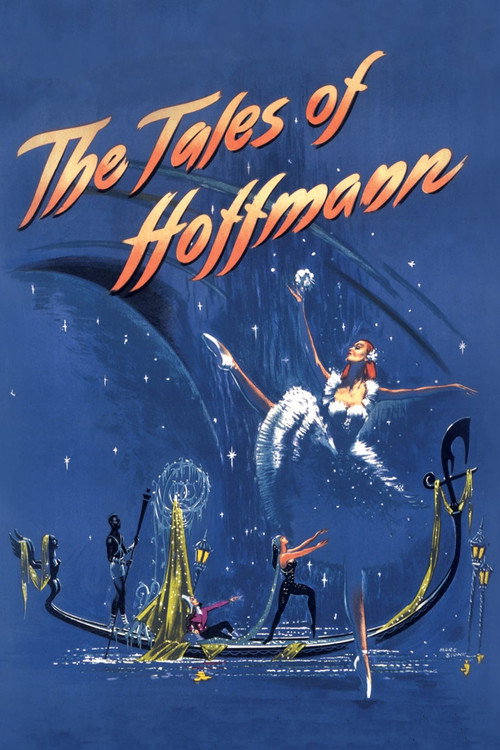
The Tales of Hoffmann1951
Michael Powell and Emeric Pressburger's gorgeously artificial film of Offenbach's opera, all painted sets and theatrical excess. It's cinema as fantasy rather than documentation—visual spectacle married to music.
But The artificiality is extreme; nothing here tries to feel naturalistic, which can feel cold rather than transcendent. The narrative is deliberately dreamlike and scattered.
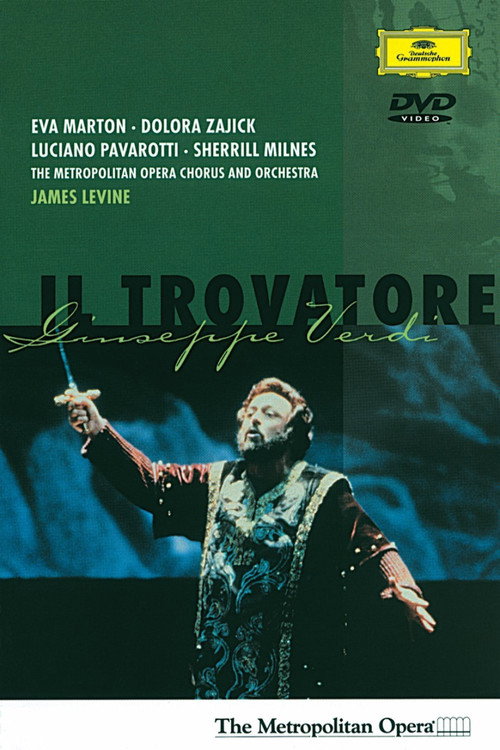
Il Trovatore1988
Verdi's melodramatic masterpiece with Franco Zeffirelli's traditional staging, conducted by Riccardo Muti with Dmitri Hvorostovsky and Luciano Pavarotti. The music is some of the most accessible in all opera.
But The plot is bewilderingly complicated and often absurd—witches, hidden identities, coincidences stacked improbably. If clarity matters to you, skip this entirely.
Stalker1979
Like Mozart's opera, it explores how desire shapes human behavior and mortality. Don Giovanni seduces and drags people to Hell; Stalker follows three men into a metaphysical space where desire becomes indistinguishable from faith. Both are about what drives us toward what destroys us.
Andrei Tarkovsky's science fiction film uses music—including portions of Don Giovanni arranged for piano—as one voice in a meditation on faith, desire, and the meaning of what we pursue. It's slow, hypnotic, and devastatingly moving.
But Nearly three hours of philosophical science fiction with barely any plot. It moves at a glacial pace and demands total attention. For many, it's beautiful emptiness rather than profound depth.

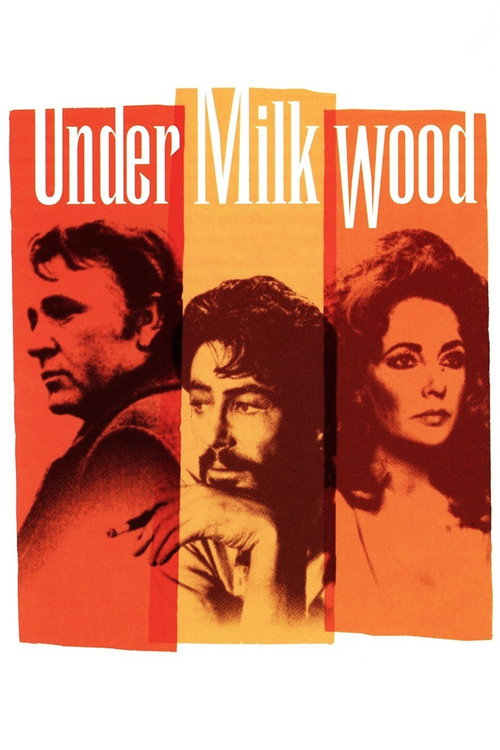
Under Milk Wood1972
Both work through the collision of the everyday and the mythic. Don Giovanni is a myth of seduction and damnation; Under Milk Wood is the mythology of ordinary people—desires, sins, loves rendered eternal through form and music. Both transform the domestic into the universal through sheer beauty of language and sound.
Richard Burton narrates Dylan Thomas's radio poem brought to film—a full day in a Welsh seaside town told through language as lyrical and formally composed as any opera. It's storytelling through sound and rhythm, not plot, and it's funny and heartbreaking simultaneously.
But Nothing happens. It's texture and voice over image. The Welsh accents and poetic language can feel obscure. No narrative payoff, only the experience of language itself.
People
Cast
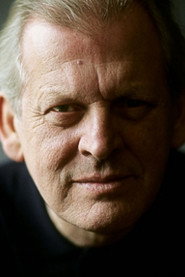 Thomas AllenDon Giovanni
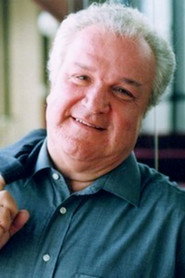 Claudio DesderiLeporello
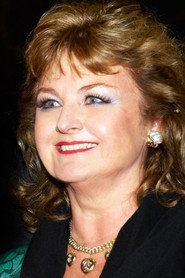 Edita GruberovaDonna Anna
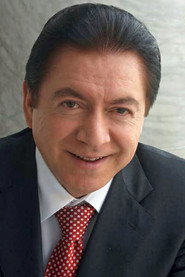 Francisco AraizaDon Ottavio
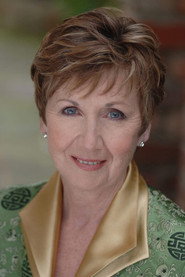 Ann MurrayDonna Elvira
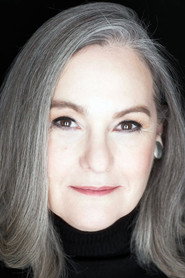 Susanne MentzerZerlina
- Natale de CarolisMasetto
- Sergei KoptchakIl Commendatore
Directing
- Carlo BattistoniDirector
- Giorgio StrehlerStage Director
Writing
- Lorenzo da PonteWriter