
Film
Orfeo Ed Euridice
A filmed performance of Gluck's 1762 opera from the Royal Opera House, conducted by Hartmut Haenchen. Jochen Kowalski's countertenor carries this distilled, intensely moving version of the Orpheus myth through three acts of baroque grandeur and intimate devastation. It's chamber opera scaled to immortal grief—for those who want to feel something vast without leaving their room.
Should you watch it?
Watch it if you love opera where the voice does all the storytelling, and you want a stripped-down staging of grief set to some of the most sculpted music in the repertoire.
Skip it if you need a plot that moves, since the story is thin and long stretches of singing can feel static to anyone new to baroque opera.
What it asks of you: Eighty-three minutes, sung throughout in a single sitting, with the pace set by Gluck's slow, formal arias rather than by plot turns.
Not sure? Find tonight's pick in a minute.
If you liked this
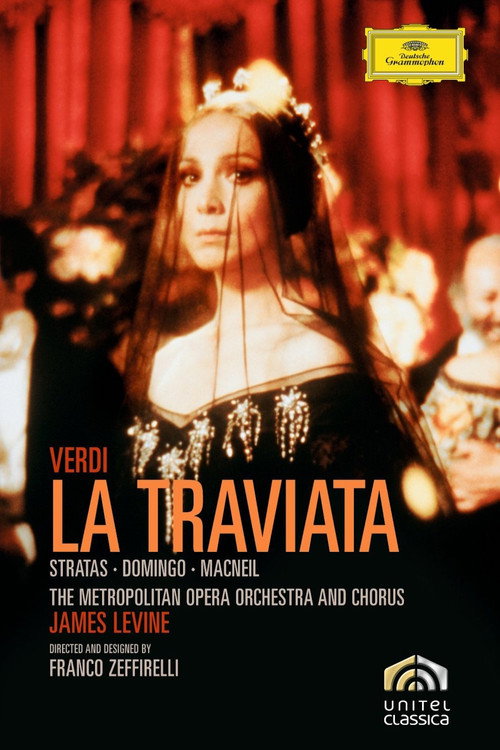
La traviata1982
Zeffirelli's sumptuous staging of Verdi's masterpiece, with Eplito Domingo and Teresa Stratas performing live. A tragedy of love and circumstance that shares Gluck's emotional clarity and operatic perfection.
But Three hours long, and operatic convention can feel remote if you're not prepared for artificial staging conventions and formal pacing.
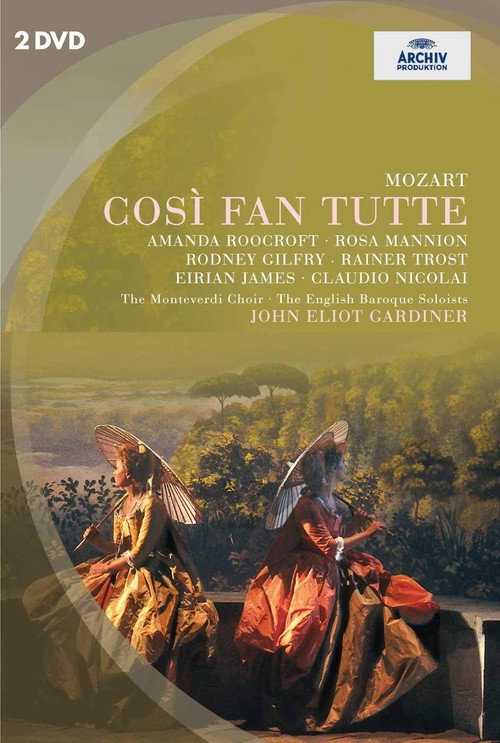
Così fan tutte1992
Peter Sellars' production with James Maddalena and Kristine Jepson, shot for television. Mozart's opera about deception and fidelity, intellectually playful but emotionally genuine in ways that matter.
But Sellars' conceptual staging is deliberately jarring and modern. If you want period costumes and traditional presentation, this will frustrate you.
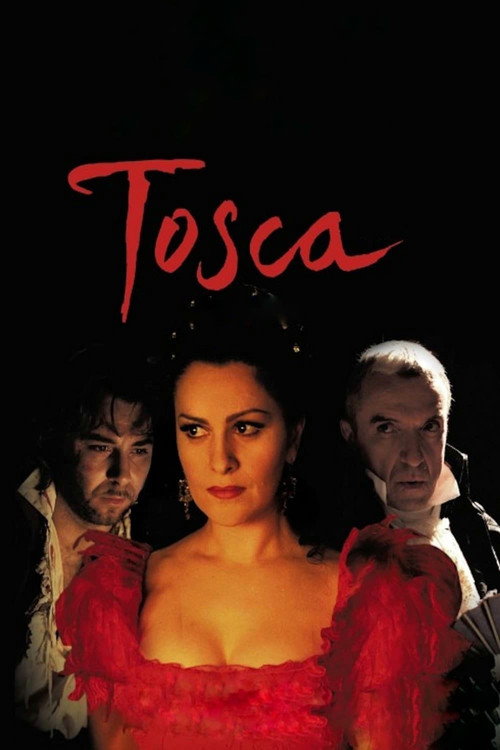
Tosca2001
Benoit Jacquot's film version with Angela Gheorghiu, shot in real Roman locations. Opera as cinema: intimate close-ups, genuine architecture, and Puccini's melodic genius uncompromised.
But The plot is melodrama bordering on soap opera. If you need subtlety over passion, the story's overwrought earnestness will test you.
Not sure tonight? Get a pick in a minute, starting from Orfeo Ed Euridice
The wildcard
Something you would not have found on your own.
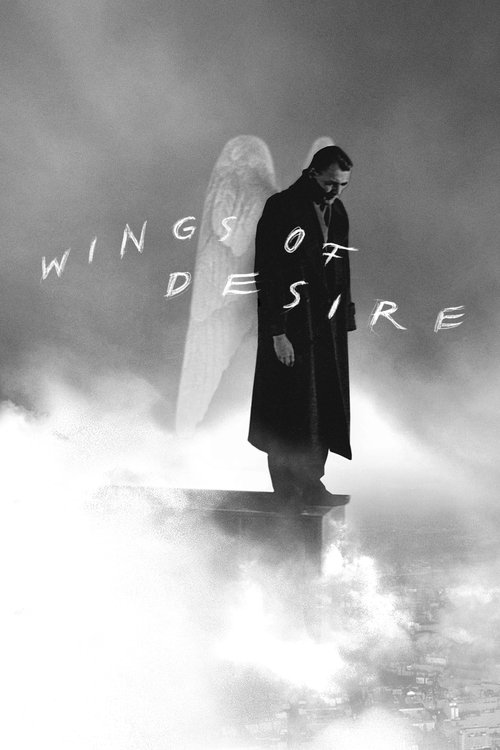
Wings of Desire1987
Both are about the impossibility of holding onto what matters most, expressed through formal beauty and the human voice at its most vulnerable.
Wim Wenders' meditation on mortality, beauty, and loss. Not opera, but structured like one—layered with music, poetic speech, and recurring motifs. It shares Gluck's preoccupation with what we cannot hold and what remains when everything else is stripped away.
But It's slow, abstract, and its emotional power requires patience. Some will find it mannered or pretentious rather than profound.
More like this (5)
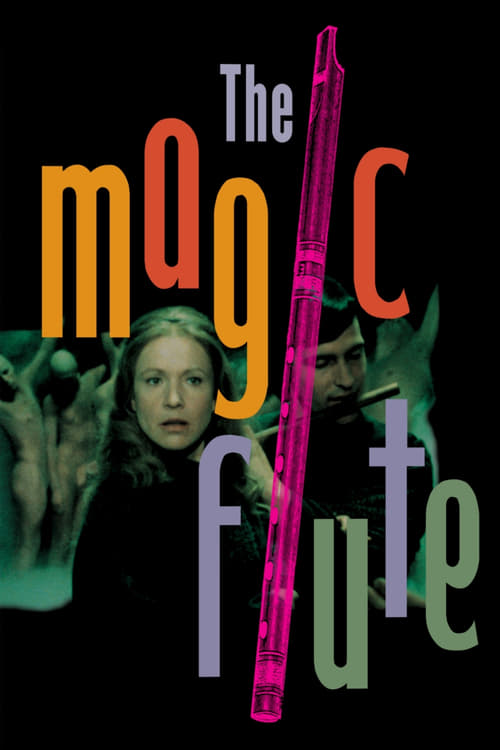
The Magic Flute1975
Ingmar Bergman's film transforms Mozart's opera into a dream play, shot in a studio with painterly precision. Visually inventive and spiritually alive in ways that stage versions rarely achieve.
But It's distinctly Bergman—psychologically probing, occasionally strange, and not concerned with spectacle or comfort.
Don Giovanni1987
Joseph Losey's final film, with Ruggero Raimondi in the title role. A genuinely cinematic opera, where Mozart's score meets European sophistication and real moral weight.
But Losey's vision is austere and cerebral. It won't give you the visceral thrill or comedy some expect from this opera.
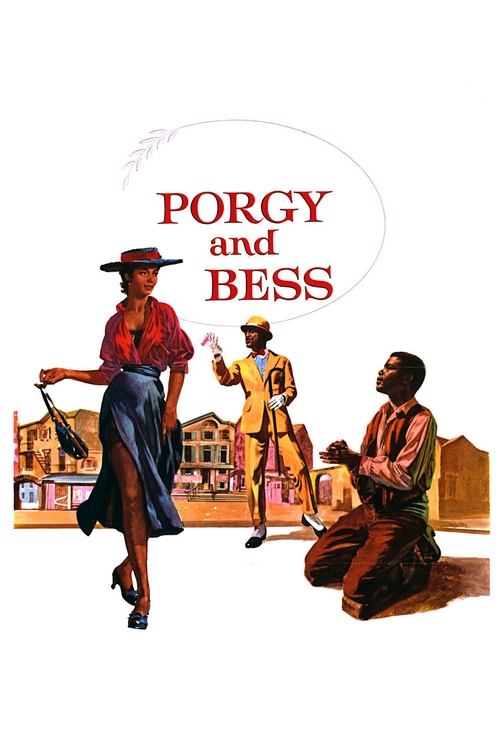
Porgy and Bess1959
Otto Preminger's film of Gershwin's American opera, with Sidney Poitier and Dorothy Dandridge. Flawed but genuinely moving, with one of the most beautiful scores ever written.
But The production is dated. The historical context—including casting compromises—is complicated and sometimes uncomfortable.
Rigoletto1989
A Copley production conducted by Carlo Rizzi. Verdi's tale of a curse echoing through generations offers melodrama and vocal splendor in one of opera's most performed masterpieces.
But The plot is violent and misogynistic. Modern staging can't quite repair the fundamental ugliness at its core, and it might leave you genuinely disturbed.
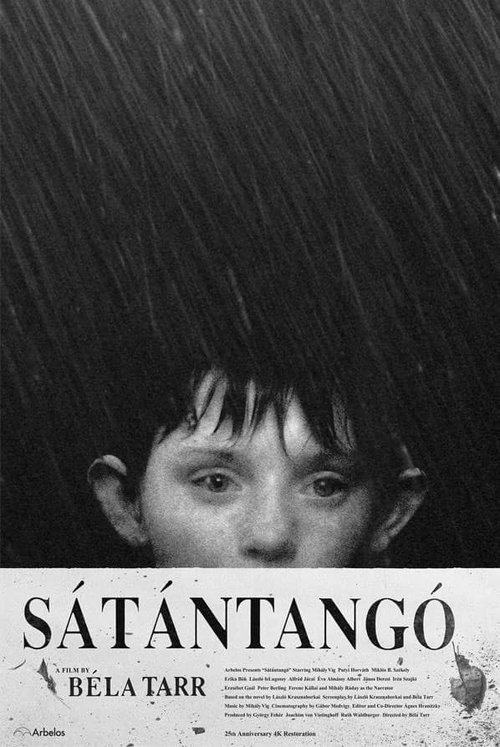
Satantango1994
Both descents into darkness; both use formal structure and repetition as a kind of music; both end in shattering non-resolution.
Béla Tarr's seven-and-a-half-hour black-and-white Hungarian masterpiece about loss, temptation, and spiritual emptiness. A descent narrative as profound as Orpheus's, but into the underworld of a crumbling collective farm.
But It is extremely long, deliberately slow, visually bleak, and offers no comfort. It will demand more patience than most people can give.
People
Cast
- Jochen KowalskiOrfeo
- Gillian WebsterEuridice
- Jeremy BuddAmore
- Jean-Pierre BlanchardOrfeo double
- William EdwardsAmore double
Directing
- Hans HulscherDirector
- Harry KupferDirector
Writing
- Ranieri de’ CalzabigiWriter