
Film
Rigoletto
Other titles called Rigoletto: the 1977 film, the 1987 film, the 1993 film.
This is Verdi's operatic masterpiece captured in performance: a tale of power, corruption, and a father's love twisted by shame and vengeance. The Teatro de la Zarzuela 1989 production features Alfredo Kraus as the rakish Duke and John Rawnsley as the bitter jester whose daughter becomes collateral damage in a cycle of cruelty. It's operatic drama at its most immediate and human.
Should you watch it?
Watch it if you already love Verdi's sung drama and want a stage-bound filmed performance where the voices carry the emotional weight more than any camera trickery.
Skip it if you come to opera expecting cinematic movement, since this is a staged filmed production where the singing sits front and center and the action can feel static.
What it asks of you: Just over two hours of nearly unbroken singing, with long arias that stretch slowly, so it rewards patience and stillness over quick cuts.
Not sure? Find tonight's pick in a minute.
If you liked this
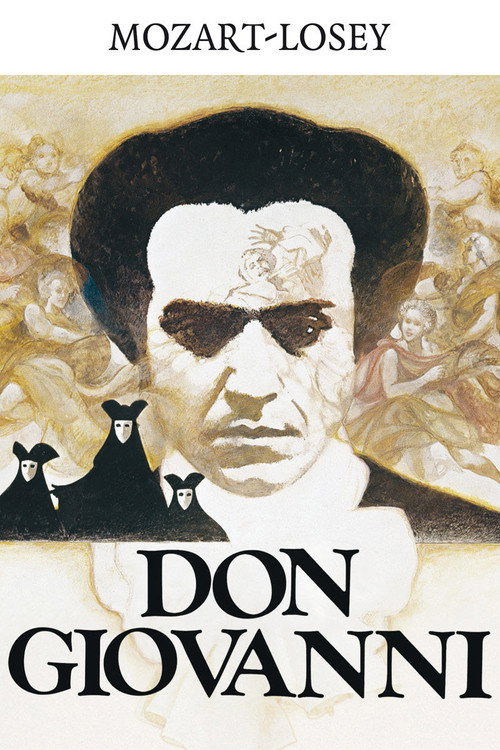
Don Giovanni1979
Mozart's masterpiece about seduction, betrayal, and supernatural reckoning. Like Rigoletto, it's dark comedy edged with real menace, and Joseph Losey's film version is visually sumptuous without softening the moral chaos.
But The pacing can feel glacial if you're used to spoken drama. Mozart's genius requires patience to sink in.
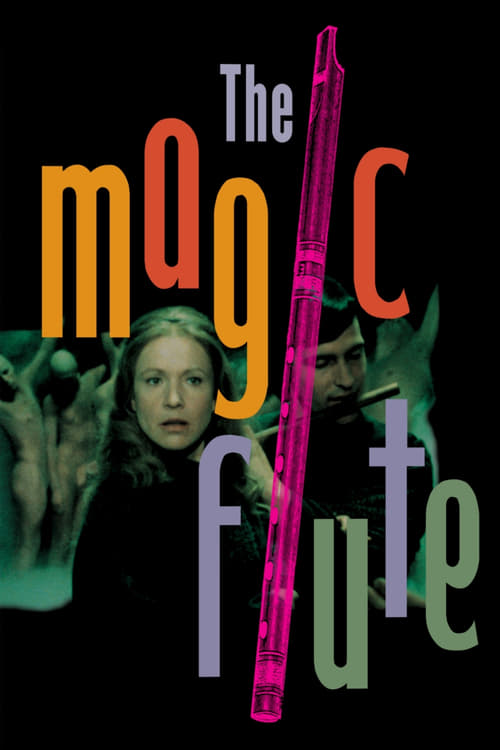
The Magic Flute1975
Bergman's film of Mozart's opera is enchanting without condescension: a fairy tale that trusts you to follow it into genuine magic. Beautifully sung and staged with genuine wit.
But It's long, deliberately paced, and surreal in ways that demand your full attention. Not background viewing.
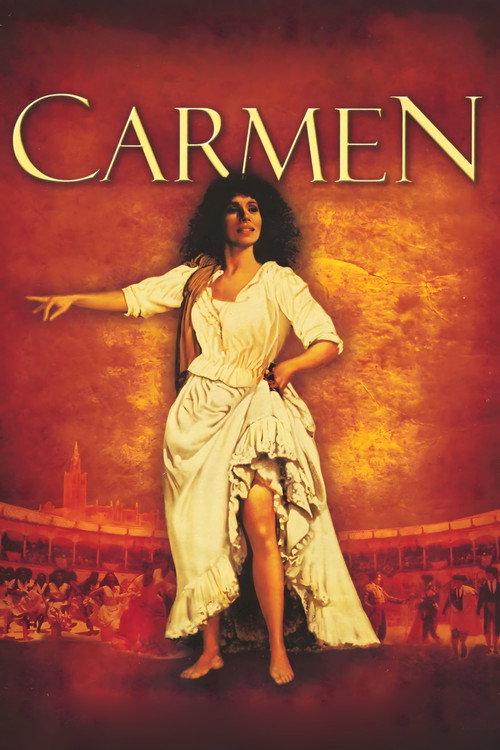
Carmen1984
Rosi's film treatment of Bizet's sultry masterpiece strips away theatrical convention without losing the music's power. The cinematography is gorgeous and the performances feel lived-in and dangerous.
But The staging is deliberately unfussy, sometimes austere. Some viewers want more visual glamour with their opera.
Not sure tonight? Get a pick in a minute, starting from Rigoletto
The wildcard
Something you would not have found on your own.
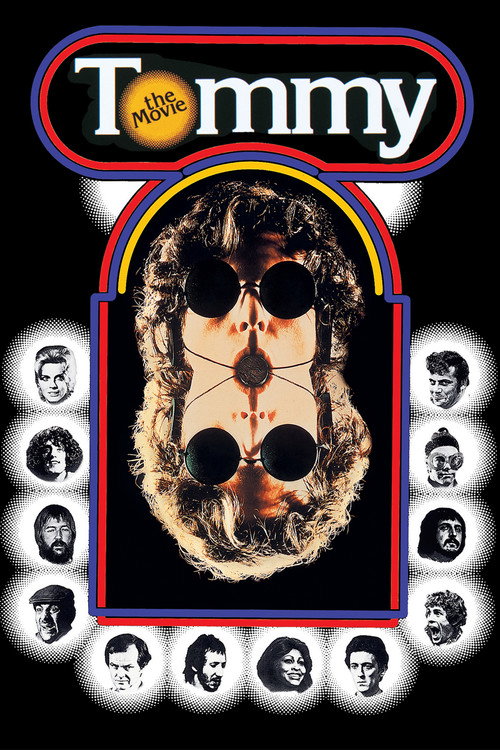
Tommy1975
Both use the operatic form to explore shame, victimhood, and redemption through heightened emotion. Both ask what it means to perform your pain for an audience.
Ken Russell's rock opera is visually delirious and formally ambitious in ways opera usually isn't. It's about trauma, recovery, and the power of spectacle—themes Rigoletto understands—but the energy is utterly different. Mesmerizing even when it's failing.
But It's proudly artificial in ways that will feel jarring if you're expecting realism or traditional narrative. Russell's direction is maximalist and sometimes incoherent.
More like this (5)
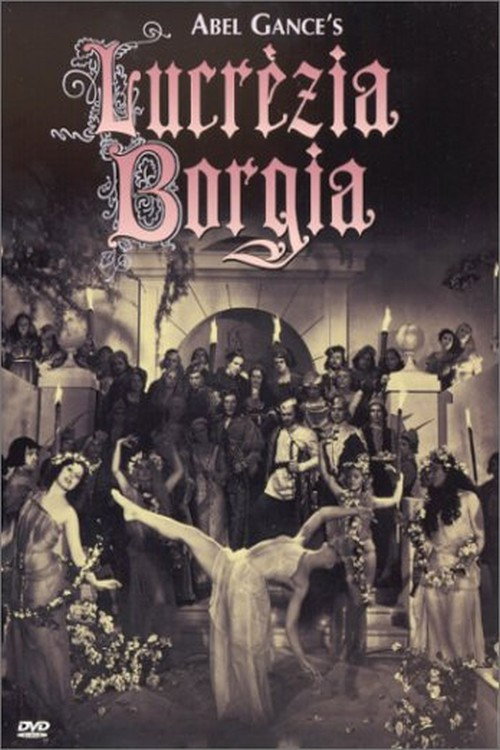
Lucrezia Borgia1935
Donizetti's opera about power, poison, and maternal love features a gloriously complex heroine. This staging brings real psychological depth to the baroque melodrama, and the singing is first-rate.
But Less performed than the other Verdi works here; if you're opera-adjacent, you may not have heard of it, and that obscurity can feel like friction.
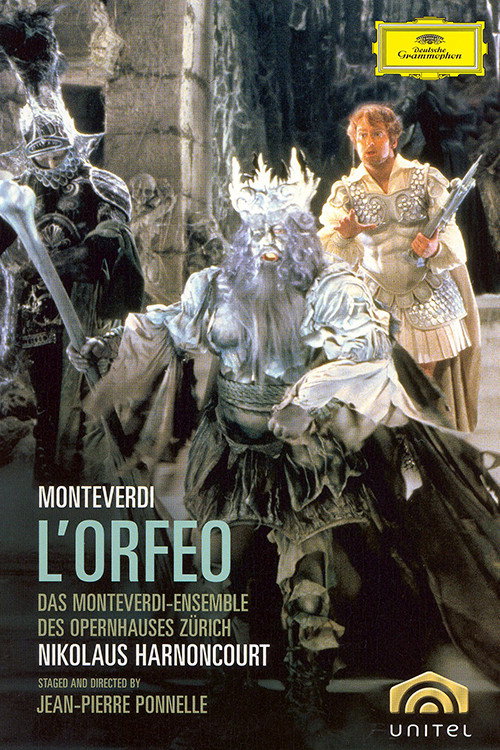
L'Orfeo1978
Monteverdi's opera is the form's DNA, and this production from the RAI captures its raw power. The sung storytelling is direct and devastating, and you feel how opera was born.
But It's in Italian, it's chamber-scaled, and some of the baroque conventions feel alien. The vocal style takes adjustment.
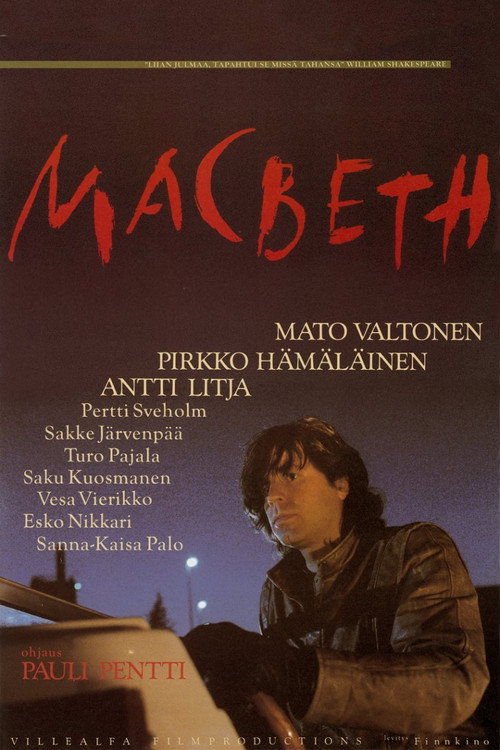
Macbeth1987
Verdi's take on Shakespeare emphasizes the psychological horror over the political intrigue. The witches are genuinely unsettling and the pacing is propulsive—this moves like a thriller.
But Some of Verdi's earlier work can sound creaky compared to Rigoletto. The score is darker and less tuneful in places, which some find less rewarding.
Synecdoche, New York2008
Like Rigoletto, it's about a man destroying those he loves through his own anger and ambition. Both are tragedies where the protagonist's damage becomes destiny—but Kaufman explores it through meta-theatrical collapse rather than melodrama.
Charlie Kaufman's film about a director building a life-sized replica of New York inside a warehouse is formally ambitious and emotionally devastating. It's about creation, performance, and the way we hurt the people closest to us while trying to make art. Genuinely profound.
But It's hermetic and doesn't resolve in satisfying ways. If you need narrative closure or clear emotional beats, this will frustrate you.

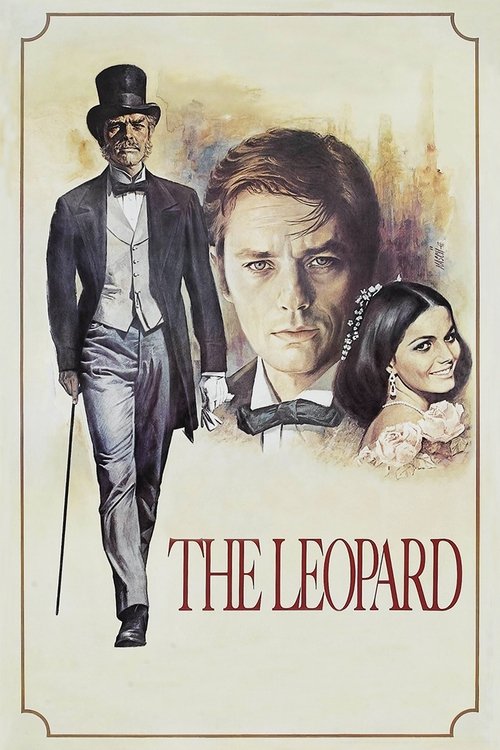
The Leopard1963
Both are about corruption at court and the way power poisons everything it touches. Both have the visual and emotional density of opera but use different forms—one musical theatre, one visual spectacle—to achieve the same tragic weight.
Visconti's film about Sicilian aristocracy in upheaval is operatic without being an opera: sweeping, sumptuous, concerned with power and desire and the way the world grinds forward regardless of individual will. The ball sequence alone justifies the length. Pure cinema.
But Nearly three hours of Italian New Cinema with long static takes. Modern viewers often find it glacial, and there are stretches where nothing 'happens' in plot terms.
People
Cast
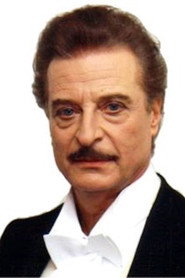 Alfredo KrausEl Duque de Mantua
- John RawnsleyRigoletto
- Patricia WiseGilda
- Eleonora JankovicMaddalena
- Miguel Angel ZapaterSparafucille
Recommended by
Orfeo Ed Euridice, Tosca, Otello, Nabucco, Aida, Lucia di Lammermoor