
Film
L'Orfeo
Monteverdi's foundational opera, filmed in 1978 by Jean-Pierre Ponnelle with Nikolaus Harnoncourt conducting. A musician's journey to reclaim his lost love from death itself, told in early baroque music of raw, almost startling emotional directness. Intimate and theatrical without pretension. For anyone curious how opera began, or what happens when music stops apologizing.
If you liked this
Dido and Aeneas
Purcell's miniature masterpiece—only an hour, devastating, a different culture's answer to what Monteverdi was doing. Clarity itself, and crushing.
But So brief it can feel like a prelude to something larger. The English baroque idiom is leaner than Italian; some find it austere.
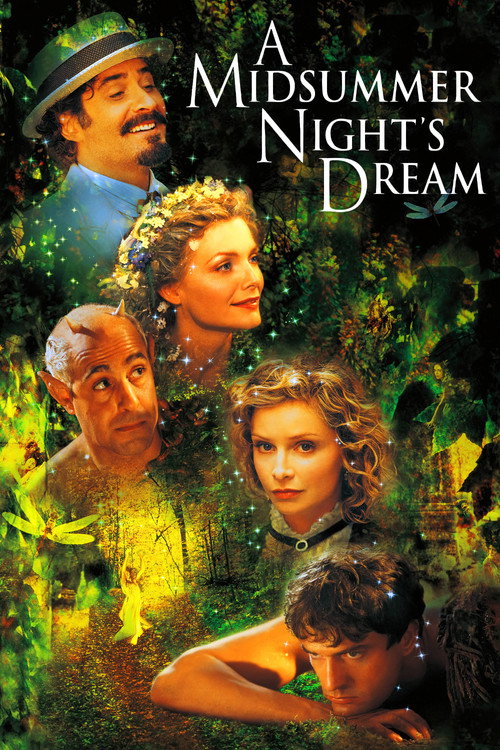
A Midsummer Night's Dream1999
Britten's opera turns Shakespeare into something dreamlike and unsettling. Proves the baroque impulse survived—music as direct emotional narration, never decorative.
But Britten writes for a modern orchestra; the harmonic language is twentieth-century. The baroque purity is gone, replaced by anxiety and irony.
Not sure tonight? Get a pick in a minute, starting from L'Orfeo
The wildcard
Something you would not have found on your own.
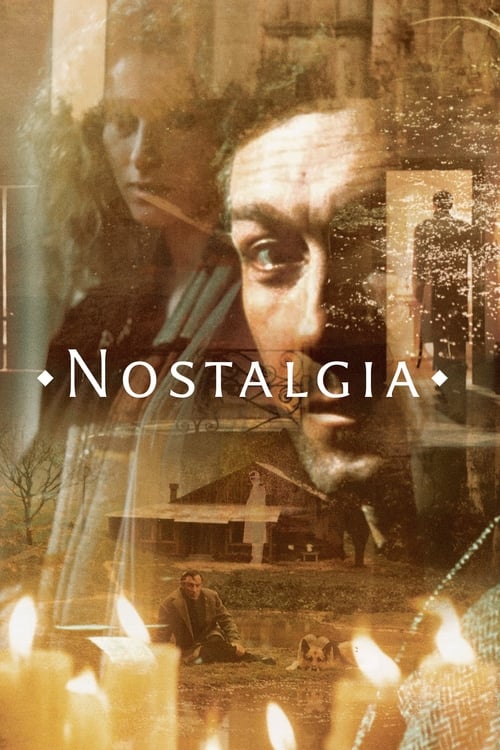
Nostalgia1983
Both works locate the sacred in the particular and the held moment. Monteverdi's music does what Tarkovsky's long takes do—refuse to move until you feel what it cost not to.
Tarkovsky's film about a Russian poet in Italy, haunted by memory and exile. Like Monteverdi's opera, it treats the unbridgeable distance between desire and its fulfillment as metaphysical, not melodramatic. Both move at the speed of grief.
But Eight minutes of a man standing under falling rain. Tarkovsky believes in duration as meaning. Most viewers will find it glacially slow.
More like this (1)
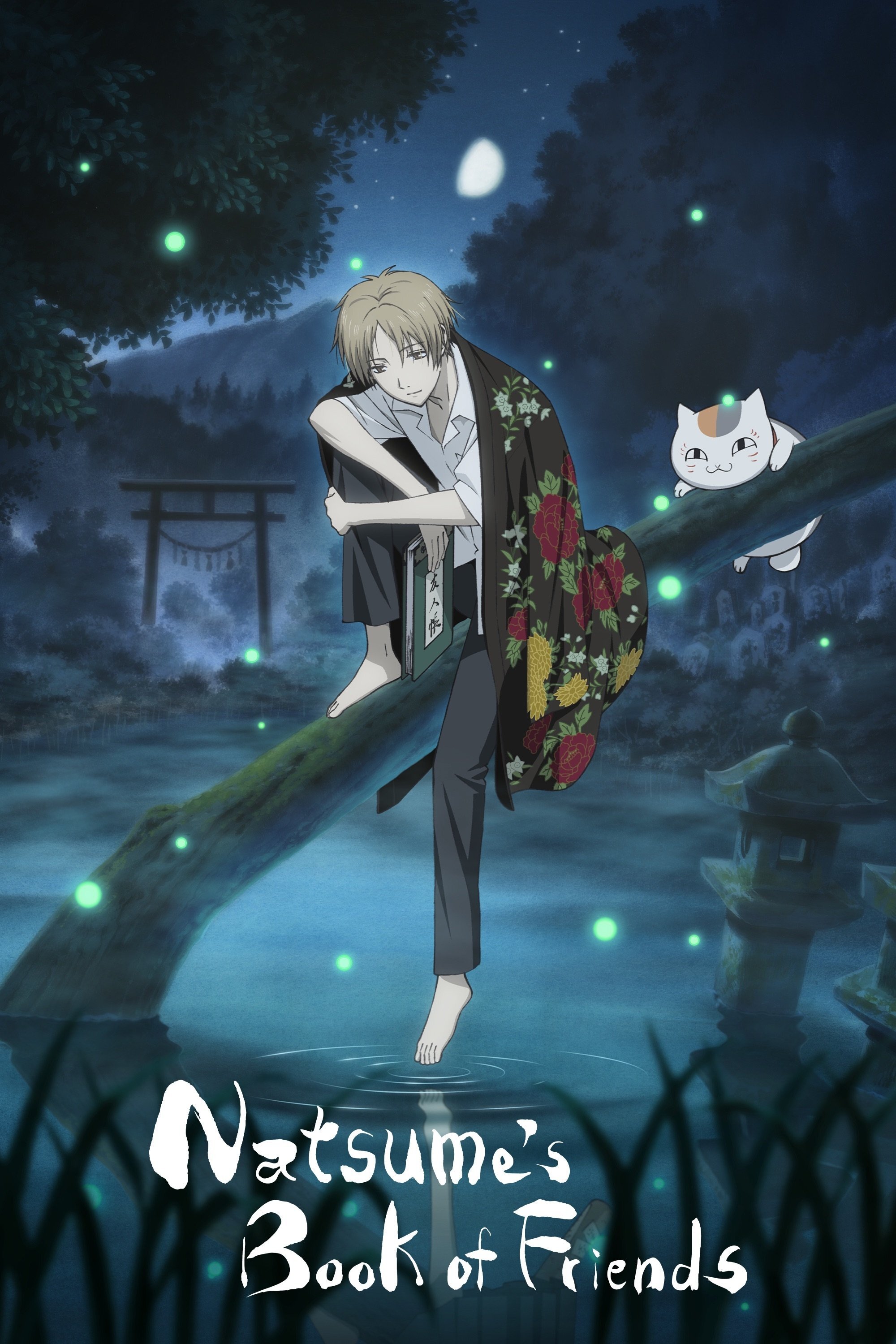
Natsume's Book of Friends2008
Orfeo fails to retrieve Euridice; the cost of his art is acceptance. Natsume accepts what cannot be kept and moves forward. Both treat loss as the condition of living beautifully.
A Japanese anime series about a boy who sees spirits and returns them to rest. Each episode: a small loss, a small bargain, a small redemption. The emotional logic is purely baroque—acceptance through beauty, not through resolution.
But It is fundamentally gentle and repetitive. The supernatural elements are soft-focus. For Western viewers, anime can be an enormous barrier entry.
People
Cast
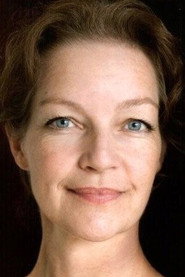 Dietlinde TurbanEuridice
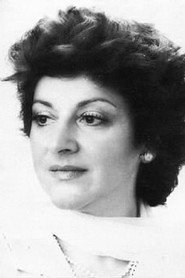 Rachel YakarEuridice (singing voice)
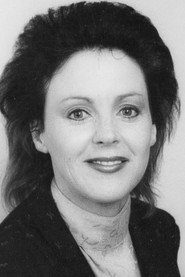 Trudeliese SchmidtLa Musica / Speranza
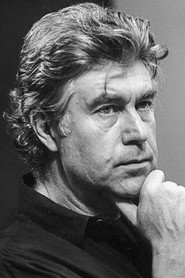 Roland HermannApollo
- Glenys LinosMessaggera / Proserpina
- Werner GröschelPlutone
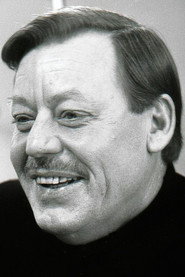 Hans FranzenCaronte
- Suzanne CalabroNinfa
- Peter KellerPastor 1
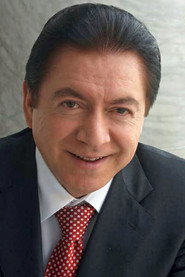 Francisco AraizaPastor 2 / Spirito 1
- Rudolf HartmannPastor 3 / Spirito 2
Directing
- Jean-Pierre PonnelleDirector
- Jean-Pierre PonnelleStage Director
Writing
- Alessandro StriggioWriter