
Film
Tommy
Ken Russell's 1975 adaptation of The Who's rock opera is a fever dream of psychedelia and trauma. Oliver Reed and Ann-Margret create a grotesquely tender household around their deaf-dumb-blind son, while the film explodes into acid-trip sequences, guest star cameos, and genuinely disturbing imagery. It's experimental rock cinema at its most deranged and sincere.
Should you watch it?
Watch it if you love operatic excess, loud rock and surreal, sometimes gaudy visual spectacle, and don't mind a story told in big gestures rather than realism.
Skip it if you want a tidy narrative or find sung-through musicals wearing; its tone swings hard between grand and garish, and the plot is more mood than mechanics.
What it asks of you: It is mostly sung, runs just under two hours at a loud, unrelenting clip, and asks you to let its shifting styles wash over you rather than track every line.
Not sure? Find tonight's pick in a minute.
If you liked this
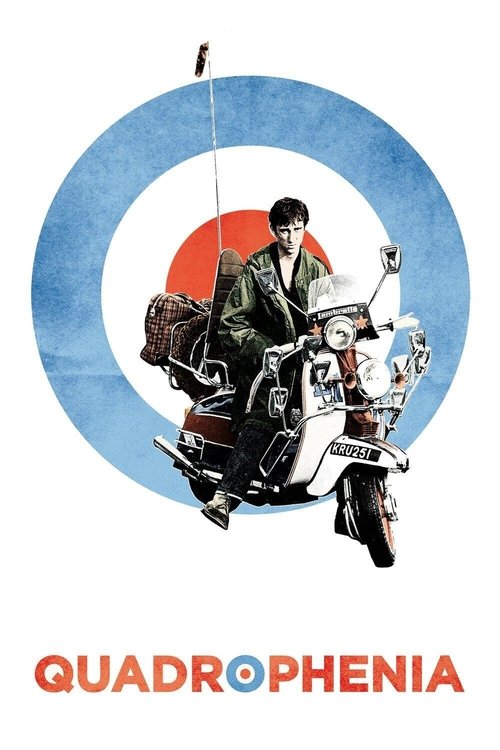
Quadrophenia1979
The Who's other film, more grounded in mod culture and adolescent rage. It's a true narrative with the band's music woven through, capturing the energy of their fans without the surrealism.
But Slower-paced than Tommy, longer, and centres on a protagonist less sympathetic than a tortured child. The mod subculture framing may feel dated.
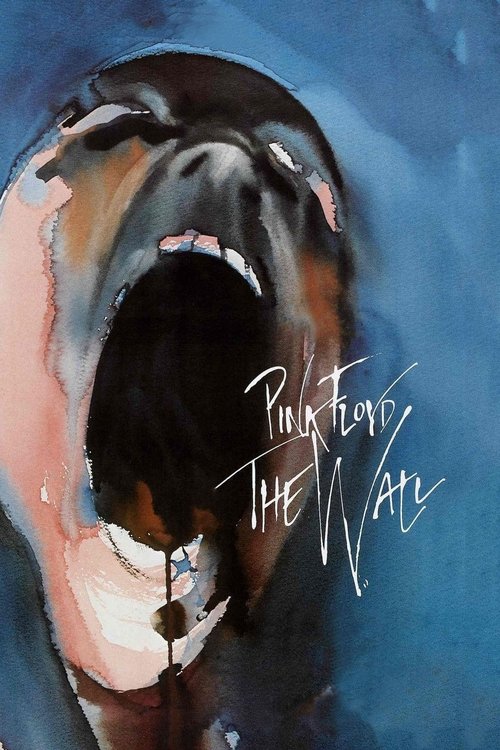
Pink Floyd: The Wall1982
Another prog-rock opera film that uses surrealism and horror to explore childhood trauma and isolation. It shares Tommy's commitment to psychological depth through visual spectacle.
But It's grim and relentlessly bleak. The animation section divides viewers, and at 99 minutes it demands patience with oblique storytelling.
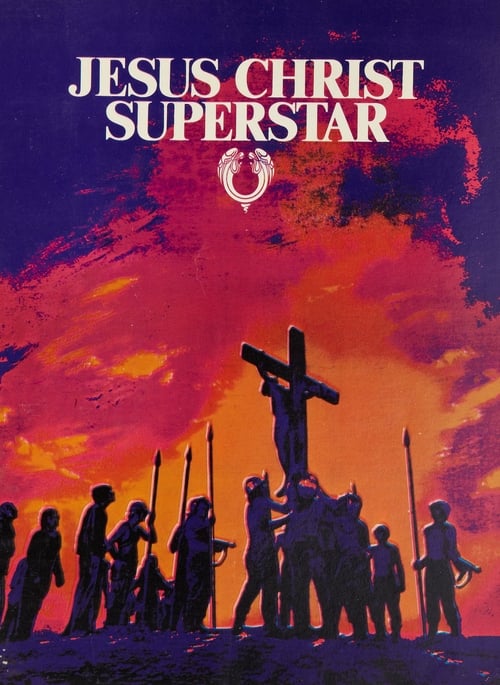
Jesus Christ Superstar1973
Norman Jewison's film of the Andrew Lloyd Webber musical. It has the same earnest ambition to make rock music carry profound spiritual weight, with location filming in Israel and genuine stake in the material.
But The rock music is dated-sounding to modern ears. It's more reverent than anarchic, and lacks Tommy's sexual and psychological darkness.
Not sure tonight? Get a pick in a minute, starting from Tommy
The wildcard
Something you would not have found on your own.
Synecdoche, New York2008
Both use elaborate theatrical/performative structures to externalize internal psychological states—trauma expressed not through conventional narrative but through artifice, spectacle, and the breakdown of realism.
Charlie Kaufman's film about a theater director whose life and art collapse into each other. Like Tommy, it's a film about trauma that can only be processed through constructed artifice and abstraction. Both are maximalist responses to damage.
But It's intellectually demanding and refuses clarity. Philip Seymour Hoffman mumbles, scenes repeat with variations, and the ending is genuinely distressing. Some will call it pretentious.

More like this (8)
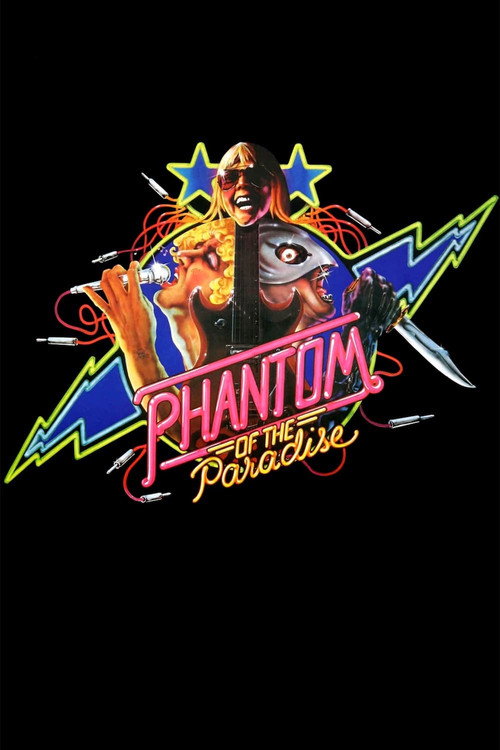
Phantom of the Paradise1974
Brian De Palma's glam-rock horror musical is the missing link between camp and tragedy. It's visually inventive, genuinely funny, and understands how rock mythology becomes Gothic tragedy.
But The plot is convoluted and the humour sometimes undercuts the horror. William Finley's performance is broad, which reads as either perfectly arch or unintentionally silly.
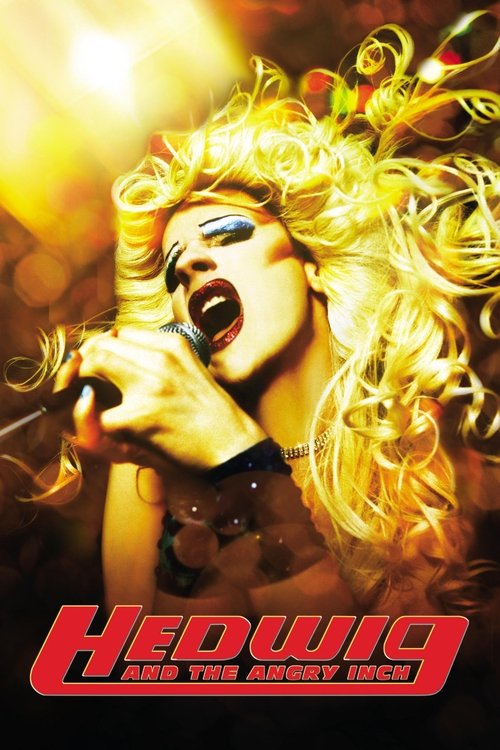
Hedwig and the Angry Inch2001
John Cameron Mitchell's rock musical about identity and trauma, sung entirely by the protagonist. It's Tommy's spiritual descendant: rock opera as the only language big enough for the pain.
But It's deliberately abrasive and the drag performance may alienate viewers expecting conventional narrative. The low budget shows, which is half the charm.
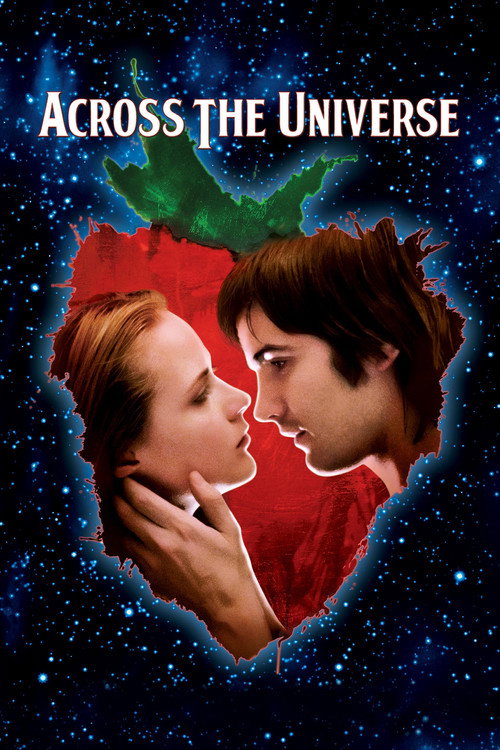
Across the Universe2007
Julie Taymor's kaleidoscopic Beatles musical. Like Tommy, it uses rock songs to explore consciousness-shifting events, and Taymor's visual style rivals Ken Russell's for sheer inventive weirdness.
But It's overstuffed and indulgent. The plot is thin, the casting feels miscalibrated, and there's a sense of trying too hard to be meaningful.
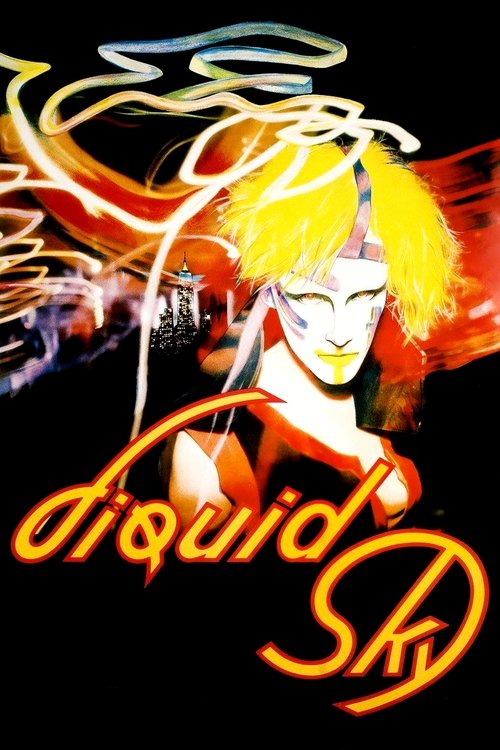
Liquid Sky1982
A Soviet sci-fi musical about alienation and transcendence, with an unsettling electronic score. It shares Tommy's refusal of conventional narrative and finds the sacred in the broken.
But It's genuinely difficult: deliberately slow, subtitled, and deliberately, aggressively weird. The budget constraints are visible and jarring.
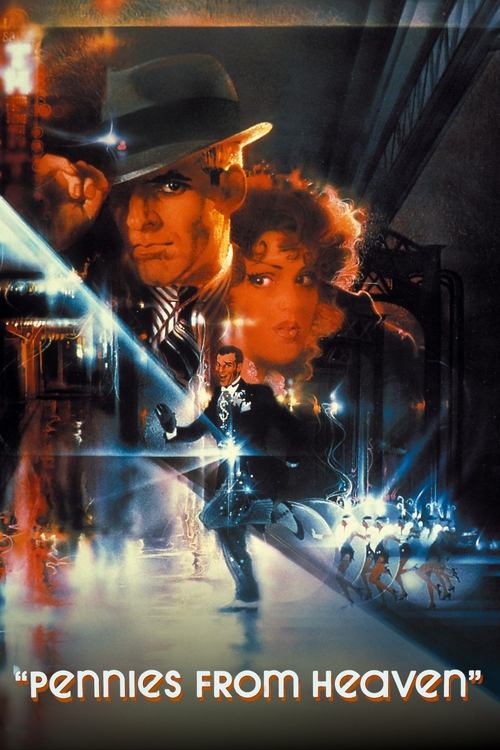
Pennies from Heaven1981
Herbert Ross's adaptation of the Dennis Potter musical-drama, where depression-era disappointment erupts into choreographed fantasy sequences. It's psychologically complex trauma expressed through song.
But It's a bummer, straightforwardly. The fantasy sequences, while beautiful, don't quite land the way Russell's do. Steve Martin is oddly cast.
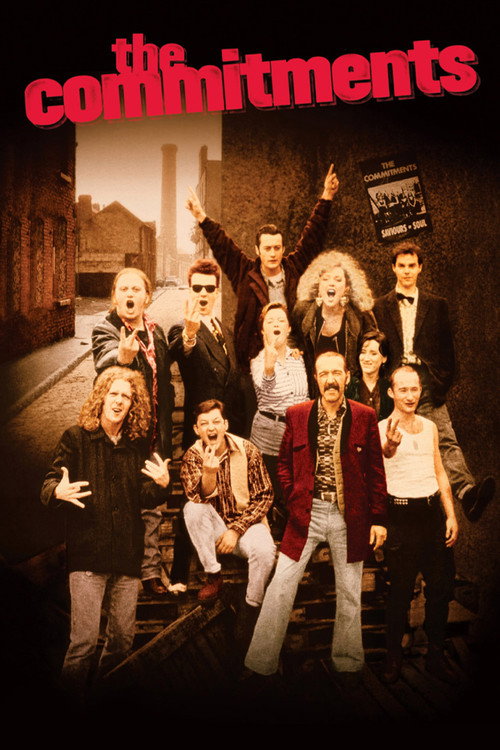
The Commitments1991
Alan Parker's Dublin soul-music film. It's not a rock opera, but it shares Tommy's belief that music is salvation, and it has warmth alongside its grit.
But The music, while joyful, is covers rather than original compositions. The plot is thin and the characters archetypal. It's safer cinema in every way.
Possession1981
Both Tommy and Possession use cinema's technical capacity for the grotesque and unsettling to express interior states that cannot be conveyed through realism. Both treat trauma and family breakdown as occasions for visual extremity rather than restraint.
Andrzej Żuławski's Polish nightmare about a marriage dissolving into supernatural horror. It's the closest cinema comes to visualizing psychological disintegration, and it's shot through with the same commitment to visceral extremity as Tommy.
But It's aggressively uncomfortable. The violence is real and sexual. The acting is deliberately hysterical. There's a famous scene involving a squid-creature that is grotesque and inexplicable. Most viewers will find it repellent.

Come and See1985
Both films centre a traumatized child as witness and victim to a world of corruption and cruelty, and both refuse to soften their presentation of that trauma. Both insist that cinema can show what cannot be unseen.
Elem Klimov's Soviet war film—a boy's experience of WWII atrocity. It shares Tommy's central structure: a traumatized child as the lens through which we experience a corrupted world. It's relentless and unforgettable.
But It depicts real evil and real suffering. Children are harmed on screen. There are no false notes and no mercy. It's one of the most difficult films ever made to watch. You will not feel good afterward.

People
Cast
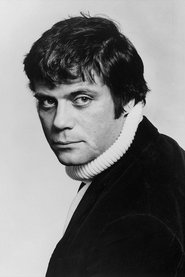 Oliver ReedFrank
 Ann-MargretNora
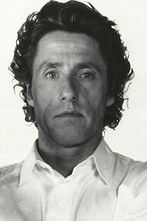 Roger DaltreyTommy
 Elton JohnThe Pinball Wizard
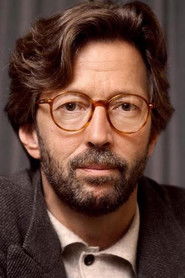 Eric ClaptonThe Preacher
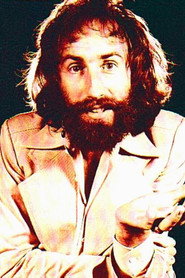 Arthur BrownThe Priest
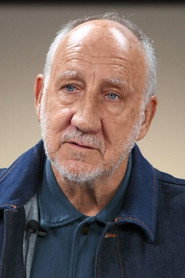 Pete TownshendHimself
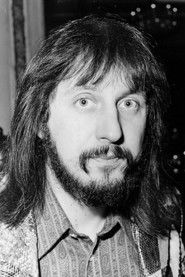 John EntwistleHimself
 Tina TurnerThe Acid Queen
 Paul NicholasCousin Kevin
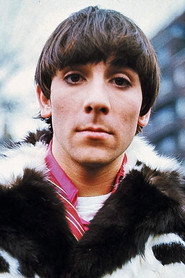 Keith MoonUncle Ernie
 Jack NicholsonThe Specialist
Directing
- Ken RussellDirector
Writing
- Pete TownshendOriginal Concept
- John EntwistleOriginal Story
- Keith MoonOriginal Story
- Pete TownshendOriginal Story
- Roger DaltreyOriginal Story
- Ken RussellScreenplay
Production
- Beryl VertueExecutive Producer
- Christopher StampExecutive Producer
- Ken RussellProducer
- Robert StigwoodProducer
- John ComfortProduction Manager
Recommended by
Quadrophenia, Hedwig and the Angry Inch, Pink Floyd: The Wall, Jesus Christ Superstar, Phantom of the Paradise, The Apple, Absolute Beginners, Rigoletto, Sgt. Pepper's Lonely Hearts Club Band, Lisztomania, Jesus Christ Superstar Live in Concert, The Metropolitan Opera: Rigoletto, Let's Spend the Night Together