
Film
Pink Floyd: The Wall
- Rock opera
- Drama
- Very dark
Alan Parker's nightmarish concert film transforms Pink Floyd's album into a visual descent through grief, fame, and psychological collapse. Bob Geldof's manic performance anchors surreal animation and grotesque imagery that makes conventional narrative feel quaint. It's hypnotic, beautiful, and genuinely disturbing—not for everyone, but unforgettable for those it reaches.
Should you watch it?
Watch it if you love albums that work as cinema, where songs carry the story and surreal imagery turns grief and fame into something you can feel in your chest.
Skip it if you want a conventional plot you can follow at arm's length, since the songs do much of the work and the mood stays bleak throughout.
What it asks of you: It asks for your full attention across ninety-five minutes, moving in fragments and bursts rather than scenes that settle, and it is hard to look away from.
Not sure? Find tonight's pick in a minute.
If you liked this
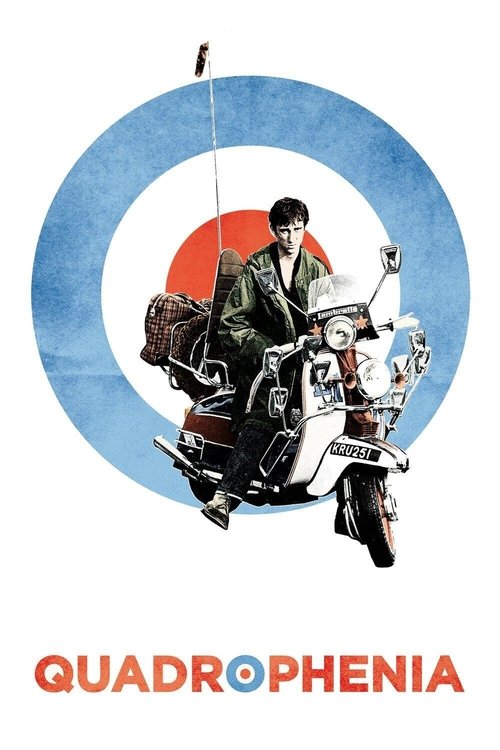
Quadrophenia1979
A rock opera about youth, class, and identity told with equal parts music and furious cinematic language. Like The Wall, it uses a genuine album as its backbone and never apologizes for taking rock seriously as art.
But It's unapologetically British, grounded in 1960s mod culture that might feel distant. At 120 minutes, it demands patience and repeated viewings.
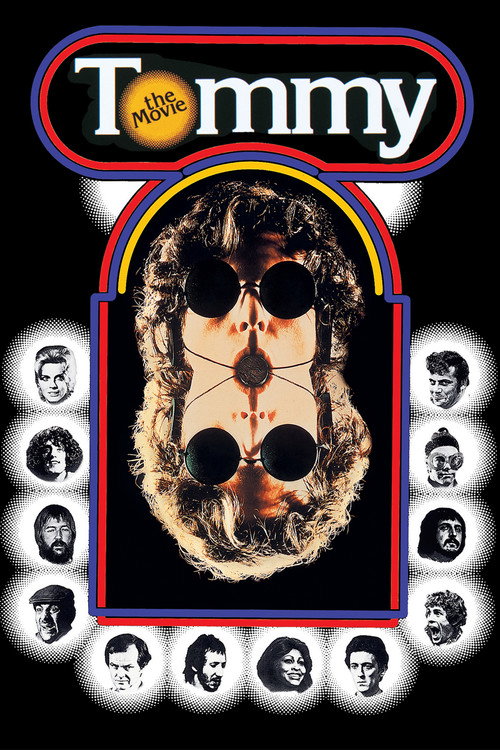
Tommy1975
Ken Russell's operatic fever dream of another rock concept album. Audacious, grotesque, genuinely artistic rock filmmaking—the closest spiritual cousin The Wall has in cinema.
But Russell's aesthetics are aggressively theatrical and often uncomfortable. It's campy in ways that jar against the serious material.
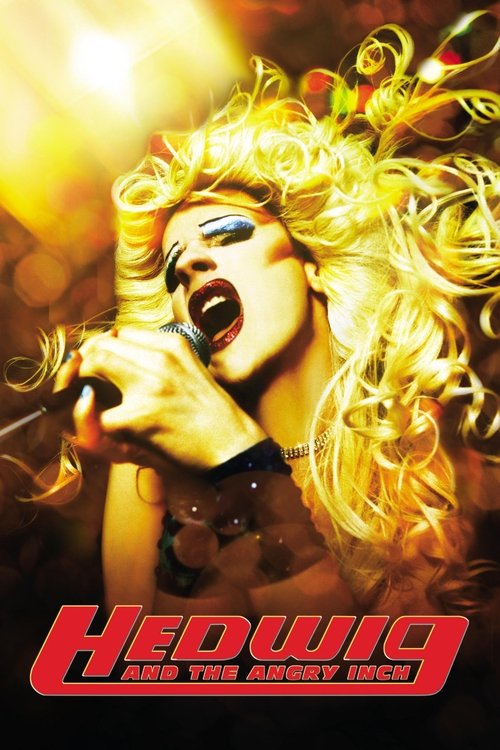
Hedwig and the Angry Inch2001
A rock musical about identity, belonging, and the walls we build around ourselves. Part concert film, part narrative tragedy, with genuine songs that matter. The tonal balance is exquisite.
But It's theatrical in a way that requires you to buy into its specific register. The humor is queer and arch—not everyone lands on its wavelength.
Not sure tonight? Get a pick in a minute, starting from Pink Floyd: The Wall
The wildcard
Something you would not have found on your own.
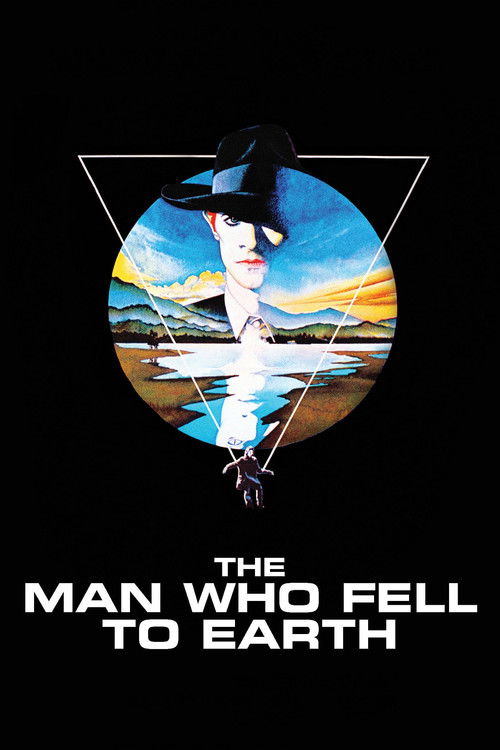
The Man Who Fell to Earth1976
Both are about isolation inside visibility—famous men buried under surfaces of their own construction. Bowie's performance mirrors Geldof's in its blank, haunted quality.
Nicolas Roeg's meditative, dissociative sci-fi. Bowie's alien experiences American life as nightmare alienation—celebrity, media, excess, and disconnection visualized through fragmented editing and unsettling beauty.
But Paced like a waking dream with little conventional narrative. It prioritizes mood and image over plot, which tests patience.
More like this (8)
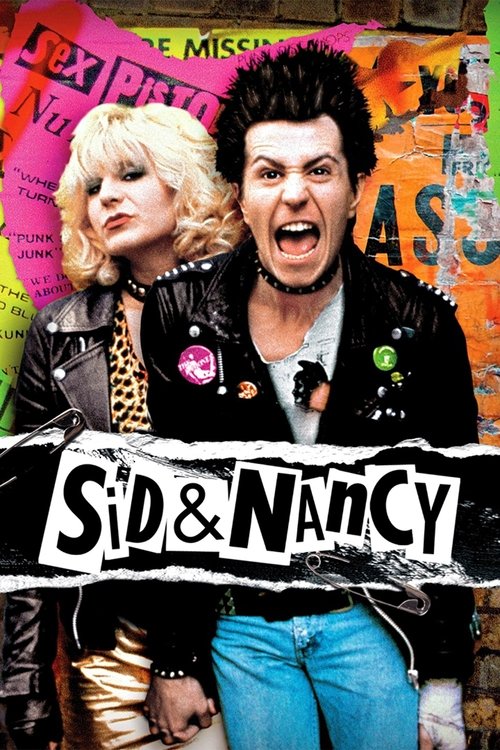
Sid and Nancy1986
Alex Cox's chaotic, furious portrait of punk's darkest romance. Raw documentary realism colliding with expressionist nightmare—a similar visual language of decay and obsession.
But It's bleak and exploitative in ways that feel intentional but punishing. The relationship at its center is toxic, not romantic.
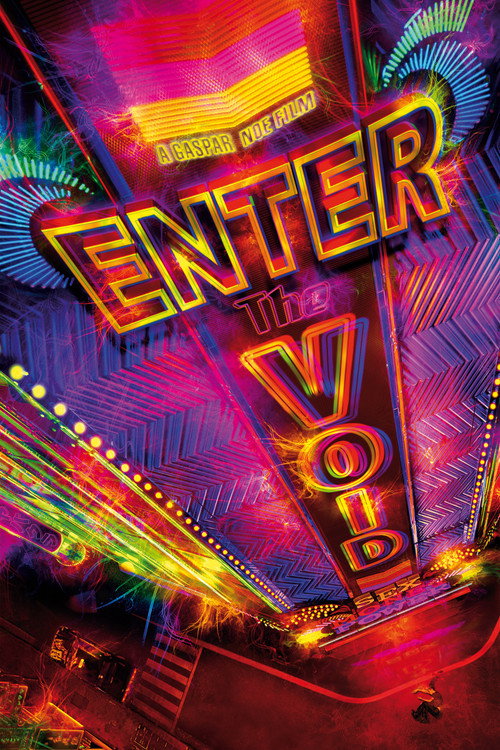
Enter the Void2010
A hypnotic descent through Tokyo's neon underworld told in first-person camera and neon-soaked visuals. Like The Wall, it trades plot for pure psychological and sensory immersion.
But Deliberately paced as a trance state—some find it boring, others rapturous. Requires surrender rather than engagement.
Requiem for a Dream2000
Four parallel descents into addiction and desperation cut to a propulsive, heartbreaking score. The visual language of collapse—repetition, distortion, isolation—mirrors The Wall's architecture.
But Relentlessly bleak and difficult to watch. The final act is designed to leave you shaken rather than satisfied.

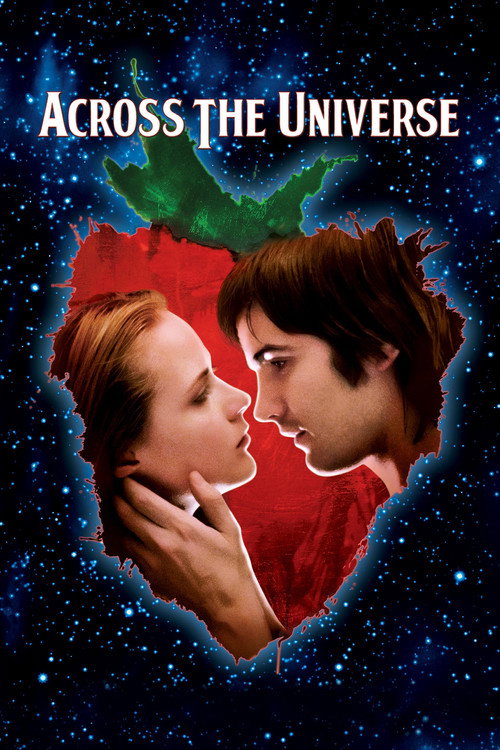
Across the Universe2007
A Beatles-scored musical that swings wildly between gorgeous and audacious. Takes The Beatles seriously as material for narrative cinema, with genuine visual invention.
But The tonal shifts are erratic and the romance at the center feels thin. It's earnest in ways that occasionally slide into cheese.
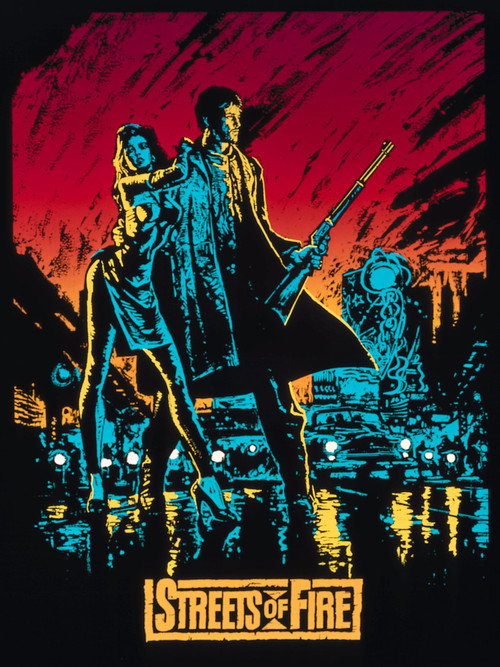
Streets of Fire1984
Walter Hill's rock-and-roll fever dream, part musical, part action film. Styled and scored like a concept album, it treats rock culture as genuine mythology.
But The plot is paper-thin and the rock-opera ambition doesn't quite land. It's more interesting as an aesthetic experiment than a story.
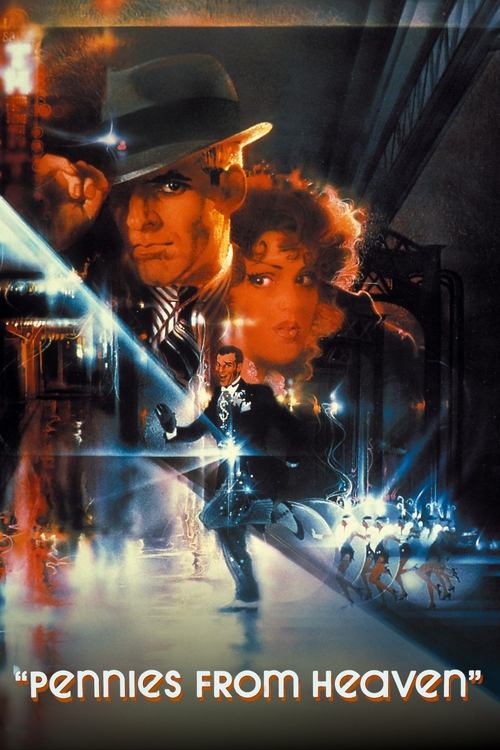
Pennies from Heaven1981
Herbert Ross transforms a Depression-era crime drama with elaborate, non-diegetic musical numbers. Explores how we use music and fantasy to survive unbearable reality.
But The contrast between gritty realism and showstopping fantasy can feel tonal rather than integrated. It's somber in ways that resists catharsis.
Come and See1985
Both chart the systematic destruction of a psyche, using formal language (animation, editing, composition) to make internal collapse external. The Wall's surrealism versus Come and See's realism—same descent mapped differently.
Elem Klimov's harrowing Soviet war film tracking a young boy's descent from innocence into psychological annihilation. Visual language of destruction and trauma told with unflinching clarity.
But Genuinely one of cinema's most difficult films. The suffering is graphic and unrelenting—not cathartic, not even bearable for many.

Synecdoche, New York2008
Both use surreal architecture as metaphor for mental state. Where The Wall's brick expands outward, Synecdoche folds inward—but both are about men whose private chaos becomes public spectacle.
Charlie Kaufman's nested, baroque collapse of a theater director into his own expanding art project. A film about building elaborate structures to contain grief and failure, told in recursive, hallucinatory terms.
But Willfully confusing and baroque—it works against clarity. Some experience it as self-indulgent rather than honest.

People
Cast
 Bob GeldofPink
 Christine HargreavesPink's Mother
 James LaurensonPink's Father
 Eleanor DavidPink's Wife
- Kevin McKeonYoung Pink
 Bob HoskinsRock and Roll Manager
- David BinghamLittle Pink
 Jenny WrightAmerican Groupie
 Alex McAvoyTeacher
- Ellis DaleEnglish Doctor
 James HazeldineLover
 Margery MasonTeacher's Wife
Directing
- Jenny ReidContinuity
- Alan ParkerDirector
- Ray CorbettFirst Assistant Director
- Kieron PhippsSecond Assistant Director
- Steve HardingThird Assistant Director
Writing
- Roger WatersScreenplay
Production
- Margery SimkinAdditional Casting
- Celestia FoxCasting
- Margery SimkinCasting
- Stephen O'RourkeExecutive Producer
- Alan MarshallProducer
- David WimburyProduction Manager
- Lance PaulProduction Supervisor
- Peter KohnUnit Manager
Recommended by
if...., Sound City, Tommy, U2: Rattle and Hum, Renaissance: A Film by Beyoncé, Interstella 5555: The 5tory of the 5ecret 5tar 5ystem, Sgt. Pepper's Lonely Hearts Club Band, Moonwalker