
Film
Let's Spend the Night Together
- Musical
- Light-hearted
Hal Ashby's 1982 concert film captures the Rolling Stones' massive 1981 North American tour with 20 cameras and visceral energy. It's a you-are-there experience of stadium rock at its peak—sweaty, loud, tactile—showing what it felt like to stand in that crowd or onstage with the greatest rock and roll band alive. For anyone who loves the Stones, live music, or filmmaking craft.
Should you watch it?
Watch it if you love watching a band at full throttle in a sweaty arena and want the concert itself, with its swagger and scale, rather than backstage gossip or a tidy documentary arc.
Skip it if you want a story, interviews or any sense of who these men are off stage, since this is almost pure performance footage with little talk and no narrative to hang on.
What it asks of you: It runs about ninety-four minutes and mostly sits in the crowd's rush of songs, so it asks you to settle in for the music and let the tour's energy carry you.
Not sure? Find tonight's pick in a minute.
If you liked this
Woodstock1970
Michael Wadleigh's documentary captures the counterculture moment with stunning cinematography and the era's greatest musicians. Essential music history, and it shows what festival cinema could be before MTV arrived.
But Nearly four hours long, a period piece that can feel dated in its earnestness, and the sound mix varies wildly between performances.
Stop Making Sense1984
Jonathan Demme's Talking Heads concert film is visually inventive in ways that make you rethink what a live performance movie can do. Minimalist, hypnotic, and absolutely thrilling—the band builds the show from scratch before you.
But If you don't connect with Talking Heads' art-rock sensibility, the repetition and abstraction can feel cold rather than transcendent.
The Last Waltz1978
Martin Scorsese films The Band's final concert with guest stars and genuine emotional weight. It's as much about the end of an era as it is about the music, and Scorsese's direction elevates it beyond mere documentation.
But The pacing drags in the middle sections, and if you're not invested in The Band's legacy, the sentimentality can feel heavy-handed.
Not sure tonight? Get a pick in a minute, starting from Let's Spend the Night Together
The wildcard
Something you would not have found on your own.
Cocksucker Blues1972
Both document a single Stones tour, but Cocksucker Blues shows what happens when the cameras stop—the inverse of Ashby's professional spectacle.
Robert Frank's banned, barely-seen film of the Stones' 1972 tour is mythic precisely because it's elusive and raw. No cameras, no performance—just the band offstage, drugged and anarchic. It's the anti-concert film.
But Barely available, grainy, sometimes unwatchable, and genuinely unsexy in ways the Stones would never approve. It's an artefact, not entertainment.
More like this (7)
Gimme Shelter1970
The Maysles brothers' documentary of the Stones' disastrous 1969 Altamont concert is a masterpiece of cinema verité. Raw, tense, and a fascinating companion to the mythology the Stones have cultivated.
But It's genuinely dark and disturbing—focused on violence and chaos rather than the music. Not a celebration of rock and roll.
U2: Rattle and Hum1988
U2's concert film by Phil Joanou mixes live performance with stunning photography and ambitious staging. Captures a band at the height of their powers, with a visual language that matches their sonic ambition.
But It's self-serious and occasionally pretentious; if you find U2 overwrought, this won't change your mind. The fictional scenes are awkward.
Monterey Pop1968
D.A. Pennebaker's 1967 festival film is the blueprint for concert documentaries—immediate, joyful, and packed with performances that changed music history. Jimi Hendrix and Janis Joplin alone make it essential.
But The sound is muddy by modern standards, and some performances are brief and fragmented rather than complete songs.
Shine a Light2008
Scorsese returns to the Stones with this 2006 concert film, using split screens and multiple cameras to create kinetic energy. It's a love letter to the band and to live performance as cinema.
But It feels like a Scorsese film first and a concert film second; some prefer their live music less mediated. The stylization can overshadow the performances.
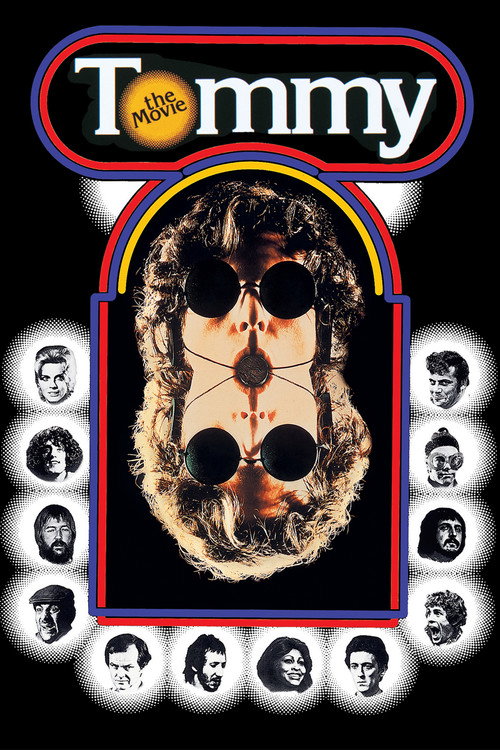
Tommy1975
Ken Russell's operatic adaptation of The Who's rock opera is visually audacious and genuinely moving. A completely different approach to concert cinema—mythology and performance collide.
But It's campy and occasionally unintentionally funny; the narrative is bewildering if you don't know the album, and Russell's direction is chaotic.
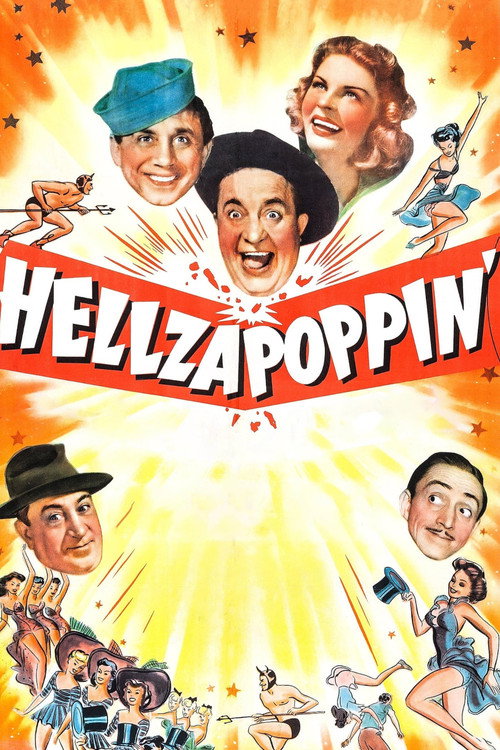
Hellzapoppin'1941
Both films reject narrative in favour of spectacle and energy. Ashby's 20 cameras capture organized chaos; Hellzapoppin' was chaos organized by cameras.
A pre-war musical comedy with virtually no plot, structured as pure vaudeville and visual gags. It's chaotic, joyful, and endlessly inventive—proof that the concert film's DNA goes back seventy years.
But The humour is dated, the pacing is anarchic, and it's almost entirely in black and white. It's a museum piece masquerading as entertainment.
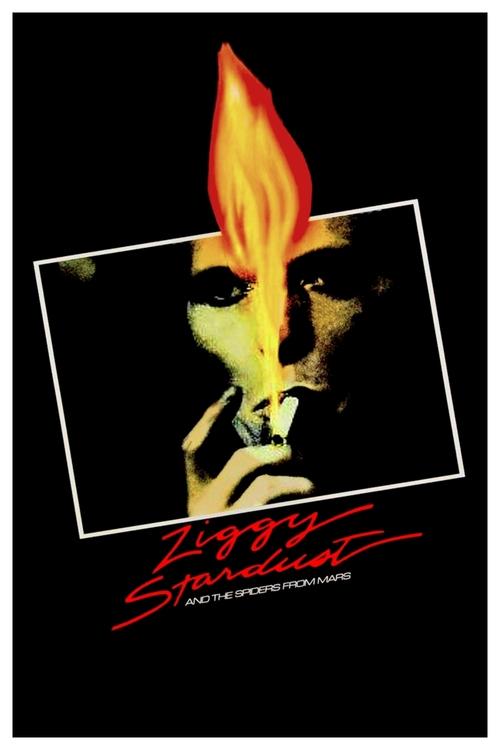
Ziggy Stardust and the Spiders from Mars1983
Both capture a legendary band at a specific moment, but where Ashby shows the Stones as immortals, Pennebaker shows Bowie saying farewell to his alter ego. Different myths, same cinema.
D.A. Pennebaker's film of Bowie's final show as Ziggy is intimate, theatrical, and heartbreaking—a reinvention documented in real time. It's about transformation and goodbye, not triumph.
But It's 91 minutes of one artist, no guest stars, minimal editing. If you need variety and spectacle, it's almost claustrophobic by comparison.
People
Cast
 Mick JaggerSelf
 Charlie WattsSelf
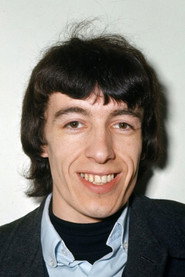 Bill WymanSelf
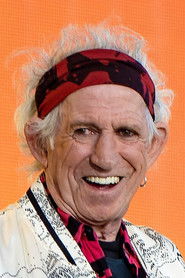 Keith RichardsSelf
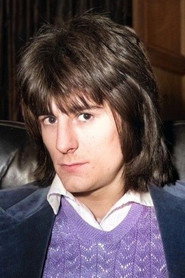 Ronnie WoodSelf
Directing
- Hal AshbyDirector
Production
- Ronald L. SchwaryProducer
- Gerald R. MolenUnit Production Manager