
Film
Rigoletto
Other titles called Rigoletto: the 1977 film, the 1989 film, the 1993 film.
- Stage-musical adaptation
- Drama
- Very dark
This 1987 film captures Verdi's masterpiece in its raw power: a complete performance of Rigoletto filmed live in Parma with Leo Nucci in a career-defining turn as the tragic jester. You're watching opera as theatre, not concert hall spectacle—intimate, urgent, devastating. For anyone who thinks opera is stuffy or distant.
If you liked this
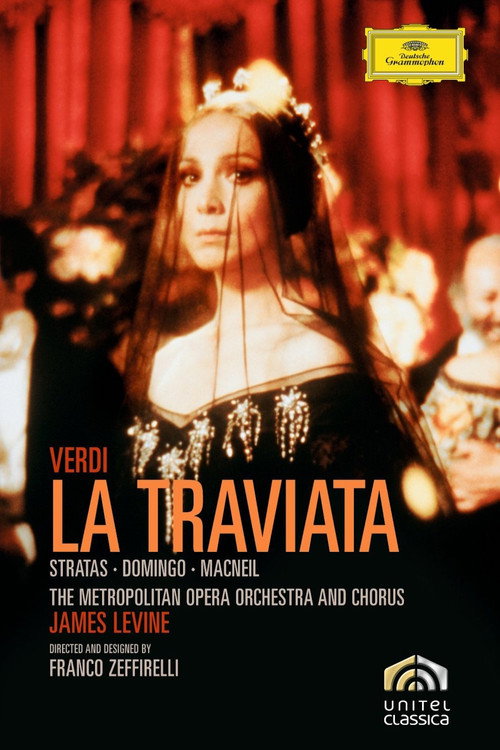
La traviata1982
Franco Zeffirelli directs Placido Domingo and Ileana Cotrubas in opera cinema that breathes like drama, not pageantry. The same director's gift for making Verdi feel alive and close.
But If you want grand spectacle, Zeffirelli's sometimes favours intimacy over visual ambition. Some find his style dated now.
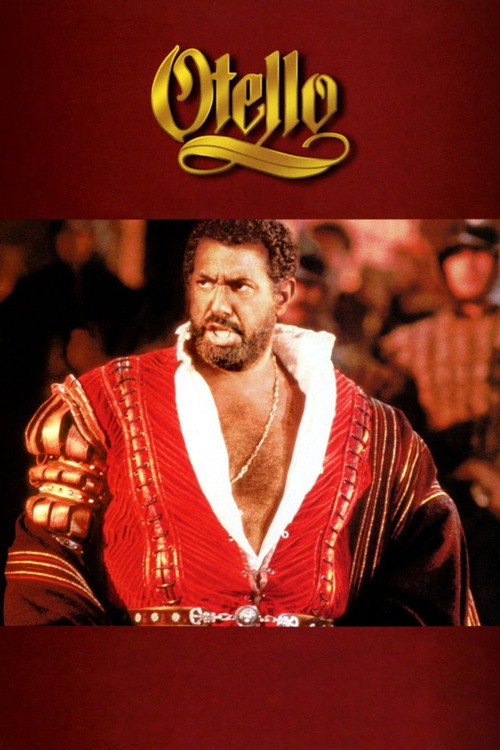
Otello1986
Plácido Domingo as Shakespeare's general, conducted by Carlo Rizzelli, in a production that treats operatic tragedy with the weight it deserves. Verdi at maximum intensity.
But It's heavy. Two and a half hours of jealousy and destruction with almost no lightness. Demanding even for opera fans.
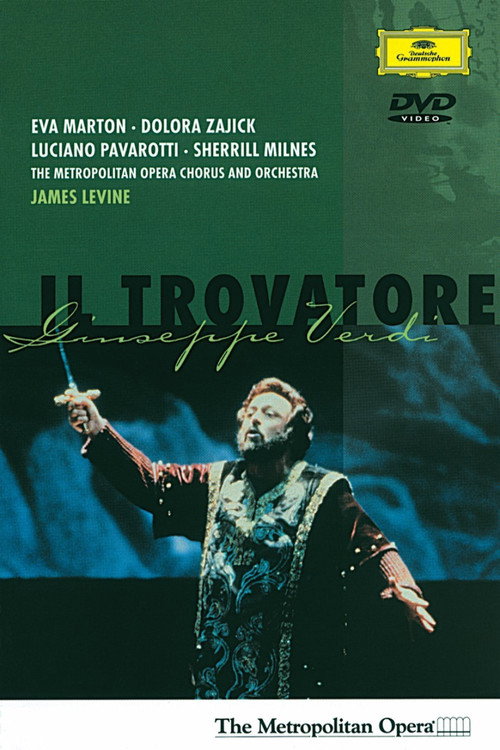
Il Trovatore1988
Plácido Domingo again, in Verdi's most propulsive score—music that feels like it might explode from sheer force. Pure operatic adrenaline, perfectly performed.
But The plot is willfully absurd. Spending two hours invested in the machinations requires real generosity from the viewer.
Not sure tonight? Get a pick in a minute, starting from Rigoletto
The wildcard
Something you would not have found on your own.
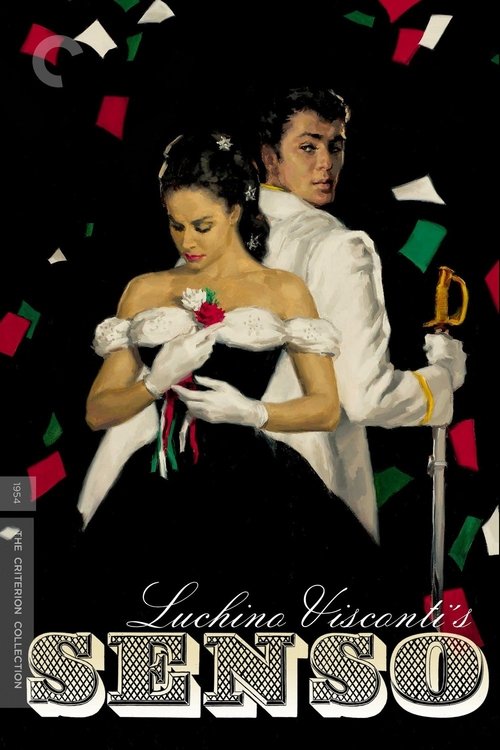
Senso1954
Both use the tension between individual passion and historical forces; both ask whether beauty and art can survive moral corruption. Senso is what opera sounds like when you watch real people live it.
Visconti's colour melodrama about a Venetian countess and an Austrian officer—operatic in mood and morality but filmed as cinema. It teaches you to hear opera in human faces and choices.
But It's a period costume drama first; you need patience for the story to matter. The operatic mood emerges gradually, not immediately.
More like this (8)
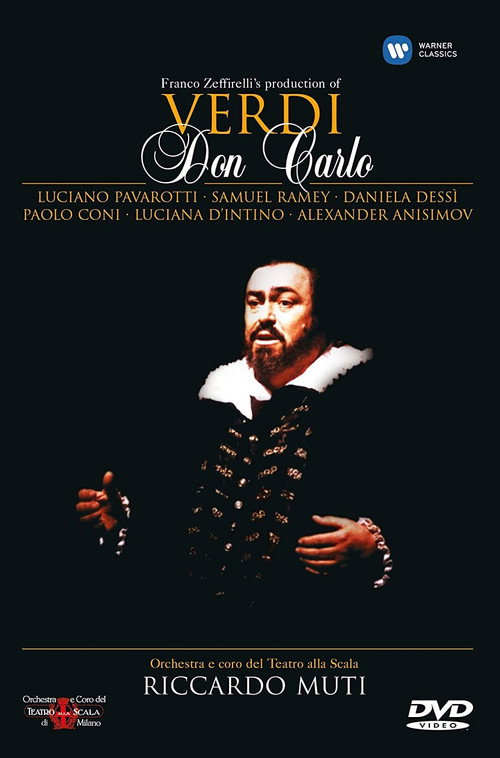
Don Carlo1992
Verdi's five-act marathon about power, faith and love, conducted by Riccardo Muti with a cast of serious singers. Epic in the way only Verdi's biggest works can be.
But It's genuinely long, and the story involves Spanish politics in ways that can feel remote. Patient watching is essential.
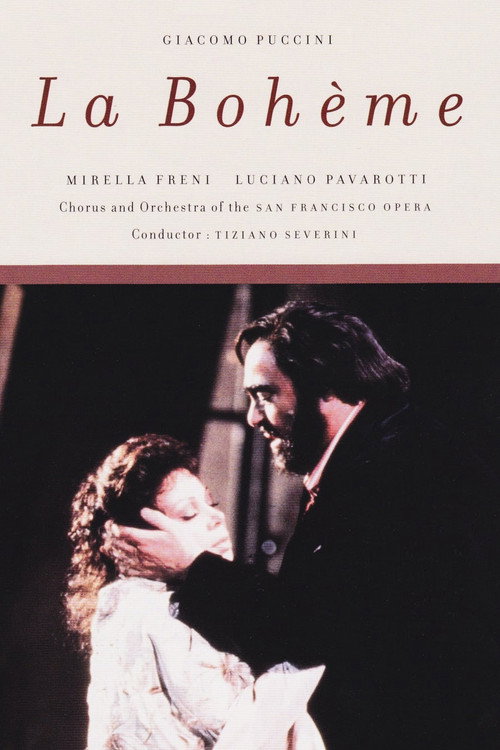
La Boheme1988
Puccini's most beloved opera—young love, sacrifice, TB, death—performed with absolute sincerity by singers who understand how to break your heart without overwrought gesture.
But The sentimentality is immense. If you resist the film's emotional agenda, it will feel like manipulation rather than catharsis.
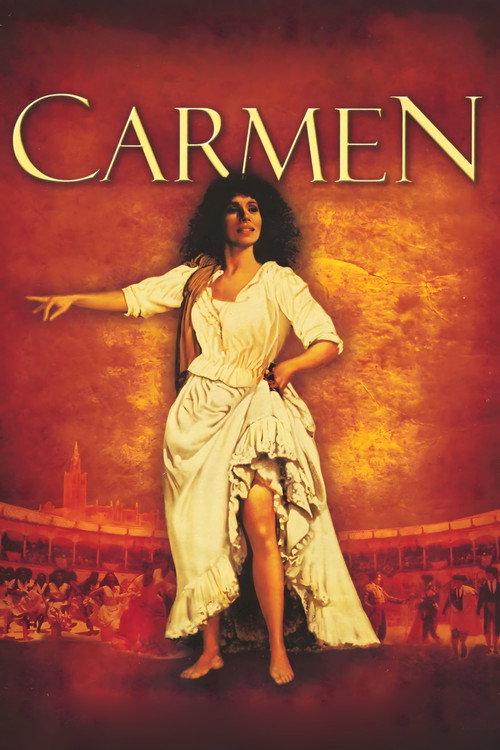
Carmen1984
Bizet's explosive opera with Julia Migenes-Johnson, filmed with Rosi's documentary-style urgency. This feels like something dangerous is actually happening.
But The production's grittiness means it's often rough around the edges. Technically, it's not as polished as others on this list.
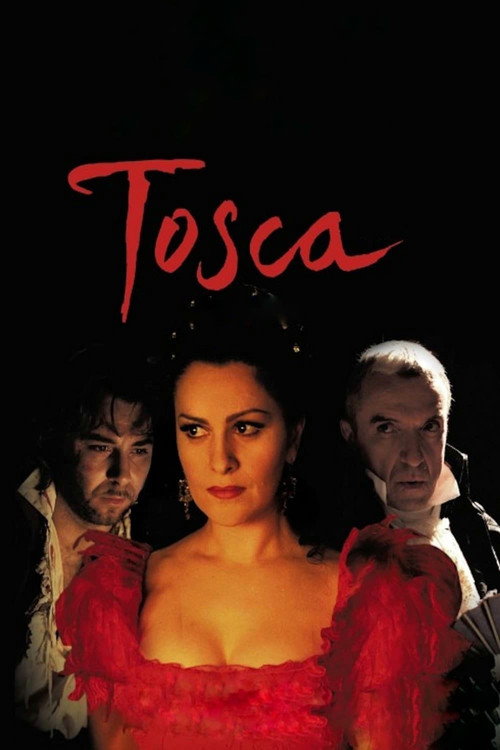
Tosca2001
A live performance with Angela Gheorghiu that captures opera's theatrical intensity—politics, sex, murder, faith all crammed into two hours. Puccini at his most operatic.
But The story is melodramatic even by opera standards. Some moments veer toward the ridiculous if you're in a literal frame of mind.
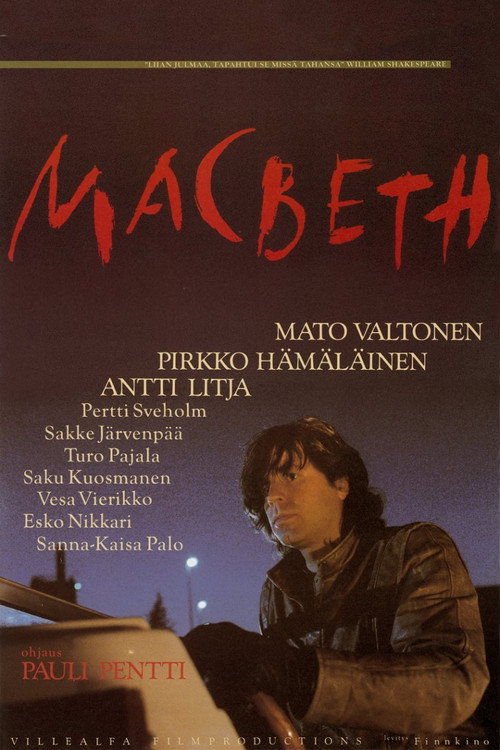
Macbeth1987
Verdi adapted Shakespeare into something darker than the play itself. Complete, uncut, with genuine dramatic heft. A masterclass in how opera can deepen tragedy.
But It's visceral and sometimes ugly in its storytelling. Not an evening's elegant entertainment; it's confrontational.
Lucia di Lammermoor1992
Donizetti's bel canto showcase with Joan Sutherland—technically dazzling singing in service of a genuinely moving story about a woman destroyed by circumstance and men's choices.
But The plot requires accepting 19th-century Scottish nobility drama as compelling. The vocal pyrotechnics, though beautiful, can feel decorative.
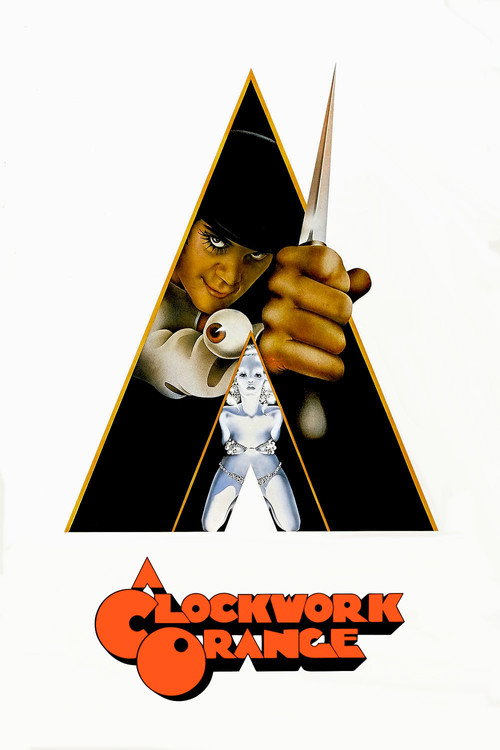
A Clockwork Orange1971
Both are about the power of art to corrupt or redeem. Both use beauty as a moral trap. Both make you question what you're feeling while you feel it.
Kubrick's nightmare uses classical music—Beethoven, Rossini—as a weapon, the same way Verdi uses melody in Rigoletto: to make horror beautiful, forcing you to feel complicit in your own enjoyment.
But It's violent, disturbing, and deliberately making you uncomfortable about your pleasure in it. Many find it exploitative rather than illuminating.
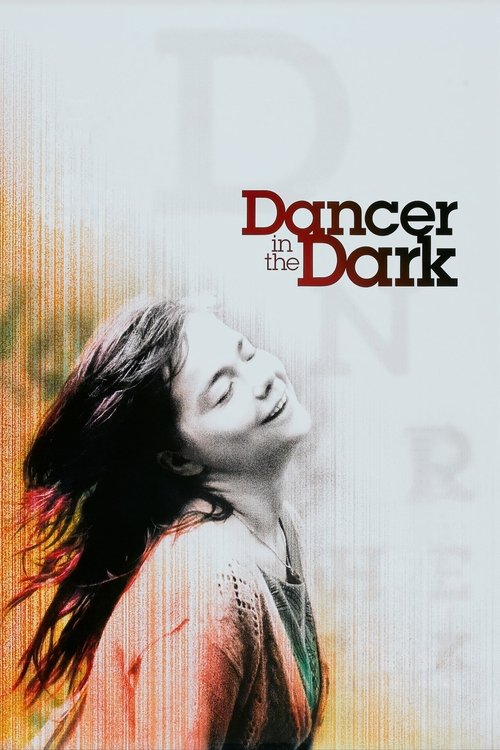
Dancer in the Dark2000
Both understand that opera's power comes from feeling too much at once. Both end in tragedy that the music cannot save you from. Dancer in the Dark is what happens when someone who doesn't sing still has an operatic heart.
Lars von Trier uses musical numbers as a desperate escape from tragedy—a woman losing her sight and freedom finds solace in song. It's about operatic feeling in an ordinary life, and it will destroy you.
But It's relentlessly bleak and the tonal whiplash between the musical fantasy and brutal reality is genuinely destabilizing. Not cathartic; it hurts.
People
Cast
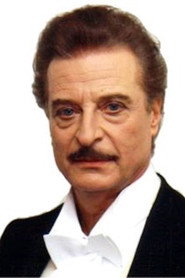 Alfredo KrausDuca di Mantova
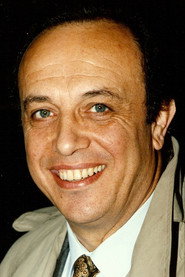 Leo NucciRigoletto
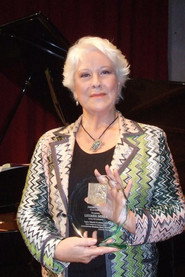 Luciana SerraGilda
Writing
- Francesco Maria PiaveWriter