
Film
The Barber of Seville
- Slapstick
- Light-hearted
A seven-minute Woody Woodpecker cartoon from 1944 where our maniacal protagonist accidentally becomes a barber. Mel Blanc's voice acting is electric—the laugh alone is worth the runtime. It's pure slapstick nonsense: mistaken identity, escalating chaos, cartoon logic unconcerned with physics or consequences. Perfect if you want to see why these shorts were the highlight of Saturday matinees.
If you liked this
Looney Tunes Golden Collection, Vol. 12003
A curated selection of the best Warner Bros. cartoons from the golden age, including other Woody Woodpecker gems and Bugs Bunny classics. Beautifully restored and endlessly quotable.
But If you've seen these shorts a hundred times already, there's limited novelty. Some gags feel dated or rely on slapstick that doesn't land for modern viewers.
Betty Boop
The prototype for the anarchic cartoon character. Early Betty Boop shorts (especially the Fleischer Studios versions) are surreal, darkly funny, and visually inventive in ways that influenced Woody directly.
But The animation quality is rougher than 1944 standards. Some humor relies on now-dated cultural references or relies too heavily on Betty's sex appeal rather than clever gags.
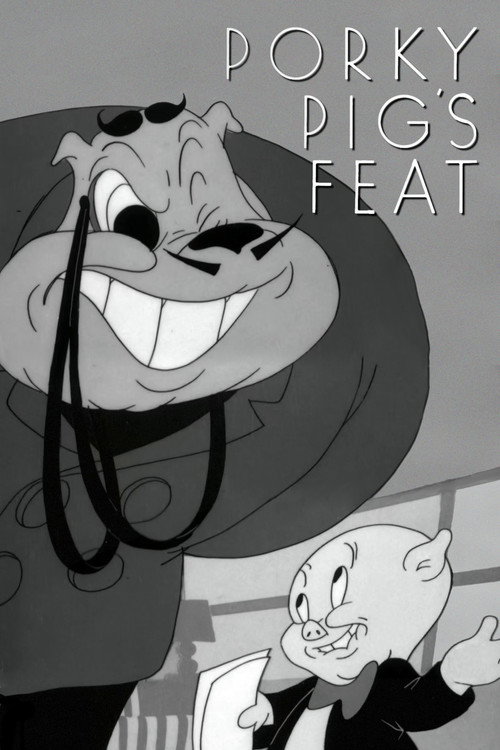
Porky Pig's Feat1943
Another Warner Bros. icon with some truly classic shorts. Early Porky cartoons have the same frantic energy as Woody, with tight gags and Blanc's vocal performance at its sharpest.
But Porky's stutter was played for laughs in ways that feel uncomfortable now. Later shorts lose the energy of the early period and become safer and duller.
Not sure tonight? Get a pick in a minute, starting from The Barber of Seville
The wildcard
Something you would not have found on your own.
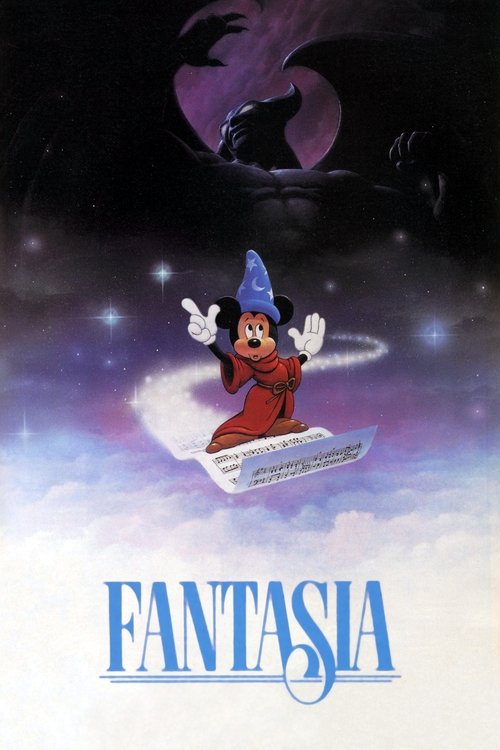
Fantasia1940
Both films premiered in the same era when animation was exploding as a cinematic language. Fantasia proved animation could be art; cartoons like Woody proved it could be pure entertainment. Together they define what 1940s animation actually was.
Animated cinema's other masterpiece, released four years before The Barber of Seville. Here animation is used not for comedy but for pure visual poetry and architectural beauty. Seeing what the medium could do in entirely different hands rewires your understanding of its possibilities.
But It's 125 minutes of abstract animation set to classical music with no narrative. The Sorcerer's Apprentice excepted, there are no characters to follow or jokes to land, which makes it feel glacial if you're coming from Woody's anarchic speed.
More like this (2)
Singin' in the Rain1952
Both use their medium's unique capabilities to create perfect comedic timing. Woody uses animation's freedom to break physics; Kelly uses the camera and bodies to do the same. The DNA is timing and the joy of a gag executed flawlessly.
Pure entertainment cinema at its absolute peak. Gene Kelly and Donald O'Connor performing physical comedy with the precision and joy that Woody's animators brought to their frame-by-frame drawings. Every gag lands, the choreography is flawless, and it moves like a live-action cartoon.
But It's a romantic musical, not anarchic comedy. If you're after Woody's chaos and rule-breaking, this is structured, elegant, and deeply sentimental—almost the opposite register.

The Cabinet of Dr. Caligari1920
Both films manipulate space and visual perspective to create their effects. Caligari uses expressionist distortion to create unease; Woody's animators distort bodies and backgrounds to create the illusion of impossible speed and slapstick. Both are about making you *see* the joke or the horror through form, not just plot.
A silent German Expressionist masterpiece that redefined what cinema could be visually. Distorted sets, exaggerated shadows, psychological dread. It's a reminder that visual storytelling predates sound, and that visual language itself can carry the entire weight of a film.
But It's slow, dark, and deeply serious. There's no comedy, no dialogue, and the pacing expects contemplation rather than laughs. It's about as far from a seven-minute gag cartoon as film gets.

People
Cast
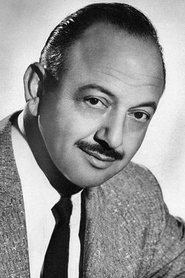 Mel BlancWoody Woodpecker (voice)
 Ben HardawayWoody Woodpecker (voice)
 Kent RogersWoody Woodpecker (voice)
Directing
- Shamus CulhaneDirector
- Arthur HeinemannLayout
Writing
- Ben HardawayWriter
- Milt SchafferWriter
Production
- Walter LantzProducer
Recommended by
The Marriage of Figaro, The Owl And The Pussycat, Blossom Time, Don Giovanni, The Abduction from the Seraglio, The Magic Flute, The Marriage of Figaro, Donizetti: L'elisir d'amore, The Metropolitan Opera: Hansel and Gretel