
Film
Bluebeard's Castle
- Stage-musical adaptation
- Drama
- Mystery
- Very dark
- Slow-burning
A 1963 television adaptation of Bartók's haunting opera, where a Duke opens seven symbolic doors to his new wife, revealing the mysteries and traumas locked within his castle and soul. Stark, dreamlike, and psychologically dense—a chamber piece that uses music and architecture to explore marriage, secrecy, and the unknowable nature of another person.
If you liked this
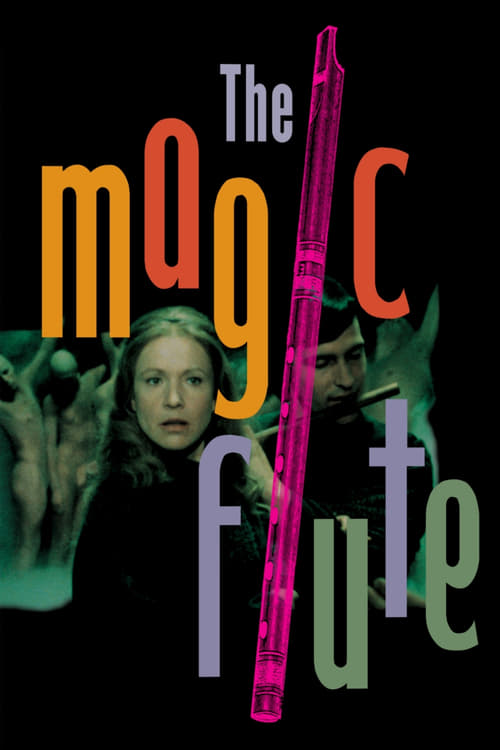
The Magic Flute1975
Bergman's film translation of Mozart's opera is visually inventive and emotionally open in ways stage productions cannot be. It captures the supernatural strangeness of operatic storytelling through cinema.
But It's long, symbolically dense, and requires patience with both opera and Bergman's particular mysticism. Some will find it dated.
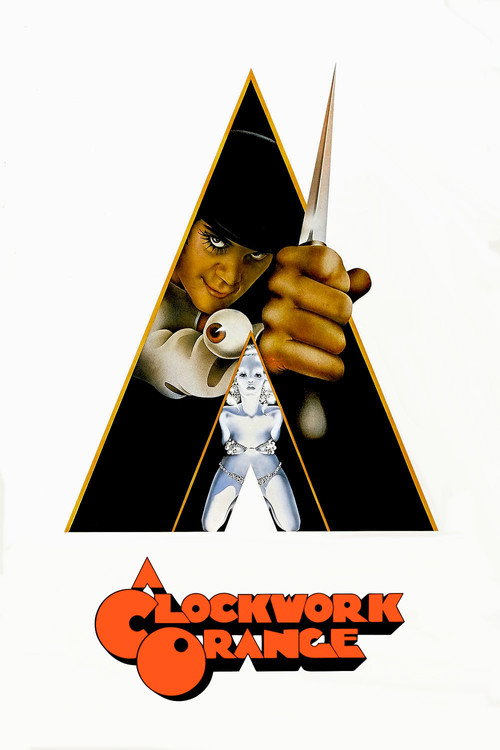
A Clockwork Orange1971
Kubrick's operatic brutalism uses music and architecture to externalize the protagonist's inner life. Like Bluebeard's Castle, it's a descent into a nightmare castle of the mind, formal and deeply unsettling.
But It's intensely violent and misogynistic in ways that still provoke. The stylization can feel cold rather than moving.
The Seventh Seal1957
Bergman's masterpiece about mortality and secrets uses stark imagery and long silences to excavate what lies beneath surface conversation. Profound without being sentimental.
But It's glacially paced, dialogue-heavy in Swedish, and fixated on death and damnation. Not for those wanting lightness.

Not sure tonight? Get a pick in a minute, starting from Bluebeard's Castle
The wildcard
Something you would not have found on your own.
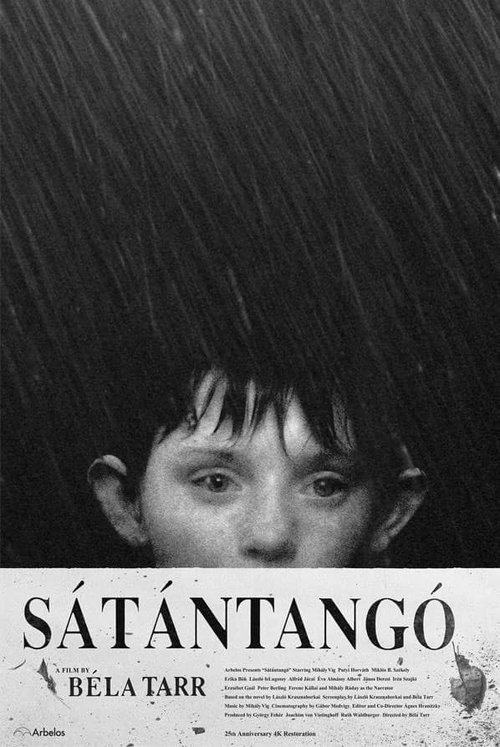
Satantango1994
Both are Hungarian works (Bartók was Hungarian) obsessed with enclosed worlds, moral decay, and the ritual of revelation. Both trust visual and auditory language over narrative clarity.
Béla Tarr's seven-and-a-half-hour Hungarian masterpiece unfolds like a fever dream in a ruined building. Hypnotic, patient, and existentially devastating—cinema as a space you must inhabit.
But This is nearly impossible to sit through unless you surrender completely. Black-and-white, no conventional plot, minimal dialogue. Most people will find it impenetrable and tedious.
More like this (6)
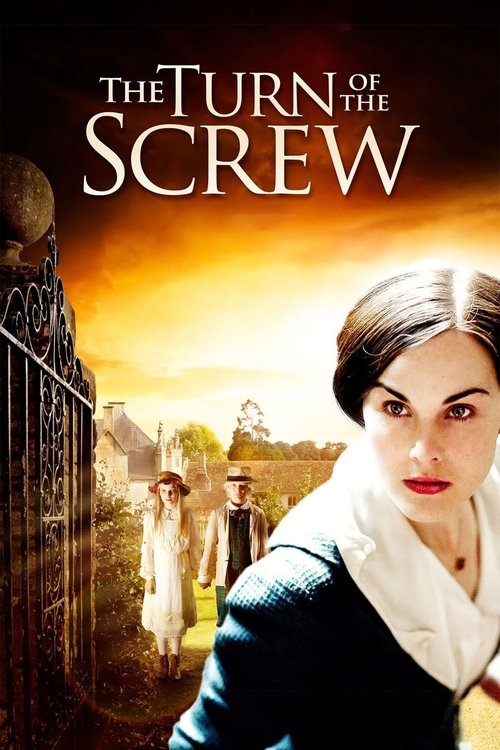
The Turn of the Screw2009
This operatic adaptation of James's novella shares Bluebeard's interest in psychological ambiguity—are the terrors real or imagined? It's atmospheric and genuinely disturbing.
But Very slow-burn. The production values are modest and some will find it overwrought rather than chilling.
Alone2015
Russell's adaptation of Wilde's play captures the same intense, claustrophobic psychology—desire, power, and transgression trapped in a single space. Visually baroque and psychologically raw.
But Extremely theatrical and mannered. Some will find Russell's direction overwrought; others will find the eroticism exploitative.
Elektra1989
Jewison's operatic adaptation of Sophocles strips away spectacle, focusing on performance and the raw emotional stakes. Powerful and surprisingly intimate for its scale.
But Opera performance film can feel inert to those not already engaged with the form. Some singing distances rather than moves.
Don't Look Now1973
Roeg's masterpiece uses Venice's labyrinthine architecture the way Bluebeard's Castle uses its rooms—as a space where the psychological and supernatural collapse into each other. Hypnotic and dreadful.
But Deliberately obscure and slow, it fragments meaning rather than clarifying it. The famous sex scene makes some uncomfortable.
The Cremator1969
A Czech New Wave film about a man descending into fascism through obsessive ritual and interior monologue. Uses confined spaces and sound design to make the mundane horrifying.
But Bleak to the point of bleakness, with a protagonist you come to loathe. Subtitled, experimental, and very dark.
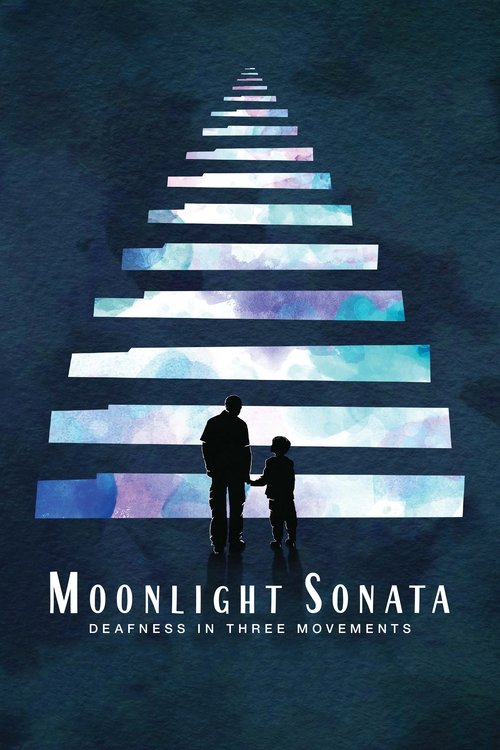
Moonlight Sonata: Deafness in Three Movements2019
Both use classical music to explore interiority and what we cannot fully know about another person's experience. Bluebeard's Castle asks what's behind closed doors; this asks what we miss when we listen the wrong way.
A documentary that uses Beethoven as a gateway into how deaf people experience music and art. Utterly unlike anything you've seen—it doesn't explain, it transforms how you think about perception.
But It's a documentary without conventional narrative arc. Some will find it formally frustrating; others may feel emotionally manipulated by the subject matter.
People
Cast
 Norman FosterBluebeard
 Ana Raquel SatreJudit