
Film
Falstaff
- Comedy
- Stage-musical adaptation
- Light-hearted
Götz Friedrich's 1979 film of Verdi's operatic comedy is a warm, inventive romp through Shakespeare's fat knight and his schemes. Shot on a studio set with theatrical panache, it prizes character and physical comedy over operatic grandeur. Vivid, funny, and genuinely moving—perfect for anyone curious about opera who thinks they might find it stuffy.
If you liked this
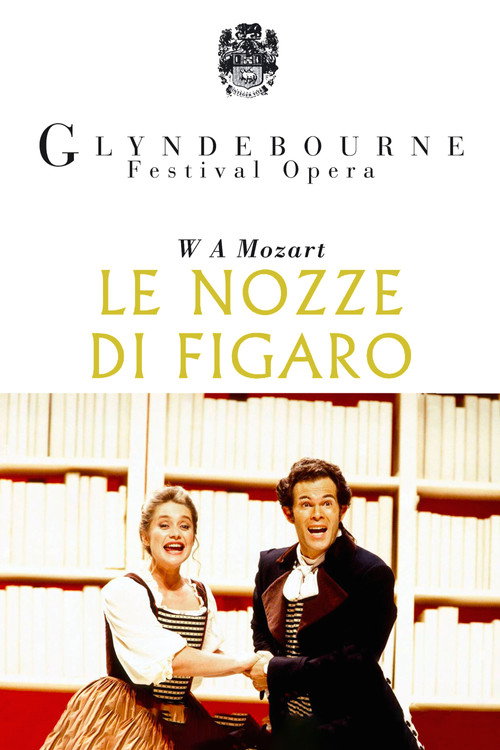
The Marriage of Figaro1994
Stephen Frears directs Mozart's comic masterpiece with wit and visual invention. Brisk, charming, and packed with ensemble energy—it moves like a real film, not a filmed play.
But Some may find the eighteenth-century sexual politics dated, and the classical singing voice takes adjustment if you're new to opera.
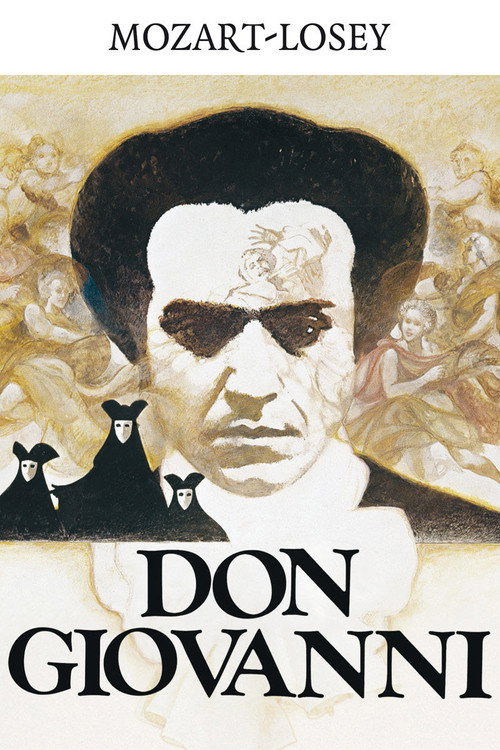
Don Giovanni1979
Joseph Losey's austere, sexually charged version of Mozart's dark comedy. The architecture is beautiful, the crisis is real, and it finds genuine moral weight in the story.
But Losey's staging is severe and cerebral. If you want warmth and bawdiness, this is the opposite direction.
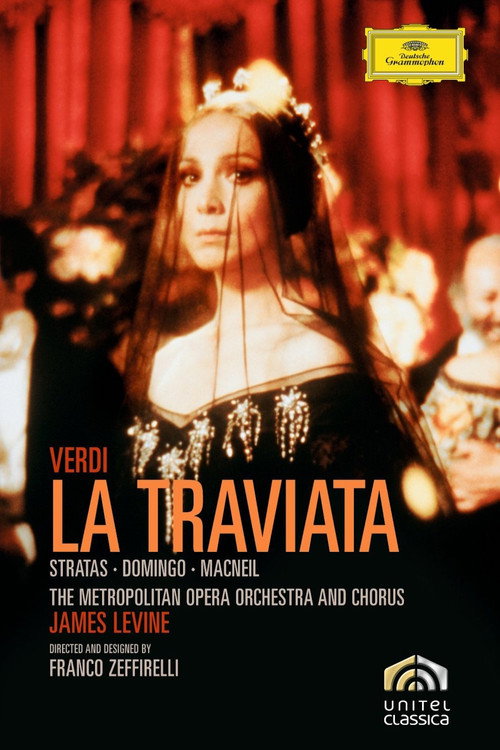
La traviata1982
Francesco Rosi's ravishing film finds the tragedy and social cruelty beneath Verdi's most famous opera. Handsomely shot, deeply felt, and the performances are superb.
But It's unrelentingly sad. There's no fun here, and the pacing is leisurely—not everyone's cup of tea.
Not sure tonight? Get a pick in a minute, starting from Falstaff
The wildcard
Something you would not have found on your own.
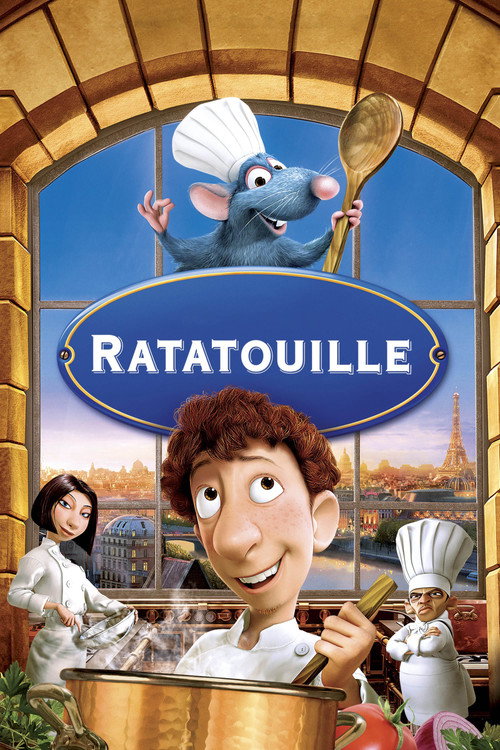
Ratatouille2007
Both are celebrations of appetite, mischief, and human connection set in kitchens and courts. Both find profound joy in the ordinary.
A film about an unlikely outsider making a splash in a hierarchical world through charm and skill, told with warmth and physical comedy. Like Falstaff, it's about appetite, delight, and finding your people. No singing required.
But It's animated and ostensibly for children. Taking animation seriously as art still makes some people scoff.
More like this (8)
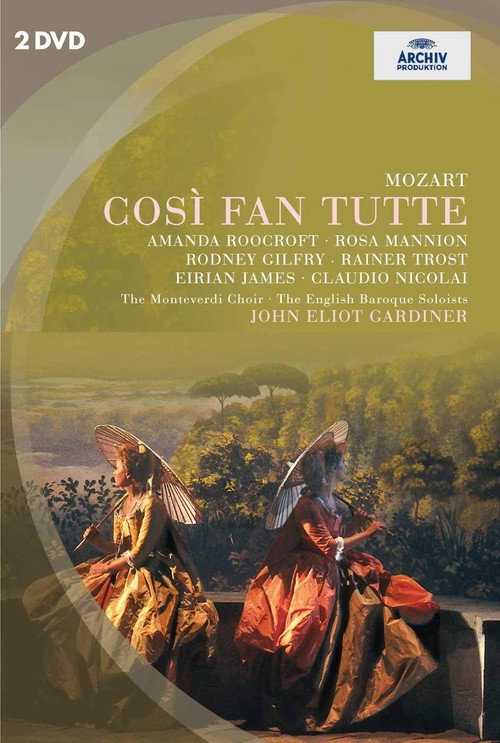
Così fan tutte1992
Peter Sellars sets Mozart's cynical comedy in a modern diner and makes the artifice part of the joke. Inventive, theatrical, and genuinely funny without losing the music's elegance.
But The contemporary setting feels like a gimmick if you come in expecting period authenticity. Some find Sellars's conceptual approach exhausting.
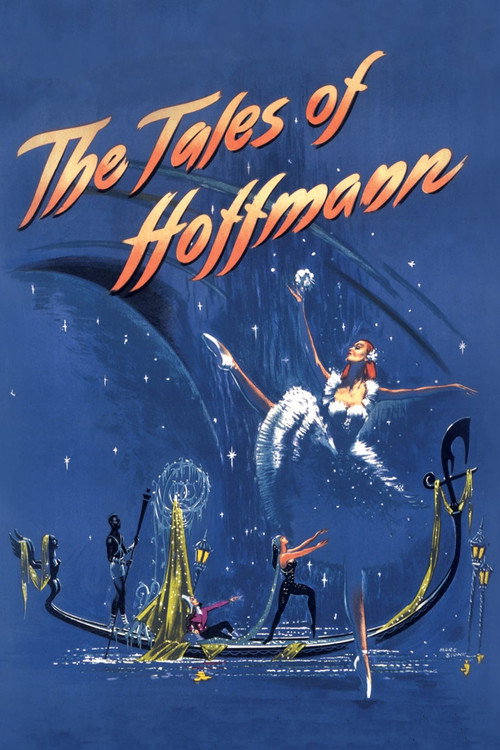
The Tales of Hoffmann1951
Michael Powell and Emeric Pressburger's Technicolor fever dream. Operatic spectacle translated into pure cinema—vivid, weird, utterly alive. Not traditional, but unforgettable.
But It's visually overwhelming and narratively fractured. The tone shifts wildly; some find it incoherent or silly rather than inspired.
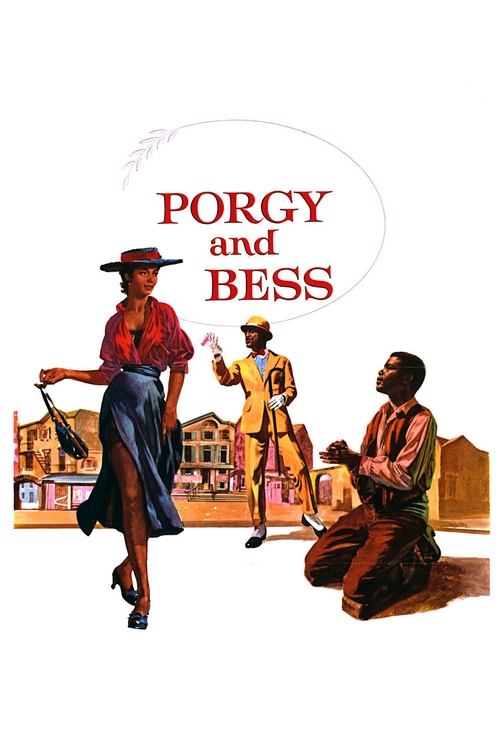
Porgy and Bess1959
Otto Preminger's adaptation of Gershwin's opera has genuine melodic beauty and emotional stakes. A snapshot of mid-century opera on film, ambitious and not always successful but never boring.
But The casting choices and racial politics are deeply uncomfortable by modern standards. It's a difficult watch for that reason.
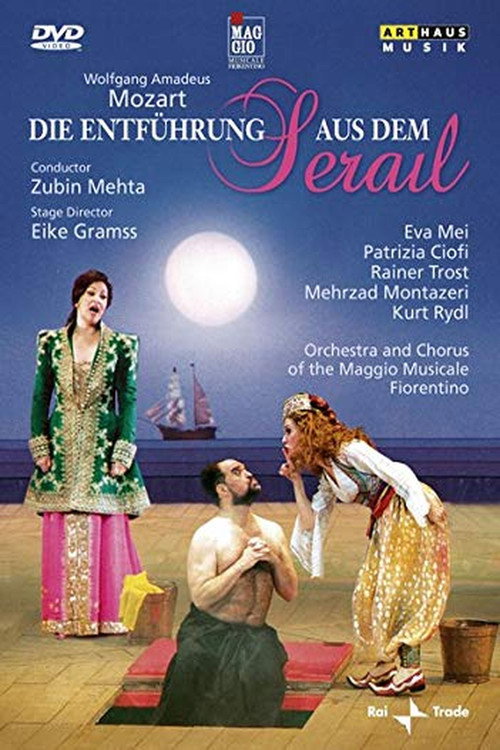
The Abduction from the Seraglio2002
Ingmar Bergman's radiant final film captures Mozart's comic lightness while honoring the emotional intelligence underneath. Humane, beautifully lit, and proof that opera can be intimate.
But Bergman's staging is spare and psychological. If you want spectacle and grand sets, you'll feel the absence keenly.
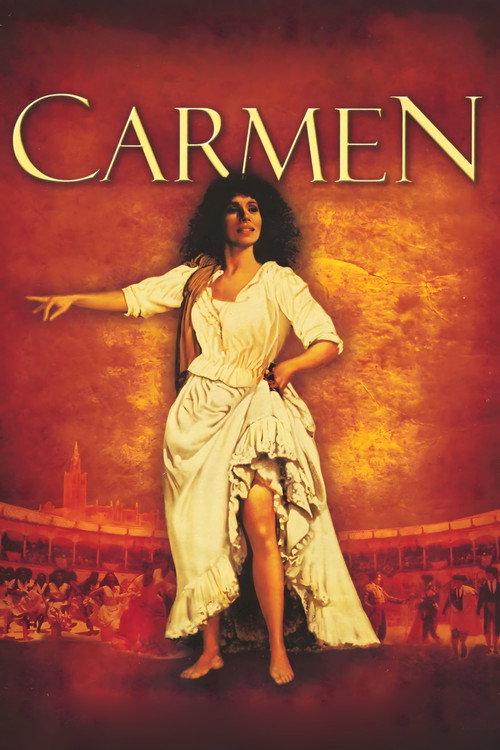
Carmen1984
Francesco Rosi's vivid adaptation restores sexuality and danger to Bizet's opera. The dancing is electrifying, the drama is immediate, and it feels genuinely alive rather than museum-piece formal.
But The violence and misogyny at the story's heart aren't softened. It's darker and more unsettling than many operatic versions.
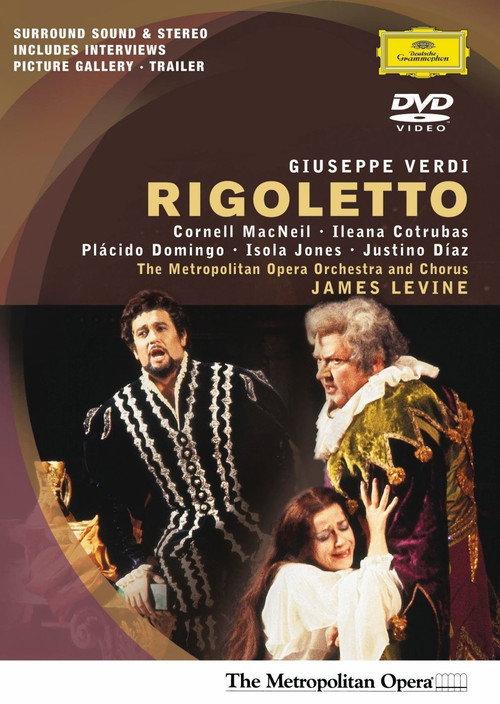
Rigoletto1977
Andrei Konchalovsky updates Verdi to 1930s Fascist Italy. The political undertones become overtones; the curse feels historically earned. Different and thought-provoking.
But Stripping the original period away won't work for everyone. Some will feel the concept overwhelms the music.
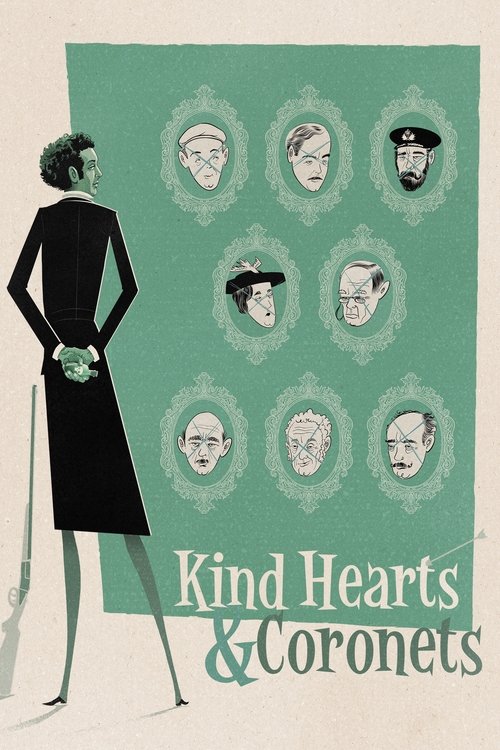
Kind Hearts and Coronets1949
Both are ensemble comedies built on type and disguise, where the joy is in performance and scheming. Character over plot; delight in human variety.
Ealing's blackest comedy about a man murdering his way through the line of succession. Alec Guinness's virtuosic work across eight roles suggests Falstaff's theatrical spirit. Witty, wicked, endlessly clever.
But It's a slow-burn comedy that depends on dialogue and performance rather than plot momentum. Pacing feels theatrical, which alienates some.
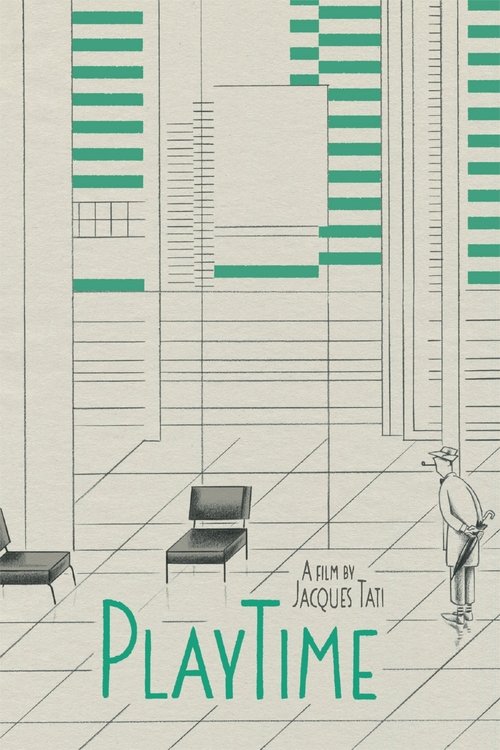
PlayTime1967
Both prize visual and physical comedy over narrative urgency. Both love the texture of human life in all its messy, comedic abundance, and refuse to mock the characters for living in it.
Jacques Tati's silent-era-style masterpiece about modernity and human mess. Shot in 70mm, it's a symphony of slapstick and architectural absurdity. A comic film for people who love language and design equally.
But There's almost no dialogue, it's long, and the joke is diffuse and patient. If you want plot propulsion, you'll be frustrated.
People
Directing
- Götz FriedrichDirector