
Film
Hell-Bound Train
- Fantasy
- Very dark
A 1930 morality play that rides the rails toward damnation. Hell-Bound Train is a fever dream of sin and redemption—part cautionary sermon, part pulp melodrama—where a train full of unrepentant sinners hurtles toward their reckoning. It's genuinely unhinged: a window into what terrified and fascinated audiences about modernity, vice, and the price of pleasure. For viewers curious about silent-era moralizing at its most baroque and unintentionally camp.
If you liked this
Häxan1922
A Swedish silent film that visualizes supernatural horror and moral transgression with the same baroque weirdness and expressionist fervor. Equally committed to scaring you straight, equally mesmerizing in its strangeness.
But It's a documentary-essay hybrid about witchcraft that sprawls across eras and can feel didactic. Very much a film of its time, which means it can be slow and aesthetically distant.

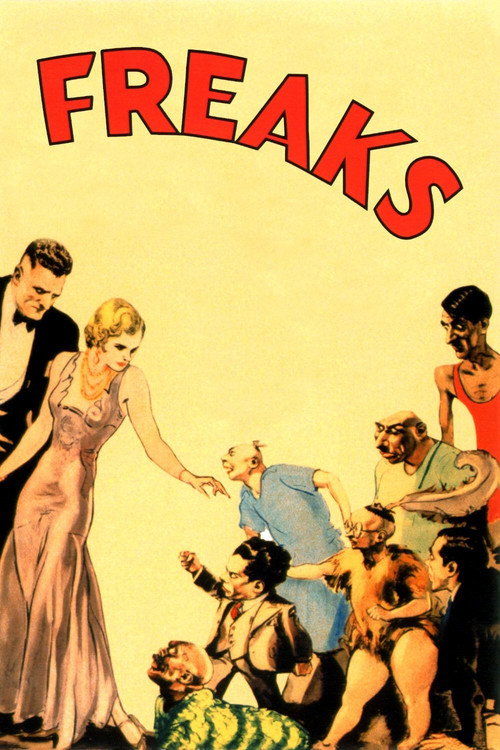
Freaks1932
Made just two years later, Browning's carnival nightmare has the same transgressive energy and refusal to look away from the grotesque. Both are exploitation dressed as morality tales, both utterly unashamed.
But The use of real people with physical differences as spectacle disturbs modern viewers. It's exploitative in ways that feel uncomfortable even when you understand the historical context.
Metropolis1927
German Expressionism at scale: a dystopian sermon about class, corruption, and damnation. Like Hell-Bound Train, it's high-minded and pulpy at once, gorgeous and grotesque, absolutely committed to its apocalyptic vision.
But Nearly three hours of silent cinema with restored sequences that interrupt flow. The politics are muddled and the ending feels compromised by studio interference.

Not sure tonight? Get a pick in a minute, starting from Hell-Bound Train
The wildcard
Something you would not have found on your own.
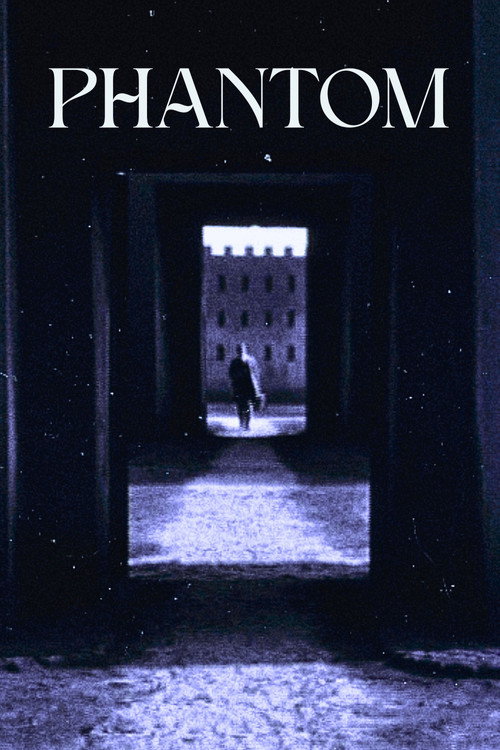
Phantom1922
Both literalize metaphorical journeys toward judgment through impossible architecture and movement; both are propaganda art that transcends propaganda through sheer visual commitment.
A Russian ballet-cinema hybrid set on a phantom ship. It's fever-dream surrealism about damnation and desire, using dance and production design the way Hell-Bound Train uses trains and phantoms: as vectors for moral vertigo.
But The narrative is abstract and dream-logic. If you want plot clarity or conventional character development, this will feel pointless and pretentious.
More like this (8)
The Phantom Carriage1921
Sjöström's masterpiece captures the same moral architecture: a drunken man confronted with spectral judgment, given one night to reckon with his sins. Swedish soul-searching meets supernatural cinema, both devastating and oddly beautiful.
But It's slow, meditative, and demands patience. The emotional register is melancholy rather than sensational, which can feel restrained after the first hour.

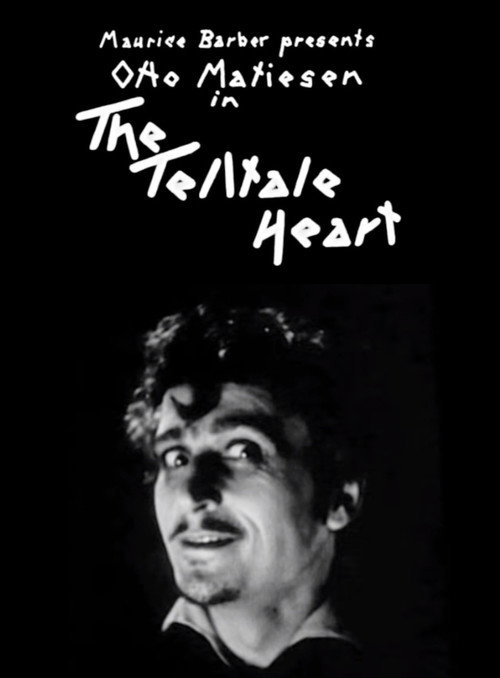
The Telltale Heart1928
Poe adapted for silent screen: a man tormented by guilt and conscience, his sanity collapsing under the weight of transgression. The interior chaos matches Hell-Bound Train's visual delirium perfectly.
But It's extremely short and feels more like a sketch than a complete film. The acting is broad even by silent standards, and the cinematography is uneven.
Nosferatu1922
German Expressionist horror about invasion, contamination, and moral reckoning. It shares the apocalyptic dread and visual intensity; both are nightmares about what society most fears.
But It's genuinely creepy in ways that can be off-putting if you want entertainment rather than atmosphere. And vampire films have been made thousands of times since; this one can feel slow.

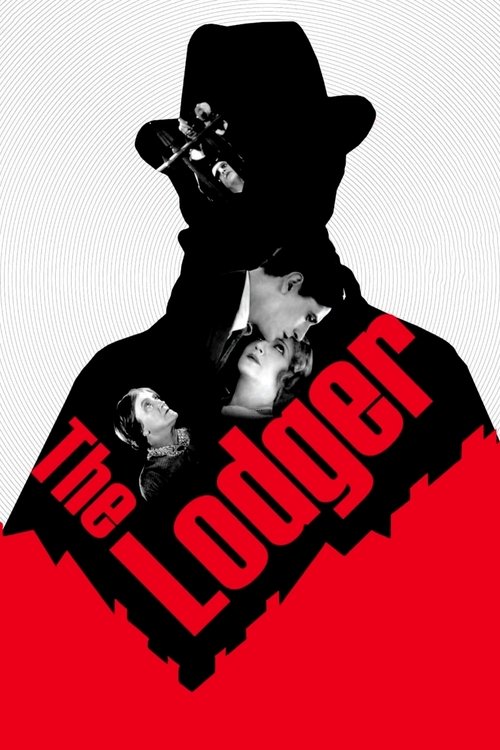
The Lodger: A Story of the London Fog1927
Hitchcock's London serial killer film: paranoia, accusation, and the fine line between guilt and innocence. Like Hell-Bound Train, it traps people in enclosed spaces with something predatory and inescapable.
But The plot is thin and the pacing can drag. Silent film acting conventions can feel overwrought, especially in scenes of emotional climax.
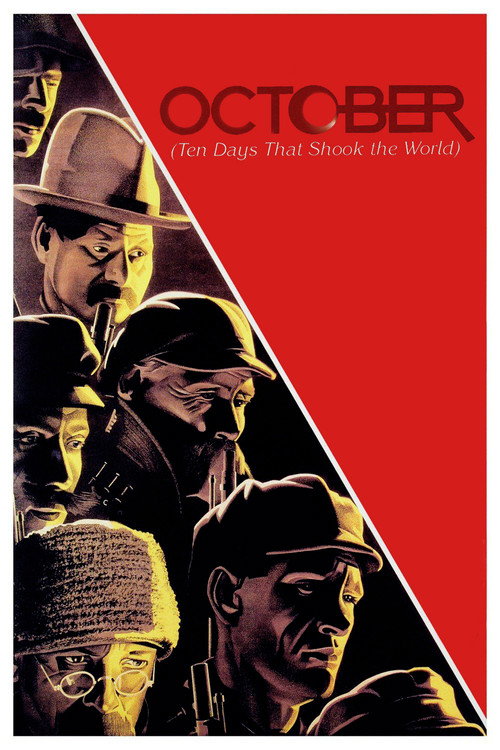
October (Ten Days that Shook the World)1928
Eisenstein's revolutionary epic uses montage and visual chaos to depict collective moral transformation. Like Hell-Bound Train, it's propaganda art—but with such formal audacity that it transcends its sermon.
But It's almost four hours, densely symbolic, and requires real engagement. Soviet revolutionary fervor as aesthetic principle isn't everyone's idea of entertainment.
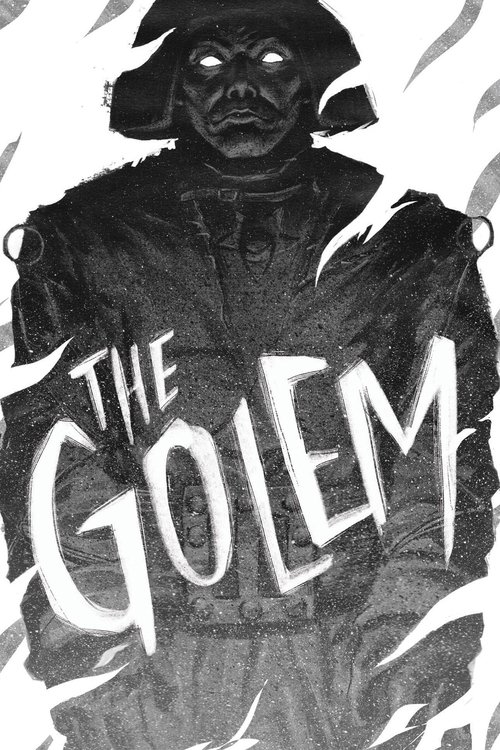
The Golem: How He Came into the World1920
Czech expressionist fantasy about a creature summoned to protect Prague's Jews. It shares Hell-Bound Train's commitment to visual grotesquerie and the supernatural as moral force—dread made incarnate.
But The restoration is incomplete in some versions, and the pacing is mannered. The folklore elements can feel obscure to viewers unfamiliar with Jewish tradition.
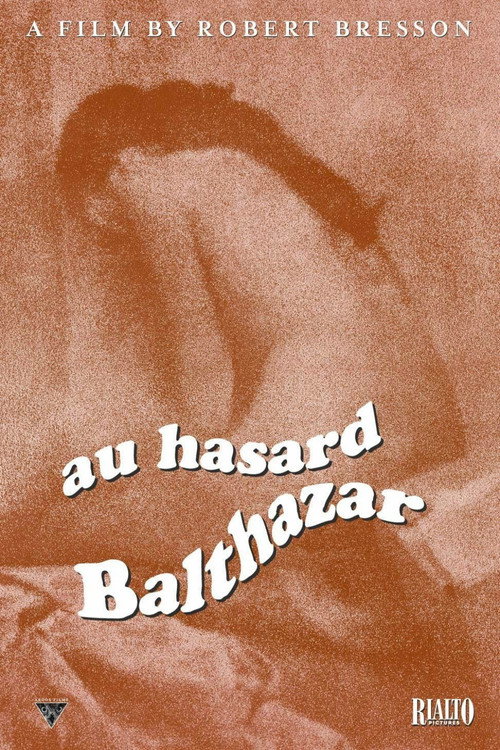
Au Hasard Balthazar1966
Both are morality narratives that make the audience complicit in witnessing cruelty; both ask hard questions about who judges and by what right. One accuses sinners directly; the other makes us confront what we permit.
Bresson's film follows a donkey as it passes through human hands, each owner a study in cruelty or kindness. It's a radical inversion of Hell-Bound Train's judgmental framework: instead of sinners awaiting damnation, we see animals suffering human sin without recourse or redemption.
But It's deliberately austere and punishing. Bresson's minimalism can feel like punishment rather than art, and animal suffering—however spiritually framed—is difficult to watch.
Meshes of the Afternoon1943
Both depict inescapable descent through spatial impossibility; both use cinema's ability to collapse time and repeat to render judgment as architectural trap. One's moral, one's psychological—but the formal machinery is identical.
Maya Deren's experimental short is a two-minute loop of a woman's descent into nightmare and death—a personal apocalypse rendered through pure cinema. It captures Hell-Bound Train's sense of inexorable doom and cyclical damning, but as intimate psychology rather than moral sermon.
But It's less than four minutes long and entirely abstract. There is no plot, no dialogue, no conventional narrative. If you need those things, this will feel unfinished.

People
Directing
- Eloyce GistDirector
- James GistDirector
Writing
- Eloyce GistWriter
- James GistWriter