
Film
Joan the Maid II: The Prisons
- Period drama
- Very dark
Jacques Rivette's second half of his Joan of Arc epic is a stark, demanding portrait of capture, interrogation, and spiritual defiance. Nearly three hours of trial and imprisonment, filmed with austere beauty and virtually no music. For those willing to sit with historical trauma and medieval theology rendered as lived experience—not spectacle.
If you liked this
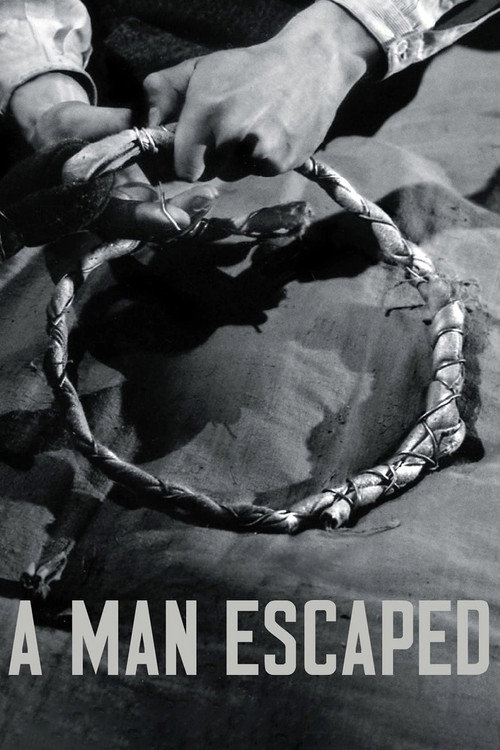
A Man Escaped1956
Bresson's minimalist masterpiece about a French Resistance prisoner's meticulous escape. Like Rivette's Joan, it finds transcendence in confinement, treating imprisonment as a space of moral clarity rather than mere suffering.
But Extremely slow and austere. The escape itself feels almost incidental to the spiritual meditation. Demands patience most modern viewers simply don't have.
The Last Temptation of Christ1988
Scorsese's Christ is tormented, doubting, flesh-and-blood—much like Rivette's Joan. Both films stage theology as interior struggle, not certainty. Both invite you into the agony of faith tested under pressure.
But Divisive and sometimes ponderous. The mystical scenes can feel overwrought compared to Rivette's restraint. Three hours-plus and not everyone finds Scorsese's Jesus compelling.
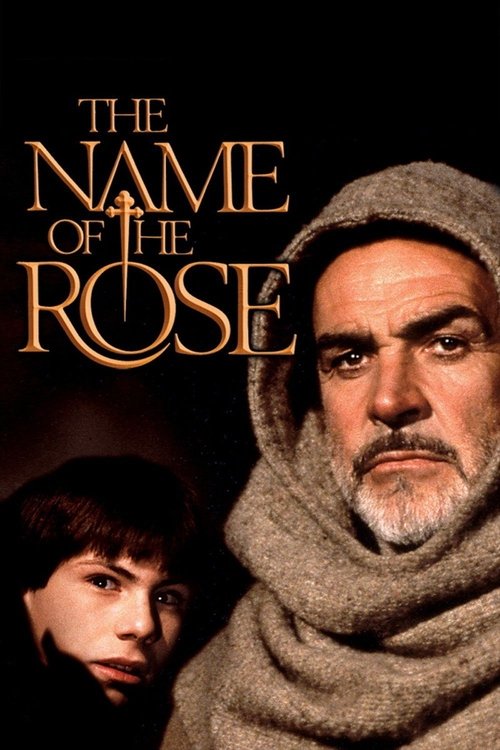
The Name of the Rose1986
Medieval church politics, theological debate, and murder. Like Joan the Maid II, it treats history as a space where ideas have bodies and consequences, where power corrupts institutional purity.
But Mystery structure can feel schematic. Umberto Eco's novel is richer; the film sometimes settles for costume drama instead of genuine intellectual unease.
Not sure tonight? Get a pick in a minute, starting from Joan the Maid II: The Prisons
The wildcard
Something you would not have found on your own.
Jeanne Dielman, 23, quai du Commerce, 1080 Bruxelles1976
Both use extreme length and ritualistic repetition to transform a female body into a site of historical and spiritual investigation. Both are acts of witnessing that refuse sentimentality.
Chantal Akerman's three-hour chronicle of a woman's daily rituals—cooking, cleaning, accounting, sex work. Like Rivette, Akerman photographs the sacred in routine repetition. Both treat time itself as the subject. A woman's body and labor become the film's true interrogation.
But There is almost no conventional drama. You watch a woman fold sheets and prepare meals in real time. The radical formal choice will feel like punishment if you're watching for plot.

More like this (8)
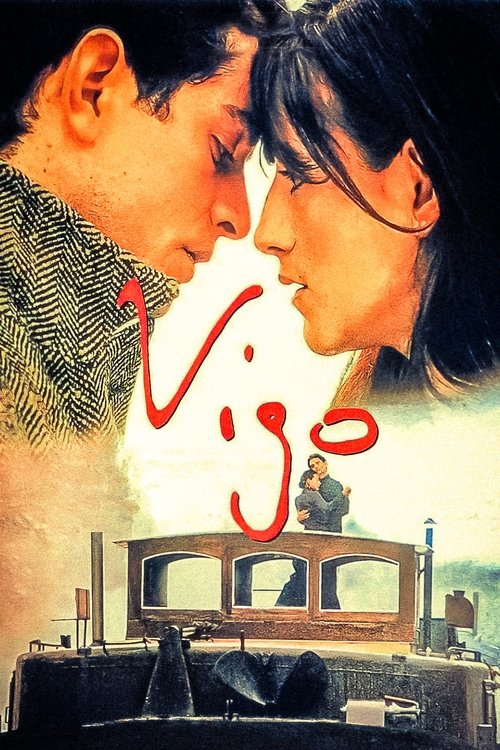
Vigo1998
A film about an artist destroyed by institutions that cannot contain his vision. Shares Rivette's interest in how power systems grind down individual conscience and creativity.
But Biopic conventions soften what could be angrier. Some scenes feel like dutiful illustration rather than lived experience.
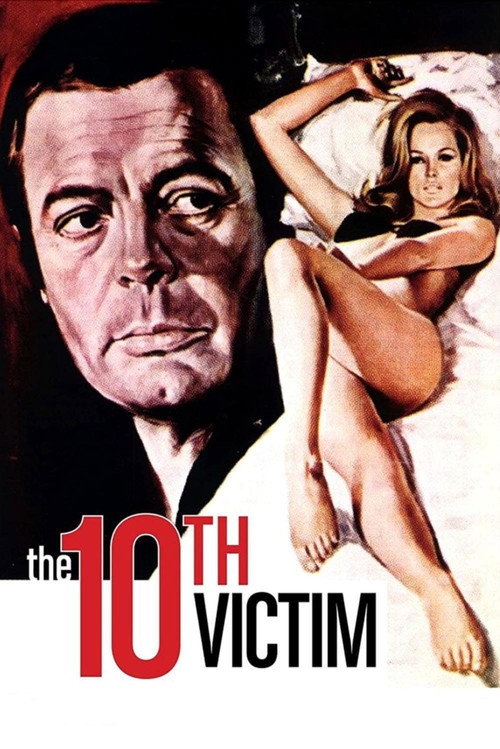
The 10th Victim1965
Elio Petri's playful, disorienting near-future film. Like Rivette, Petri trusts the viewer to assemble meaning from fragmented, non-linear storytelling. Both demand active watching.
But The tonal shifts between satire and darkness can feel jarring. What seems like 1960s fun-and-games will alienate anyone wanting conventional narrative coherence.
Winter Light1963
Bergman's shortest masterpiece about a pastor's crisis of faith. Spare, gray, interior—the visual and spiritual twin to Rivette's Joan. Both ask what happens when belief fails under scrutiny.
But Unrelentingly bleak and abstract. No plot to speak of, just existential dread in a Swedish winter. Can feel less like cinema and more like penance.

The Leopard1963
Visconti's epic about historical change and the collapse of old orders. Like Joan the Maid II, it photographs the moment when power shifts and the individual becomes obsolete. Ravishing cinematography compensates for the length.
But Nearly three hours of aristocratic ennui. Some find it glacially paced. The famous ballroom scene can feel like it's testing your endurance rather than moving you.

Stalker1979
Tarkovsky's metaphysical journey through a contested zone. Like Rivette's trial sequences, every moment feels weighted with meaning. Both films make emptiness feel full, stillness feel active.
But Nearly three hours of people walking through rooms and fields discussing desire. Hypnotic for some, tedious torture for others. Requires a very specific kind of patience.

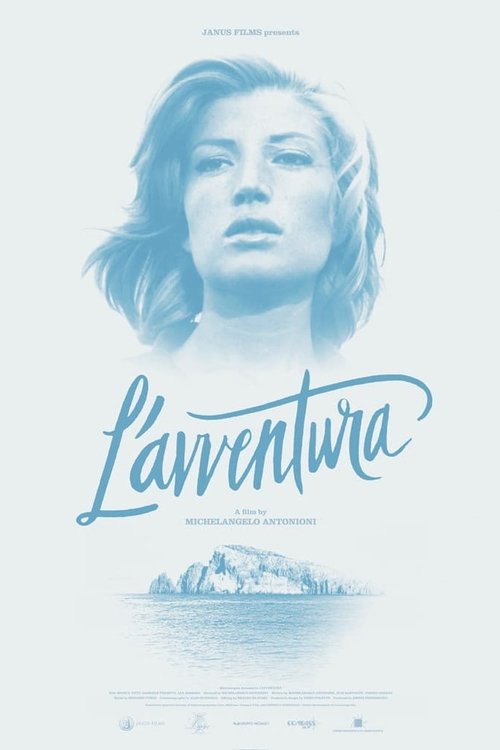
L'Avventura1960
Antonioni's portrait of moral and emotional drift among the privileged. Like Rivette, he finds drama in what characters *don't* say, in the spaces between dialogue. Both are patient with ambiguity.
But Nothing happens, then nothing happens again. A woman disappears and the film seems not to care. Demands viewers bring their own emotional investment.
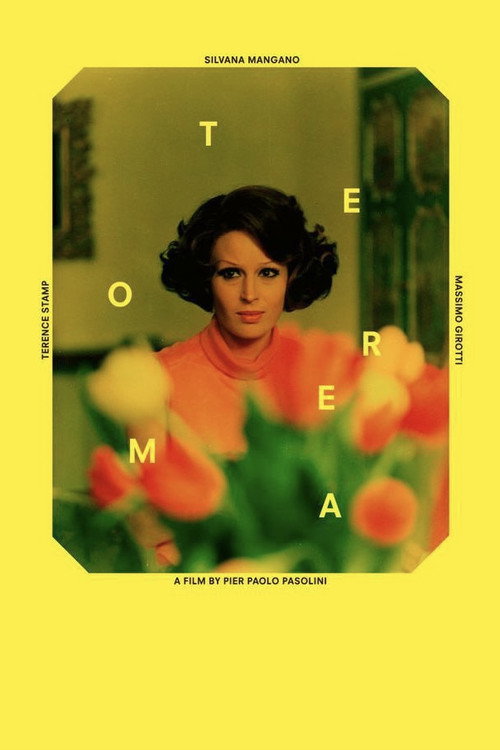
Theorem1968
Both films use an outsider—Joan, Pasolini's stranger—whose presence forces institutions and individuals to confront their own emptiness. Both are anti-humanist portraits of transformation through violation.
Pasolini's algebraic fever-dream about a beautiful stranger who arrives at a bourgeois family and unmakes them. Obscure, provocative, and structurally brilliant—a spiritual interrogation disguised as melodrama. Like Rivette, Pasolini uses cinema to stage metaphysical assault.
But The film is cryptic and sometimes feels deliberately oblique. The final sequences push into surrealism and body horror that can read as pretentious. Not historically grounded like Joan; deeply symbolic instead.
Synecdoche, New York2008
Both Rivette and Kaufman are interested in the gap between what we try to represent and what actually exists. Both use duration and formal difficulty to make that gap visible and painful.
Kaufman's labyrinthine film about an artist constructing a life-size replica of New York inside a warehouse. Like Rivette's Joan, it's fundamentally about the impossibility of representation—how art fails to contain reality, how the body resists metaphor. Three-hour endurance test that pays off.
But Aggressively abstract and self-referential. The plot becomes deliberately incomprehensible. Some will find it brilliant; others will feel deliberately excluded. Not a historical film; deeply interior and modern.

People
Cast
 Sandrine BonnaireJeanne d'Arc
 André MarconCharles, Dauphin de France
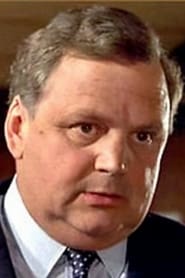 Jean-Louis RichardLa Trémoille
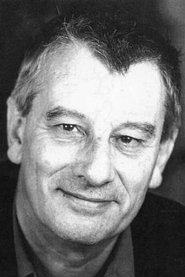 Marcel BozonnetRegnault de Chartres
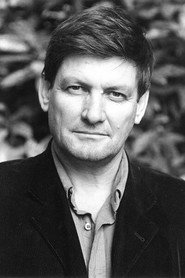 Patrick Le MauffJean, Bâtard d'Orléans
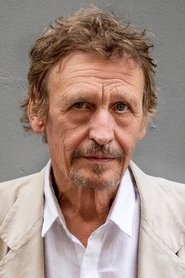 Didier SauvegrainRaoul de Gaucourt
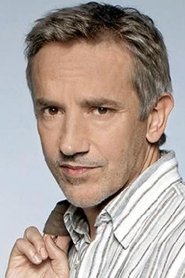 Jean-Pierre LoritJean d'Alençon
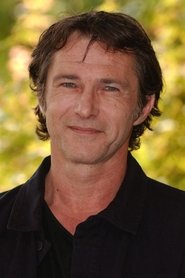 Bruno WolkowitchGilles de Laval
- Romain LagardeNicolas
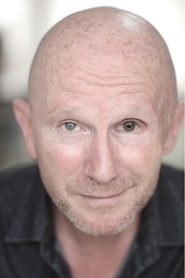 Yann ColletteJean de Luxembourg
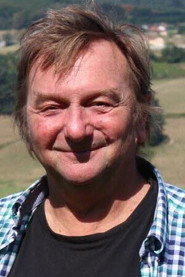 Jean-François LapalusMartin Ladvenu
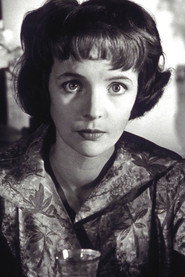 Édith ScobJeanne de Béthune
Directing
- Jacques RivetteDirector
Writing
- Christine LaurentDialogue
- Pascal BonitzerDialogue
- Christine LaurentWriter
- Pascal BonitzerWriter
Production
- Martine MarignacProducer