
Film
Sympathy for the Devil
Other titles called Sympathy for the Devil: the 2023 film.
Godard's 1968 provocation splices The Rolling Stones rehearsing their new single with fragmented vignettes of revolution, racism and decay. It's deliberately difficult, essayistic, and impatient with narrative—a film that argues with you as much as shows you. For viewers hungry to see radical form matched to radical content, or curious how a Godard film actually *feels* to inhabit.
If you liked this
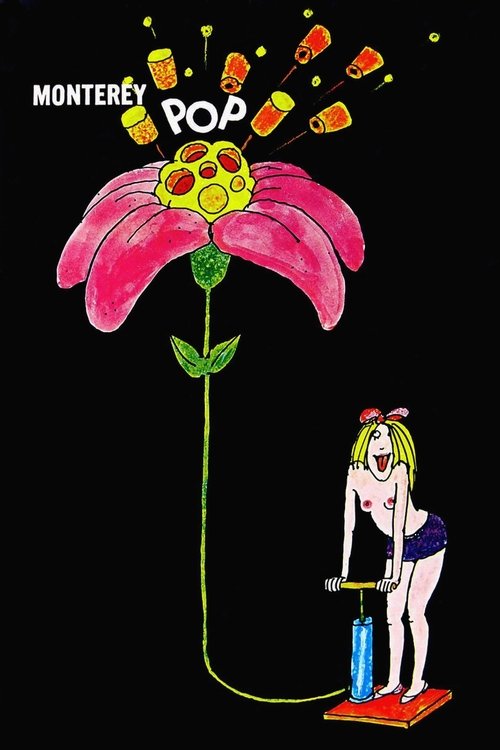
Monterey Pop1968
D.A. Pennebaker's documentary captures the 1967 festival with fluid, unobtrusive camera work that lets the music and personalities breathe. The Stones aren't here, but the energy of that moment—the moment Godard was trying to anatomise—is vividly alive.
But It's pleasantly straightforward in a way that feels almost quaint now. If you want Godard's urgency and fragmentation, this is the opposite.
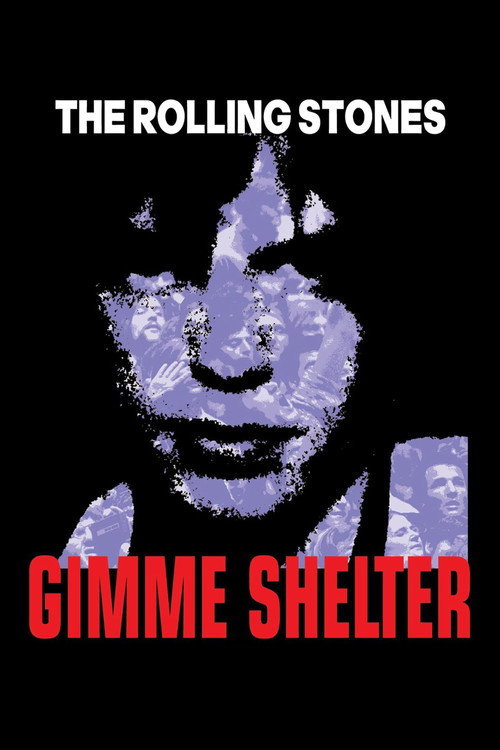
Gimme Shelter1970
The Maysles brothers document the Rolling Stones' 1969 US tour, culminating in Altamont. It's a rock documentary that transforms into something darker—paranoia, violence, and the death of the sixties captured in real time.
But Some sequences are genuinely disturbing. The film doesn't soften the tragedy at its centre, and the Stones' response to it is complicated in ways that might infuriate you.
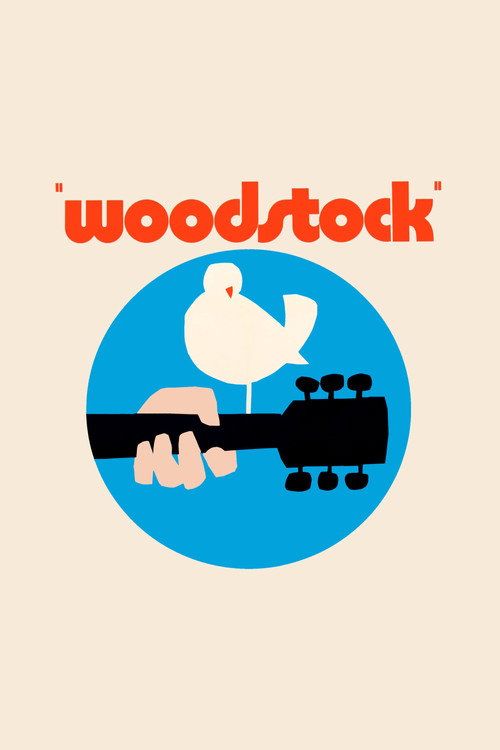
Woodstock1970
Michael Wadleigh's three-hour chronicle of the festival is rapturous and meticulously edited. You get not just the music but the logistics, the mud, the communal idealism—what 1968's generation thought it was building.
But At three hours, it can feel more monument than film. Some performances haven't aged as gracefully as others, and the optimism it documents was soon to curdle.
Not sure tonight? Get a pick in a minute, starting from Sympathy for the Devil
The wildcard
Something you would not have found on your own.
The Holy Mountain1973
Both use fragmentation and refusal of narrative comfort as political and spiritual acts. Both believe cinema must jolt viewers awake rather than let them sleep.
Jodorowsky's baroque surrealist rampage uses sex, religion, politics, and visual absurdity as weapons. It's formally radical and spiritually urgent in ways that make Godard look like a realist—and it shares his conviction that cinema should disturb consciousness, not comfort it.
But It's deliberately obscene and transgressive. Nudity, violence, scatological imagery, and genuinely unsettling moments. This is not entertainment; it's an assault on your assumptions.

More like this (7)
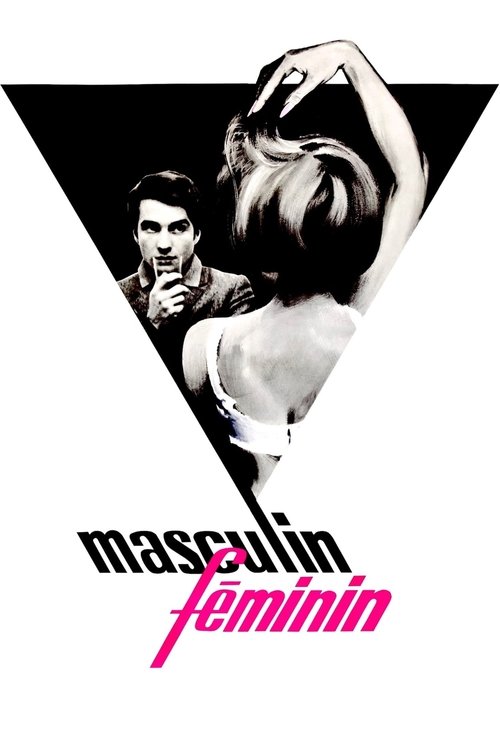
Masculin Féminin1966
Another Godard, two years before Sympathy. It's the essential primer for his method: conversations interrupt narrative, pop songs interrupt dialogue, philosophy interrupts plot. It's about young people in 1966 Paris, but it *feels* like Godard thinking aloud about modernity.
But No story to hold onto. The characters often feel like ideas wearing faces. If you haven't seen much Godard, this might feel frustratingly abstract rather than urgent.
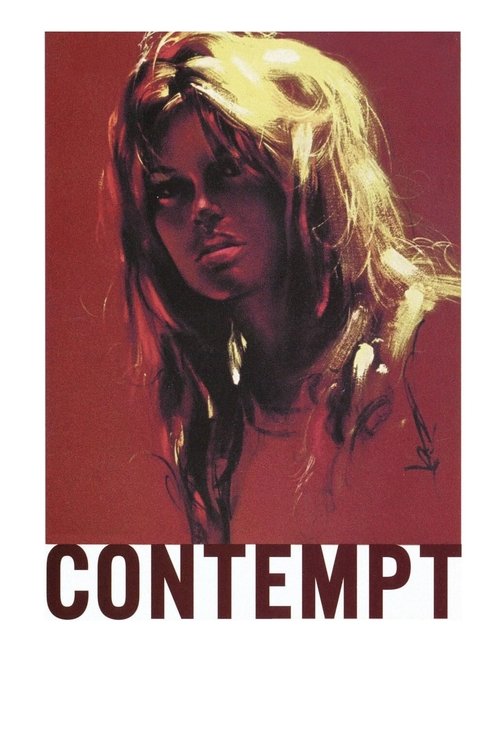
Contempt1963
Godard's masterwork, partly because it's more legible than his later work but no less radical. A marriage and a film-within-the-film crumble in parallel. The colours are gorgeous, the ideas are devastating, and Brigitte Bardot is luminous.
But Even 'accessible' Godard can feel glacial. The film moves at its own pace, and that pace is not yours.
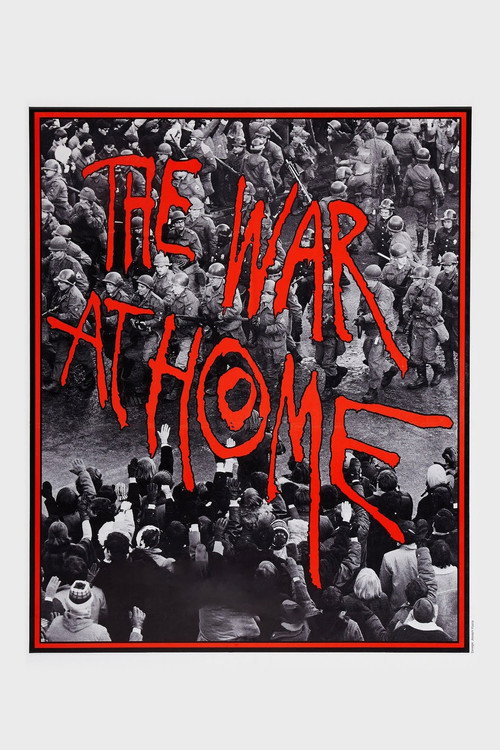
The War at Home1979
Glenn Silber and Barry Alexander Brown's documentary intercuts archival footage of the Vietnam War with footage from Madison, Wisconsin—showing the domestic conflict tearing America apart. It's montage as argument, close to Godard's method but more grounded.
But It's dense and demands your attention. The editing can be overstimulating, and the politics don't soften the edges with humor.
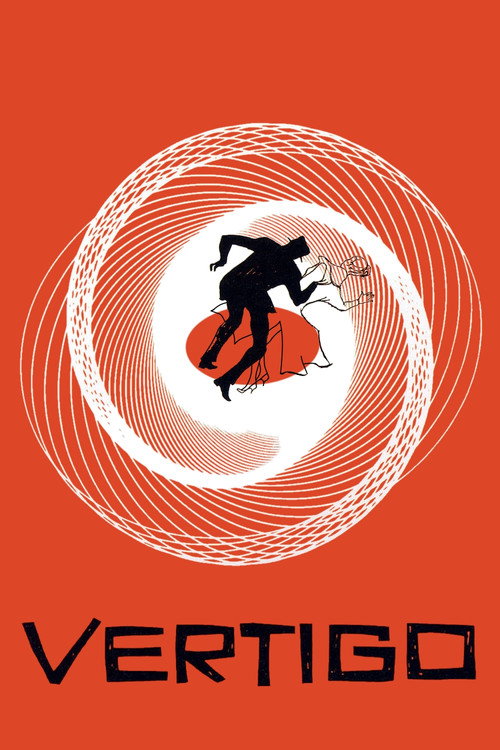
Vertigo1958
Hitchcock's formal brilliance—the spirals, the repetitions, the colour palette—transforms a noir plot into something hallucinatory. It rewards the kind of close, reflexive viewing that Godard demands, but wraps it in genuine suspense.
But The gender dynamics are deeply uncomfortable by modern standards, and Hitchcock's camera lingers on the female body in ways that feel predatory.
Stalker1979
Tarkovsky's methodical sci-fi meditation on desire and faith. Like Sympathy for the Devil, it uses cinema to ask questions rather than answer them. Gorgeously patient filmmaking that trusts the viewer completely.
But At 163 minutes, its slowness is a feature, not a bug—but that means long stretches of walking and talking in grey Soviet landscapes. It will test your definition of cinema.

La Haine1995
Both diagnose the violence of systems—capitalism, colonialism, state power—through the lens of youth and marginality. Both use cinema's form itself as argument.
Mathieu Kassovitz's black-and-white thriller about a day in the Paris banlieue—three young men navigating poverty, racism, and state violence. It has Godard's social urgency and formal inventiveness, but wrapped in a narrative momentum that actually grabs you by the throat.
But The violence is shocking, including a deeply disturbing scene of police brutality. The nihilism is real. Some viewers find it punishing rather than clarifying.

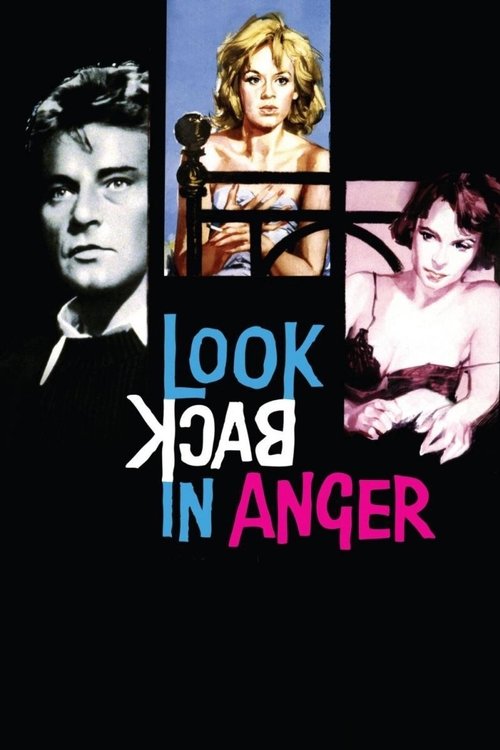
Look Back in Anger1959
Both are 1960s diagnoses of cultural breakdown and masculine rage. Godard's collage technique and Richardson's intimate drama reach toward the same sickness from opposite directions, asking what happens when idealism curdles into resentment.
Tony Richardson's adaptation of John Osborne's play is a kitchen-sink howl of male rage and generational resentment. It's British social realism at its rawest, made just years before Sympathy for the Devil, and it captures the same post-war exhaustion and anger in a completely different register.
But Jimmy Porter is almost unbearably unpleasant. He's selfish, cruel, and articulate in his cruelty—the film doesn't redeem him, and neither does the script. You have to sit with that for two hours.
People
Cast
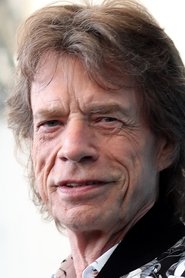 Mick JaggerSelf
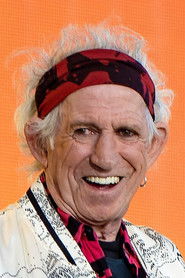 Keith RichardsSelf
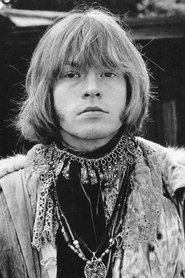 Brian JonesSelf
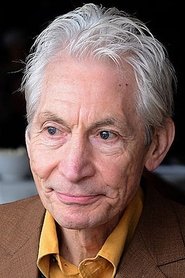 Charlie WattsSelf
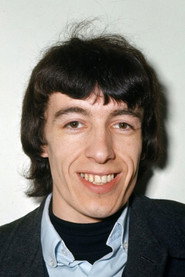 Bill WymanSelf
 Anne WiazemskyEve Democracy
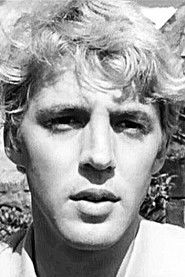 Iain QuarrierFascist Porno Book Seller
- Frankie DymonBlack Power Militant
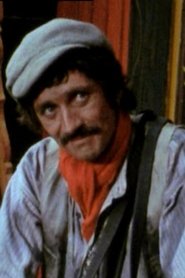 Sean LynchCommentary (voice)
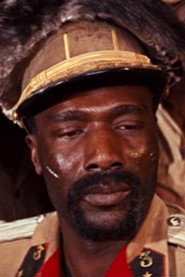 Danny DanielsBlack Power Militant
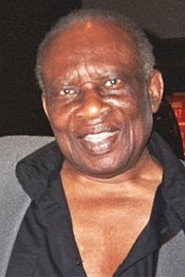
- Roy StewartBlack Power Militant
Directing
- John StonemanAssistant Director
- Tim Van RellimAssistant Director
- Valerie BoothContinuity
- Jean-Luc GodardDirector
Writing
- Jean-Luc GodardWriter
Production
- Eleni CollardExecutive Producer
- Iain QuarrierProducer
- Michael PearsonProducer
- Berenice AdamsProduction Assistant
- Clive FreedmanProduction Manager
- Paul De BurghProduction Manager
- Jacqueline NellistProduction Secretary
Recommended by
Saviour of the Soul, The Gospel According to St. Matthew, Ava's Possessions, The Merchant of Venice, La Chinoise, Dim Sum Funeral, The Crimson Rivers, Blind Woman's Curse, Be Cool, A German Youth, Violent City, The Magician, Get Yer Ya-Ya's Out!: The Rolling Stones in Concert, Street Mobster