
Film
A German Youth
A rigorous documentary essay on the Red Army Faction, tracing how idealistic West German students and intellectuals of the late 1960s became urban guerrillas. Using archive footage, interviews, and theoretical argument, it examines the moment when radical critique transforms into violence—a film that refuses easy judgment while refusing to look away. Essential viewing for anyone trying to understand how conviction calcifies into terror.
Should you watch it?
Watch it if you are drawn to history told through raw found footage, where the images do the arguing and you're left to weigh the politics yourself.
Skip it if you want a narrator guiding you through the Baader-Meinhof story, or characters with inner lives; this offers faces and speeches, with little explanation.
What it asks of you: Ninety-three minutes of archive footage, its pace set by the images rather than by a story, so you need to bring your own sense of the period and keep watching closely.
Not sure? Find tonight's pick in a minute.
If you liked this
The Battle of Algiers1966
Gillo Pontecorvo's masterpiece about colonial insurgency and counterinsurgency remains the definitive film on how revolutionary movements form and how states respond. Its formal brilliance makes the moral complexity unbearable—exactly what you need before or after *A German Youth*.
But Shot in stark black and white with a deliberately didactic style. It can feel like a lecture, and the pacing is methodical rather than propulsive.

The Act of Killing2012
Joshua Oppenheimer's documentary gets Indonesian mass murderers to reenact their own killings. It's a radical formal gamble that reveals how perpetrators narrate themselves, similar to how *A German Youth* explores how ideology justifies action.
But Deeply disturbing and sometimes almost unbearable to watch. The film's method—asking killers to perform—will trouble some viewers on ethical grounds.

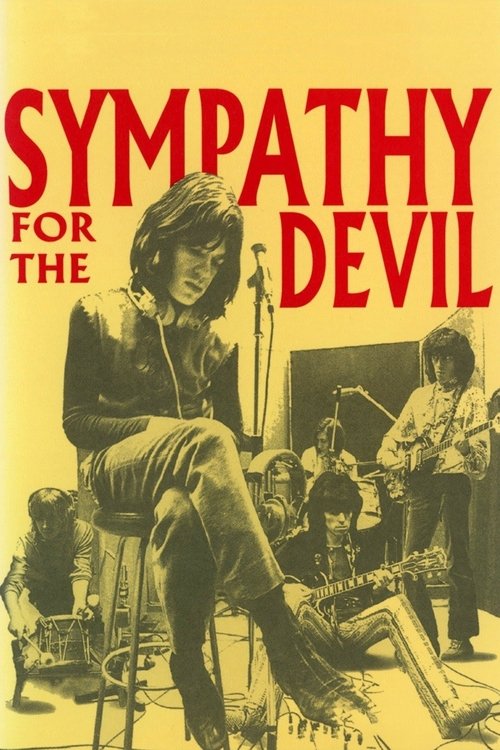
Sympathy for the Devil1968
Godard's film about the Rolling Stones captures the exact moment of late-60s radicalism crystallizing, with the director himself a visible presence interrogating the boundary between art and politics. Direct context for understanding the intellectual ferment behind the RAF.
But Structurally chaotic and deliberately difficult. Godard doesn't explain himself, and the film feels more like a provocation than a finished work.
Not sure tonight? Get a pick in a minute, starting from A German Youth
The wildcard
Something you would not have found on your own.
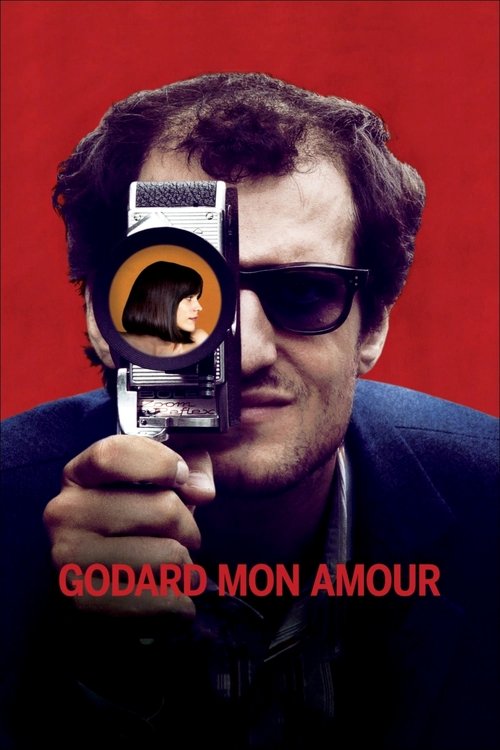
Godard Mon Amour2017
*A German Youth* uses Godard footage; this film shows who he was and what he believed during the exact years the documentary covers, making them perfect companion pieces.
Anne Wiazemsky's memoir of her marriage to Jean-Luc Godard during his most radical period (and his involvement with the Dziga Vertov Group) gives intimate access to the intellectual and personal ferment that *A German Youth* documents from the outside. It's a portrait of a specific moment when cinema and politics seemed inseparable.
But It's a French biopic made by and centered on a woman, which means it sometimes prioritizes personal drama over the larger historical questions. Some viewers will find it too intimate and not political enough.
More like this (6)
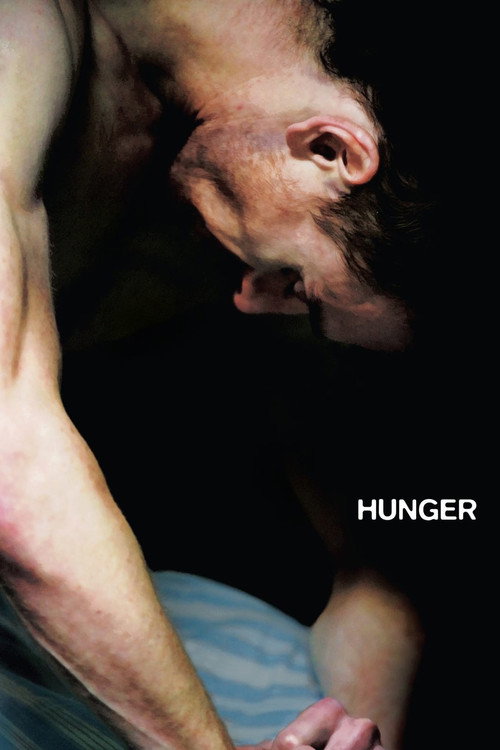
Hunger2008
Steve McQueen's film about IRA prisoner Bobby Sands uses long, unbroken takes to make political imprisonment physically unbearable to witness. It shares *A German Youth's* refusal to sentimentalize or simplify political violence and its costs.
But Extremely austere formally and emotionally punishing. The final section is deliberately hard to endure, which is rather the point but also means it's not easy viewing.
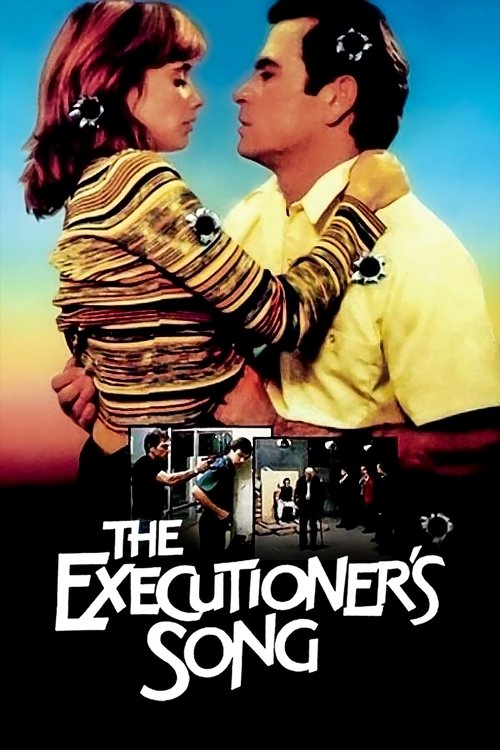
The Executioner's Song1982
Tommy Lee Jones in Lawrence Schiller's adaptation of Norman Mailer's book about Gary Gilmore's execution. It grapples with how a person becomes a symbol, and how ideology—in this case Gilmore's—can drive someone toward their own destruction.
But Made for TV in 1982, which shows in the production design and pacing. It's also very long and moves between registers in ways that can feel uneven.
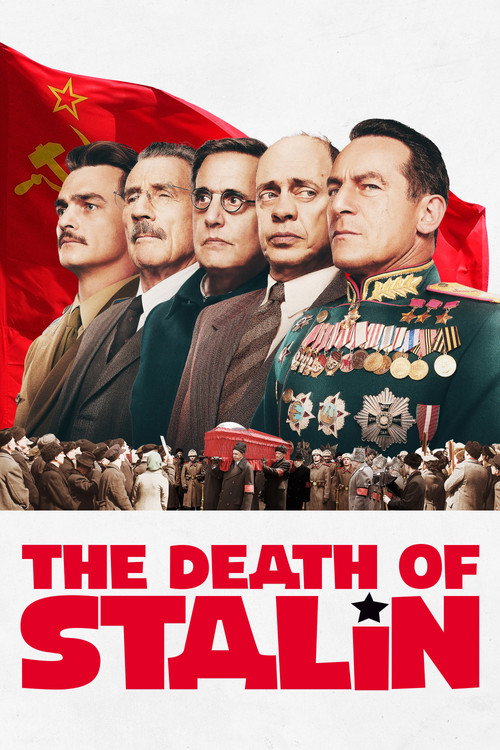
The Death of Stalin2017
Armando Iannucci's black comedy about Soviet bureaucracy after Stalin explores how ideology becomes mere careerism and performance. It's a completely different register from *A German Youth*, but asks similar questions about power, conviction, and self-deception.
But The comedy might feel inappropriate if you're expecting something solemn. It's also very Russian-politics-focused, so you need some baseline knowledge to fully track it.
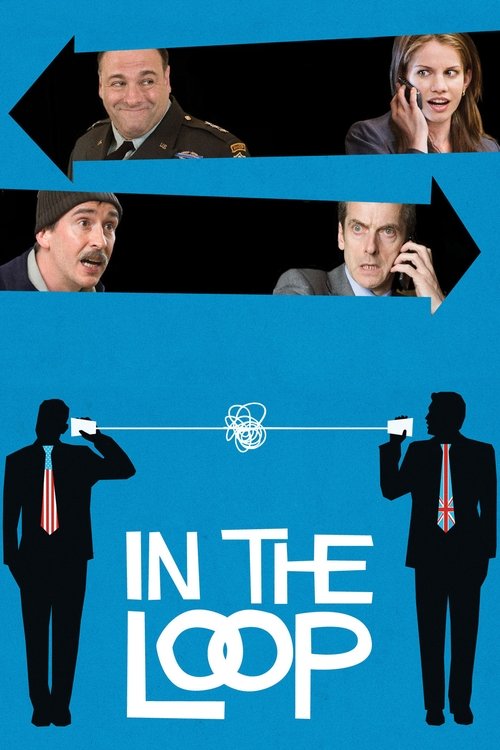
In the Loop2009
Armando Iannucci's savage comedy about political spin and the Iraq War shows how ideology is weaponized through language and theater. It's the inverse of *A German Youth*—examining how power performs rather than how dissent radicalizes—but it's asking the same questions about rhetoric and reality.
But Relentlessly cynical and very sweary. If you want to feel hopeful about politics, this is the wrong film.
Identification of a Woman1982
Michelangelo Antonioni's late film follows a filmmaker trying to understand desire, cinema, and truth through his relationships. It's formally demanding and asks how we can ever know another person—a question that haunts *A German Youth* without being explicitly asked.
But Slow, enigmatic, and deliberately unresolved. Antonioni offers no comfort or clear meaning, and the film's beauty can feel cold.
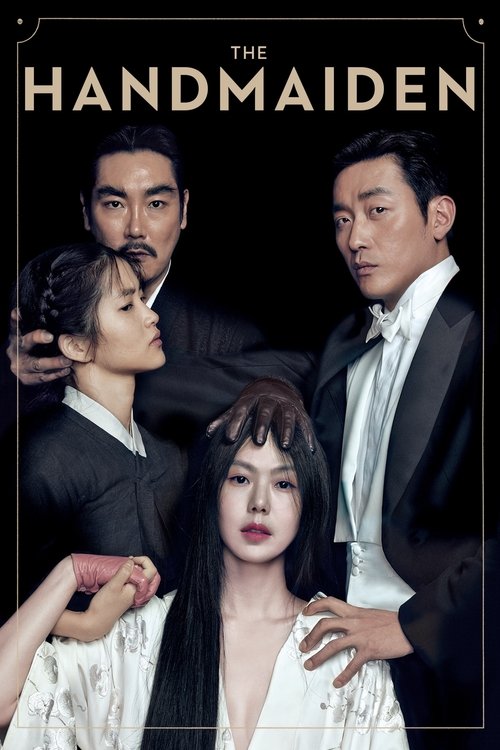
The Handmaiden2016
Both films argue that how a story is told is inseparable from what it means. *A German Youth* uses documentary form to interrogate truth; *Handmaiden* uses fiction and formal games to show how all narratives are constructed and potentially deceptive.
Park Chan-wook's intricate thriller about con artists in 1930s Korea uses formal trickery and genre play to examine how ideology, desire, and manipulation interweave. It's a completely different beast from *A German Youth*, but it shares an obsession with how people rationalize what they do and how narratives can imprison you.
But The plot is deliberately convoluted and reveals shift perspective repeatedly. If you want clarity, this film actively works against you. It's also fairly erotic in ways that might feel unrelated to its political ideas.
People
Cast
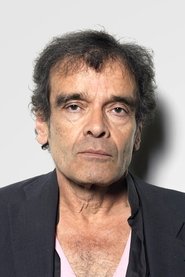 Harun FarockiSelf (archive footage)
- Philip W. SauberSelf (archive footage)
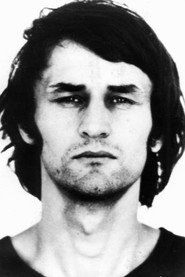 Holger MeinsSelf (archive footage)
 Helke SanderSelf (archive footage)
 Jean-Luc GodardSelf (archive footage)
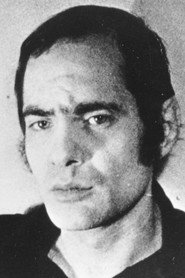 Andreas BaaderSelf (archive footage)
 Gudrun EnsslinSelf (archive footage)
 Ulrike MeinhofSelf (archive footage)
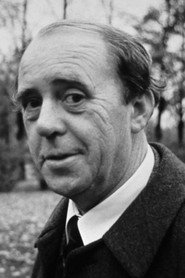 Heinrich BöllSelf (archive footage)
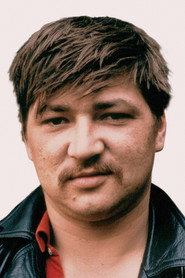 Rainer Werner FassbinderSelf (archive footage)
Directing
- Jean-Gabriel PériotDirector
Recommended by
Stolz der Nation, The Decent One, The Bridge, What Our Fathers Did: A Nazi Legacy, Hitler: The Last Ten Days