
Film
Identification of a Woman
Michelangelo Antonioni's elliptical meditation on desire, cinema, and the impossibility of truly knowing another person. A film director, recently abandoned, drifts through a series of encounters with women—each more elusive than the last—while attempting to cast a movie about women themselves. Formally restless and emotionally glacial, it's for viewers who find mystery more compelling than revelation.
If you liked this
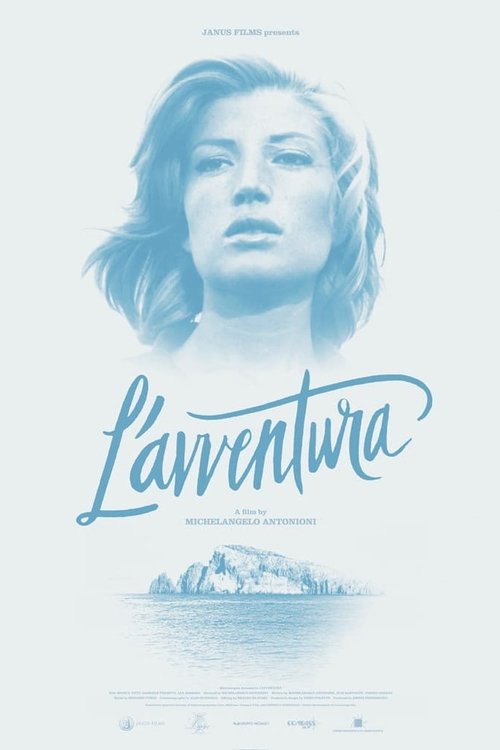
L'Avventura1960
Antonioni's masterpiece about a woman's disappearance and the emotional unraveling it causes. Essential viewing for understanding his visual language and his obsession with absence, disconnection, and the void at the heart of modern life.
But The pacing is deliberately slow and the emotional payoff is intentionally withheld. If you need plot momentum or catharsis, you'll find this frustratingly distant.
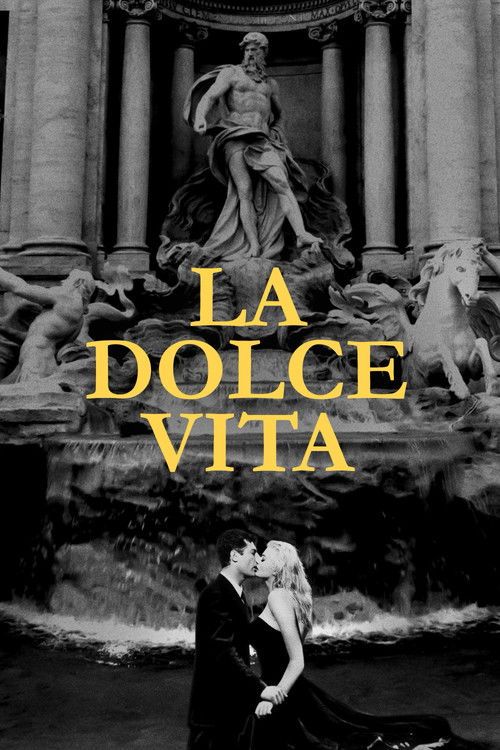
La Dolce Vita1960
Fellini's panoramic portrait of Rome's nightlife and the beautiful people who inhabit it. A film about surfaces, desire, and the search for meaning amid glamour—thematically twin to Identification, but far more baroque and visually seductive.
But It's nearly three hours long and meanders deliberately. The episodic structure can feel aimless if you're expecting traditional narrative momentum.
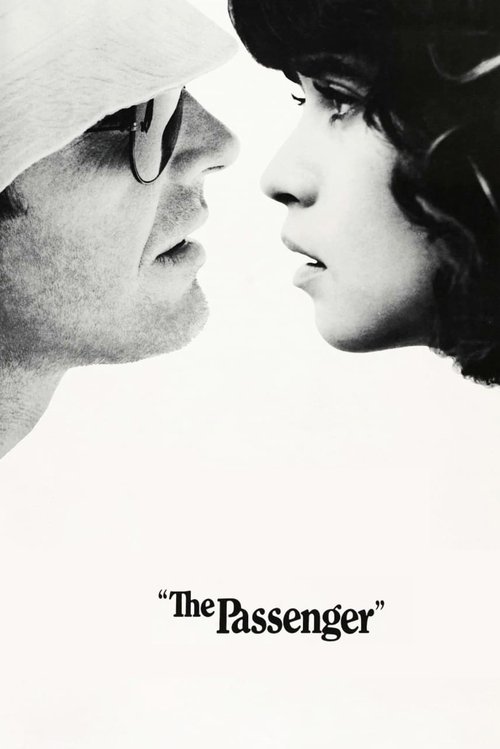
The Passenger1975
Antonioni again: a man assumes another's identity and becomes progressively lost. A haunting exploration of selfhood and the impossibility of escape, with one of cinema's greatest final shots. Meditative and deeply unsettling.
But It moves at a glacial pace and offers no comfort. The protagonist's crisis is never resolved, only deepened.
Not sure tonight? Get a pick in a minute, starting from Identification of a Woman
The wildcard
Something you would not have found on your own.
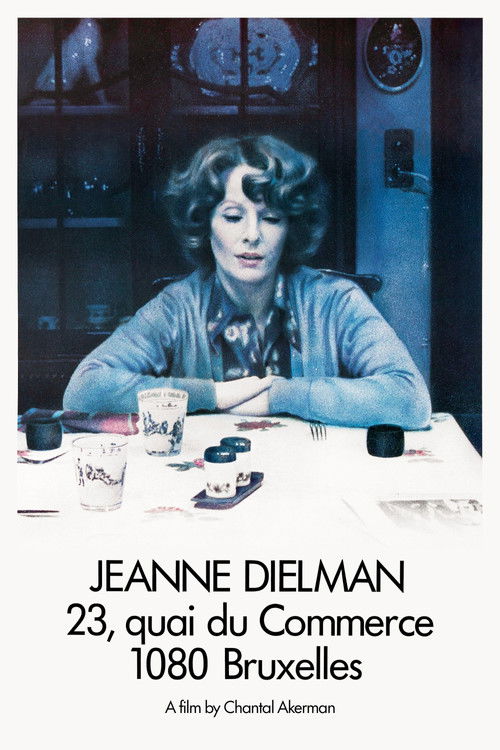
Jeanne Dielman, 23, quai du Commerce, 1080 Bruxelles1976
Both films interrogate cinema's relationship to women and spectatorship. Antonioni's male director searches for a woman to put on screen; Akerman shows what happens when a woman controls the camera and refuses to be identified.
Chantal Akerman's three-hour film of a woman performing her daily routines—cooking, cleaning, sex work. A radical feminist response to cinema's obsession with women as objects. The connection: both films are about the impossibility of 'identifying' women because cinema has always looked at them wrong.
But It is genuinely tedious by design. Watching a woman peel potatoes for five minutes is the point, not a flaw—but that point requires a particular patience and theoretical interest.
More like this (8)
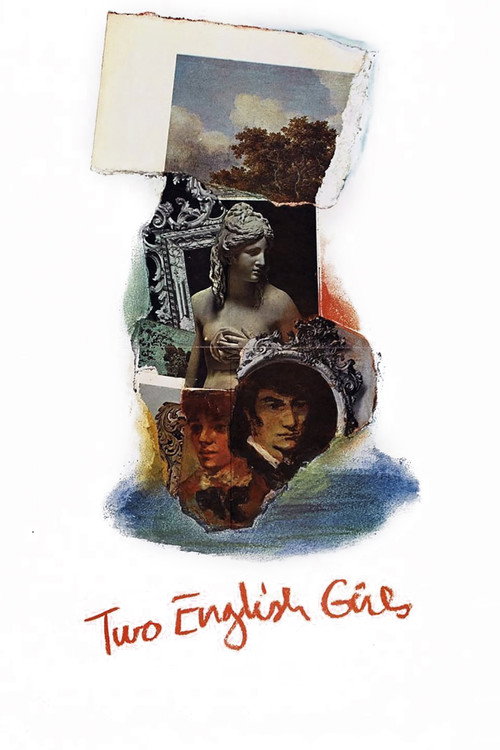
Two English Girls1971
Truffaut's lyrical film about a man in love with two sisters, capturing the intoxicating blur of desire and the way memory rewrites romance. A warmer take on similar emotional terrain—still melancholic, but more forgiving of human weakness.
But The softness of the emotions and the period styling might feel saccharine if you're in a harder mood. It's deliberately sentimental.
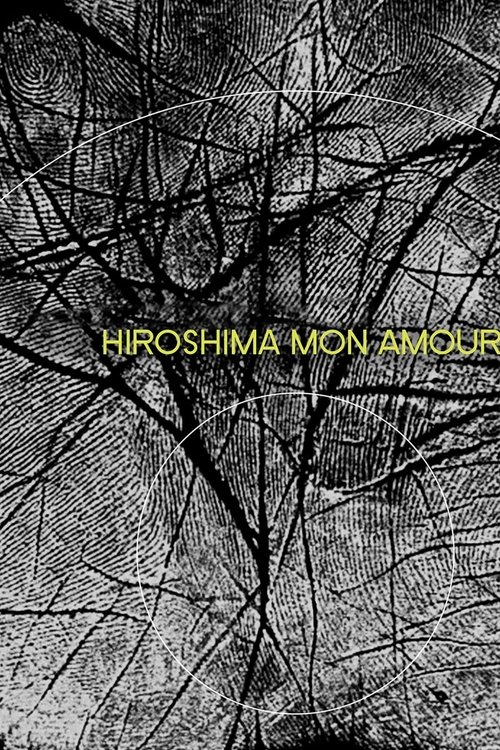
Hiroshima Mon Amour1959
Resnais and Duras construct a film about forgetting, desire, and the impossibility of truly connecting across time and trauma. A lover and a woman meet in Hiroshima; their conversation becomes the film. Intoxicating and formally daring.
But The narrative is fragmented and circular. If you need clarity or conventional emotional beats, this will feel deliberately obscure.
Stalker1979
Tarkovsky's metaphysical journey through a mysterious zone, following three men searching for a room that grants wishes. Like Antonioni, it's about desire and the space between wanting and having—but with spiritual weight and visual hypnosis.
But It's 162 minutes of contemplative imagery and philosophical dialogue. Patience is not optional; it's the entire point.

Contempt1963
Godard's film about a screenwriter, his wife, and a producer—a film about cinema, desire, and the breakdown of marriage. It has the intellectual energy and visual flair Antonioni lacks, while addressing similar themes of disconnection and failed understanding.
But Godard's self-conscious style and jump cuts can feel alienating. The characters are ideas as much as people, which some find cold.

The Dreamers2003
Bernardo Bertolucci's film about two cinephiles and an American who become lovers in Paris, 1968. Like Identification, it's about desire mediated through cinema and the impossibility of fusion. More sensual than Antonioni, but equally haunted by loss.
But It contains explicit sexual content. Beyond that, the nostalgia for 1968 cinema can feel self-indulgent if you're not already invested in film history.

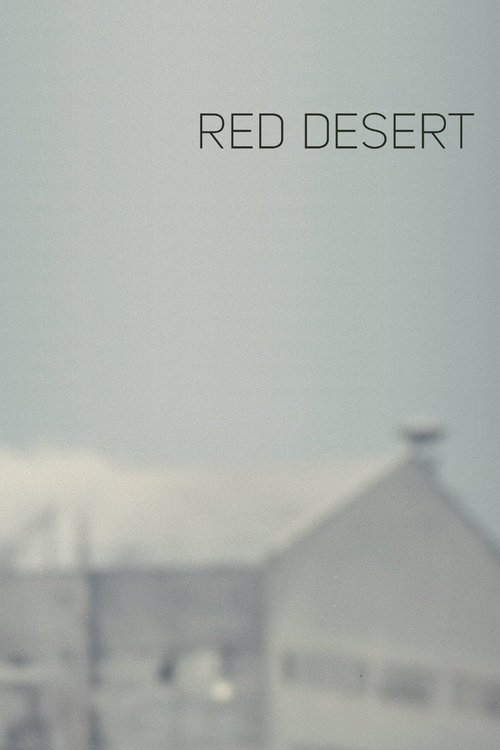
Red Desert1964
Antonioni's only color film—a woman adrift in an industrial landscape, struggling with depression and disconnection. Hypnotic use of color as emotional language, and a portrait of female alienation that deepens on revisit.
But It's even more oblique than Identification. There's minimal plot and the mood is relentlessly gray, whatever the color palette suggests.
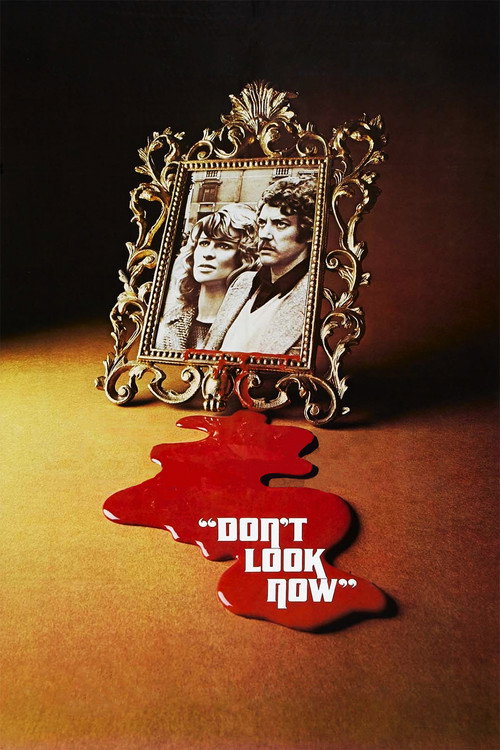
Don't Look Now1973
Both use Venice or Italy as a maze of mirrors where the characters lose themselves. Both are about the impossibility of seeing clearly—perception fractures under desire and fear.
Nicolas Roeg's thriller about a couple grieving their daughter's death in Venice, haunted by premonitions. Like Identification, it's formally fractured and obsessed with the gap between perception and reality. But it's propulsive—mystery and dread carry you where Antonioni's film lets you float.
But The famous sex scene is explicit and central to the film's emotional architecture. If that's a dealbreaker, you're locked out.
Woman in the Dunes1964
Both films use a woman as a kind of trap or labyrinth that the male protagonist cannot escape or understand. Both are about desire as a form of imprisonment.
Hiroshi Teshigahara's hallucinatory film about a man trapped in a sandpit with a widow. Surreal, erotic, and philosophically severe—it shares Antonioni's interest in entrapment and desire, but filters it through Japanese cinema's stranger wavelength. Hypnotic and utterly original.
But The premise is bizarre and the tone is deadpan. It's a puzzle film that doesn't explain itself, and the repetitive imagery can feel monotonous.

People
Cast
 Tomas MilianNicolo
 Daniela SilverioMavi

 Lara WendelGirl in Swimming Pool
 Veronica LazărCarla
 Enrica AntonioniNadia (as Enrica Fico)
- Sandra MonteleoniMavi's sister
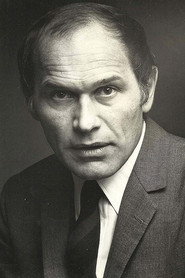 Marcel BozzuffiMario
- Gianpaolo SaccarolaThe Gorilla
 Stefania D'AmarioLandlady's Friend
Directing
- Michelangelo AntonioniDirector
Writing
- Gérard BrachScreenplay
- Michelangelo AntonioniScreenplay
- Michelangelo AntonioniStory
- Tonino GuerraWriter
Production
- Antonio MacriProducer
- Giorgio NocellaProducer