
Film
Hitler: The Last Ten Days
- Drama
- Very dark
A 1973 chamber piece set in Hitler's bunker during the final days of WWII. Guinness delivers a haunted, almost pathetic performance as a leader watching everything collapse. It's claustrophobic and psychologically intense—less a war film than a portrait of power's end. For viewers drawn to historical drama and character study over action.
If you liked this
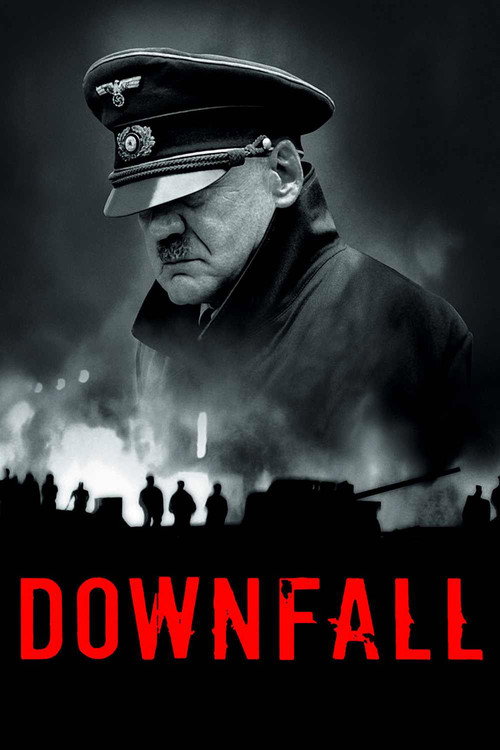
Downfall2004
A German production with Bruno Ganz's mesmerizing performance as Hitler in his bunker. More visceral and immediate than the 1973 version, with sharper focus on the psychological unraveling and the final hours.
But Watching Hitler at length in any film feels claustrophobic and grim. The German perspective, while historically valuable, may feel uncomfortably intimate for some viewers.
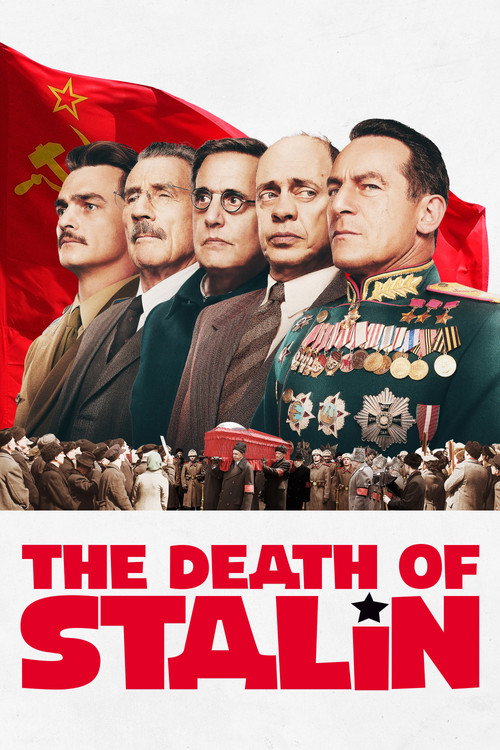
The Death of Stalin2017
A satirical black-and-white film about power's immediate aftermath—chaos, paranoia, and desperation as the system collapses. Shares the bunker claustrophobia but filters it through absurdist humor, showing how authority evaporates.
But The comedy undercuts the historical gravity. Some will find the satire disrespectful; others will find it too bleak to be actually funny.
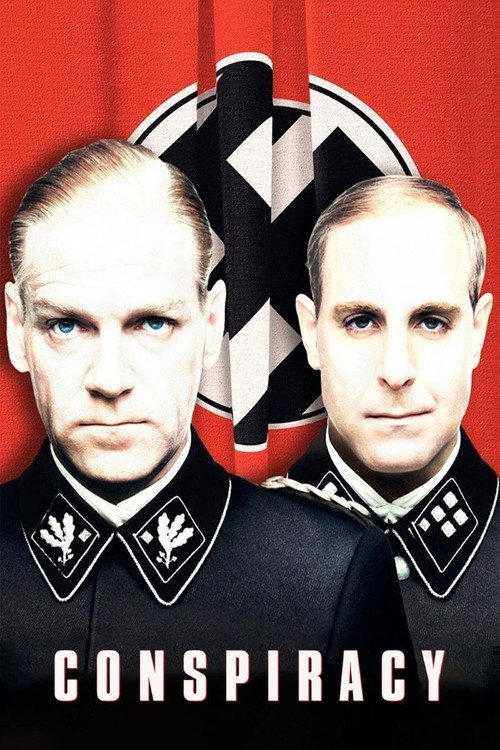
Conspiracy2001
A meticulously crafted 90-minute recreation of the Wannsee Conference. Kenneth Branagh and an exceptional cast navigate moral machinery at work. Like The Last Ten Days, it's a conversation piece about bureaucracy enabling atrocity.
But It's almost entirely people talking in a room. No action, minimal visual variety. The deliberate pacing tests patience even for history buffs.
Not sure tonight? Get a pick in a minute, starting from Hitler: The Last Ten Days
The wildcard
Something you would not have found on your own.
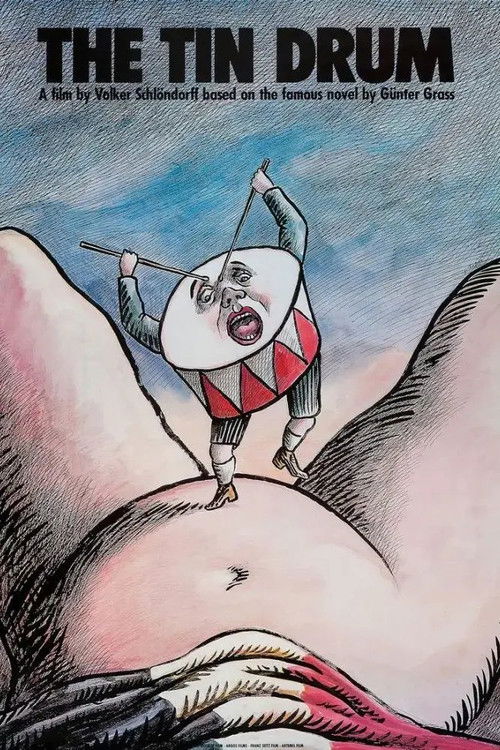
The Tin Drum1979
Both German films about perspective during fascism's grip—one shows collapse from the center, this shows resistance from the margins. Different eras, same moral accounting.
Volker Schlöndorff's masterpiece about a boy who chooses silence during Nazi Germany, watching from the margins. It's a refusal to participate in power—the psychological inverse of the bunker's obsession with control. German cinema's profound reckoning with the era.
But Strange, sometimes grotesque, and narratively avant-garde. The magical realism feels odd for historical fiction. Some find the central character off-putting rather than sympathetic.
More like this (7)
The Act of Killing2012
A documentary that turns the camera on perpetrators rather than victims. Indonesian death squad leaders stage reenactments of their murders. Haunting and philosophically devastating about how power justifies itself.
But Deeply disturbing. The filmmakers' approach—letting killers speak—provokes fury in some viewers. It's not entertainment; it's philosophical wrestling with complicity.

Come and See1985
An East German-Soviet co-production about a young boy witnessing Nazi atrocities during the Eastern Front. Uncompromising and horrifying. Shows the other side of the war from the bunker's perspective.
But One of cinema's most brutal films. Not recommended if you're looking for catharsis or redemption. It devastates and rarely releases.

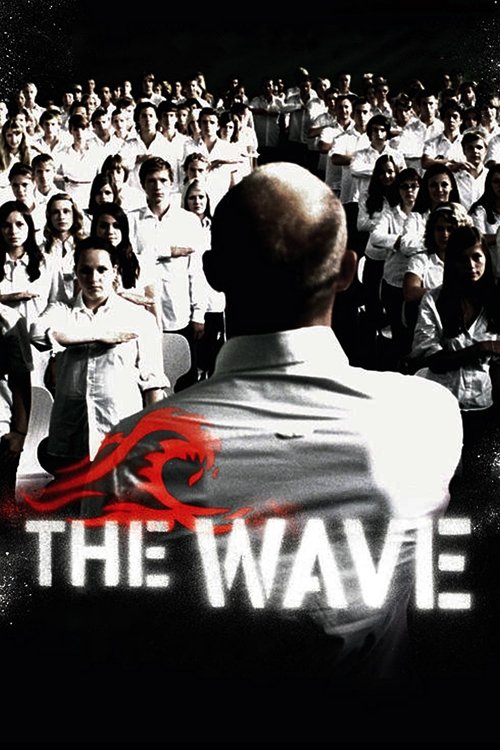
The Wave2008
A German film about an ordinary teacher's social experiment spiraling into authoritarianism. It shows how fascism builds from below, moment by moment, choice by choice—the inverse of watching it collapse.
But The ending feels didactic rather than earned. Some find it more pamphlet than drama—the message overrode the storytelling.
The Reader2008
Kate Winslet and Ralph Fiennes explore complicity and moral ambiguity through a love story entangled with Nazi history. Psychologically complex rather than straightforward condemnation.
But The film has been accused of too much sympathy for its Nazi character. Many viewers feel it obscures rather than clarifies moral questions.

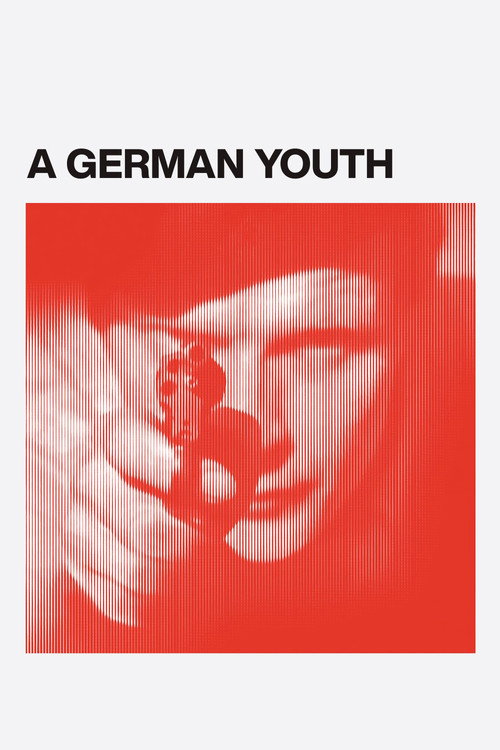
A German Youth2015
A quietly devastating portrait of a young man seduced by radical politics and terrorism in 1970s Germany. Explores how ideology works on individuals from the inside. Different era, same machinery of conviction.
But It's slow and introspective. The protagonist isn't sympathetic, and the film offers no easy answers. Some find it glacial.
Melancholia2011
Lars von Trier's film about the end of the world—literal and psychological. A planet collides with Earth while a woman spirals into depression. The apocalyptic atmosphere and sense of inevitable collapse mirror bunker films' dread.
But A completely different subject matter, which might feel like a cheat. Von Trier's deliberate pacing and bleakness test viewers' endurance. Some find it self-indulgent rather than moving.

The Killing1956
A confined system where power ebbs, people betray, and collapse is inevitable. Kubrick understood bunker logic without bunkers.
Kubrick's tight heist film about a racetrack robbery spiraling into paranoia and betrayal. The inevitability of failure, people trapped by circumstance and their own nature, power collapsing from within—the structure mirrors a bunker scenario entirely divorced from history.
But It's not a war or history film; the connection is purely structural. Some feel genre-hopping recommendations miss the point of what makes the original title work.

People
Cast
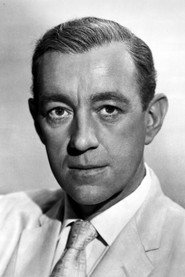 Alec GuinnessAdolf Hitler
 Simon WardHauptmann Hoffmann
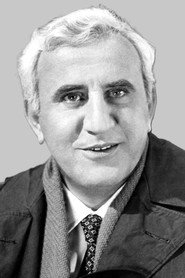 Adolfo CeliGeneral Hans Krebs
 Diane CilentoHanna Reitsch
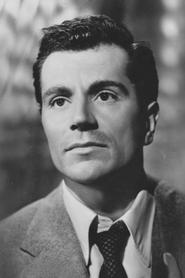 Gabriele FerzettiGeneralfeldmarschall Wilhelm Keitel
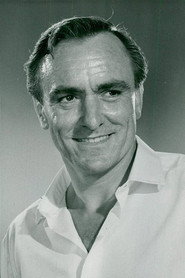 Eric PorterGeneralfeldmarschall Robert Ritter von Greim
 Doris KunstmannEva Braun
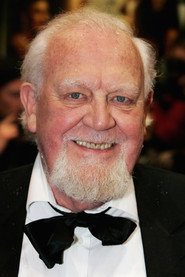 Joss AcklandGeneral Burgdorf
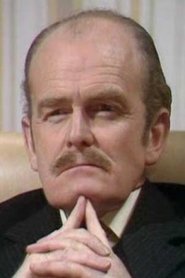 John BarronDr. Stumpfegger
 John BennettJoseph Goebbels
 Sheila GishFrau Christian
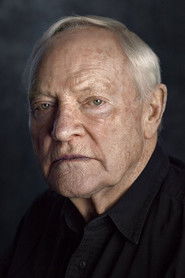 Julian GloverFegelein
Directing
- Ennio De ConciniDirector
Writing
- Ivan MoffatAdaptation
- Gerhardt BoldtBook
- Ennio De ConciniScreenplay
- Maria Pia FuscoScreenplay
- Wolfgang ReinhardtScreenplay
Production
- Irene LambCasting
- Wolfgang ReinhardtProducer