
Film
The Executioner's Song
Norman Mailer's Pulitzer-winning book becomes a stark, unflinching TV film about a man who commits murder and then fights for his own execution. Tommy Lee Jones is magnetic and terrifying as Gary Gilmore, a career criminal trying to escape his nature. It's deliberately paced, morally complex, and deeply uncomfortable—essential viewing about capital punishment, media exploitation, and the desire for death as a form of control.
Should you watch it?
Watch it if you are drawn to patient, documentary-like portraits of ordinary people drifting toward disaster, where the media circus and small-town details matter as much as the crime.
Skip it if you want a tight thriller with momentum; this is a sprawling, deliberately slow account at well over two hours, and its many scenes of everyday talk can feel repetitive.
What it asks of you: Roughly two and a quarter hours of measured, observant scenes, mostly quiet talk and long stretches of waiting, so it rewards steady attention more than momentum.
Not sure? Find tonight's pick in a minute.
If you liked this
In Cold Blood1967
A pioneering true-crime narrative that similarly refuses easy judgment of its killers. Captures the procedural reality and human complexity beneath headline violence with the same unflinching intelligence.
But Black-and-white and deliberate pacing means it requires patience; some find the empathy extended to criminals morally queasy.
Papillon1973
Steve Reeves and Dustin Hoffman in a prison escape film built on the same bedrock of male desperation and the toll of incarceration. Explores whether survival itself becomes the only goal worth pursuing.
But Over two hours and occasionally melodramatic; the famous ending divides viewers on whether it earns its sentimentality.
Badlands1973
Terrence Malick's debut pairs young lovers on a killing spree, but treats them with lyrical humanity rather than condemnation. The same moral complexity about whether broken people can be understood without being excused.
But Visually gorgeous and philosophically remote—if you want plot momentum or clear moral judgment, you won't find it.
Not sure tonight? Get a pick in a minute, starting from The Executioner's Song
The wildcard
Something you would not have found on your own.
Persona1966
Both films treat the human face as the primary text. Gilmore's demand for execution is a form of silence—a refusal to be interpreted. Both ask what happens when someone stops performing selfhood.
Bergman's chamber piece about two women—one unable to speak, one unable to stop—slowly dissolving into each other. The same exploration of identity, silence, and whether the self can be known, but through psychological rather than criminal drama.
But Austere, slow, and aggressively interior. No plot; you're watching two people exist in charged silence for two hours.
More like this (8)
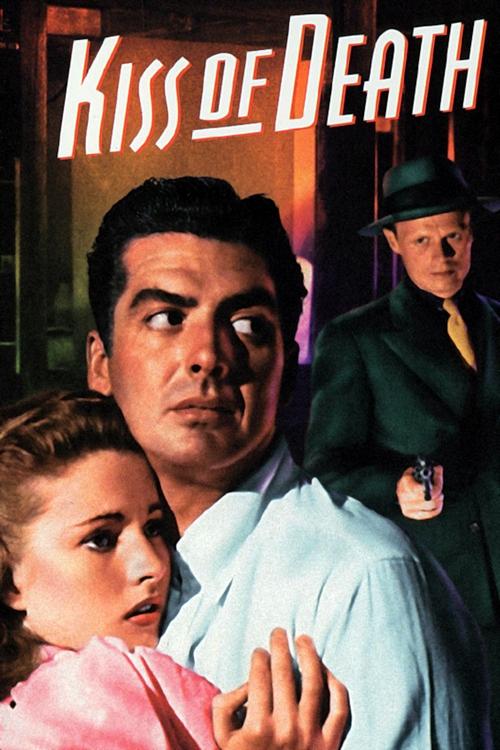
Kiss of Death1947
Richard Widmark's psychopathic killer is unforgettable and terrifying, and the film's interest in how violence begets violence prefigures the moral debates Gilmore forces on everyone around him.
But A noir, so it moves faster than you might expect; some plot mechanics feel dated and the romantic subplot is thin.
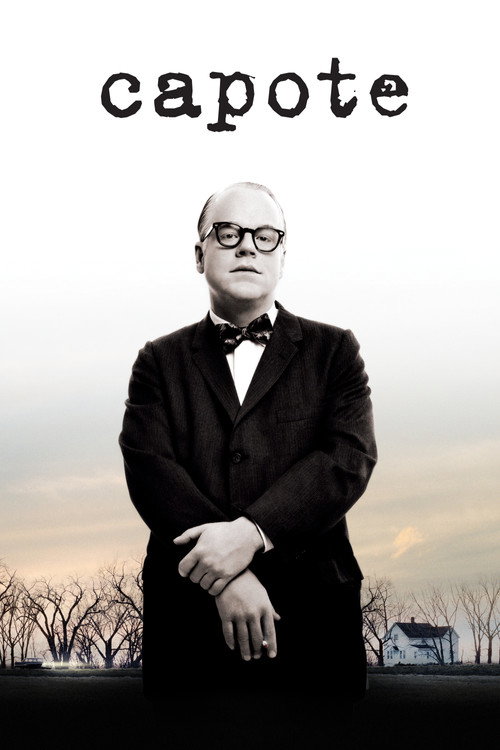
Capote2005
Philip Seymour Hoffman as Truman Capote writing 'In Cold Blood,' wrestling with the ethics of profiting from murderers' stories. The perfect shadow-study of The Executioner's Song's media-circus theme.
But More interested in artistic ego than in the crime itself; if you want visceral violence or trial drama, this is a portrait of a writer, not a crime story.
The Thin Blue Line1988
Errol Morris's documentary about wrongful conviction and the death penalty uses Gilmore-like moral ambiguity to ask whether we ever know the truth about who killed whom. Formally inventive and devastating.
But A documentary; some viewers find the stylization—reenactments, music—distracting from the serious subject matter.
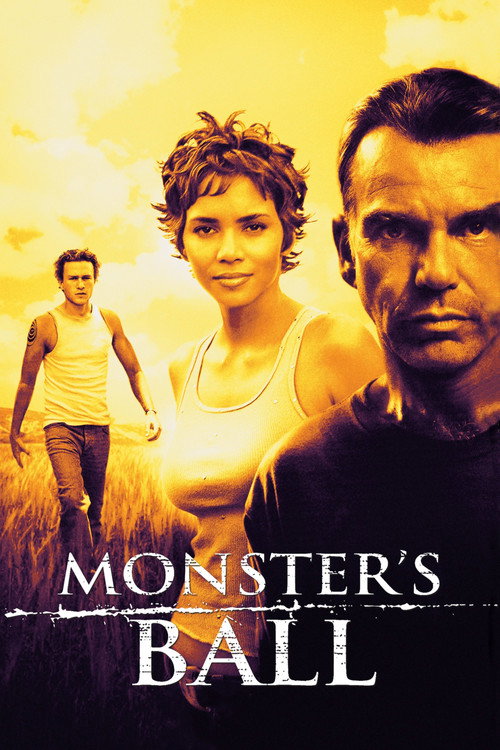
Monster's Ball2001
A Southern execution drama that centers the humanity of both the condemned man and the executioner. Halle Berry and Billy Bob Thornton in a film about how capital punishment damages everyone it touches.
But Emotionally manipulative at moments; the ending is divisive and some find it undermines the film's moral seriousness.
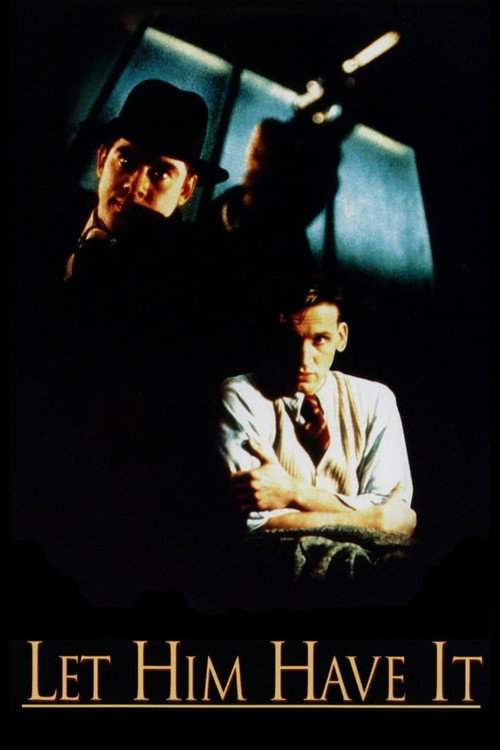
Let Him Have It1991
A British true-crime film about a teenager hanged for a murder he may not have committed. The same machinery of law and media turns people into abstractions; quietly furious about capital punishment.
But Lesser-known and harder to find; the pacing is measured and it doesn't offer catharsis or a tidy resolution.
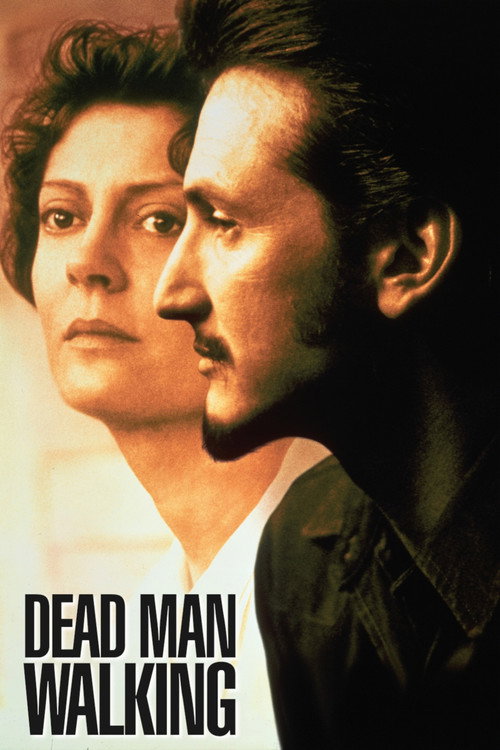
Dead Man Walking1995
Susan Sarandon and Sean Penn in a spiritual drama about a nun befriending a death-row inmate. A different angle on capital punishment's spiritual and moral weight, humanizing without absolving.
But Explicitly religious and occasionally sentimental; viewers skeptical of redemption narratives may find it wishful.
The Act of Killing2012
Both use the perpetrator's voice as the center. Gilmore gets to control his narrative through his demand for death; these men through reenactment. Both ask: what do we learn when killers get to tell their own story?
A documentary asking Indonesian death-squad leaders to reenact their murders. Shockingly, they agree—and the film becomes an investigation into how murderers narrate their own monstrosity, and what that narration does to them.
But Genuinely disturbing; you're watching people describe and perform killings with pride. Some find the filmmaker's method—allowing them to shape their own story—ethically troubling.

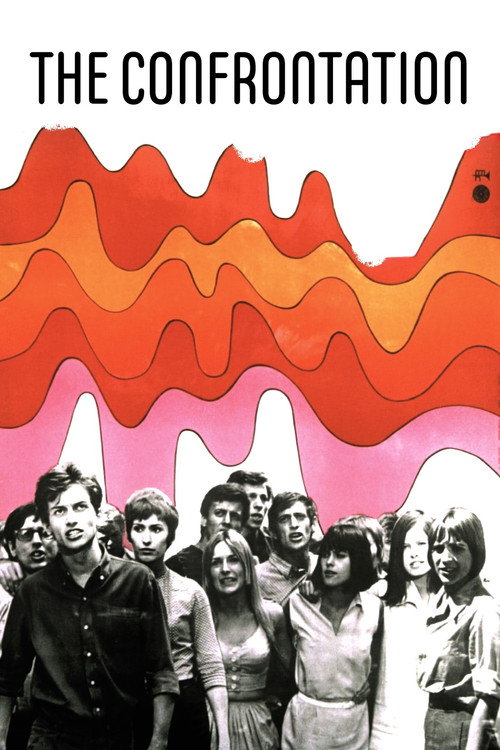
The Confrontation1969
Both films make execution itself the subject, not the criminal. Jancsó removes the human element to show the pattern; Gilmore's demand strips away the system's ability to hide behind procedure. Opposite methods, same exposure.
Miklós Jancsó's Hungarian political film uses execution and ritual violence as abstract formal problems rather than human dramas. Breathtakingly choreographed scenes of men in lines, being judged, dying—the machinery of justice as dance.
But Experimental and formally challenging; no character psychology, no plot, no music. If you want intimacy or clarity, you won't find it. Some find it cold.
People
Cast
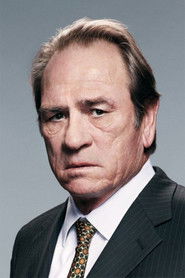 Tommy Lee JonesGary Mark Gilmore
 Christine LahtiBrenda Nicol
 Rosanna ArquetteNicole Baker
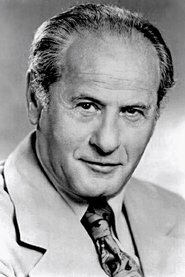 Eli WallachVern Damico
 Steven KeatsLarry Samuels
- Jordan ClarkeJohnny Nicol
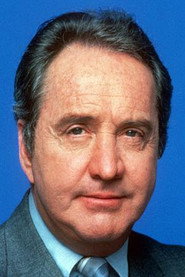 Richard VentureEarl Dorius
 Jenny WrightApril Baker
- Kenneth O'BrienSpencer McGrath
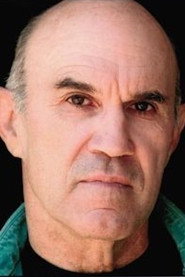 John Dennis JohnstonJimmy Poker-Game
- Mary Ethel GregoryIda Damico
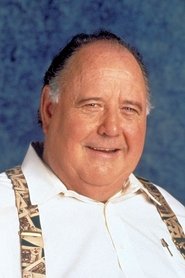 Pat CorleyVal Conlan
Directing
- Lawrence SchillerDirector
Writing
- Norman MailerBook
- Norman MailerScreenplay
Recommended by
In Cold Blood, Bonnie and Clyde, Clemency, King and Country, Snowtown, Rogue Male, Killer: A Journal of Murder, Oasis, Out for Justice, A German Youth, The Death of Mario Ricci, Young Mr. Lincoln, Jail, 10 Rillington Place