
Film
Jail
Other titles called Jail: the 2007 series (Paramount Network).
- Prison
- Very dark
Jail is a 2009 Indian prison drama that follows an innocent man trapped in a nightmarish system of corruption and violence. Raw and unflinching, it captures the psychological and physical horrors of wrongful incarceration with brutal honesty. For viewers drawn to intense character studies and social critiques that don't look away from human cruelty.
If you liked this
A Prophet2009
A French masterpiece about a young man's transformation inside prison. Like Jail, it's unflinching about institutional brutality and the moral compromises survival demands, but with a propulsive narrative momentum.
But Nearly two and a half hours, subtitled, and aesthetically austere—it builds dread through atmosphere rather than plot mechanics.

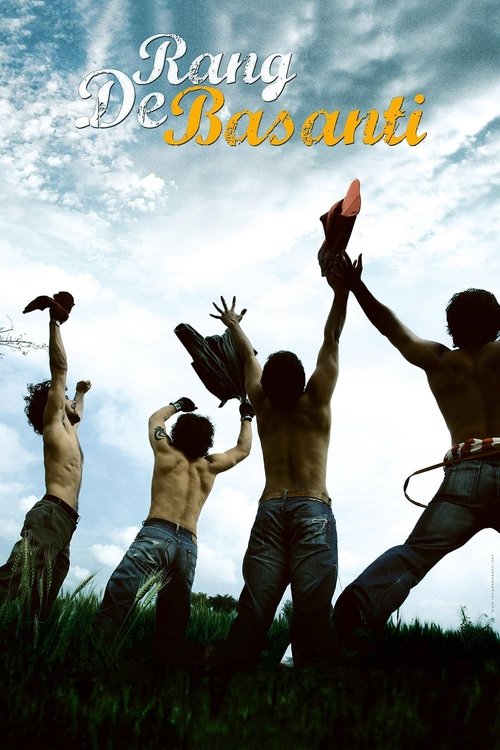
Rang De Basanti2006
Indian cinema at its most politically engaged, following young idealists pushed into extremism by systemic injustice. Shares Jail's fury at corruption and moral compromise, with more narrative sweep and emotional range.
But The tonal shift toward the climax is jarring, and the politics can feel didactic compared to Jail's lived brutality.
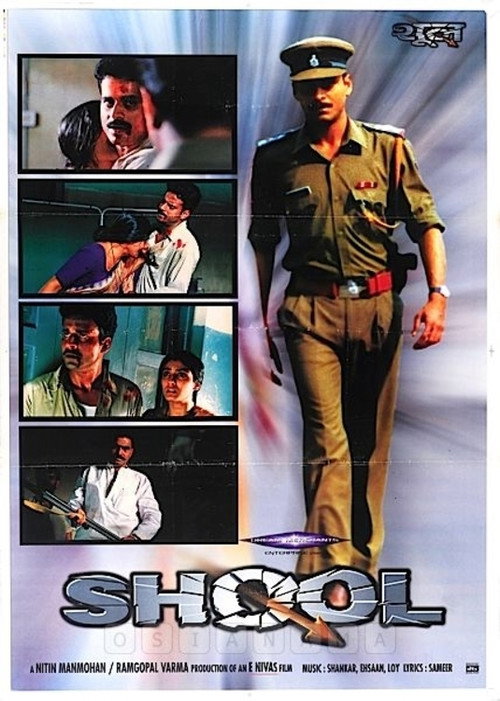
Shool1999
An earlier Hindi film about police corruption and institutional violence in small-town India. Visceral and darkly comic where Jail is relentless, but equally committed to showing how systems destroy individuals.
But Occasionally slips into action-film conventions that undercut its satirical edge. The pacing meanders in the middle section.
Not sure tonight? Get a pick in a minute, starting from Jail
The wildcard
Something you would not have found on your own.
Brawl in Cell Block 992017
Both examine how prisons corrupt and transform their inhabitants, but where Jail shows victimization, this shows weaponization—the inverse response to the same dehumanizing machinery.
An American exploitation film that inverts the prison narrative—a man enters jail deliberately, weaponizing himself against a corrupt system. Shares Jail's exploration of institutional dehumanization but channels it through visceral, almost comic-book violence.
But Extremely graphic, with a deliberately trashy aesthetic that prioritizes impact over dignity. The protagonist's journey is morally murky in ways some will find exploitative rather than illuminating.

More like this (8)
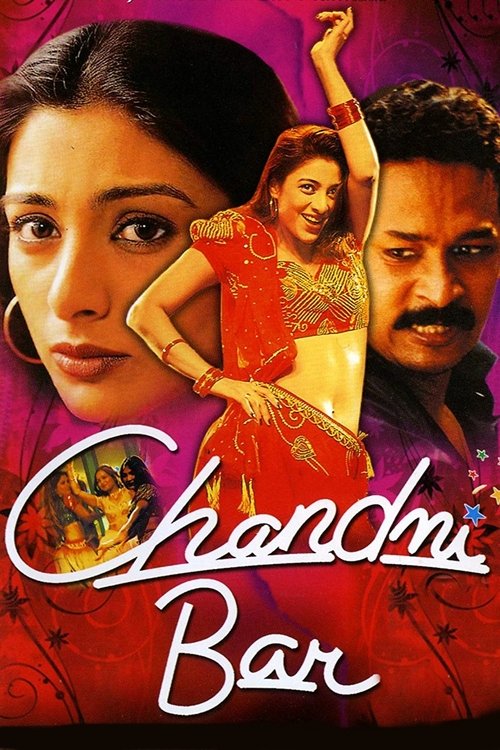
Chandni Bar2001
Madhur Bhandarkar's unflinching portrait of exploitation and survival in Mumbai's underbelly. Shares Jail's refusal to sentimentalize suffering or offer false comfort to the audience.
But Graphic sexual violence and deeply uncomfortable viewing. Not difficult in a rewarding way—sometimes just difficult.
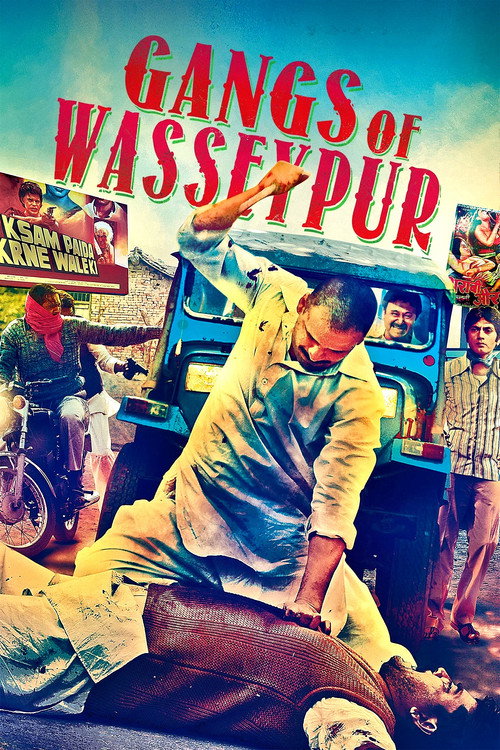
Gangs of Wasseypur - Part 12012
A sprawling saga of crime and institutional corruption across generations. Like Jail, it shows how systems grind individuals into criminals, though with more darkly comic moments and operatic scope.
But Nearly five hours across two parts, with fragmented chronology and an enormous cast. Dense enough to require full attention.
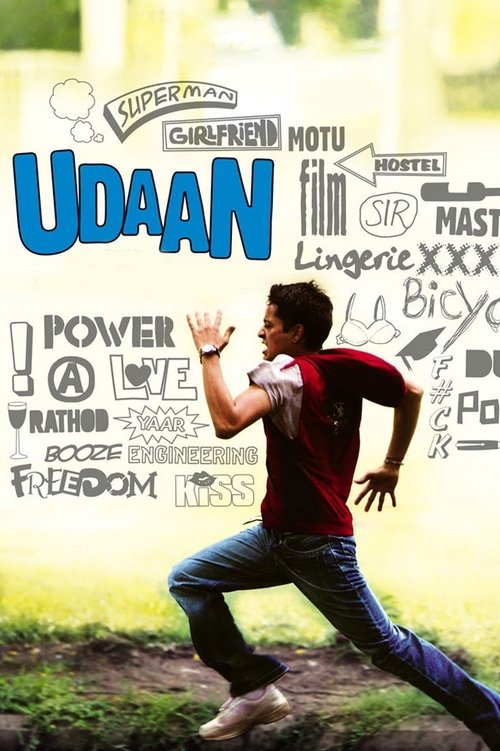
Udaan2010
A quieter film about patriarchal control and institutional oppression within families. Less visceral than Jail but equally devastating about how systems trap people and limit possibility.
But Deliberately paced and introspective. If you're looking for plot-driven intensity, this operates on a different frequency entirely.
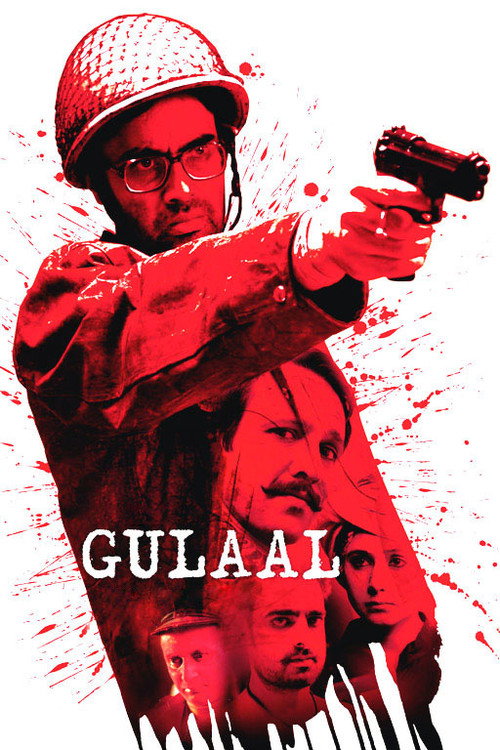
Gulaal2009
Released the same year as Jail, this explores idealism destroyed by systemic corruption. Visually ambitious and genuinely unsettling about institutional complicity and moral rot.
But Stylistically mannered to the point of obscuring narrative. Sometimes the aesthetic overwhelms clarity, and it can feel deliberately obscure.
No End in Sight2007
A documentary about institutional failure and the human cost of bureaucratic indifference. Shares Jail's fury at broken systems, with the added weight of being factual and ongoing.
But Documentary fatigue is real. The subject matter is depressing and the film doesn't offer solutions, only accountability.

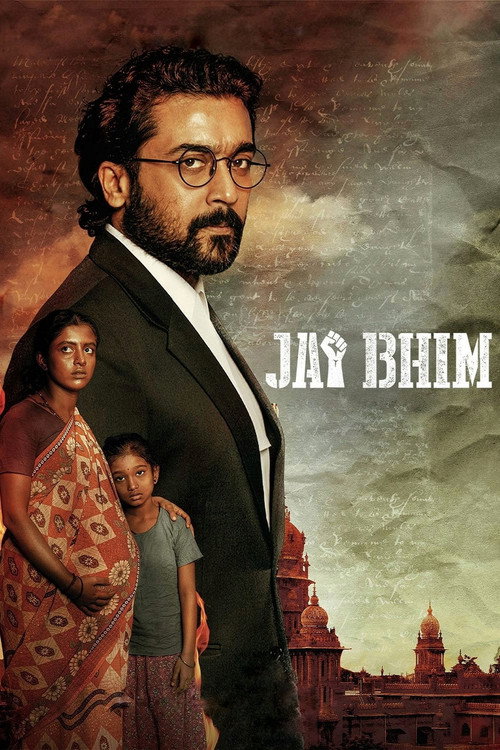
Jai Bhim2021
A Tamil film about police torture and institutional violence that achieves remarkable emotional clarity. Shows the same system from a different regional perspective while maintaining moral weight.
But Subtitled, and the pacing is deliberately slow in ways that demand patience from viewers accustomed to faster narratives.
Memories of Murder2003
Both are national critiques of state power and systemic injustice, but Memories of Murder observes from outside the system while Jail traps you inside it—different angles on the same moral failure.
A Korean masterpiece about institutional corruption and the failure of justice systems to protect the innocent. Like Jail, it's a scathing indictment of power abused, but filtered through a procedural detective narrative rather than the prisoner's perspective.
But Deliberately slow-burn and ambiguous. The ending offers no catharsis or neat resolution—some will find that narratively unsatisfying.

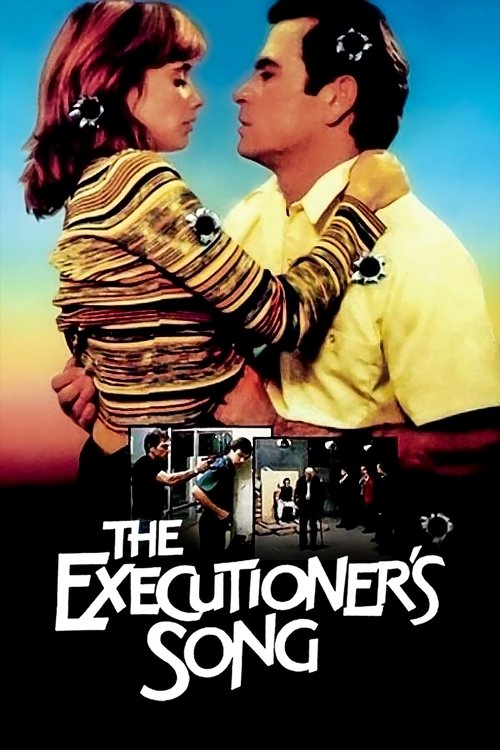
The Executioner's Song1982
Both examine institutional violence as a system that corrupts everyone within it—perpetrators and victims alike—but this does it through the perspective of those administering the violence, asking what it costs them.
An obscure Iranian New Wave film about bureaucratic violence and the psychological toll of enforcing unjust systems. In Farsi, black-and-white, and formally experimental—it's Bresson-adjacent cinema about complicity and corruption from an entirely different tradition.
But Quite difficult. The narrative is minimal and the style is austere to the point of alienation. Not a comfortable watch, and not designed to be.
People
Cast
 Neil Nitin MukeshParag Dixit
 Mugdha GodseMansi
 Manoj BajpayeeNawaab
 Arya BabbarKabir Malik
 Rahul SinghAbdul Ghani
- Chetan PanditPrison Warden
 Navni PariharParag's mother
- Sandeep MehtaAdvocate Harish Bhatia
 Ali Quli MirzaJoe D' Souza
 Atul KulkarniParag's second lawyer
 Ashok SamarthPolice Officer
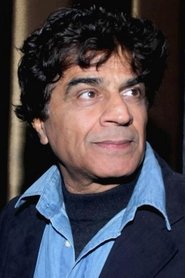 Nassar AbdullaJudge
Directing
- Madhur BhandarkarDirector
Writing
- Raghuvir ShekhawatDialogue
- Anuradha TiwariWriter
- Madhur BhandarkarWriter
- Manoj TyagiWriter
Production
- Madhur BhandarkarProducer