
Film
Shool
A brutally honest cop's moral code collides with institutional corruption in rural Bihar. Shool is a raw, uncompromising crime thriller that strips away Bollywood heroics to show policing as a grinding, often futile struggle against systems designed to protect the corrupt. It's for anyone who wants their action cinema to hurt.
Should you watch it?
Watch it if you want a stubborn, decent man grinding against a rotten local system, the kind of Hindi crime drama where dread builds through paperwork, pressure and small humiliations more than spectacle.
Skip it if you want brisk pacing or a lighter touch, since the middle stretches of institutional wrangling are slow and the grimness rarely lets up for relief.
What it asks of you: Nearly two and a half hours with patience for slow setup, a tone that stays grim and hard-edged, and attention to who owes whom in a town's power structure.
Not sure? Find tonight's pick in a minute.
If you liked this
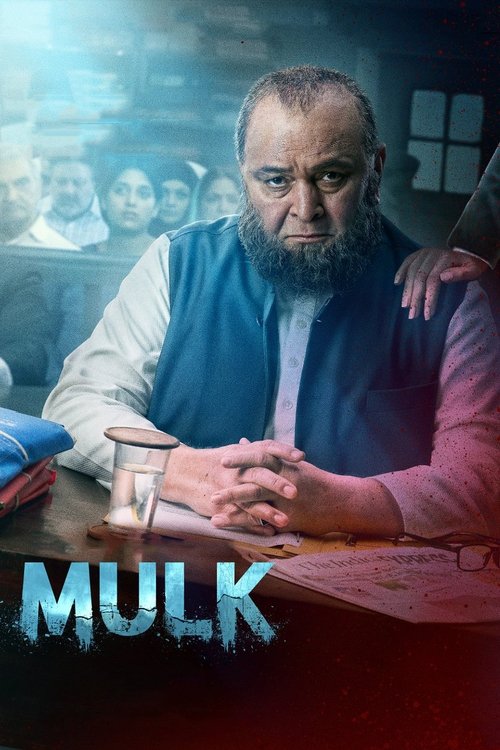
Mulk2018
A principled man stands against institutional prejudice and political machinery. Like Shool, it's about one person's integrity becoming a weapon in a rigged system, with similarly devastating consequences.
But More courtroom drama than action, and the pacing is deliberate in ways that test patience. Some will find it didactic.
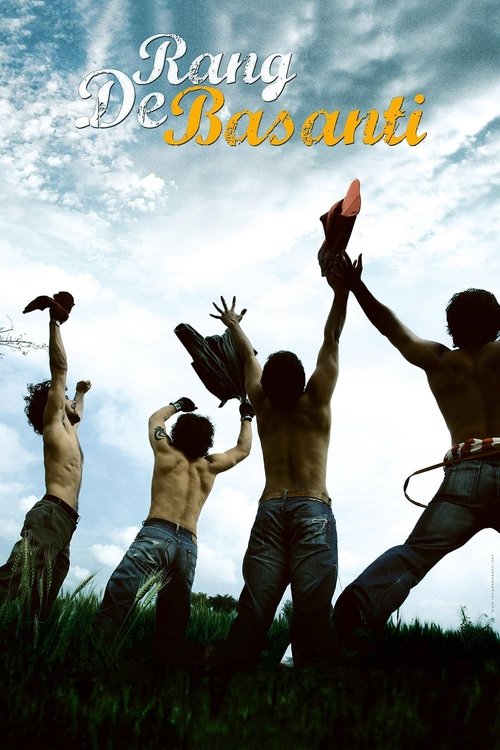
Rang De Basanti2006
Young idealists discover that taking on systemic corruption requires sacrifice they didn't anticipate. It shares Shool's conviction that the system itself is the real enemy, not just individual villains.
But The tonal shift into violence feels abrupt to some. It's also much more mainstream-polished than Shool's gritty realism.
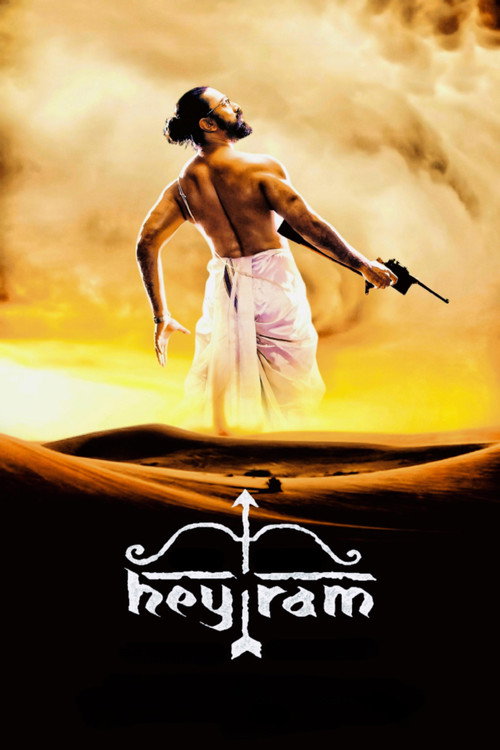
Hey Ram2000
Kamal Haasan's character searches for truth in a country fractured by communal violence and institutional decay. Both films interrogate what it means to pursue justice when society is fundamentally corrupt.
But Structurally fragmented and emotionally exhausting. It demands active engagement and doesn't offer catharsis or easy answers.
Not sure tonight? Get a pick in a minute, starting from Shool
The wildcard
Something you would not have found on your own.
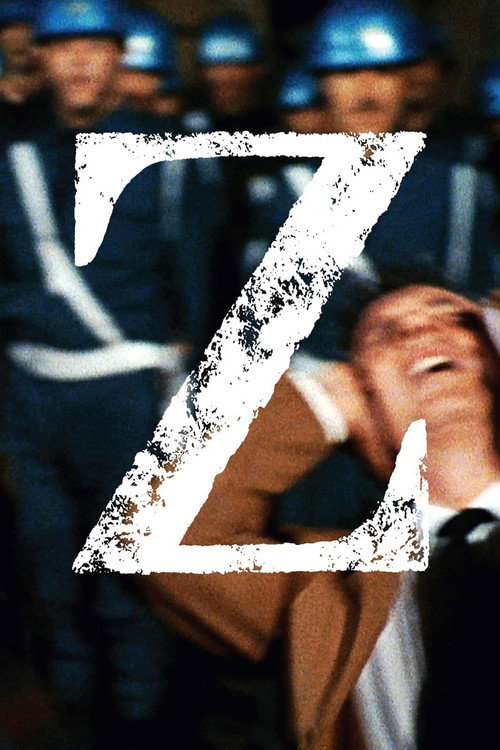
Z1969
Both are procedural investigations into institutional murder where uncovering truth becomes an act of rebellion against the state itself.
Costa-Gavras's masterpiece about a politically inconvenient murder and institutional cover-up. Made in a different era and language, but architecturally identical to Shool: one man's refusal to accept official lies, dismantled by the system.
But A 1969 Greek film in black-and-white. Its political allegory is rooted in a moment most viewers won't immediately recognize.
More like this (8)
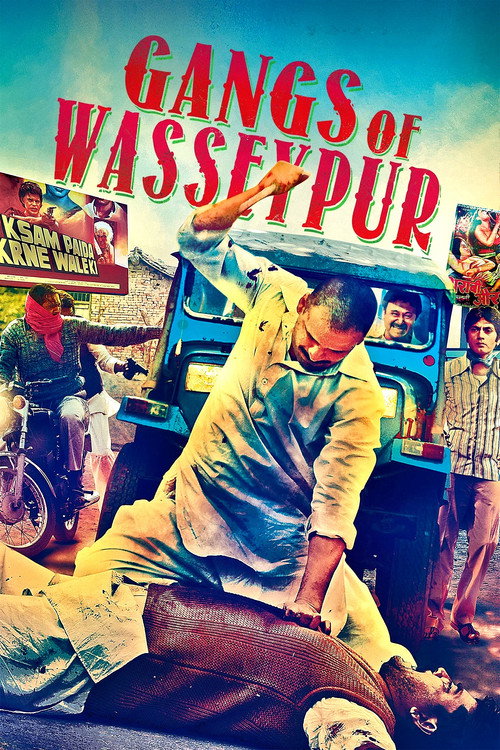
Gangs of Wasseypur - Part 12012
Raw, violent, and set in the same Bihar landscape. It's an epic of crime and revenge that shows how corruption and brutality become the only language that works in broken systems.
But Extremely violent and sprawling across two films. The narrative is deliberately chaotic, which some find exhilarating and others find exhausting.
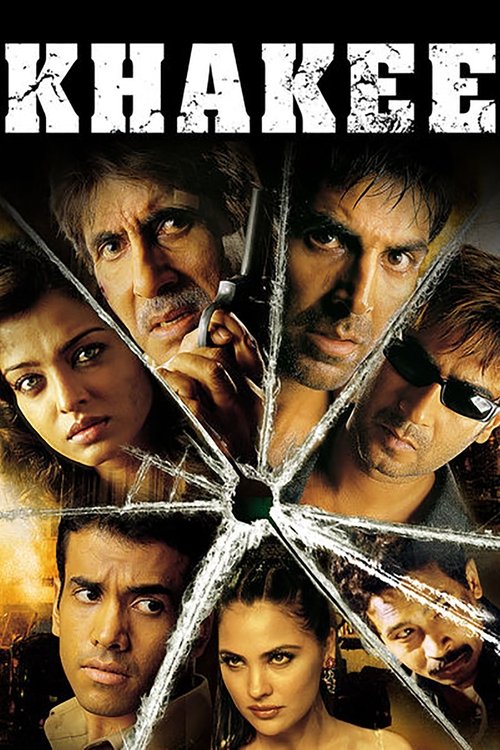
Khakee2004
A heist film that uses the framework of crime to explore morality and allegiance. It shares Shool's interest in how good men navigate impossible institutional structures.
But More conventional in structure and far glossier. Dilutes some of the moral ambiguity Shool refuses to resolve neatly.
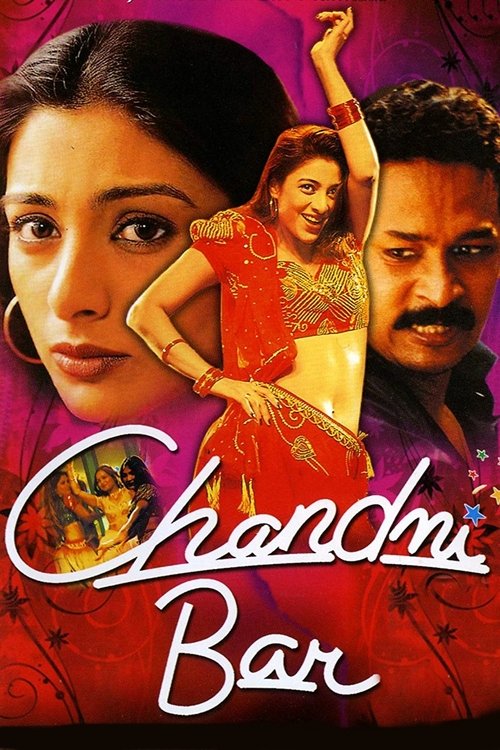
Chandni Bar2001
Another unflinching portrait of corruption and exploitation, set in Bombay's underworld. Like Shool, it refuses to sanitize its subject or offer redemptive narratives.
But Extremely dark and sexually explicit in ways that feel transgressive rather than exploitative. Not for anyone seeking hope.
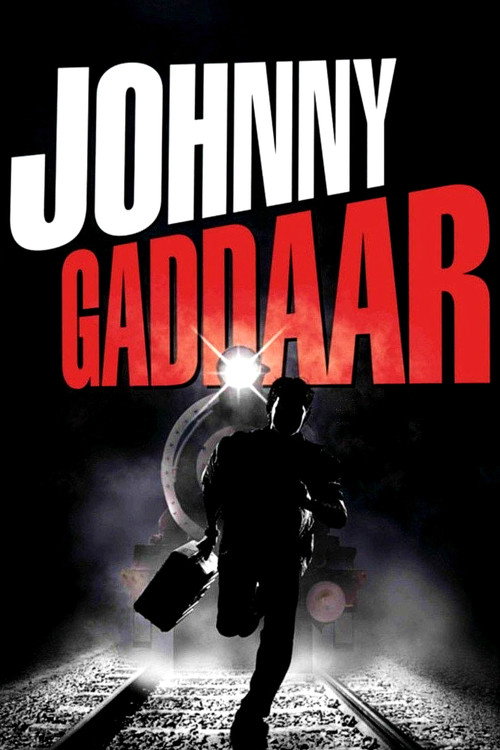
Johnny Gaddaar2007
A twisty crime thriller where everyone is complicit and no one is innocent. Shares Shool's conviction that in corrupt systems, morality itself becomes a luxury.
But The plot relies on reversals that some find contrived. It's also much tighter and more genre-focused than Shool's sprawl.
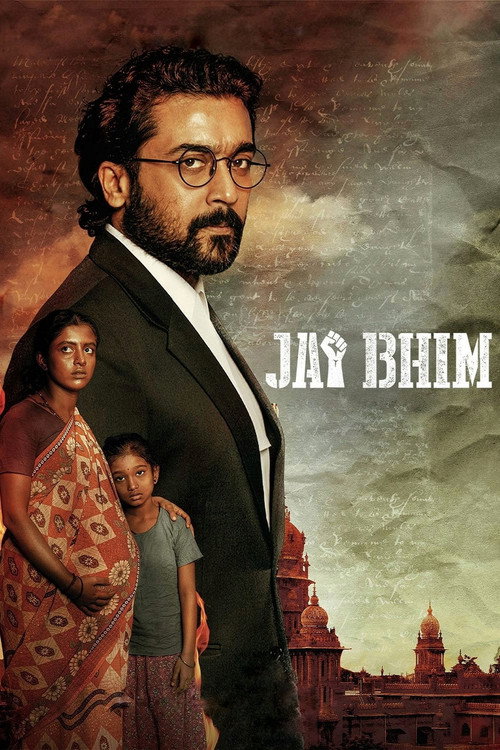
Jai Bhim2021
A meticulous examination of police brutality and institutional injustice in the Indian legal system. Like Shool, it documents how the system consumes principled individuals.
But Three hours long and deliberately slow. The suffering is specific and relentless, which some find unbearable to witness.
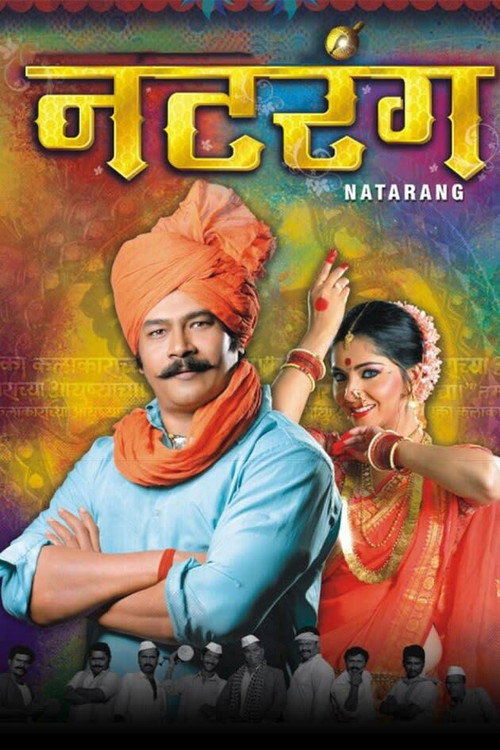
Natrang2010
A Marathi film about ego, performance, and the corruption of artistic integrity. While set in different contexts, it shares Shool's interest in how institutions corrupt individuals from within.
But In Marathi with subtitles. The focus is on theatre rather than crime, which shifts the register entirely.
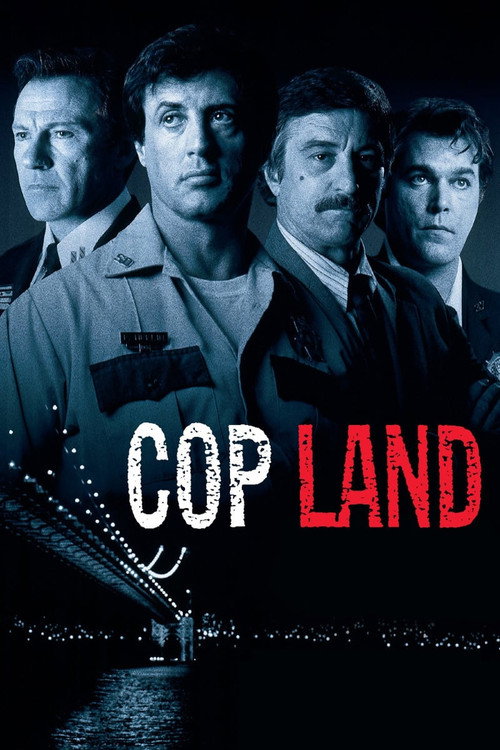
Cop Land1997
Both centre on a single moral figure trying to navigate institutional corruption from within, with the realization that the system protects itself before the truth.
Stallone's Freddy Heflin investigates corruption within the NYPD itself. Like Shool, it's about a decent cop discovering that the institution he serves is fundamentally rotten, and that loyalty becomes complicity.
But Heavy, introspective, and almost entirely dialogue-driven. Stallone plays against type as a quiet, isolated man—some find this compelling, others find it slow.
The Act of Killing2012
Both interrogate how institutions absorb violence into their machinery, making individual conscience nearly powerless against collective complicity.
Joshua Oppenheimer's documentary confronts Indonesian death-squad leaders with the scale of their crimes. Like Shool, it shows how institutional violence becomes normalized, and how systems protect perpetrators while destroying anyone who resists.
But A three-hour documentary where genocide perpetrators perform their crimes. Morally harrowing and unflinching in ways that feel unbearable.

People
Cast
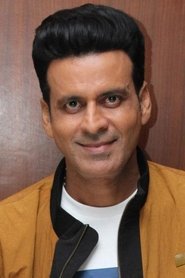 Manoj BajpayeeInspector Samar Pratap Singh
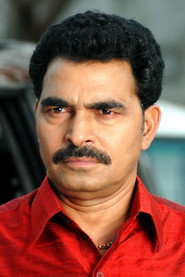 Sayaji ShindeBacchu "Bhaiyyaji" Yadav
 Raveena TandonManjari Singh
 Shilpa Shetty KundraItem Girl
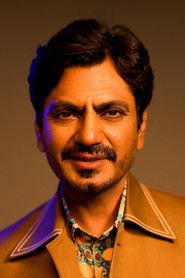 Nawazuddin SiddiquiWaiter
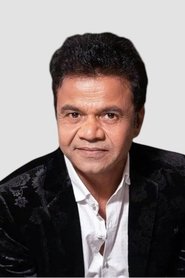 Rajpal YadavViolent Coolie
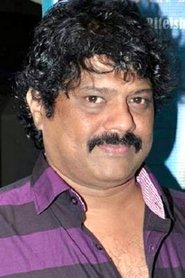 Ganesh YadavInspector Hussain
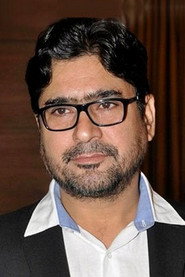 Yashpal SharmaLallan Singh
 Veerendra SaxenaPrabal Pratap Singh
 Vineet KumarInspector Tiwari
 Shri Vallabh VyasD.S.P
 Pratima KazmiBhachhu Yadav's Mother
Directing
- Eeshwar NivasDirector
Writing
- Anurag KashyapDialogue
- Ram Gopal VarmaScreenplay
- Eeshwar NivasStory
- Ram Gopal VarmaStory
Production
- Nitin ManmohanProducer
- Ram Gopal VarmaProducer