
Film
Gulaal
Gulaal is a sprawling Hindi crime drama about a law student drawn into the brutal underworld of college politics and caste violence. It's deliberately unmessy, ambitious in scope, and visually restless—a film that trusts you to keep up with its tangled web of allegiances and betrayals. For viewers hungry for something denser and darker than Bollywood usually serves.
Should you watch it?
Watch it if you are drawn to political crime dramas that build a slow, simmering sense of grievance and let the characters' pride and rage do the storytelling, much like Anurag Kashyap's Gangs of Wasseypur.
Skip it if you want a clear hero to root for or brisk plotting, since most of the people here are compromised and the story moves at a deliberate, brooding pace across its runtime.
What it asks of you: Nearly two and a half hours of patience, with a heavy, hostile atmosphere that stays dark and tense rather than offering much relief or lightness along the way.
Not sure? Find tonight's pick in a minute.
If you liked this
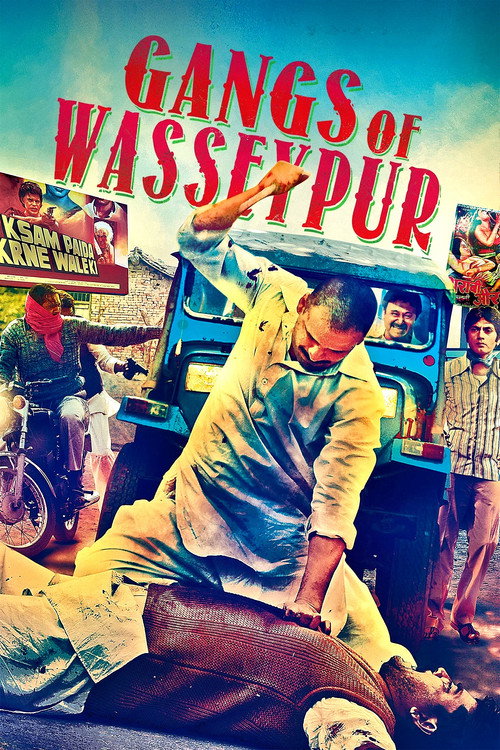
Gangs of Wasseypur - Part 12012
A generational crime saga with the same appetite for messy violence, regional politics, and moral collapse. Raw, funny, and propulsive—it shows what happens when you follow power through a family across decades.
But Nearly five hours across two parts, with deliberately unglamorous characters and a plot that demands you stay focused. Some find it shapeless; others find that's the point.
The Godfather1972
The template for what Gulaal reaches toward: a story about how systems corrupt good men and how violence becomes the only language institutions speak. A masterclass in weaving individual ambition into larger criminal structures.
But Three-and-a-half hours of deliberately paced cinema. If you need constant plot momentum rather than character immersion, it may feel slow.

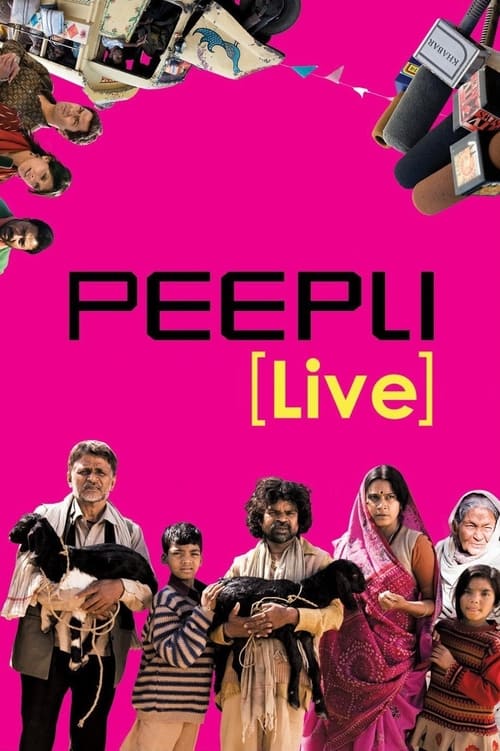
Peepli Live2010
Another Indian film about how institutions—here, government and media—cannibalize individuals. Darker and sharper than it first appears, with a similar skepticism about systems and those who serve them.
But The humor is pointed and sometimes bleak. It's not a comfortable film, and the satire lands harder if you're familiar with Indian politics.
Not sure tonight? Get a pick in a minute, starting from Gulaal
The wildcard
Something you would not have found on your own.
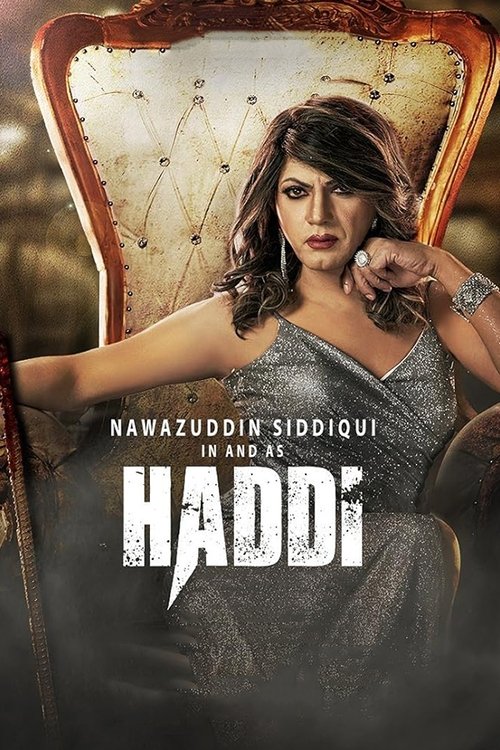
Haddi2023
Both are Indian crime films that use genre to interrogate power structures and the bodies that systems destroy. Where Gulaal focuses on caste, Haddi centers gender—same machinery, different targets.
A transgender crime lord in Delhi's underworld—a gender-bent subversion of every gangland story you've seen. It uses the crime drama genre to tell a story that refuses to be reduced to victimhood, moving with savage intelligence and dark humor.
But Transgressive subject matter and explicit sexuality. Some viewers come for the crime plot and feel unsettled by a narrative that refuses to center straight male perspective.
More like this (8)
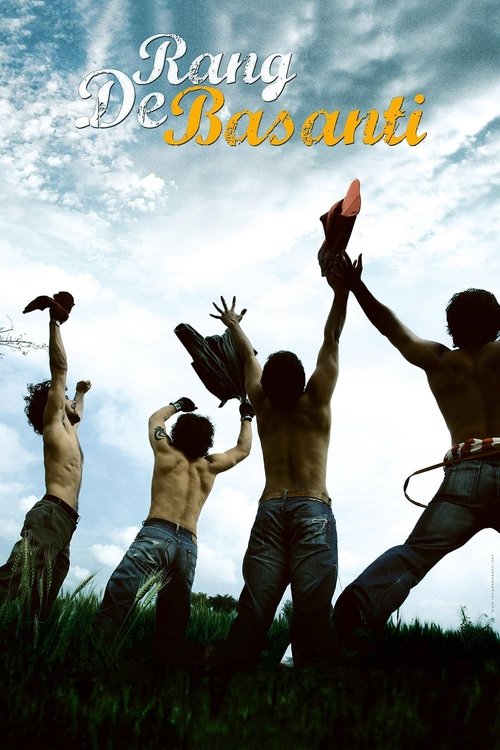
Rang De Basanti2006
A younger generation radicalized by injustice; the crossing of a line from idealism into something dangerous. It asks the same question as Gulaal: what happens when you stop believing the system can be changed from inside?
But Where Gulaal is cynical, this is caught between passion and doubt. Some find that ambivalence frustrating.
No Country for Old Men2007
A crime film that doesn't explain its violence or moralize it. Brutal, unsentimental, and deeply interested in how institutional power actually works. The same cold eye that Gulaal brings.
But Sparse dialogue and long sequences of quiet dread. The violence, when it comes, is sudden and casual in a way some find distressing.

Sarkar2005
Amitabh Bachchan in a corporate crime drama that strips away Bollywood glamour. It understands that modern power moves through money and influence, not just street muscle. Pulp but intelligent.
But Preoccupied with plot mechanics over character development. If you want emotional depth, you might feel it's just assembling pieces.

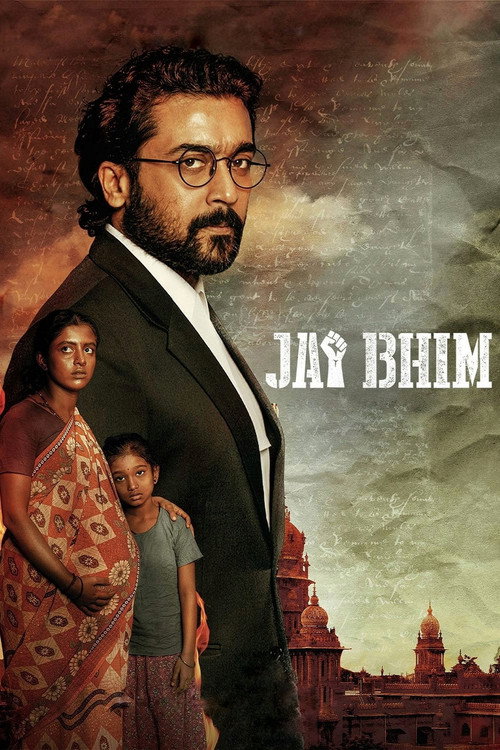
Jai Bhim2021
A Tamil-language film about caste, police brutality, and institutional violence. Where Gulaal is sprawling, this is focused, but both refuse to let systems off the hook. Fury underneath every scene.
But Subtitled, and the violence against the vulnerable is sometimes hard to watch. Not designed to comfort you.
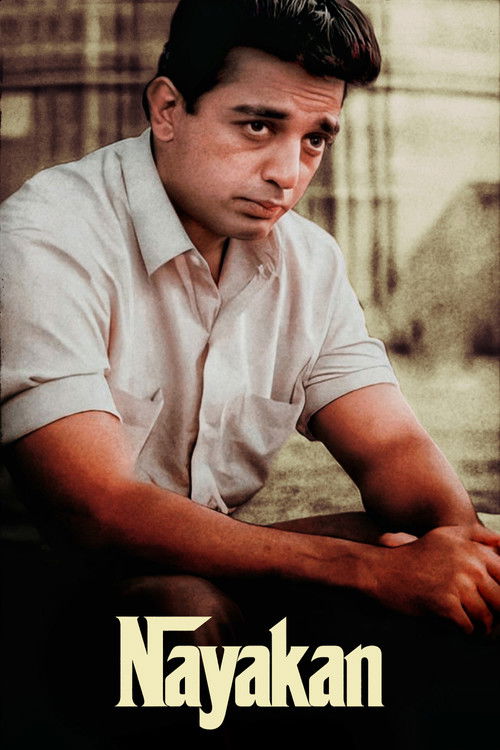
Nayakan1987
Mani Ratnam's Tamil masterpiece about a man remade by the world into a criminal. Operatic, gorgeously shot, and fascinated by how good intentions curdle into monstrosity. A spiritual ancestor of Gulaal's ambitions.
But Subtitled and over two hours. The pacing is deliberate, and some scenes linger longer than modern audiences expect.
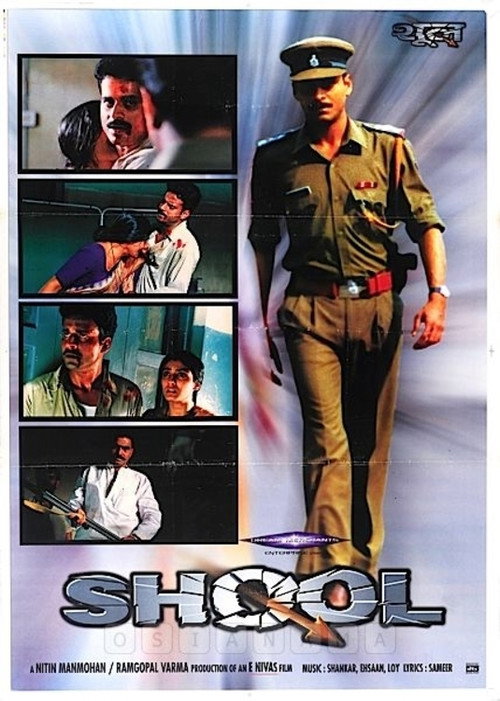
Shool1999
A thriller about police corruption and institutional rot in small-town India. Tighter and more plot-driven than Gulaal, but asking the same hard questions about who controls violence and power.
But The villain is almost unredeemably brutal, and the film doesn't soften that. Some find it harder to sit with than more conventional crime dramas.
A Prophet2009
Released the same year as Gulaal and constructed around the same structural idea: a young man entering a hierarchy and learning that survival means corruption. One is in college; one is in prison. Same initiation, different classroom.
A French film about a young man radicalized inside prison, learning the language of power and survival. Shot with clinical precision and moral clarity. An argument made in images rather than dialogue about how institutions forge criminals.
But Subtitled, deliberately slow, and the hero is genuinely unsympathetic. You watch someone become worse, and the film doesn't offer you an easy emotional exit.

Memories of Murder2003
Both see crime as symptomatic rather than exceptional—the outcome of systems that were already rotten. Where Gulaal follows the criminal's rise, this follows the failure to catch him. Different angles on the same corruption.
A Korean serial killer film about institutional failure and the helplessness of men inside broken systems. Darkly funny, visually ingenious, and utterly committed to its moral ambiguity. Shows what crime cinema can do when it stops pretending institutions can be redeemed.
But Subtitled, over two hours, and structured in a way that builds dread rather than catharsis. The ending will frustrate anyone looking for resolution.

People
Cast
 Raj Singh ChaudharyDilip Singh
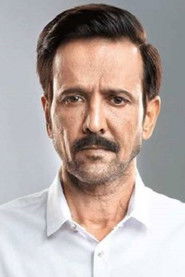 Kay Kay MenonDukey Bana
 Abhimanyu SinghRananjay "Ransa" Singh
 Piyush MishraPrithvi Bana
 Jesse RandhawaAnuja
 Ayesha MohanKiran
 Aditya SrivastavaKaran
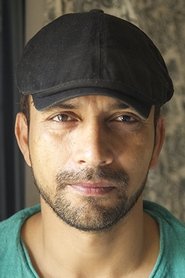 Deepak DobriyalRajendra Bhati
 Pankaj JhaJarwal
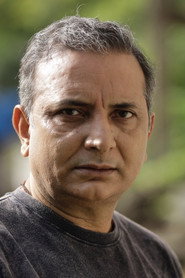 Mukesh BhattBhanwar Singh
 Mahie GillMadhuri
 Neil BhattKesar
Directing
- Anurag KashyapDirector
Writing
- Anurag KashyapDialogue
- Rahul SinghDialogue
- Anurag KashyapScreenplay
- Anurag KashyapStory
- Aparnaa MalhotraStory
- Raj Singh ChaudharyStory
- Sanjay MauryaStory
Production
- Gautam KishanchandaniCasting
- Ajay RaiExecutive Producer
- Deepak SharmaProducer
Recommended by
A Girl in the River: The Price of Forgiveness, Masaan, The World Before Her, The Great Indian Kitchen, Section 375, Chandni Bar, A Wednesday!, Viduthalai: Part I, Ek Ladki Ko Dekha Toh Aisa Laga, Prem Rog, Dev, Blackmail, Corporate, Haasil, Omkara, Siddharth, Kaamyaab, Mumbai Meri Jaan, Bhaiyya Ji, Jism 2, Delhi-6, Vikram Vedha, Jail, Gangubai Kathiawadi, Lajja, Chase, Salim Langde Pe Mat Ro, Badmaash Company