
Film
Masaan
- Social drama
- Slow-burning
A quartet of interconnected stories unfolds along the Ganges in a small North Indian town, where rigid social hierarchies and unforgiving morality crush the desires of ordinary people. Masaan is tender and devastating—a film that observes human longing with patience and genuine compassion, refusing easy answers or redemption. It's for anyone willing to sit with discomfort and witness lives constrained by systems larger than themselves.
Should you watch it?
Watch it if you want slow, observant drama that lets small-town texture, caste pressure and quiet longing unfold, and you're happy with several strands braided together rather than one plot.
Skip it if you need a clear plot engine, since this moves in loose, meandering strands and its pacing can feel languid across its 109 minutes.
What it asks of you: Settle in for a little under two hours of patient, unhurried watching; the mood is melancholic, the light often gentle, and attention pays off in small looks and silences.
Not sure? Find tonight's pick in a minute.
If you liked this
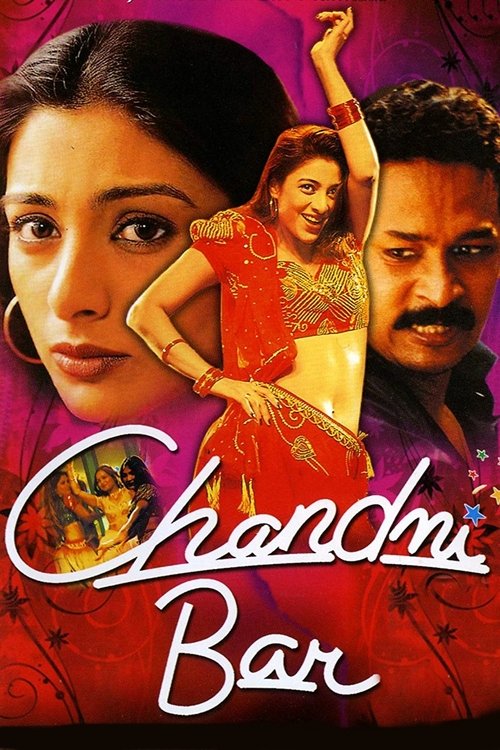
Chandni Bar2001
Like Masaan, it's an unflinching portrait of a woman navigating impossible social circumstances with dignity intact. Both films refuse to sensationalize their subjects' suffering or offer redemptive fantasy.
But It's grittier and more sexually explicit than Masaan, and the nihilism runs deeper. The protagonist's trajectory offers less hope.
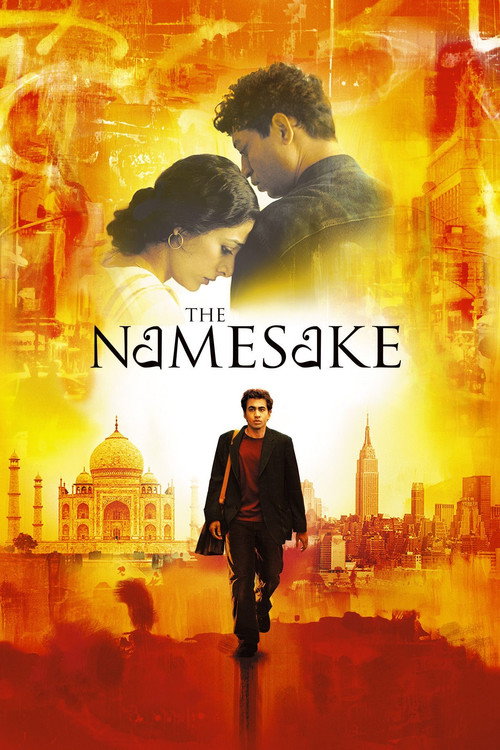
The Namesake2006
A multigenerational story about identity, belonging, and the weight of family expectation. Both films explore how heritage can feel like a cage, and both treat their characters' confusion with profound empathy.
But It's quieter and more introspective than Masaan. Some find its pacing glacial, and the emotional payoff demands patience.
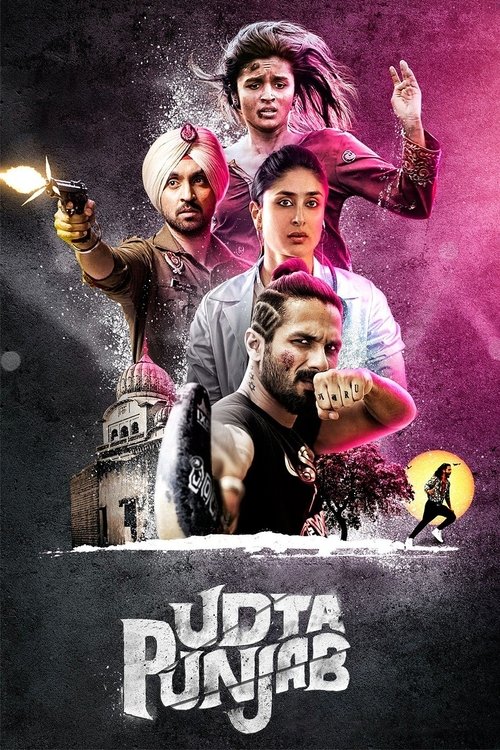
Udta Punjab2016
Four parallel stories of addiction and desperation in Punjab, structured similarly to Masaan. Both films weave multiple lives into a portrait of systemic failure and personal resilience.
But It's angrier and more explicitly political. The drug-addiction storylines are relentlessly bleak, with less of Masaan's spiritual quietness.
Not sure tonight? Get a pick in a minute, starting from Masaan
The wildcard
Something you would not have found on your own.
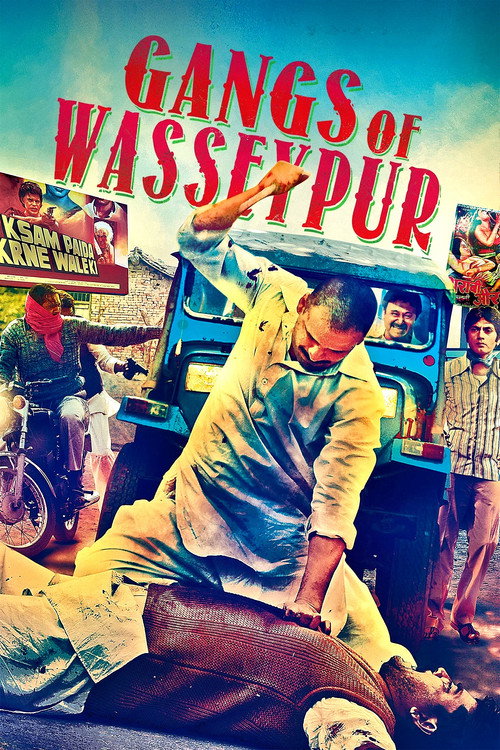
Gangs of Wasseypur - Part 12012
Both are anchored in the North Indian landscape and both use multiple interconnected characters to show how systemic inequality shapes individual lives. But Masaan is intimate and Wasseypur is epic—they're opposite answers to the same question.
A sprawling, violent, darkly comic epic about crime, caste, and masculinity across generations in a single place. Like Masaan, it's obsessed with how geography, history, and social position determine fate—but tells it through brutal action and gallows humor instead of quiet observation.
But It's brutal, three hours long, and unapologetically maximalist. The violence is graphic and the tone shifts wildly. If you want Masaan's restraint and gentleness, this will feel like a violation.
More like this (8)
NH102015
A tense, propulsive thriller that still finds time to explore caste violence and patriarchal brutality. Like Masaan, it refuses to separate personal tragedy from social structure.
But It's far more genre-driven and violent. If you're watching Masaan for its meditative tone, this will feel like a genre detour.

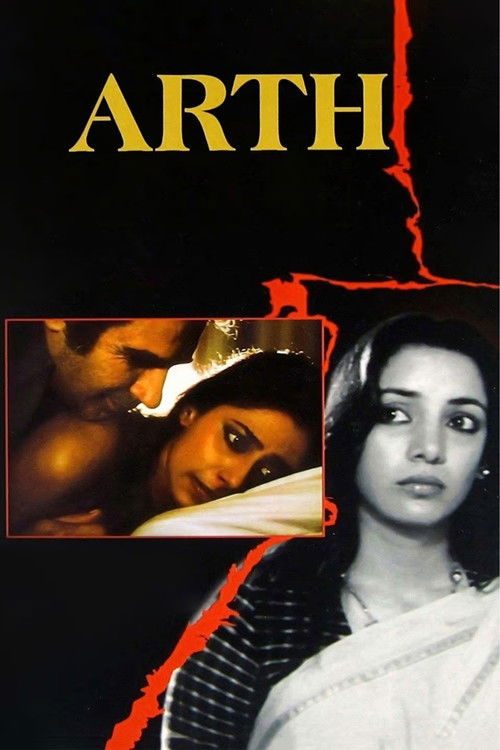
Arth1982
A pioneering examination of infidelity, shame, and female autonomy in a constrained society. Both films treat their female characters as full moral agents, not victims.
But It's a product of the 1980s and carries some of that era's conventions. The melodrama is more pronounced than Masaan's restraint.
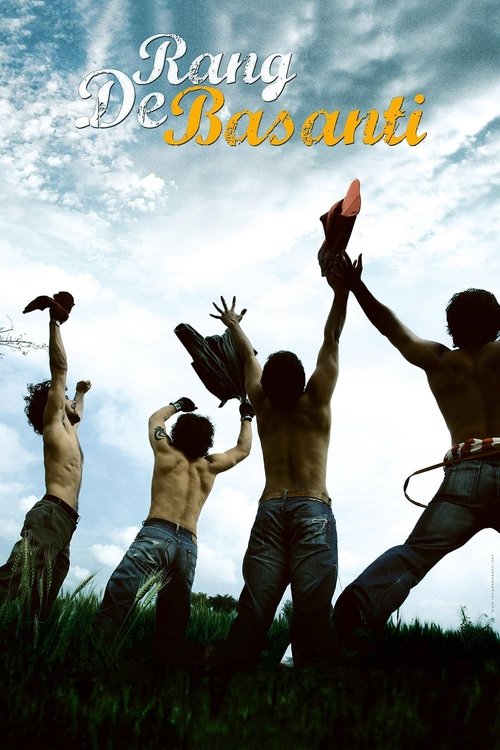
Rang De Basanti2006
Young people reckoning with corruption, injustice, and their own moral compromise. Both explore how systems deform idealism and how ordinary people become complicit.
But It pivots into thriller territory and becomes more conventional. Its activism is more explicit and less ambiguous than Masaan's moral fog.
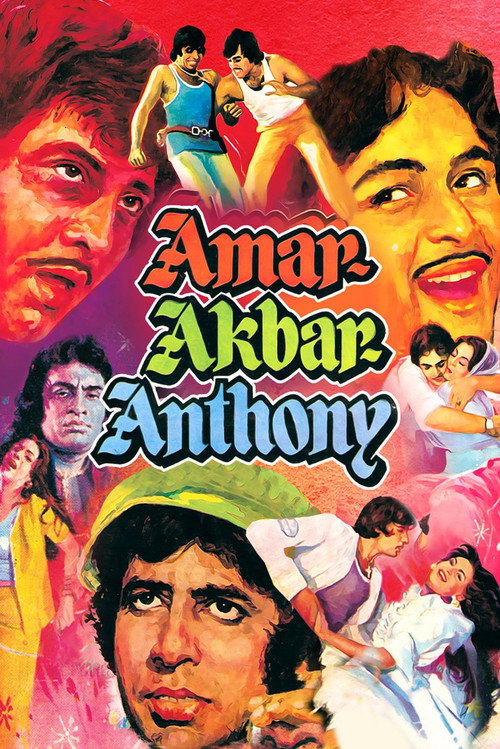
Amar Akbar Anthony1977
A sprawling ensemble piece about fraternity and identity in Delhi, made decades earlier but similarly interested in how place shapes character. Both films love their settings and their people.
But It's a masala film—lighter, more plotted, far more entertaining. If you want Masaan's gravity and slowness, this will feel like the opposite.
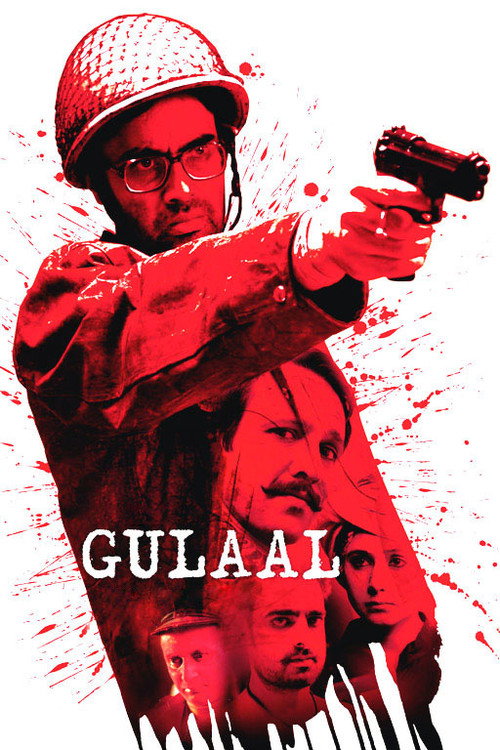
Gulaal2009
A portrait of young men trapped in systems of power and corruption. Both films show how institutions grind down individual will and how complicity creeps up slowly.
But It's more conspiratorial and stylized, with a murkier narrative. Some find it pretentious, and it demands active attention.
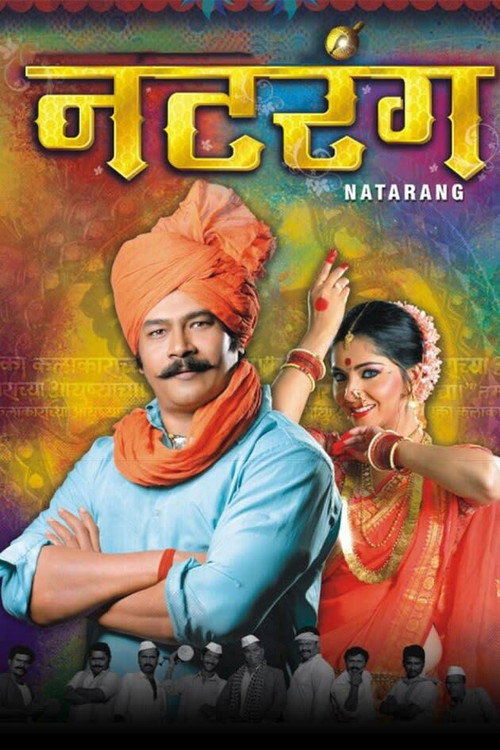
Natrang2010
An aging theater actor's obsession with a classical role becomes a study in dignity, tradition, and the self. Both films honor their protagonists' inner lives even when the world dismisses them.
But It's in Marathi, and its focus on theatrical performance rather than social realism is narrower. Its humor might undercut the seriousness you seek.
Court2015
Both are moral documents about how systems constrain ordinary people. Masaan uses narrative and character; Court uses form and abstraction. One is warm; one is glacial. Both refuse easy answers.
A nearly wordless, procedurally rigorous examination of a man accused of sedition and the judicial system that grinds him down. It's Brechtian, minimalist cinema about power and helplessness, structurally opposed to narrative satisfaction.
But There's almost no plot and no character development in the traditional sense. Entire scenes consist of paperwork and waiting. If you need emotional catharsis, you won't find it.

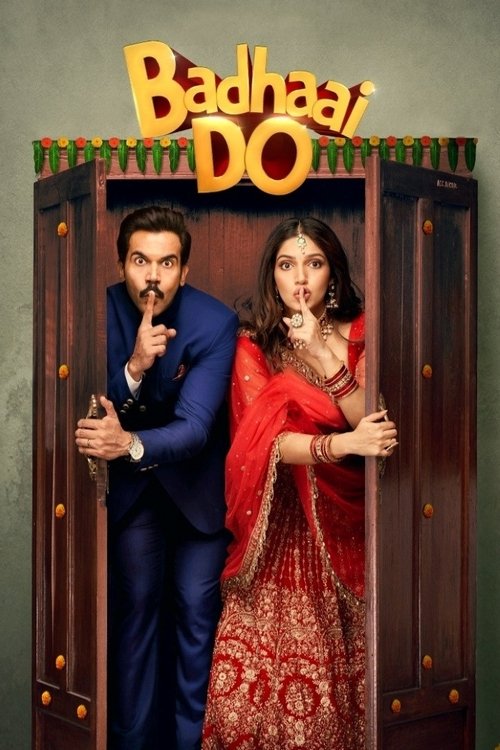
Badhaai Do2022
Both center on characters trapped by small-town Indian morality and both ultimately suggest that love and connection can exist within those constraints, not only in rebellion against them. Masaan shows the cost; Badhaai Do shows the possibility.
A modern, tender comedy about two gay men of marriage convenience who find genuine love and companionship. It treats small-town India and traditional family structures with humor and warmth rather than condemnation—the same generosity Masaan shows its characters.
But It's lighter and more hopeful than Masaan, sometimes veering into sentimentality. If you're drawn to Masaan's tragedy and moral ambiguity, this will feel compromised by its own sweetness.
People
Cast
 Richa ChadhaDevi Pathak
 Sanjay MishraVidyadhar Pathak
 Vicky KaushalDeepak Chaudhary
 Shweta Tripathi SharmaShaalu Gupta
 Pankaj TripathiSadhya Ji
 Bhagwan TiwariInspector Mishra
 Vineet KumarDoctor Choudhary
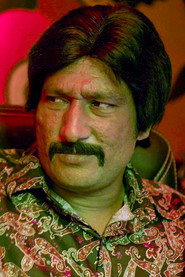 Bhupesh SinghSikander Chaudhary
- Nikhil SahniJhonta
- Satyakam AnandVikram Mallah
- Saurabh ChoudharyPiyush
Directing
- Neeraj GhaywanDirector
- Karuna DuttFirst Assistant Director
- Naina PanemanglorSecond Assistant Director
- Puja BanerjiSecond Assistant Director
Writing
- Neeraj GhaywanScreenplay
- Varun GroverScreenplay
- Neeraj GhaywanStory
- Varun GroverStory
Production
- Shiladitya BoraAssociate Producer
- Mukesh ChhabraCasting
- Pawan SinghCasting Assistant
- Shreedhar DubeyCasting Associate
- Dipa De MotwaneCo-Producer
- Jérôme SeydouxCo-Producer
- Olivier PèreCo-Producer
- Rémi BurahCo-Producer
- Romain Le GrandCo-Producer
- Sophie SeydouxCo-Producer
- Anandita SarkarLine Producer
- Anurag KashyapProducer
- Guneet MongaProducer
- Manish MundraProducer
- Marie-Jeanne PascalProducer
- Mélita Toscan du PlantierProducer
- Shaan VyasProducer
- Vikas BahlProducer
- Vikramaditya MotwaneProducer
Recommended by
House of Saddam, Bombay Talkies, Ajeeb Daastaans, Lust Stories 2, Piku, Fukrey, Badhaai Do, Raanjhanaa, Fitoor, Bobby, Premam, Hercai, Lakshmi, The Sky Is Pink, Baseraa, Tumhari Sulu, Shuddh Desi Romance, Lily, Geethanjali, Half Girlfriend, Bajrangi Bhaijaan, Moondram Pirai, Theevandi, Adhe Kangal, Pasanga, Thangamagan, Taarak Mehta Ka Ooltah Chashmah, Kumkum Bhagya, Godha, Puthagam