
Film
Court
A Marathi-language drama about the trial of an aging folk singer accused of inciting a sewerage worker's suicide through his song. Deliberately paced and formally austere, it observes the machinery of law with surgical precision while gradually revealing the fractured lives of those administering it. For viewers who prize restraint and moral ambiguity over plot.
Should you watch it?
Watch it if you love slow, observational films where the drama comes from procedure and small human routines rather than big confrontations, and you don't mind sitting with long, unhurried silences that feel like real life.
Skip it if you want a courtroom story with sharp exchanges, quick reversals and a clear hero; this one moves at a deliberate pace and its legal battle is more a quiet, grinding backdrop than a thriller.
What it asks of you: It runs about two hours at a patient, measured tempo, asking you to stay alert to ordinary details, and it rewards attention more than it rewards being entertained moment to moment.
Not sure? Find tonight's pick in a minute.
If you liked this
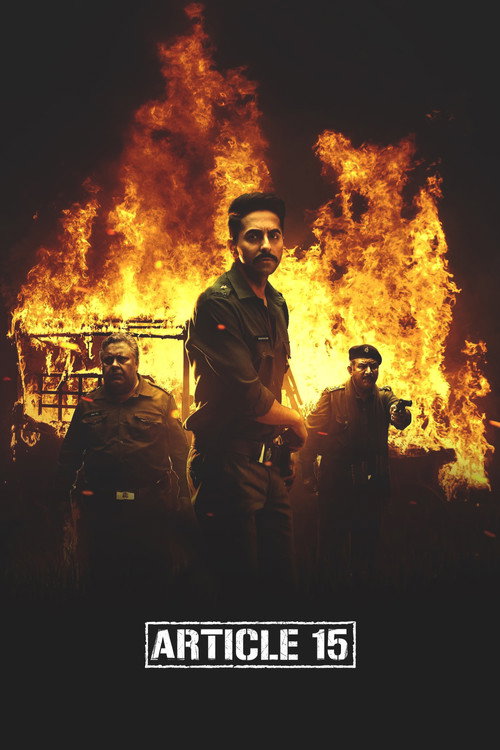
Article 152019
Another Indian legal drama that interrogates the justice system's failures through a specific case. Sharp social commentary wrapped in a procedural that actually builds tension, with an exceptional lead performance.
But More conventional and accessible than Court—it wants you to feel things clearly rather than sit with discomfort. Some may find it didactic.
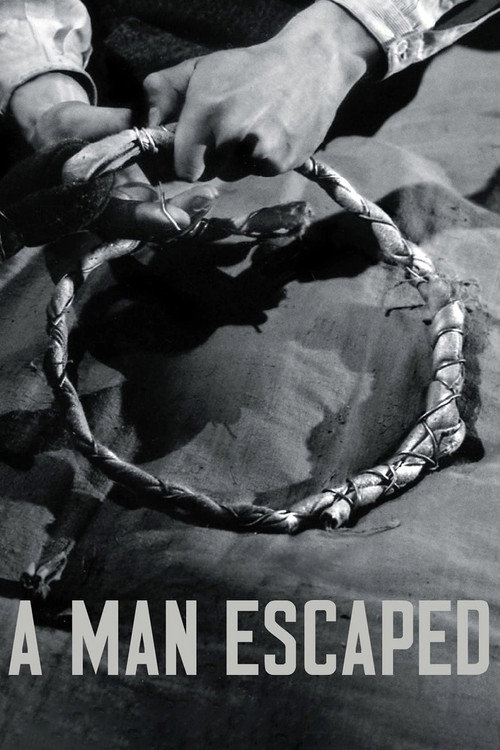
A Man Escaped1956
Bresson's masterpiece of constraint and moral clarity. Like Court, it trusts silence and the space between actions to carry weight. Obsessive attention to detail as a form of grace.
But Seventy years old, shot in black and white, deliberately spare. Patience required. The escape plot is secondary to its meditation on will.
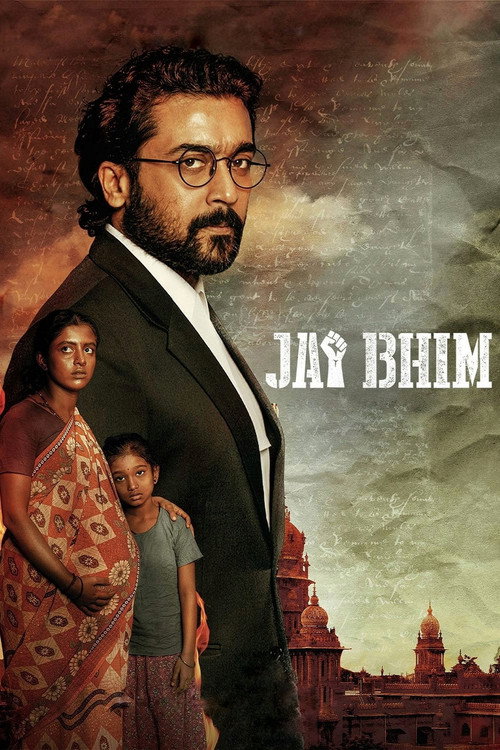
Jai Bhim2021
A more recent Tamil film equally invested in exposing police brutality and judicial indifference. Gripping and furious, but structured with the same methodical care Court brings to its courtroom scenes.
But Longer and more emotionally draining. The righteous anger, while justified, leaves less room for the ambiguity Court preserves.
Not sure tonight? Get a pick in a minute, starting from Court
The wildcard
Something you would not have found on your own.
The Act of Killing2012
Both use formal constraint to expose the gap between the machinery of justice and actual accountability. Court watches law fail silently; this watches the perpetrators perform outside it.
A documentary that puts accused Indonesian genocide perpetrators in front of the camera to reenact their crimes. Turns the trial format inside out: witnesses become performers, justice becomes impossible. A visceral companion to Court's meditation on how law fails morality.
But Genuinely disturbing and morally vertiginous. You watch men laugh about massacre. Some find it exploitative; others find its refusal to judge clearly more honest than conventional tribunal coverage.

More like this (8)
Mulholland Drive2001
Lynch's fractured Los Angeles. Like Court, it observes lives adjacent to its central mystery, and refuses to resolve itself neatly. Structure as meaning.
But Abstract and deliberately obtuse. If you want answers, you won't find them. Entirely different genre and mood, but shares Court's willingness to frustrate.

The Third Man1949
A legal and moral investigation wrapped in noir atmosphere. Reed's Vienna is as much a character as any person. Beautifully composed frames that matter more than quick cuts.
But Post-war espionage thriller in black and white. The pacing is deliberate, the emotional temperature cool. Some find it dated.

A Prophet2009
French prison drama that, like Court, watches institutional power crush individual dignity. Superb ensemble work and a protagonist who changes in ways you don't immediately see.
But Prison brutality and moral compromise throughout. It's bleak. Some viewers find it relentlessly grim without uplift.

Stalker1979
Tarkovsky's meditation on desire and faith, structured as a journey through a forbidden zone. Like Court, it moves slowly and trusts you to find meaning in what isn't said. Hypnotic.
But 162 minutes of philosophical wandering. No conventional drama, minimal plot. Demands active surrender rather than passive watching.

The Godfather Part II1974
Coppola's parallel narratives about institutional corruption and the price of power. Vast in scope but precise in observation. The machinery of society laid bare.
But A three-hour crime epic. If you want lean social realism, this is baroque. Some find the Corleone saga romantically seductive in ways Court explicitly rejects.

Winter Light1963
Bergman's spare examination of faith, doubt, and a pastor's spiritual crisis. Minimal plot, maximum emotional weight. Shot in black and white with the same austere beauty Court achieves.
But Philosophically demanding and emotionally remote. Some viewers find it cold rather than profound. Just over 80 minutes but feels longer.

Ikiru1952
Both are deeply humanistic portraits of people crushed by systems larger than themselves. Court asks what justice means; Ikiru asks what a life means when the system has consumed it.
Kurosawa's film about a dying bureaucrat discovering meaning in constructing a playground. A study of institutional life, wasted time, and the human need to matter. Astonishingly moving. Like Court, it finds tragedy in ordinariness and structures its observations with absolute precision.
But A meditation on death and futility. Longer than its plot summary suggests. Japanese, black and white, from 1952. Not everyone wants existential sadness from their cinema.

Memories of Murder2003
Both are investigations that expose the investigator. Court puts the judge and lawyers in focus; this puts detectives under the microscope. Both conclude that the system corrupts everyone inside it.
Bong Joon-ho's serial killer investigation in 1980s South Korea. Structurally similar to Court—a procedural that slowly reveals the investigators' moral compromises. Methodical, then devastating. The investigation becomes a mirror for institutional rot.
But Korean noir with graphic violence. The tone shifts from procedural to tragedy in ways that unsettle. Some find the ambiguous ending unsatisfying after two and a half hours of setup.

People
Cast
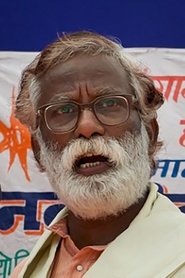 Vira SathidarNarayan Kamble
 Vivek GomberVinay Vora
 Geetanjali KulkarniPublic Prosecutor Nutan
- Pradeep JoshiJudge Sanjay Sadavarte
- Shirish PawarSubodh Kushte
- Usha BaneSharmila Pawar
- Arpita ChateMeenu
- Bipin ManiarVinay's Father
- Panna MehtaVinay's Mother
 Mansi MultaniNightclub Singer
- Swapnil KedayiStudent #1
- Jagruti MoreStudent #2
Directing
- Chaitanya TamhaneDirector
Writing
- Ramu RamanathanScript Consultant
- Vikrant TamhaneScript Consultant
- Chaitanya TamhaneWriter
Production
- Satchit PuranikCasting Director
- B. S. NarayanaswamyExecutive Producer
- Kishor SawantLine Producer
- Vivek GomberProducer
Recommended by
Masaan, Peepli Live, Thappad, Shahid, Angadi Theru, Siddharth, Akaash Vani, Eeshwar, Sarvam Thaala Mayam