
Film
Nayakan
Nayakan is a Tamil crime epic that follows a man's inevitable descent from wronged youth to underworld kingpin. It's a portrait of trauma breeding violence, shot with operatic intensity and moral clarity. A masterwork of Indian cinema that moves like a Shakespearean tragedy—formal, propulsive, and rarely looking away from the cost of survival.
Should you watch it?
Watch it if you love crime stories built around a single man's moral slide, where the power comes from a patient, character-driven portrait rather than set-piece action alone.
Skip it if you want a brisk, light crime thriller; at roughly two and a half hours with a slow, weighty build, its pace will test patience.
What it asks of you: Settle in for a long, deliberate sitting; it moves at a measured pace, leans dark and heavy, and rewards full attention across its runtime.
Not sure? Find tonight's pick in a minute.
If you liked this
Alaipayuthey2000
Another Mani Ratnam film exploring how circumstances shape lives, with Kamal Haasan's spiritual successor in the lead. Gorgeously shot and emotionally devastating, it has the same poetic approach to fate.
But Heavier on romance and music than crime—the tone shifts from what you'd expect given the setup.

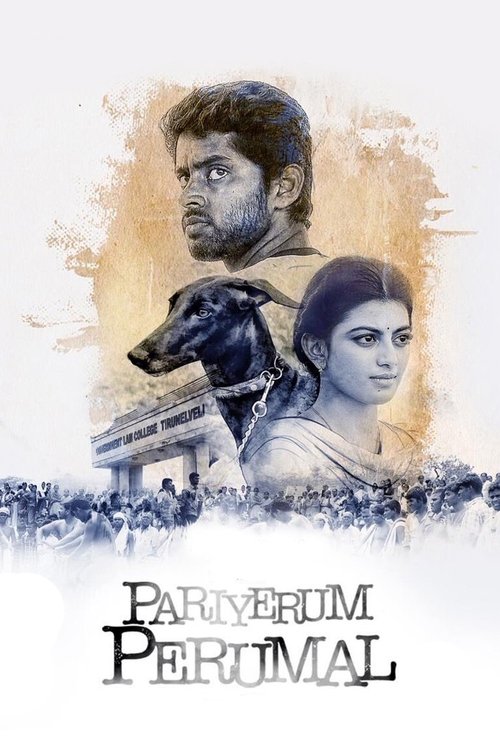
Pariyerum Perumal2018
A Tamil crime-drama that examines systemic injustice and personal redemption through legal warfare rather than gunfire. It has Nayakan's moral seriousness and its refusal to simplify its protagonist.
But The pacing is deliberately measured; action is sparse and the climax depends on courtroom argument rather than spectacle.
Deewaar1975
Amitabh Bachchan's iconic turn as a man driven to crime by injustice and poverty. It's the Hindi cinema equivalent of Nayakan's moral anatomy of a gangster, with equal power.
But At 174 minutes it's nearly as long and can feel episodic; some moments veer toward melodrama in ways Nayakan avoids.

Not sure tonight? Get a pick in a minute, starting from Nayakan
The wildcard
Something you would not have found on your own.
The Farewell2019
Both films treat their protagonists as trapped by forces larger than themselves—duty, circumstance, family history—and explore what survival costs when you can't escape those binds.
Lulu Wang's film about family, duty, and the weight of inherited trauma across generations. Structurally and tonally nothing like Nayakan, yet it examines the same idea: how circumstance and family obligation forge us into shapes we didn't choose.
But It's a family comedy-drama with a dying grandmother at its center—nothing resembles crime or violence. The connection is entirely thematic and may feel too oblique.

More like this (5)
A Prophet2009
A French crime epic tracking a youth's rise through prison and into the underworld. Like Nayakan, it treats this descent as genuine tragedy, not entertainment, with the same brutal honesty about survival's cost.
But French cinema pacing means long stretches of quiet observation; subtitles required; the tone is bleaker and offers no moral comfort.

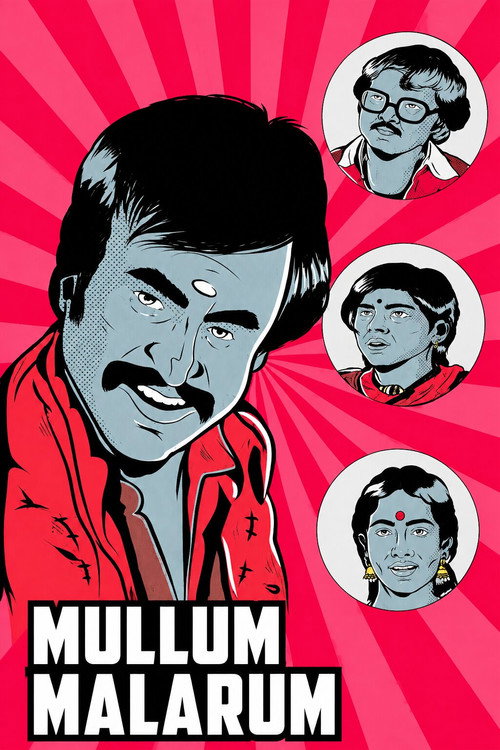
Mullum Malarum1978
Another Tamil tragedy following a man broken by circumstance into violence and criminality. Rajinikanth delivers a raw performance in a script that never excuses its protagonist while understanding him completely.
But The print is aged and sometimes hard to follow; the emotional weight can feel punishing rather than cathartic.
The Godfather1972
The Western template for the tragic crime epic. Like Nayakan, it traces moral corruption as consequence, not choice, and shoots the underworld as a parallel society with its own codes and gravity.
But Three hours and methodical pacing; the film's influence means it may feel familiar. The Mafia context is distant from Nayakan's world.

Angadi Theru2010
A Tamil film about crime and economics in a specific community, with the same documentary specificity about how poverty breeds violence. It's less mythic than Nayakan but equally compassionate.
But The narrative is fragmented and loose; it prioritizes texture over plot, which can feel meandering if you're looking for a clean story.

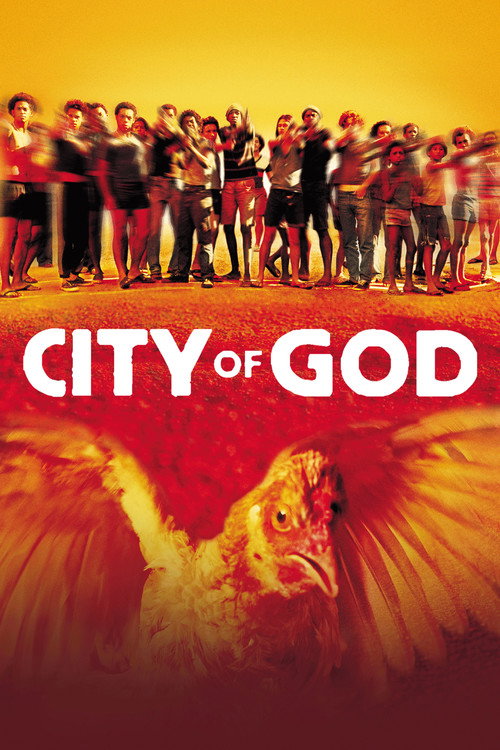
City of God2002
Both films refuse to separate crime from its social context, showing us the specific machinery of how poverty manufactures criminals. But Cidade Deus democratizes the view—dozens of characters, not one tragic arc—and finds dark comedy in what Nayakan treats as myth.
A Brazilian favela crime saga told through interconnected stories and formal brilliance. It has Nayakan's documentary specificity about poverty breeding violence, but shot through with Bresson-like formal innovation and kinetic energy that keeps the brutality from calcifying into myth.
But The editing is aggressive and sometimes disorienting; the violence is graphic and frequent; subtitles required. The register is deliberately pop and kinetic where Nayakan is operatic and still.
People
Cast
 Kamal HaasanSakthivel 'Velu' Naicker
 Saranya PonvannanNeela
 KarthikaCharumati (adult)
 JanagarajSelvam
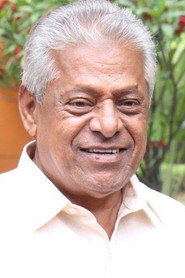 Delhi GaneshIyer
 Nizhalgal RaviSurya (adult)
 NassarAssistant Commissioner Patil
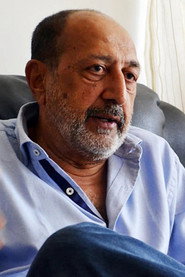 Tinnu AnandAjit Kelkar
 VijayanDurai
 M. V. Vasudeva RaoHussain Bhai
 TaraShakila

Directing
- Mani RatnamDirector
Writing
- BalakumaranDialogue
- IlaiyaraajaLyricist
- PulamaipithanLyricist
- Mani RatnamScreenplay
- Mani RatnamStory
Production
- G. VenkateswaranProducer
- Muktha RamasamiProducer
- Muktha SrinivasanProducer
Recommended by
Once Upon a Time in Mumbaai, Satya, Chandni Bar, Gulaal, Parinda, Vikram, Reporting Live, Trimurti, Haathkadi, Madras, Singam, Chandramukhi, Aranmanai, Billa II, Thalapathi, Manmadhan, Arjun, Mannan, Kaala, Aandavan Kattalai, Kaadan, Vikram Vedha, Simmba, Janatha Garage, Gehri Chaal, Loha, Tirangaa, Ghilli, Pithamagan, Sivaji: The Boss