
Film
Mullum Malarum
Mullum Malarum is a 1978 Tamil drama about rural life, orphanhood, and the tension between tradition and progress. Rajinikanth plays against type as a working-class man whose bond with his sister fractures when modernisation arrives in their village. It's intimate, beautifully shot, and anchored by a performance of rare quietness—a film about what you lose when the world changes.
Should you watch it?
Watch it if you want a quietly observed family drama where sibling loyalty and everyday friction matter more than plot, and you're happy with a hero who is prickly rather than polished.
Skip it if you need brisk pacing or a clear tidy arc, since this one lingers on mood and talk and runs a full two hours and fifteen minutes.
What it asks of you: Give it a little over two hours of unhurried scenes in which feeling builds slowly from ordinary exchanges rather than from big moments of plot.
Not sure? Find tonight's pick in a minute.
If you liked this
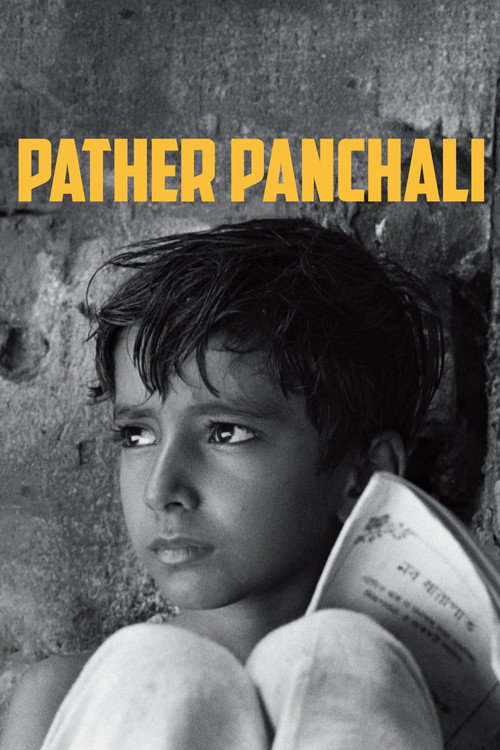
Pather Panchali1955
Satyajit Ray's masterpiece about rural Bengali life, poverty, and family bonds. Poetic, humanising, and the film that showed the world Indian cinema could be art.
But Very long, very slow by modern standards, and grief saturates every frame. It demands surrender, not entertainment.
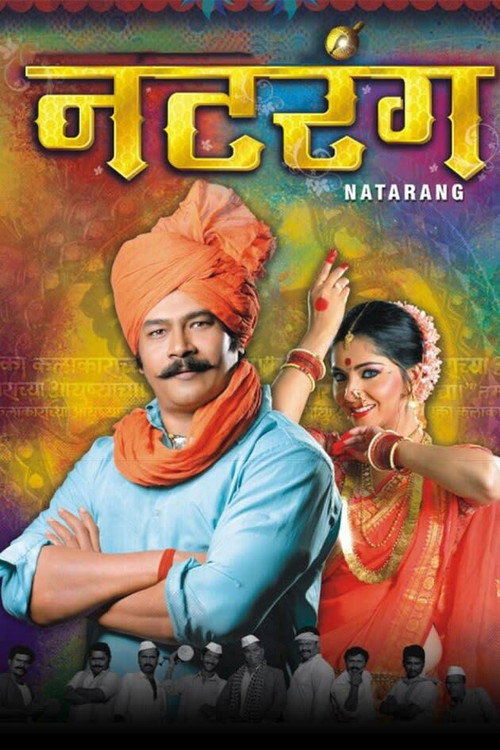
Natrang2010
A Marathi film about tradition, identity, and a man's devotion to classical performance in a changing world. Visually stunning and emotionally ferocious, with a central performance that haunts you.
But The central character's obsession can feel toxic and the film doesn't soften that. Some will find it exhausting rather than tragic.
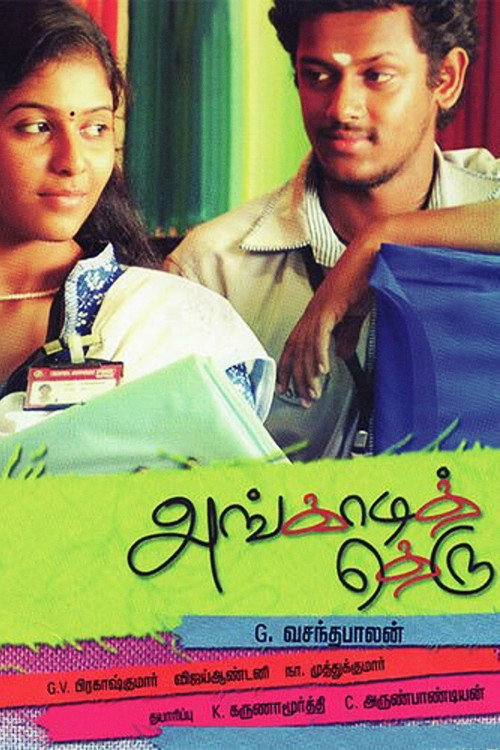
Angadi Theru2010
A Tamil film about manual labourers in a marketplace, shot with documentary precision and genuine tenderness. A rare film about dignity in precarity.
But Deliberately paced, no narrative momentum, and offers observation rather than resolution. It's a mood, not a story.
Not sure tonight? Get a pick in a minute, starting from Mullum Malarum
The wildcard
Something you would not have found on your own.
The Wrestler2008
Both films about men whose skills and identity are being erased by time and economic change; both find grace in physical work and ritual.
Aronofsky's film about a man clinging to a dying form—professional wrestling—in a world that has moved on. Like Mullum Malarum, it's about the violence of obsolescence and the body as the last honest thing. Rajinikanth's quiet suffering has the same register as Mickey Rourke's performance here.
But American indie, completely different setting, but the emotional DNA is dark. It doesn't offer uplift, only recognition. Some find that unbearable.

More like this (4)
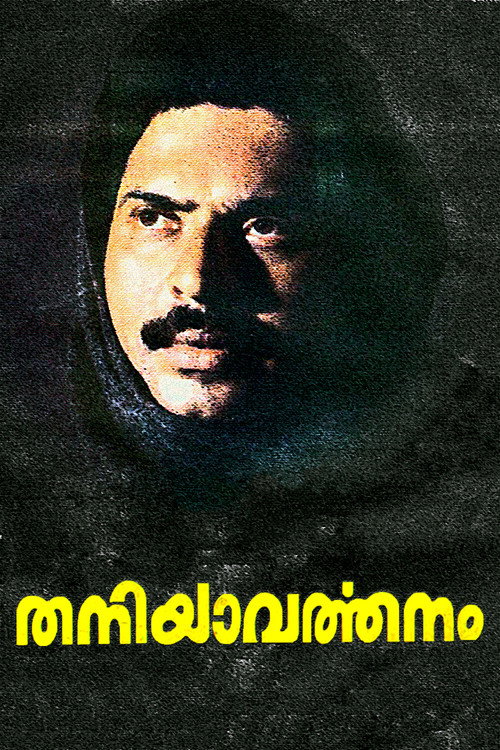
Thaniyavarthanam1987
A Malayalam film about a man returning to his village, confronting change and his own obsolescence. Quiet, meditative, and deeply sad.
But Structurally slight and emotionally draining. Some will see profound restraint; others will see a film that doesn't earn its sadness.
Samskara1970
A Kannada film about tradition, ritual, and a Brahmin community forced to confront its own hypocrisy. Formally daring and morally uncompromising.
But Dense, symbolic, and requires active interpretation. The pacing is deliberately fractured and off-putting to some.

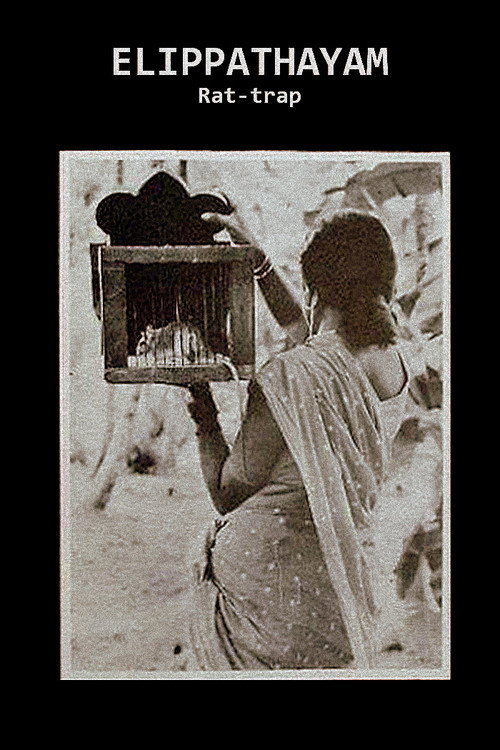
Elippathayam1982
Adoor Gopalakrishnan's Malayalam masterpiece about a feudal family in decline. Architectural framing and psychological precision. For the patient and the curious.
But Extremely slow, visually cold, and the characters are largely unlikeable. It's a film about stasis and rot, not redemption.
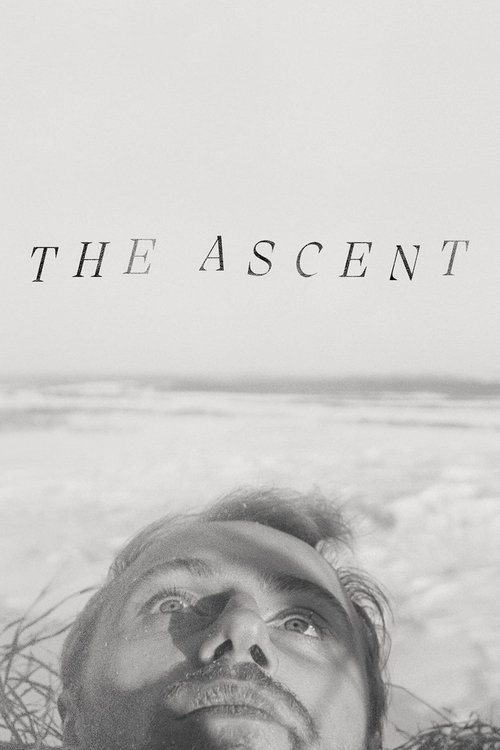
The Ascent1977
Both films from 1977-78, both about rural communities under pressure, both use landscape and framing as moral language rather than backdrop.
Larisa Shepitko's Soviet film about two partisan priests in occupied Ukraine. Shot in luminous black-and-white, it's a meditation on faith, sacrifice, and what you're willing to lose. Made the year before Mullum Malarum, it shares that film's moral weight and formal beauty.
But Extremely philosophical, heavy with religious symbolism, and aesthetically austere. Not a thriller. Requires meditative viewing.
People
Cast
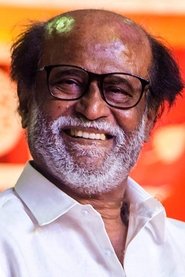 RajinikanthKaali
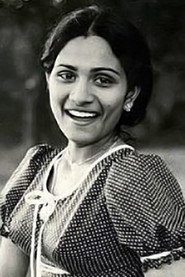 ShobaValli
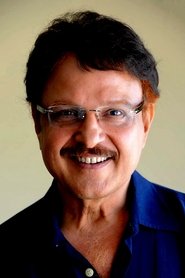 Sarath BabuKumaran, Engineer, Law Point
 Fatafat JayalakshmiMangaa
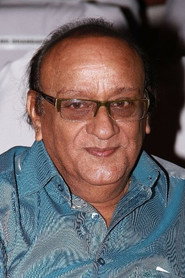 Venniradai MoorthyMurugesa
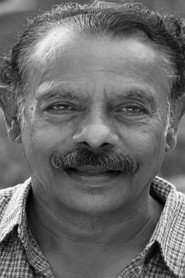 SamikannuPayapulla
Directing
- J. MahendranDirector
Writing
- J. MahendranDialogue
- Gangai AmaranLyricist
- KannadasanLyricist
- Panchu ArunachalamLyricist
- Uma ChandranNovel
- J. MahendranScreenplay
Production
- Venu ChettiarProducer