
Film
Elippathayam
- Social drama
- Very dark
- Slow-burning
Elippathayam is a portrait of a man trapped between worlds—the last heir of a dying feudal family in Kerala, watching his privileges crumble as society changes around him. Unni's descent into isolation and paranoia unfolds with glacial precision, less a narrative arc than a psychological autopsy. It's hypnotic, austere, sometimes uncomfortable to watch. For those drawn to character studies that refuse easy answers.
Should you watch it?
Watch it if you care more for a precise, unhurried study of a household's quiet collapse than for plot, and you enjoy stillness that makes every doorway and silence mean something.
Skip it if the pace is deliberately glacial and the drama lives in small gestures, so if you need events to keep moving, the long held silences will test your patience.
What it asks of you: Roughly two hours of slow framing, long silences and a closed-in world, with little relief and no hurry to explain itself.
Not sure? Find tonight's pick in a minute.
If you liked this
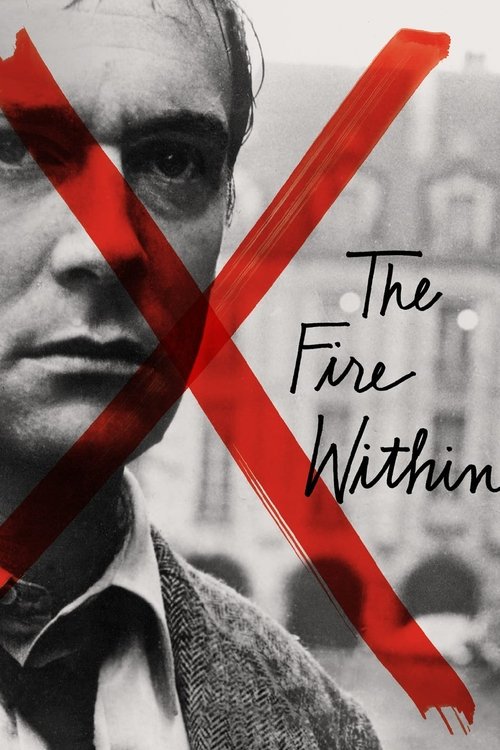
The Fire Within1963
Louis Malle's study of a man's quiet withdrawal from life shares Elippathayam's refusal to dramatize depression or alienation. Both films treat social disconnection as a tragedy of interiority, not spectacle.
But Relentlessly bleak. There's no catharsis, no moment where the character finds reason to engage. Some viewers find this punishing rather than illuminating.
The Seventh Seal1957
Bergman's haunted medieval knight confronting obsolescence echoes Unni's struggle against historical forces beyond his control. Both examine how old orders collapse and how individuals fail to adapt.
But Dense philosophical filmmaking from another era. If you need plot momentum or emotional release, this will feel like watching someone think very slowly for two hours.

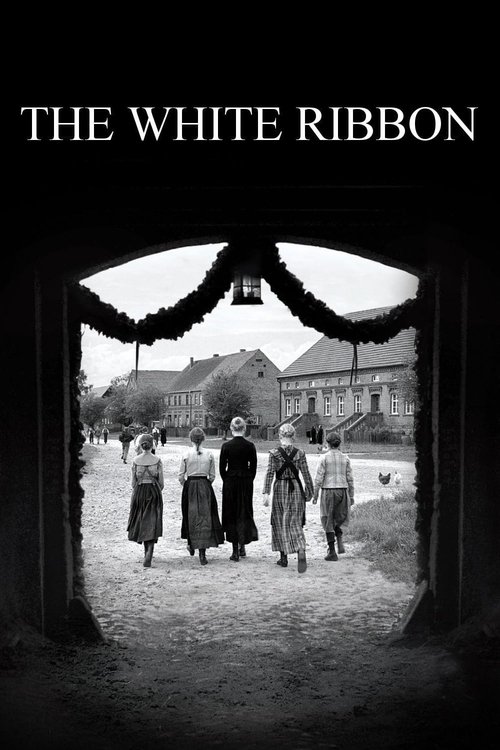
The White Ribbon2009
Haneke's investigation of a community's hidden violence and corruption has the same methodical unease as Elippathayam. Both suggest that social decay produces psychological toxins that fester invisibly.
But Three hours of precise, withholding direction. Haneke respects the audience's intelligence, which means no hand-holding and considerable patience required.
Not sure tonight? Get a pick in a minute, starting from Elippathayam
The wildcard
Something you would not have found on your own.
Memories of Murder2003
Both examine how institutions fail individuals who cannot bend to the world's logic, and how that failure metastasizes into psychological damage. Both trust the viewer to sit with ambiguity.
Bong Joon-ho's serial killer procedural is obsessively watchable—genre filmmaking with real intelligence. What it shares with Elippathayam is subtler: both are about men whose inability to accept social reality drives them toward paranoid desperation.
But Two-and-a-half hours. Some violence, some grotesqueness. The ending offers no resolution, which feels deliberately frustrating.

More like this (5)
The Ballad of Little Jo1993
A woman disguised as a man navigates the American frontier by passing as someone she isn't. Like Unni, she's trapped between identities, unable to find stable ground in a world that has no place for her.
But Quiet, deliberately paced Western that doesn't lean on genre excitement. Some find it too restrained; others find restraint is the point.

Stalker1979
Tarkovsky's meditation on desire, belief, and what happens when men retreat into private obsessions. The film moves at the speed of thought and treats spiritual paralysis as the real subject matter.
But An endurance test. Nearly three hours of philosophical science fiction with long takes and minimal plot. Demands you surrender to its rhythm or reject it entirely.

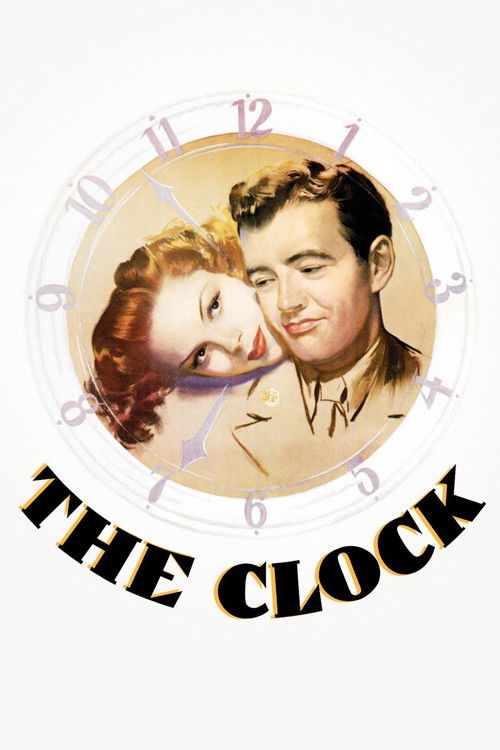
The Clock1945
Vincente Minnelli's wartime romance is pure escapism—a palate cleanser if Elippathayam's gloom overwhelms you. If you need to remember that cinema can also be joyful, this is the antidote.
But Tonal whiplash from everything above it. Light, romantic, conventional. If you're seeking another austere character study, this will feel like the wrong film entirely.
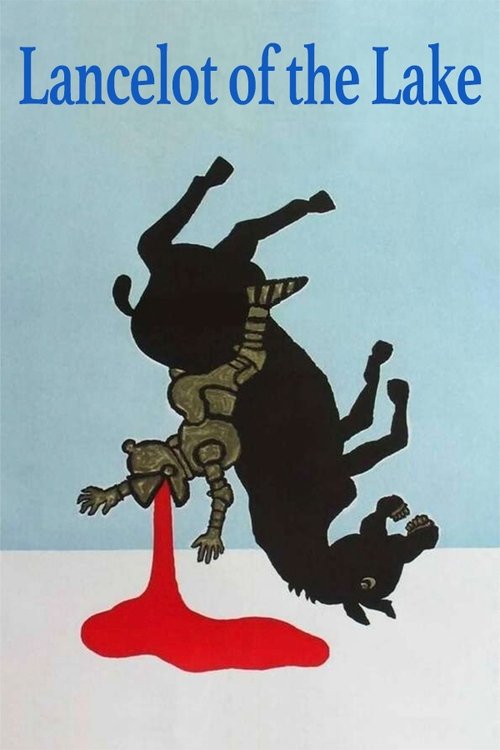
Lancelot of the Lake1974
Bresson's Arthurian legend is stripped of romance to become a study of institutional decay and men incapable of saving themselves. Medieval setting, modern sensibility, total formal rigor.
But Abstract to the point of obscurity. You watch it wanting to know what happens while suspecting nothing will, and Bresson refuses to comfort that suspicion.
Sans Soleil1983
Both distrust conventional narrative and instead offer psychological portraiture through accumulation and atmosphere. Both suggest that the real subject is the passage of time and the impossibility of return.
Chris Marker's essayistic documentary-poem combines found footage, voice-over, and philosophical digression into something that captures the texture of lived experience and social memory. Hypnotic and strange.
But Not a conventional film. No narrative, no characters, no dramatic arc. If you need plot or character investment, this will feel like a beautiful mistake.

People
Cast
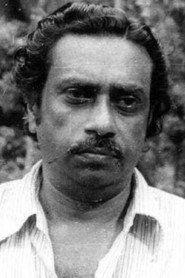
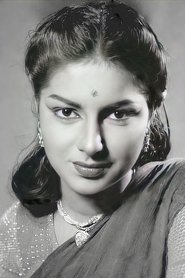 SharadaRajamma
 JalajaSreedevi
- Rajam K. NairJanamma
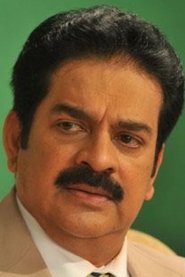
Directing
- MeeraAssistant Director
- Mohan KupleriAssistant Director
- Adoor GopalakrishnanDirector
Writing
- Adoor GopalakrishnanWriter
Production
- T. C. ShankarExecutive Producer
- K Raveendran NairProducer
- Rajasekharan NairProduction Assistant