
Film
Satya
Satya is a defining Mumbai crime epic about an innocent man railroaded into the underworld, where he becomes an unexpected lieutenant to a brutal gang boss. Taut, violent, and morally complicated, it moves with the propulsive energy of lived urgency. Essential viewing for anyone interested in how cinema reflects a nation's criminal infrastructure.
Should you watch it?
Watch it if you want a crime story built on atmosphere and the slow, believable rise of a gangster's crew, where the mood of the city matters as much as the plot.
Skip it if you need fast, tidy plotting or a clear moral line, since the film lingers in its mood and its characters drift through long stretches of talk and menace.
What it asks of you: Set aside nearly three hours and a steady willingness to sit with unhurried, dimly lit scenes where little is explained and everything is felt.
Not sure? Find tonight's pick in a minute.
If you liked this
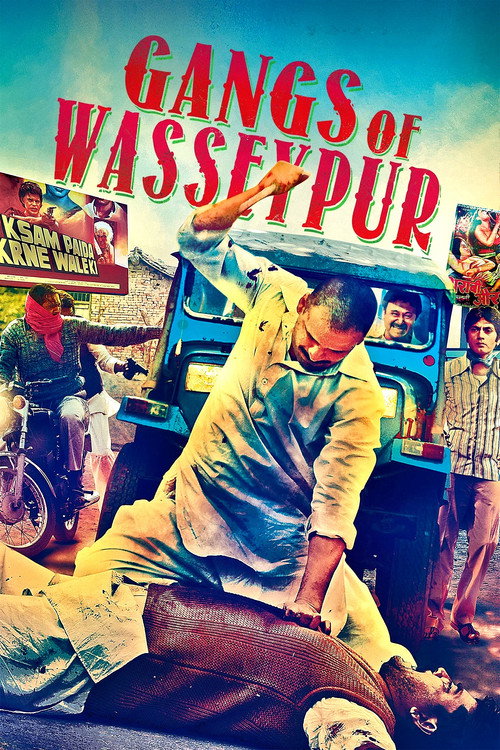
Gangs of Wasseypur - Part 12012
A sprawling two-part crime saga about coal mafia wars in Bihar, anchored by Manoj Bajpayee in a revelatory role. It has Satya's bone-deep understanding of how crime functions as a system, but with even more scope and black humour.
But Nearly five hours across two films, densely plotted, and deeply violent. Anurag Kashyap's style is deliberately rough and unpolished.
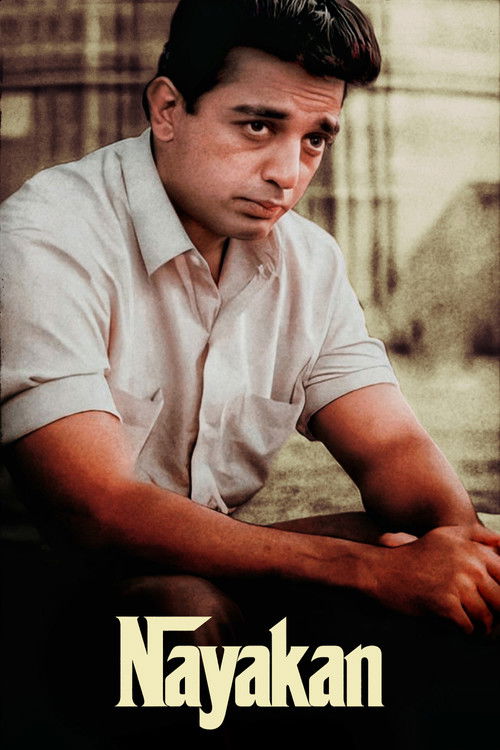
Nayakan1987
Mani Ratnam's Tamil-language precursor—a crime kingpin's rise and moral corrosion, told with far greater visual poetry. It pioneered the terrain Satya would soon map for Hindi cinema, and remains stunning to watch.
But Black-and-white cinematography (in the key sequences), and a slower, more classical rhythm that asks patience.
The Godfather1972
The template for every crime film about systemic corruption and how power corrodes character. Satya wears its influence proudly, but applies it to a completely different context and economy.
But Three and a half hours, and deliberately paced. If you're coming from Satya's kinetic energy, Coppola's formality can feel distant.

Not sure tonight? Get a pick in a minute, starting from Satya
The wildcard
Something you would not have found on your own.
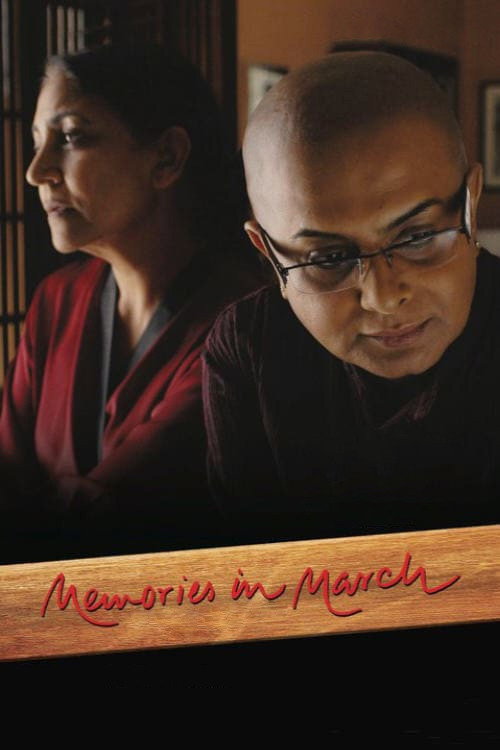
Memories in March2011
Both films understand that entering a world (whether criminal or closeted) often means losing the person you were. The entry point is irreversible; the cost is paid in severed relationships and compromised identity.
A quiet, devastating film about grief and the gap between who we are and who our families believe us to be. It has nothing to do with crime, but shares Satya's deep interest in how the world we're born into determines who we become, and whether escape is possible.
But It's a slow, introspective drama about loss and estrangement. There's no action, no gangland wars—just the weight of unspoken truths.
More like this (7)
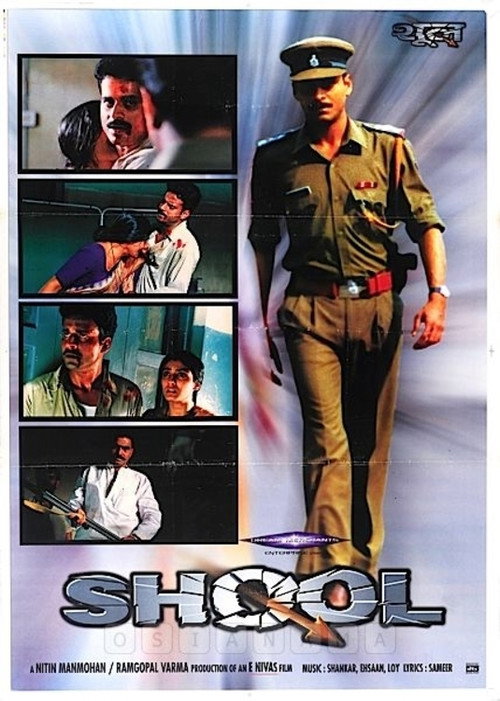
Shool1999
Ram Gopal Varma's near-contemporary about police corruption in Bihar, with Manoj Bajpayee again brilliant. It's Satya from the cops' perspective: just as cynical, equally angry, grittier in texture.
But Bleaker in tone, with less momentum. The outrage can feel exhausting because it's meant to.
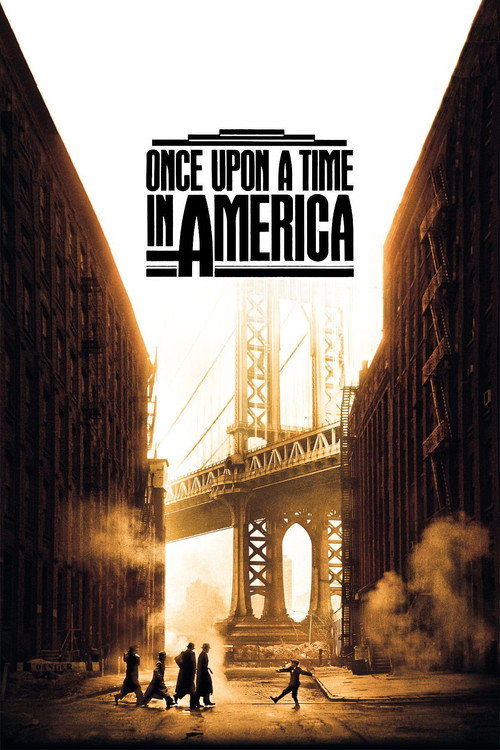
Once Upon a Time in America1984
Sergio Leone's meditation on how friendships corrode under the weight of organized crime and wealth. Longer and more elegiac than Satya, but shares its core belief that entry into crime is irreversible.
But Four hours, extremely slow-burn, and structured in fragmented flashbacks that demand active attention.
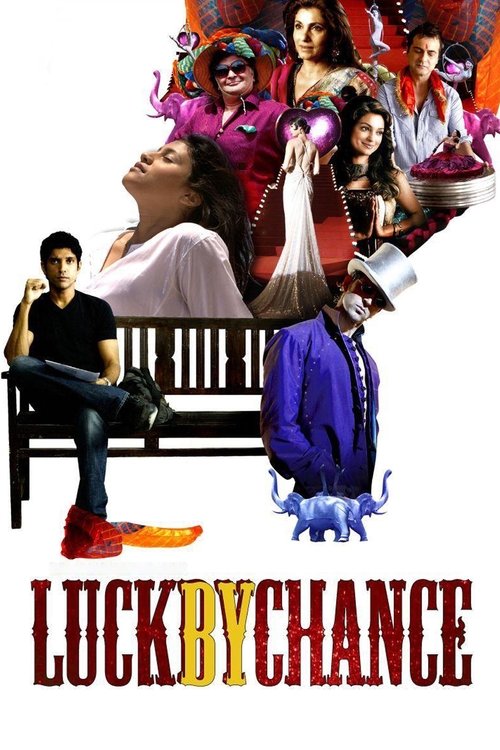
Luck by Chance2009
Zoya Akhtar's portrait of Mumbai—not the underworld, but the film industry and its hangers-on. Captures the same city as Satya with a lighter touch, but similar understanding of how people navigate power and complicity.
But A comedy-drama rather than a crime film; some might find it lightweight after the intensity of Satya.
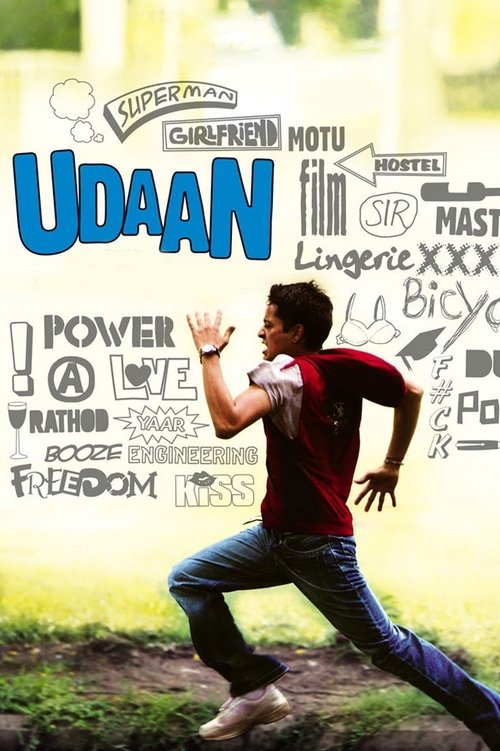
Udaan2010
Rajshree Thakur's film about paternal cruelty and entrapment in provincial India. Different genre entirely, but shares Satya's interest in how systems crush the innocent and how there's no clean escape.
But A coming-of-age drama, not a thriller. The pacing is contemplative and the scope intimate.
Rang De Basanti2006
Aamir Khan's film about young idealists who turn to vigilantism after systemic corruption fails them. It's Satya's inverse: what happens when honest people choose the underworld path, and whether the choice is morally defensible.
But Far more earnest and hopeful in tone. Some viewers find its politics simplistic or its ending unsatisfying.

A Prophet2009
Both films study how institutions corrupt the innocent through proximity and necessity. The protagonist doesn't choose crime; he's inducted into it step by inevitable step. The moral reckoning comes too late to matter.
Jacques Audiard's French prison film about a young North African inmate who rises through the criminal hierarchy while incarcerated. It moves with Satya's propulsive logic—how the system accelerates you through moral thresholds you can't refuse—but frames it through European class resentment and colonial history.
But Subtitled, slower than Satya despite its narrative momentum, and set entirely within a prison. Some of the sexual violence is difficult.

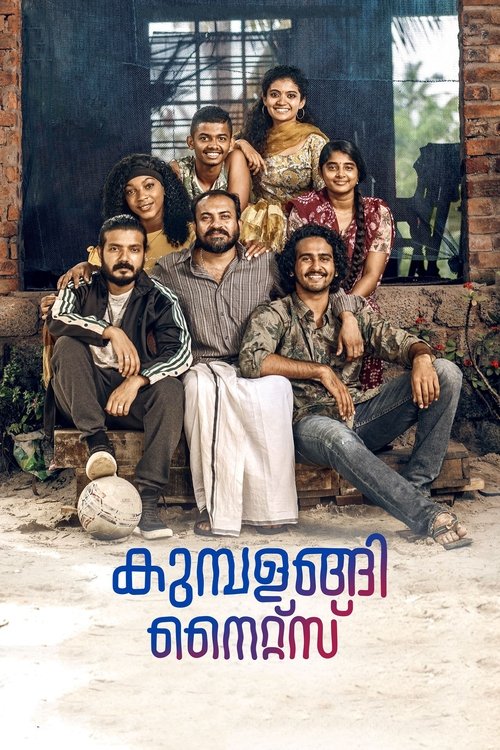
Kumbalangi Nights2019
Both films argue that criminality isn't individual moral failure but a response to limited options. The difference is register: Satya howls at the injustice; Kumbalangi Nights grieves it gently. Same analysis, different temperature.
A Malayalam-language film about four brothers, crime, loyalty, and masculinity in a small coastal town. It's Satya's DNA rewritten for a different geography and sensibility—less apocalyptic, more forgiving, but equally attuned to how environment determines destiny.
But Subtitled, and operates on a smaller, quieter register. If you're seeking the visceral punch of Satya's Mumbai underworld, this southern pastoral approach might feel diffuse.
People
Cast
 J. D. ChakravarthiSatya
 Manoj BajpayeeBhiku Mhatre
 Urmila MatondkarVidya
 Shefali ShahPyaari Mhatre
 Saurabh ShuklaKallu Mama
 Govind NamdeoBhau Thakurdas Jhawle
 Makrand DeshpandeAdvocate Chandrakant Mule
 Paresh RawalCommissoner Amod Shukla
 Aditya SrivastavaInspector Khandilkar
 Raju MavaniGuru
 Snehal DabiChander Krishnakant
 JeevaJagga
Directing
- Ram Gopal VarmaDirector
Writing
- GulzarLyricist
- Anurag KashyapScreenplay
- Saurabh ShuklaScreenplay
- Ram Gopal VarmaStory
Production
- P Som ShekarExecutive Producer
- Bharat ShahProducer
- Ram Gopal VarmaProducer
- Rahul NandaPublicist
Recommended by
Maqbool, Gangs of Wasseypur - Part 1, Johnny Gaddaar, Shootout at Wadala, Once Upon a Time in Mumbaai, Fukrey, Dev.D, Chandni Bar, Rangeela, Agneepath, Phool Aur Kaante, Khal Nayak, Gang, Charas, Ab Tak Chhappan, Ghayal, Shahenshah, Ardh Satya, Kalicharan, Omkara, Taxi No. 9211, Nayak: The Real Hero, Pyaar Koi Khel Nahin, Pudhupettai, Vaastav, Musafir, Shapath, Bhai, Arjun, Gangaajal, Kaalia, Mela, Jeet, Salim Langde Pe Mat Ro, Ghulam, Laawaris, Oru Vadakkan Veeragatha, Badmaash Company