
Film
Gang
Gang is a 2000 Hindi crime drama following four friends whose descent into Mumbai's underworld spirals into irreversible destruction. It's a bleak, muscular film about loyalty torn between friendship and survival, anchored by intense performances from Jackie Shroff and Nana Patekar. Gritty and unflinching, it's for viewers who want their crime stories raw and morally complicated.
If you liked this
Satya1998
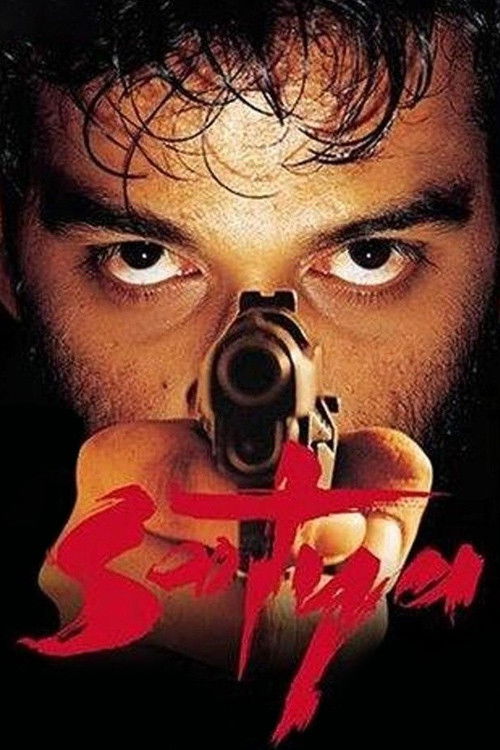
Ram Gopal Varma's defining crime thriller, even darker and more stylistically daring than Gang. Follows a man's ruthless rise in Mumbai's criminal underworld with hypnotic intensity and a soundtrack that rewrites the genre.
But The violence is relentless and the nihilism can feel punishing. Some sequences are deliberately ugly in ways that stick with you badly.
Chandni Bar2001
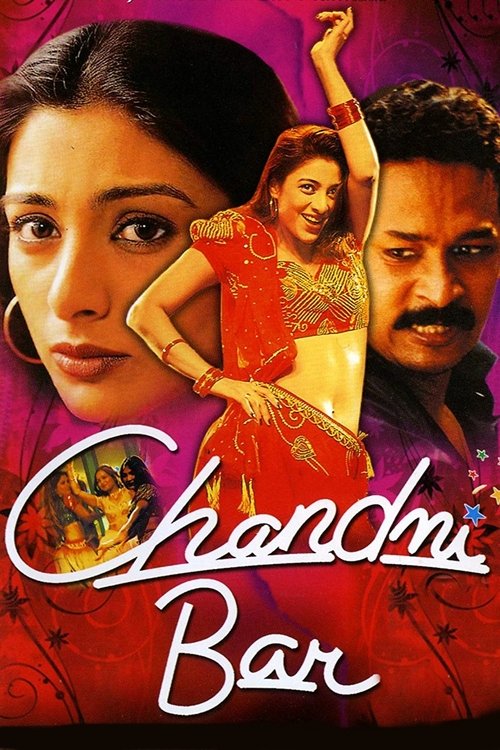
Set in the same criminal Mumbai as Gang, this is a shattering study of exploitation and survival. Tabu delivers a performance of devastating honesty; the film refuses sentimentality about its protagonist's choices.
But It is genuinely traumatic in places. The sex work and violence are neither stylized nor forgiving, which is the point—but it's not easy to sit with.
Hey Ram2000
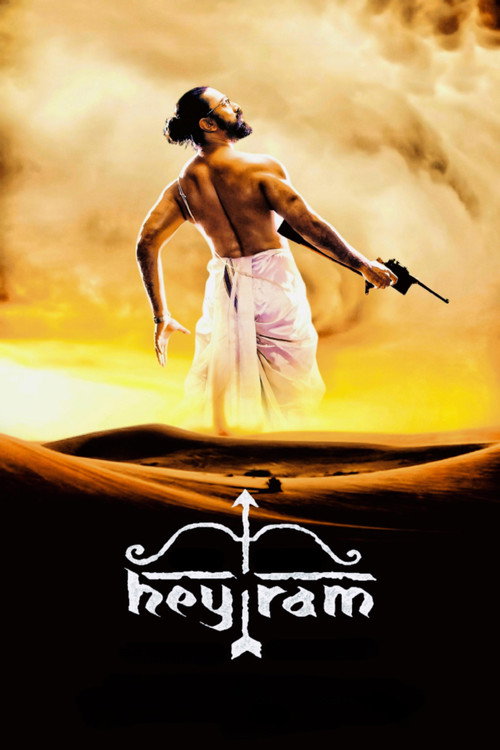
Kamal Haasan's complex, ambitious thriller about a man caught between personal vendetta and communal violence. It's fractured and experimental, asking hard questions about masculinity, faith, and the stories we tell ourselves.
But It's structurally confusing and sometimes feels uncontrolled. Long stretches of digression test patience, and the tonal shifts can feel jarring rather than purposeful.
Not sure tonight? Get a pick in a minute, starting from Gang
The wildcard
Something you would not have found on your own.
Sholay1975
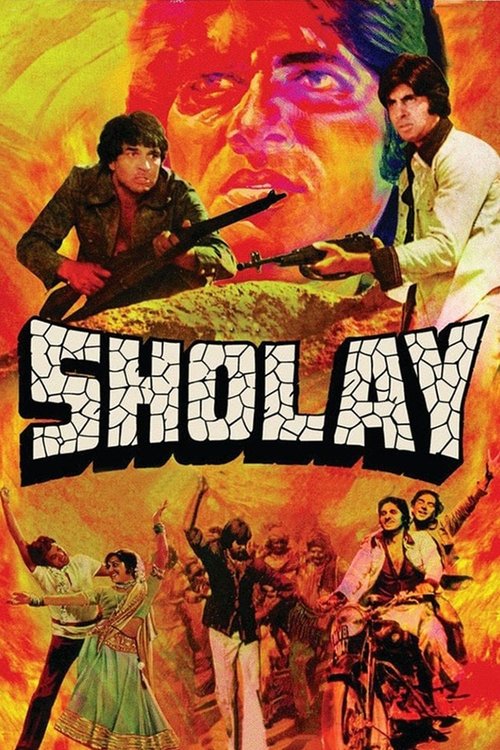
Both films are structured around the question of whether friendship can survive when the world forces impossible choices. Sholay asks it romantically; Gang answers brutally. Watching them together shows how Indian cinema's view of male bonding has transformed from faith to despair.
The foundational Hindi action film about two friends bound by loyalty and duty. Watching it after Gang is revelatory: you see where every conflict in the modern crime film comes from, and how the genre has gotten darker about whether friendship survives.
But It's a 3.5-hour Seventies epic with interval pacing and romantic subplots that feel ornamental. The tone is far lighter and more mythic than Gang, which may feel jarring if you're seeking continuity.
More like this (8)
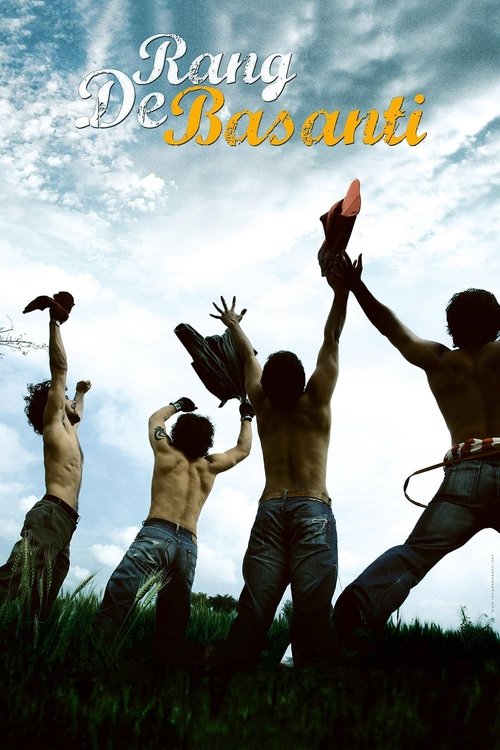
Rang De Basanti2006
When idealistic young friends discover systemic corruption, they're forced from idealism into action. The trajectory mirrors Gang's spiral—how proximity to injustice can radicalize good people into becoming something they never expected.
But It can veer toward preachiness, and the tone shifts between youth-film levity and darker material without always finding the seam. Some may find it manipulative.
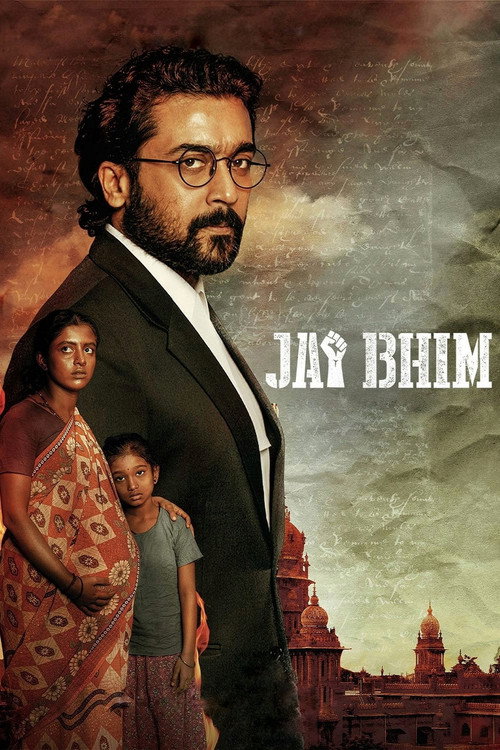
Jai Bhim2021
A Tamil legal drama about a man destroyed by the underworld and a lawyer fighting to expose systemic cruelty. Like Gang, it's about how the system itself is the criminal enterprise. Powerful, brutal, and true.
But The depictions of police violence are graphic and relentless. It's emotionally draining in a way that some viewers find exhausting rather than cathartic.
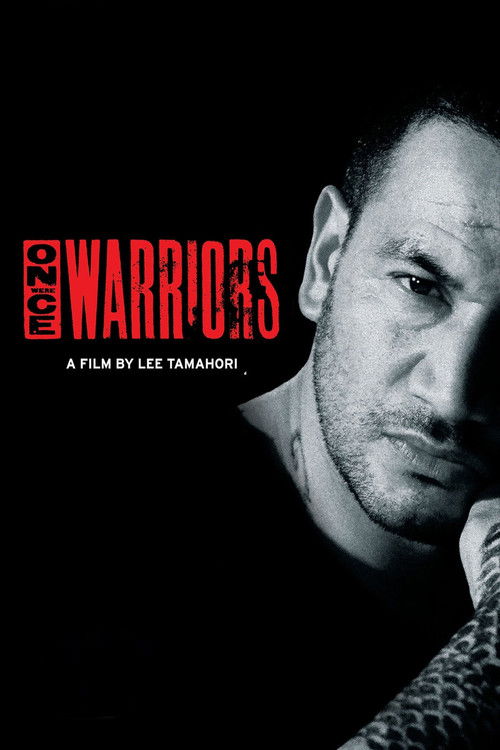
Once Were Warriors1994
A New Zealand film about a family trapped in cycles of violence and poverty. The rawness and specificity of its tragedy—how circumstances and bad choices compound—echoes Gang's inescapable downward spiral.
But Domestic violence is central and not prettified. It's a difficult film designed to make you uncomfortable about cycles that seem normal to those inside them.
In the Mood for Love2000
Wong Kar-wai's masterpiece about two neighbours who discover their spouses are having an affair. Released the same year as Gang; a meditation on how people drift into impossible situations with perfect, terrible clarity.
But It is glacially paced and more interested in atmosphere than plot. The beauty and melancholy can feel indulgent if you're waiting for something to happen.

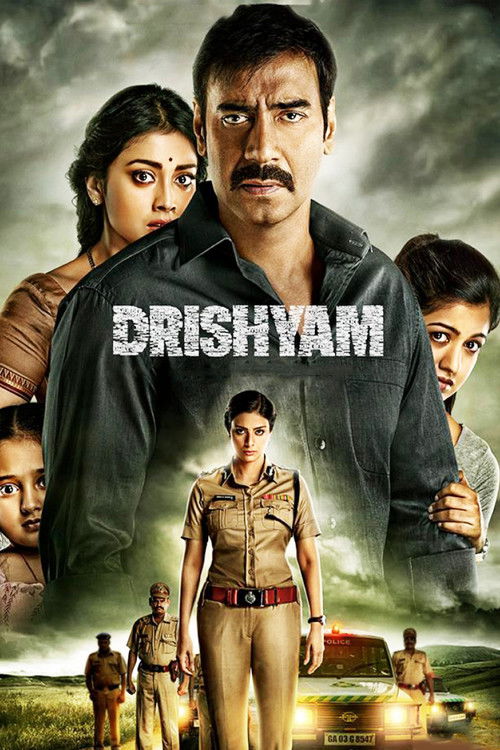
Drishyam2015
Ajay Devgn as a man whose attempt to protect his family after a terrible accident spirals into moral compromise. A taut thriller about ordinary people forced across lines they never imagined crossing.
But It's a well-made genre exercise that doesn't reach for anything thematically deeper. If you want more ambiguity than plot mechanics, it may feel thin.
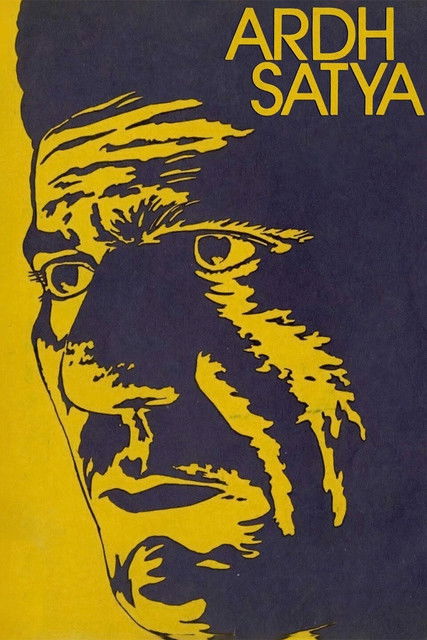
Ardh Satya1983
A Govind Nihalani classic about a good cop ground down by systemic corruption. Watching a principled man forced to compromise himself is excruciating and essential—this film invented that template in Hindi cinema.
But It's deliberately slow and pessimistic. The cinematography is cold and the emotional register is flat by design, which can feel distant rather than moving.
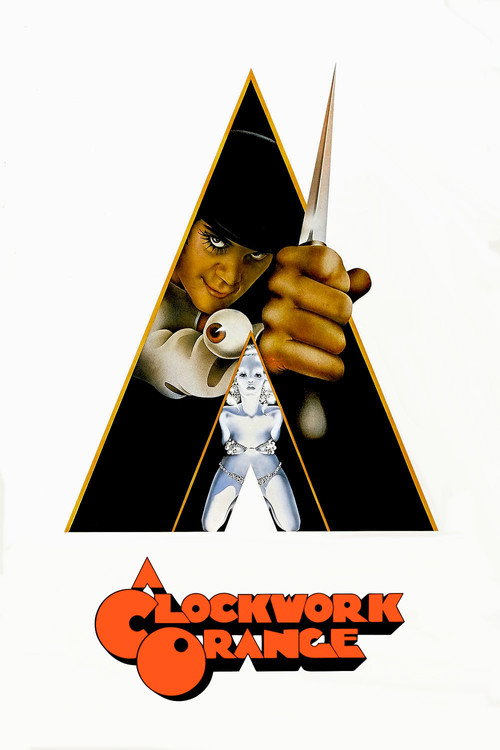
A Clockwork Orange1971
Both films are accused of glorifying their criminals while actually doing the opposite. Each uses style and performance to make violence visceral and ugly, not cool. Both refuse the comfort of redemption. Both ask: what do we owe to people who are already lost?
Kubrick's transgressive masterpiece about violence, will, and the state's claim on morality. It's in conversation with Gang's refusal to make crime glamorous or criminal protagonists sympathetic—both insist on moral clarity amid darkness.
But It's aestheticized brutality in a way that many find obscene rather than critical. The formal beauty can read as fetishizing the very violence it claims to critique. Also a completely different era and country, so thematic resonance matters more than setting.
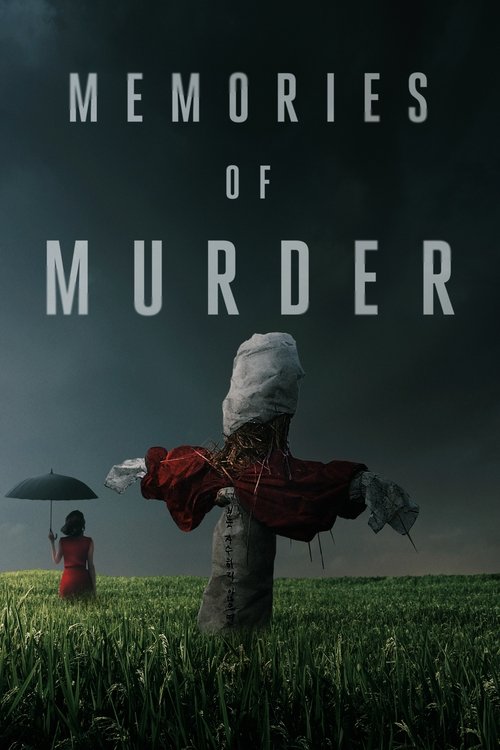
Memories of Murder2003
Both follow groups of men watching each other break under pressure from a corrupt system larger than any of them. Where Gang focuses on criminal friendship, Memories of Murder explores whether institutional loyalty is any less corrosive. Same tragic architecture, different uniforms.
Bong Joon-ho's Korean thriller about detectives hunting a serial killer in a corrupt system. The friends here are cops instead of criminals, but they face identical destruction: how does the underworld consume everyone it touches, regardless of which side you're meant to be on?
But It's methodical and patient to the point of exhaustion. The political context is specifically Korean; watching it requires patience with an unfamiliar system's rhythms. And it offers no closure, moral or narrative.
People
Cast
 Jackie ShroffGangu
 Nana PatekarAbdul
 Kumar GauravNihal Singh
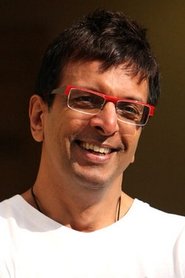 Javed JaffreyGary Rozario
 Juhi Chawla MehtaSanam
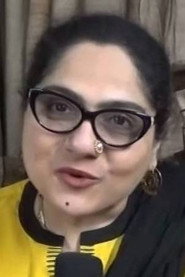 Shagufta AliTinnie Rozario
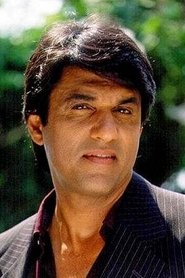 Mukesh KhannaLala
 Gulshan GroverTagdu
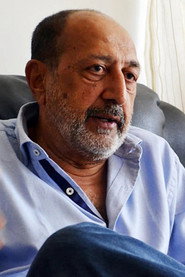 Tinnu AnandNagoba
 Imtiaz KhanGirja Singh

 Ekta SohiniDivya
Directing
- Mazhar KhanDirector
Writing
- Shamsher Khan BalochStory
- Mushtaq MerchantWriter
Production
- Bharat ShahProducer
- Mazhar KhanProducer