
Film
Maqbool
Vishal Bhardwaj's audacious 2003 transposition of Macbeth into Mumbai's underworld. Irrfan Khan is Maqbool, a gangster caught between ambition and fate, with corrupt cops playing the witches. It's taut, morally murky crime drama that moves like a thriller while carrying the weight of Shakespeare's tragedy. For anyone who thinks adaptations can reinvent without cheapening.
Should you watch it?
Watch it if you love Shakespeare's machinery of ambition and prophecy rebuilt in sweaty crime-family politics, where a whispered omen carries as much weight as a gunshot.
Skip it if you want a reverent, polished Shakespeare; this one is murky, loud and often hard to follow, its shadowy lighting and rough edges uneven.
What it asks of you: Close attention is the price here: two hours and twelve minutes of dark, tense rooms and a brooding, deliberate pace.
Not sure? Find tonight's pick in a minute.
If you liked this
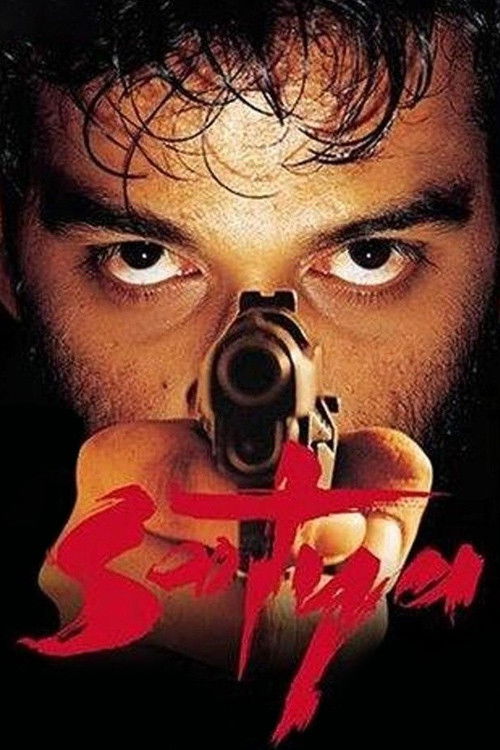
Satya1998
Ram Gopal Varma's ur-text for Mumbai crime cinema. If you want to understand the world Maqbool inhabits, Satya is essential—grittier, more sprawling, the bloody foundation that makes Maqbool's poetry possible.
But Nearly three hours, deliberately paced, and the violence isn't cathartic. It's a document of a world, not a revenge fantasy.
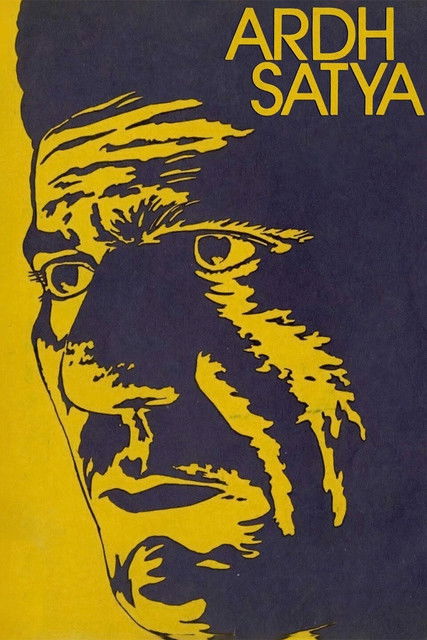
Ardh Satya1983
A precursor to everything that came after. Om Puri plays a cop whose integrity corrodes from the system itself. It's the moral spine that Maqbool and its peers are always wrestling with.
But Shot in the '80s aesthetic; it feels distant in a way modern crime films don't, which some find slower to engage with.
A Prophet2009
French prison film where a young man rises through brutal logic and ruthlessness—Maqbool's story filtered through a different system, same DNA. Visceral and hypnotic.
But It's a closed world (literally) and the pacing is deliberate. If you need constant momentum, it'll feel glacial.

Not sure tonight? Get a pick in a minute, starting from Maqbool
The wildcard
Something you would not have found on your own.
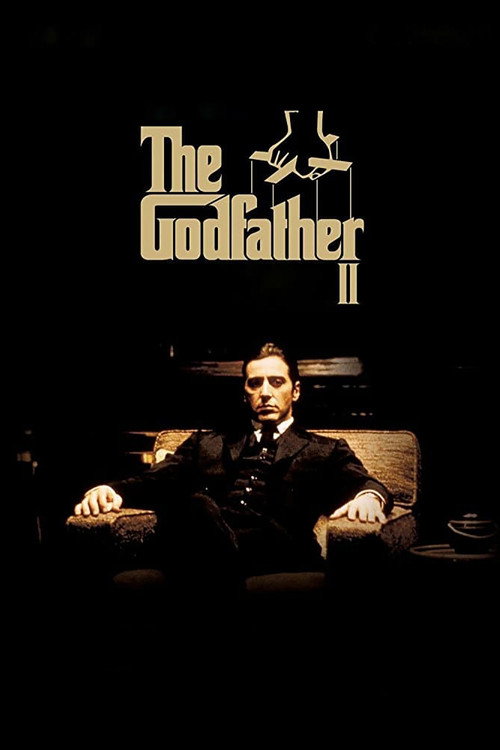
The Godfather Part II1974
Both use parallel narratives to show how power systems perpetuate themselves, and both believe in the tragedy of intelligent men who have no choice but to play the game.
Coppola's structure—parallel timelines of a man's rise and fall, tradition and corruption—is built into Maqbool's bones. But where Godfather aestheticizes power, Bhardwaj corrodes it. See what Maqbool chose differently.
But It's the most canonical film ever made; watching it might feel like homework rather than discovery.
More like this (7)
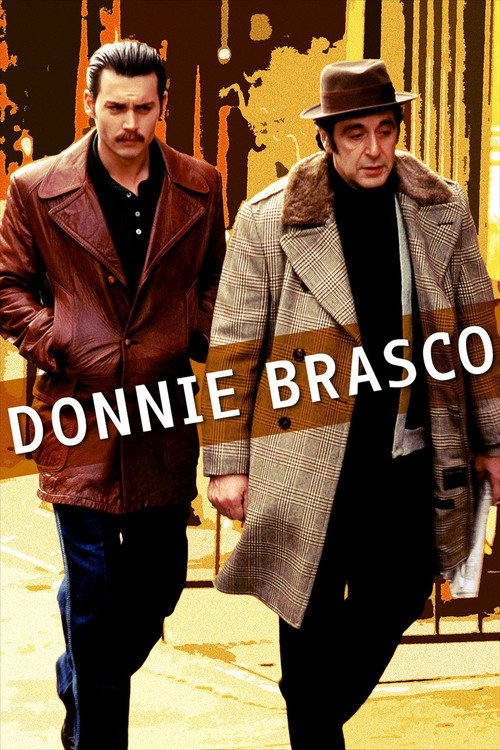
Donnie Brasco1997
Undercover cop infiltrating the mob, but the real story is the intimacy between mentor and protégé. A quieter, sadder take on loyalty and betrayal than you might expect.
But Less stylish than Maqbool; it's interested in character over myth, which can feel slower if you're chasing spectacle.
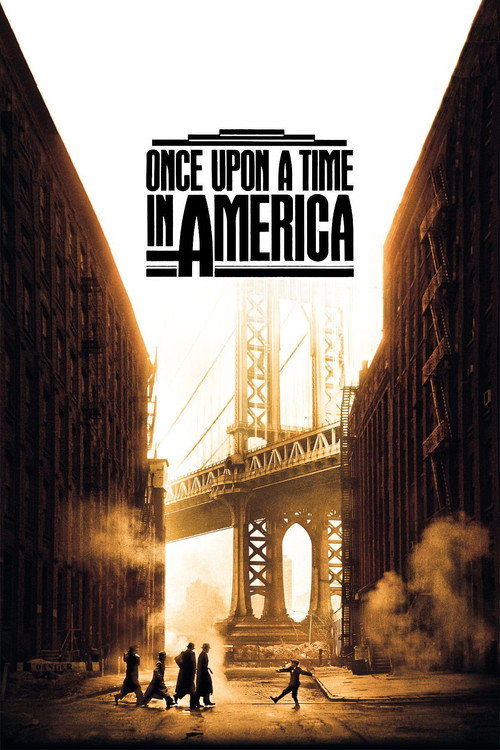
Once Upon a Time in America1984
Sergio Leone's gangland epic, three hours of mythology and regret. If you're drawn to Maqbool's fatalism and its refusal to make crime glamorous, this is the ancestor.
But Deliberately fragmented structure; the non-linear narrative can frustrate viewers who want a clear through-line.
In the Mood for Love2000
Wong Kar-wai's masterpiece of suppressed desire and missed connection. Different genre entirely, but Maqbool shares its visual precision and belief that style can express what words can't.
But Almost no plot; it's pure mood and design. If you need narrative momentum, this will feel like a beautiful stall.

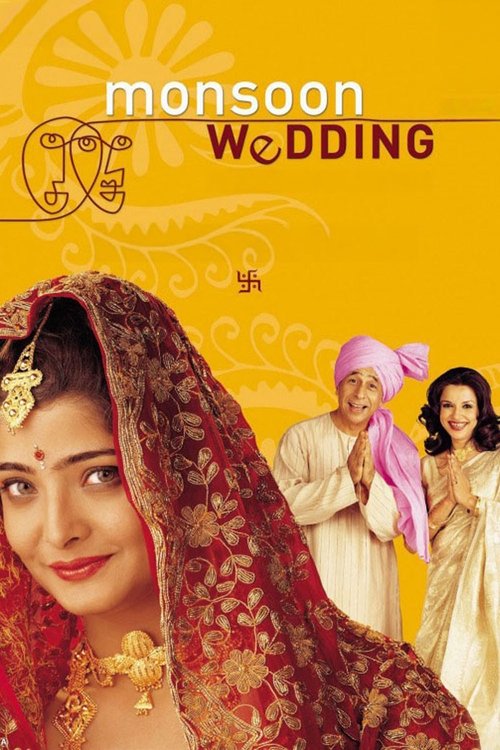
Monsoon Wedding2001
Mira Nair capturing contemporary Delhi with vibrancy and specificity. It proves Indian cinema can be visually sophisticated and emotionally direct; a tonal sibling to Maqbool's ambition.
But It's fundamentally an ensemble romance, not a tragedy. If you came for darkness, this pivots toward light.
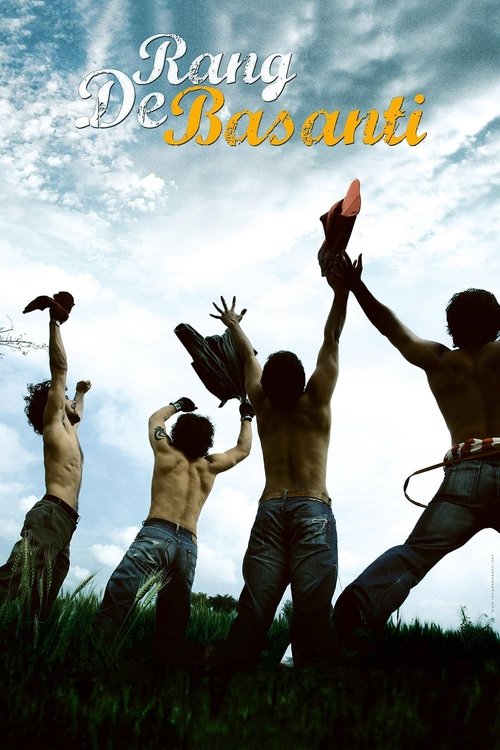
Rang De Basanti2006
Aamir Khan in a film about idealistic young men corrupted by systems of power. Thematically close to Maqbool but far more explicit in its politics and considerably more earnest.
But That earnestness can read as didactic; it wants you to feel the rightness of its message in ways Maqbool trusts you to find yourself.
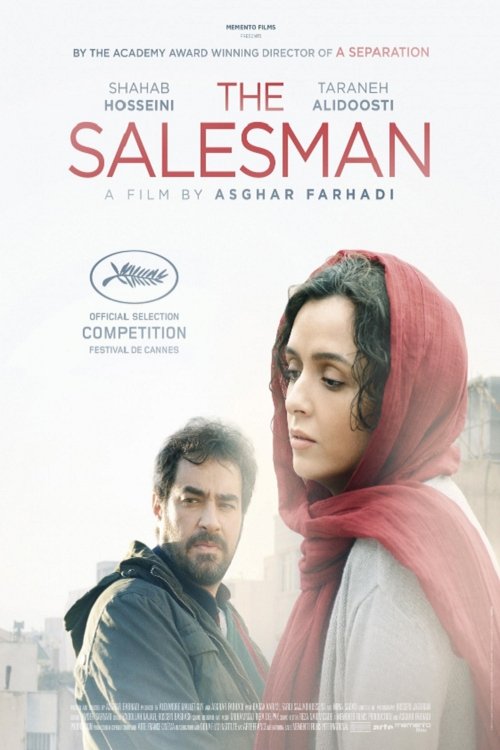
The Salesman2016
Both understand that tragedy isn't about villainy—it's about how ordinary men, step by step, become unrecognizable to themselves. Both happen in worlds where the system allows no exit.
Asghar Farhadi's Iranian drama about shame, resentment, and a man's descent into moral compromise. Shot in an entirely different tradition but moved by the same tragic engine as Maqbool: decent people making choices that corrode them.
But Slow-burn psychological drama; there's no violence, no underworld swagger. It's entirely internal and cultural-specific in ways that might feel austere.
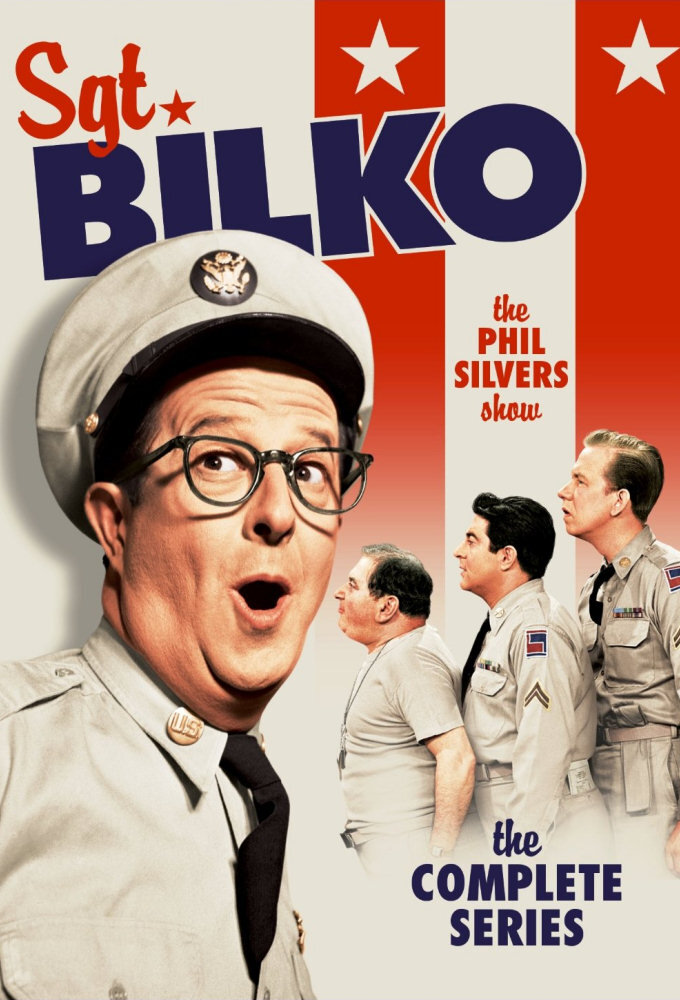
The Phil Silvers Show1955
Both are about the moral architecture of powerful systems—crime families and law enforcement are symmetrical predators. Both ask what happens when your job requires you to think like a killer.
A miniseries about FBI criminal profilers in the 1980s, but really about how institutional power corrupts from within. It's Maqbool's logic applied to law enforcement: the system makes monsters of good intentions.
But Prestige TV pacing means it takes time to breathe; if you want Maqbool's compression, this expansion might test you.
People
Cast
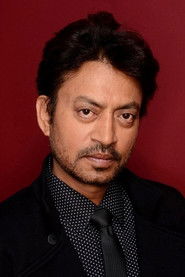 Irrfan KhanMaqbool Miyan
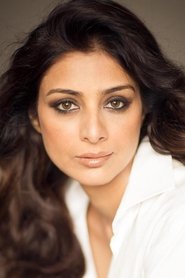 TabuNimmi
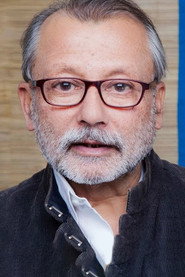 Pankaj KapurJahangir "Abbaji" Khan
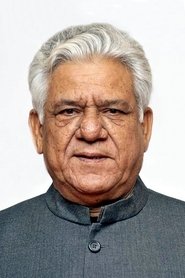 Om PuriInspector Pandit
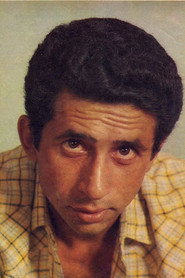 Naseeruddin ShahInspector Purohit
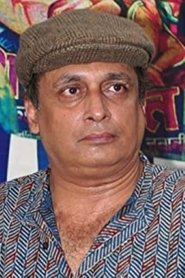 Piyush MishraKaka
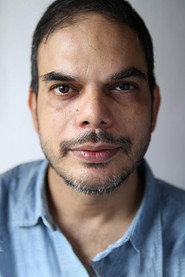 Ankur VikalRiyaz Boti
- Ajay GehiGuddu
 Masumeh MakhijaSameera
 Pubali SanyalRiyaz Boti's wife
- Shammi NarangMr. Bhosle
 Murali SharmaD.C.P. Davsare
Directing
- Vishal BhardwajDirector
Writing
- Vishal BhardwajDialogue
- GulzarLyricist
- Abbas TyrewalaScreenplay
- Vishal BhardwajScreenplay
- William ShakespeareTheatre Play
Production
- Puja BediAssociate Producer
- Honey TrehanCasting
- Rekha BhardwajCo-Producer
- Vishal BhardwajCo-Producer
- Laurens C. PostmaExecutive Producer
- Bobby BediProducer
Recommended by
Throne of Blood, Humraaz, Yeh Dillagi, Hamara Dil Aapke Paas Hai, Qahar