
Film
Mumbai Meri Jaan
Mumbai Meri Jaan weaves together five interconnected stories in the aftermath of a terrorist attack on the city's railways. It's a measured, observant film about how trauma ripples through ordinary lives—grief, paranoia, corruption, resilience—without preaching. Made for viewers who want complexity and humanity in their drama, not heroes or villains.
Should you watch it?
Watch it if you like ensemble dramas where strangers' separate lives brush against each other after a shock, and you care more about the texture of city life and moral pressure than about a tidy plot.
Skip it if you want a fast, plot-driven thriller about the bombings; the attacks sit in the background of a slow, character-led film that spends most of its time on everyday worries.
What it asks of you: Sit with a long, unhurried sequence of short vignettes that circle back to the same city. It runs just under two hours and rewards patience more than it rewards suspense.
Not sure? Find tonight's pick in a minute.
If you liked this
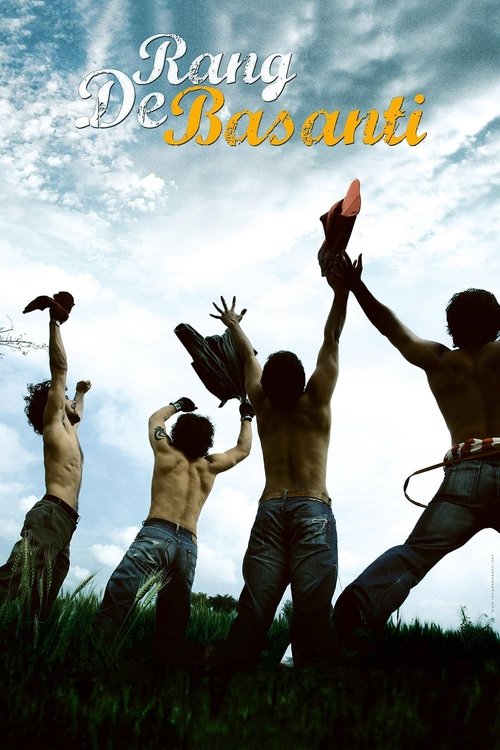
Rang De Basanti2006
Similar ensemble cast, contemporary India, young people grappling with corruption and idealism. Energetic where Mumbai Meri Jaan is reflective, but shares the same moral seriousness and ensemble structure.
But The political messaging can feel didactic. Considerably longer and more sprawling than you might expect.
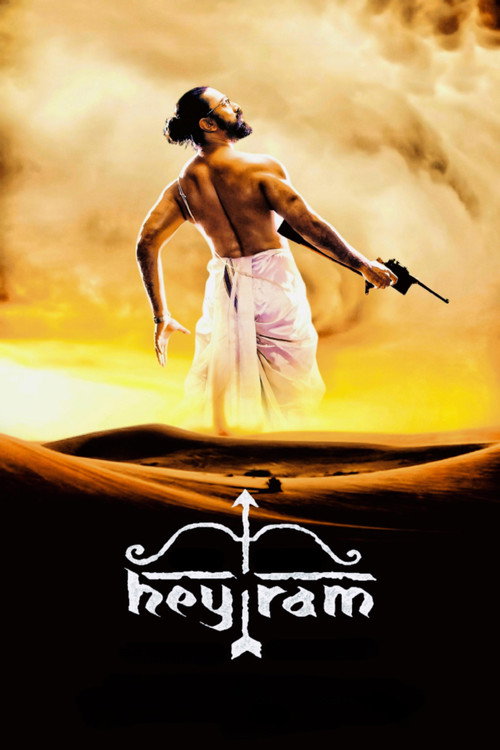
Hey Ram2000
Kamal Haasan film exploring communal violence and prejudice through interconnected characters. Karamzar and ambitious in the same way, wrestling with how suspicion corrodes individuals and communities.
But Visually experimental and sometimes confusing. Haasan's performance is divisive. Demands patient, active watching.
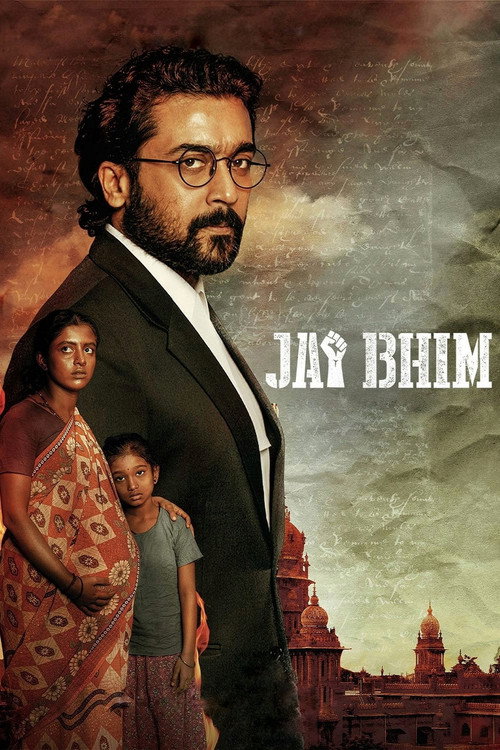
Jai Bhim2021
Powerful ensemble drama about a legal case rooted in real injustice. Same unflinching look at how systems fail ordinary people, same emotional weight carried through multiple perspectives.
But Deeply upsetting in places. The Tamil setting and legal proceduralism won't appeal to everyone. Nearly three hours.
Not sure tonight? Get a pick in a minute, starting from Mumbai Meri Jaan
The wildcard
Something you would not have found on your own.
Departures2008
Both films use ensemble structure and sustained focus on how people in ordinary professions move through collective trauma with dignity and small acts of grace.
Japanese film about a man who becomes a ritual mortician after economic collapse. Same year as Mumbai Meri Jaan, same meditation on grief and work and how we honor the dead. Achingly tender without sentimentality.
But The rituals are lengthy and require patience. Operates in a completely different cultural register. Quiet to the point of haunting.

More like this (7)
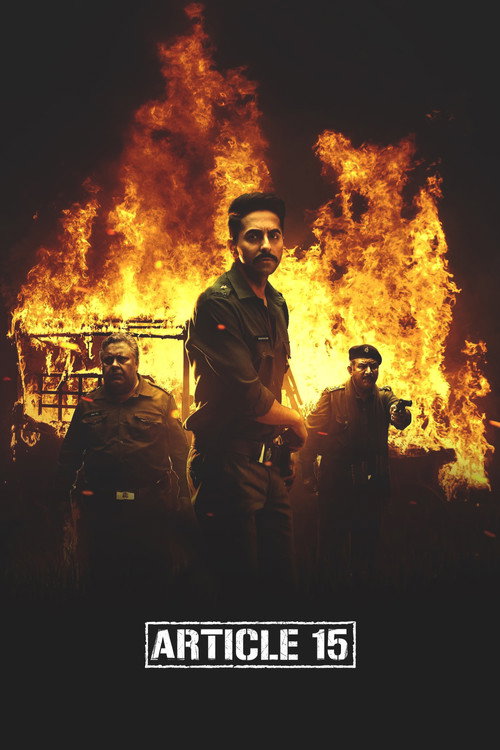
Article 152019
Ayushmann Khurrana thriller investigating caste violence and corruption. Shares Mumbai Meri Jaan's interest in how institutional rot poisons everything and how ordinary people navigate it.
But Shifts into thriller mode, which dilutes some of the character work. Less ambiguous than you might want.
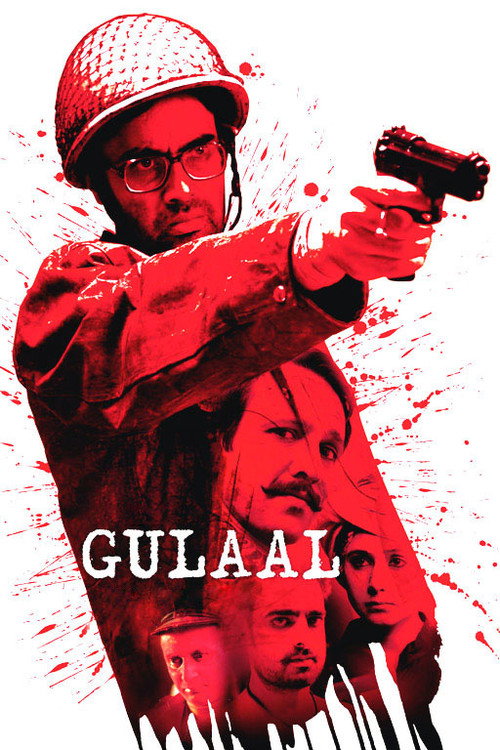
Gulaal2009
Anurag Kashyap's tense political drama about idealism corroded by power. Dark, interconnected, skeptical about institutions and the people who inhabit them.
But Deliberately opaque narrative. Some sequences feel gratuitously violent. The film doesn't always know what it's angry at.
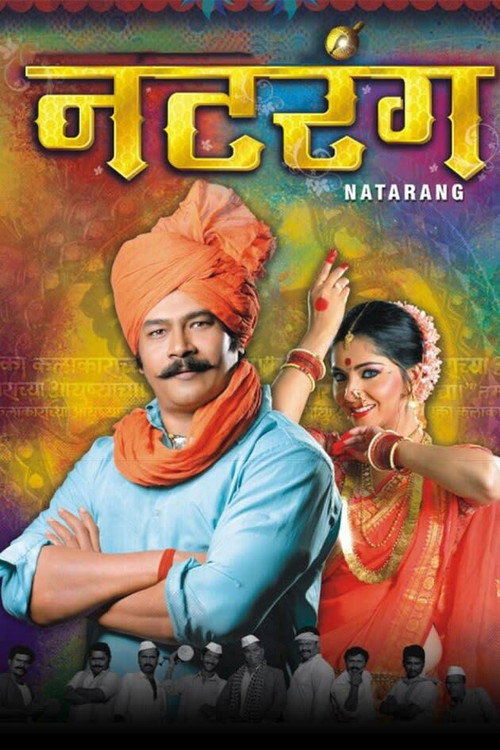
Natrang2010
Marathi drama about a man whose life implodes. Intimate, observant, interested in how people rationalize their own compromises. Quieter register but same moral curiosity.
But Slow-burn to the point of stillness. The protagonist is not sympathetic. Very much a regional film.
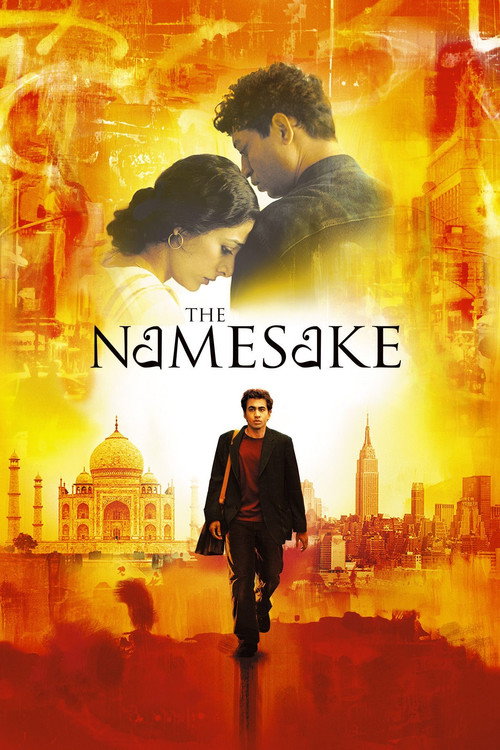
The Namesake2006
Mira Nair's ensemble piece about family, identity, displacement. Different setting but same warmth toward ordinary lives and how they intertwine with larger historical forces.
But The immigrant story framework might feel familiar. Structured around a coming-of-age that won't resonate with everyone.
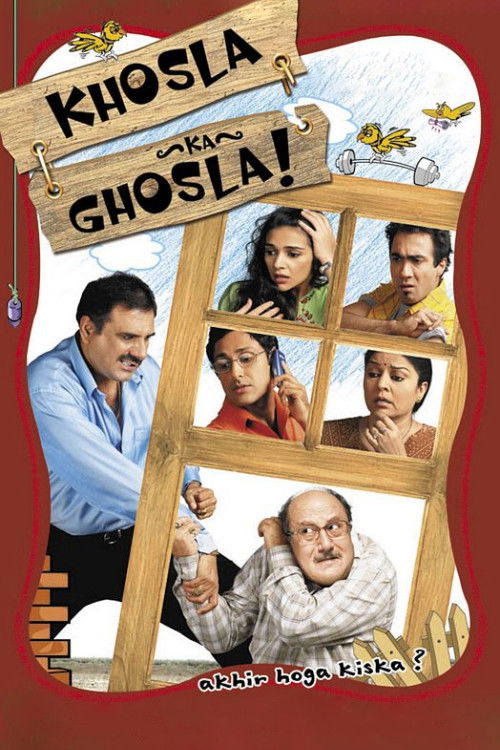
Khosla Ka Ghosla!2006
Comedy-drama about a family fighting real estate corruption in Delhi. Same ensemble sensibility, same interest in how ordinary people navigate systems designed to cheat them.
But Lighter tone means less thematic depth. The family dynamics can feel sitcom-adjacent. Relies on your patience with ensemble comedy.
Come and See1985
Both refuse easy moral positions about violence. Both insist on holding the full weight of collateral damage—economic, psychological, spiritual—not just the immediate casualties.
Elem Klimov's Soviet war film following a boy through the devastation of WWII. Radically different era and violence, but shares the structural commitment to showing how trauma fractures individuals and communities without offering catharsis or judgment.
But Brutally graphic and nihilistic. Soviet-era filmmaking: deliberately paced, visually punishing. One of the most difficult films ever made. Not for escapism.

Still Walking2008
Both use multiple converging stories to ask how we live alongside loss. Both honor small moments and the people who live through them without turning suffering into spectacle.
Hirokazu Kore-eda's film about a family gathering after an accident. Released same year as Mumbai Meri Jaan. Japanese approach to ensemble storytelling: no plot, just presence. Grief, regret, and how families carry their dead.
But Almost nothing happens. The film trusts you to read silences and weather patterns. Will frustrate anyone wanting narrative momentum.

People
Cast
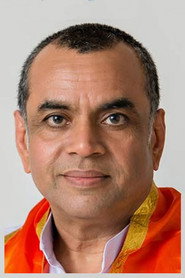 Paresh RawalTukaram Patil
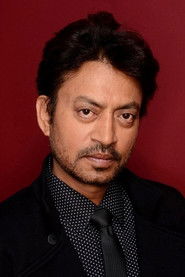 Irrfan KhanThomas
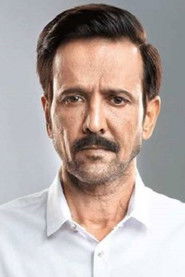 Kay Kay MenonSuresh
 R. MadhavanNikhil Agarwal
 Soha Ali KhanRupali Joshi
 Santosh JuvekarAshok
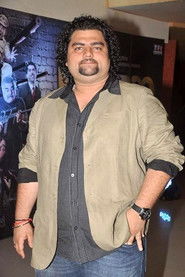 Kavin DaveZandu
- Rajesh BhosleManya
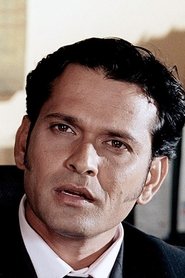 Sameer DharmadhikariAjay Pradhan
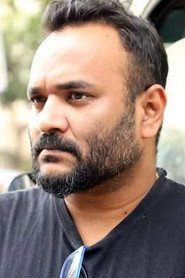 Vijay MauryaSunil Kadam
 Ayesha Raza MishraSejal Agarwal
 Smita JaykarSejal's Mother
Directing
- Nishikant KamatDirector
Writing
- Upendra SidhayeScreenplay
- Yogesh Vinayak JoshiScreenplay
Production
- Alpana MishraAssociate Producer
- Siddharth Roy KapurCo-Producer
- Ajay RaiLine Producer
- Ronnie ScrewvalaProducer
- Rucha PathakSupervising Producer