
Film
Lajja
Lajja is a searing 2001 Indian drama that follows four women across different circumstances, all constrained by patriarchal violence and shame. Director Rajkumar Santoshi examines honour, survival, and the courage required to resist. It's unflinching, sometimes brutal, and deeply human. For audiences ready for serious cinema about systemic oppression.
Should you watch it?
Watch it if you like films that move between several women's stories at once, building a quiet anger rather than shouting it, and you don't mind the big-hearted melodrama that carries it.
Skip it if you want a tight, fast plot, since at over three hours it is leisurely and sentimental, with speeches that lean hard on their message.
What it asks of you: Settle in for a long evening: at 185 minutes it moves in unhurried chapters, lingering on each woman's predicament before the threads pull together.
Not sure? Find tonight's pick in a minute.
If you liked this
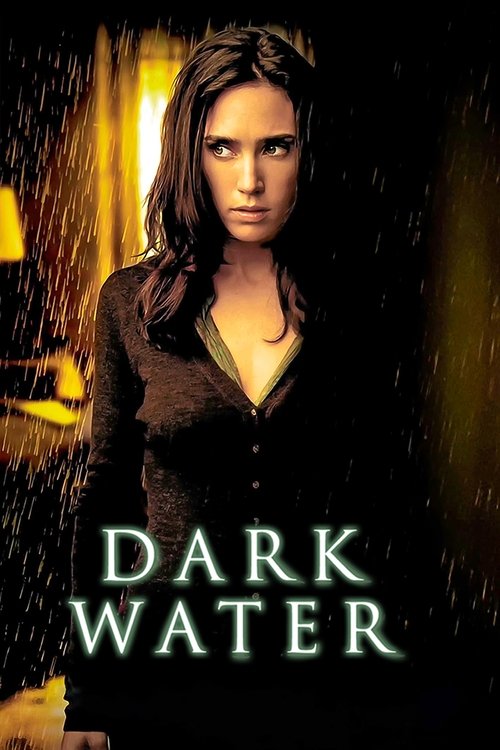
Dark Water2005
Deepa Mehta's masterpiece about widows in 1930s India, exploring how tradition weaponizes women's bodies. Gorgeous cinematography paired with heartbreaking specificity. Essential viewing on similar themes.
But The ending is devastating and offers no catharsis. Some may find the pacing deliberate to the point of slowness.
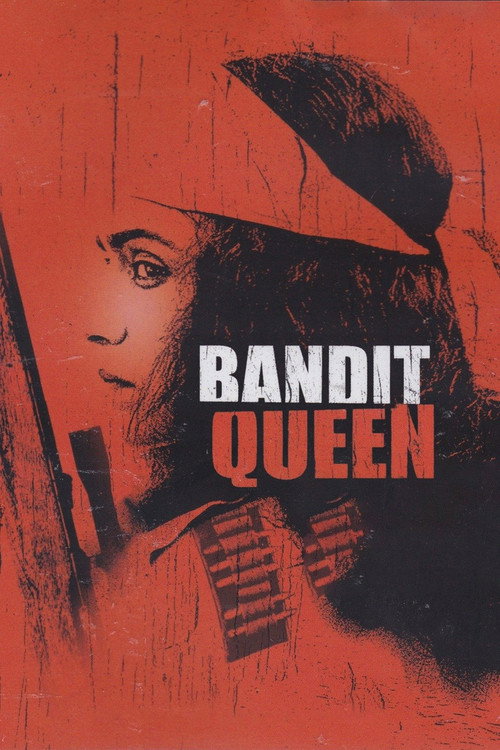
Bandit Queen1994
Shekhar Kapur's unflinching biography of Phoolan Devi, a woman who fought back against systemic violence with violence. Raw, confrontational, and absolutely fearless. Hindi cinema at its most morally complex.
But Contains graphic depictions of sexual assault. The film refuses to soften or sentimentalize its subject matter in any way.
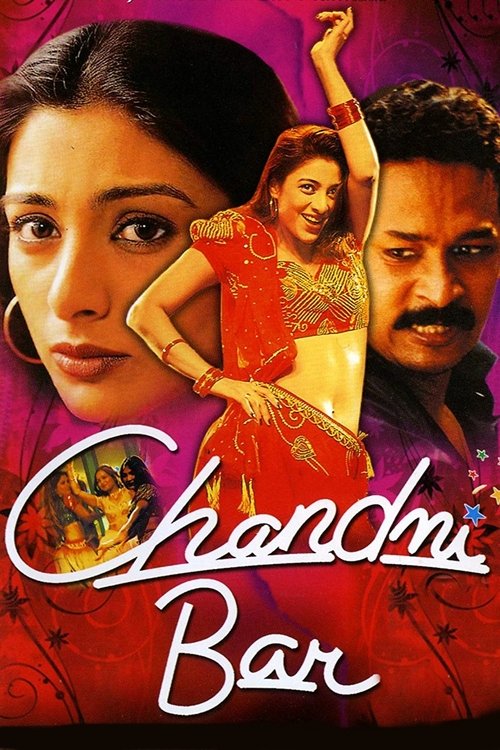
Chandni Bar2001
Released the same year as Lajja, Madhur Bhandarkar's film examines another form of exploitation and survival. Mahima Chaudhry delivers a powerhouse performance. Bleak, urgent, and socially critical.
But Extremely dark exploration of trafficking and sex work. Bhandarkar's style is journalistic rather than comforting; it won't make you feel better.
Not sure tonight? Get a pick in a minute, starting from Lajja
The wildcard
Something you would not have found on your own.
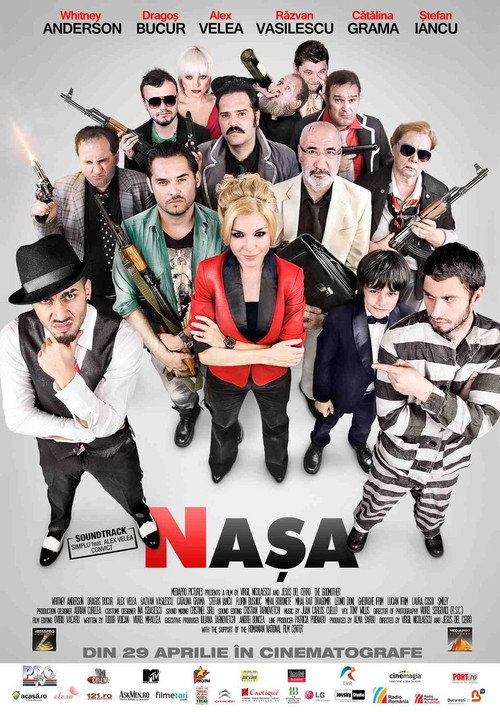
The Godmother2011
Both examine how patriarchal systems break women, but where Lajja shows women fleeing or surviving oppression, this shows a woman weaponizing it. Two sides of the same coin.
A Malayalam film about a woman who becomes a crime boss after her husband's death. It inverts the power dynamic entirely—she doesn't escape the system, she seizes it. Utterly unexpected and darkly thrilling.
But Malayalam language with subtitles. The tone is pulpy and operatic, nothing like Lajja's gravity.
More like this (8)
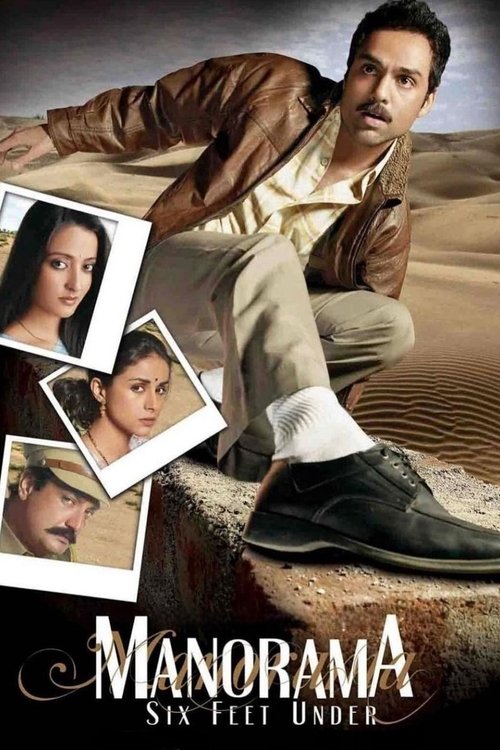
Manorama Six Feet Under2007
Navazuddin Siddiqui's breakthrough in a grueling crime drama about a man searching for a missing woman. Taut, morally murky, and deliberately unsettling. Shows how patriarchy corrodes everyone.
But Slow-burn tension means it takes patience. The ending is ambiguous and offers no resolution to what you're seeking.
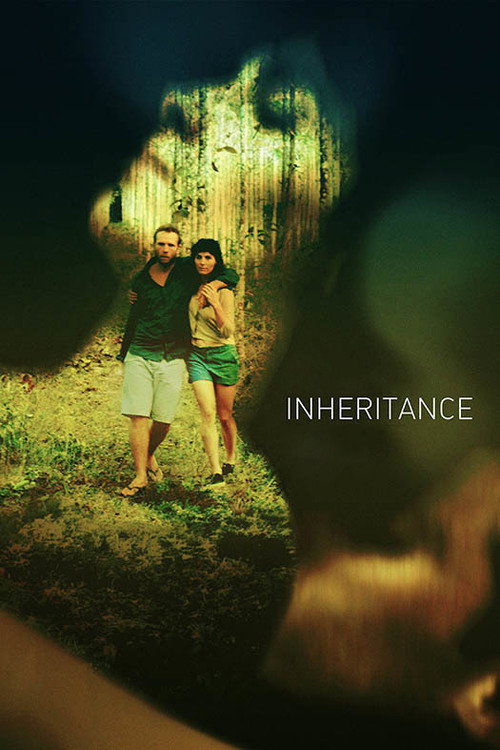
Inheritance2017
A modern Indian family drama about property, patriarchy, and the women forced to navigate its absurdities. Sharp, witty, and surprisingly accessible. Shows how tradition strangles the present.
But Focuses more on dark comedy than Lajja's gravity. If you want full seriousness, this pivots away from it.
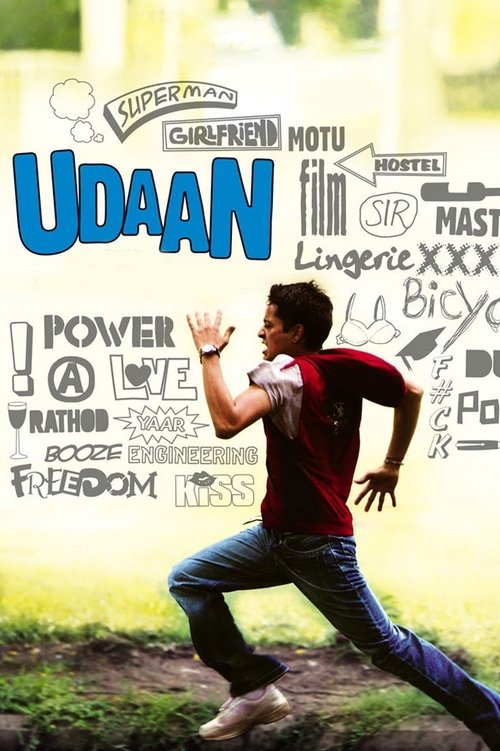
Udaan2010
Vikram Aadityaraj's devastating film about a boy and his tyrannical father. It's from a man's perspective, but captures the same suffocation and control. Beautiful cinematography, unbearable tension.
But The father's cruelty accumulates without much relief. Some viewers find the narrative frustratingly elliptical.
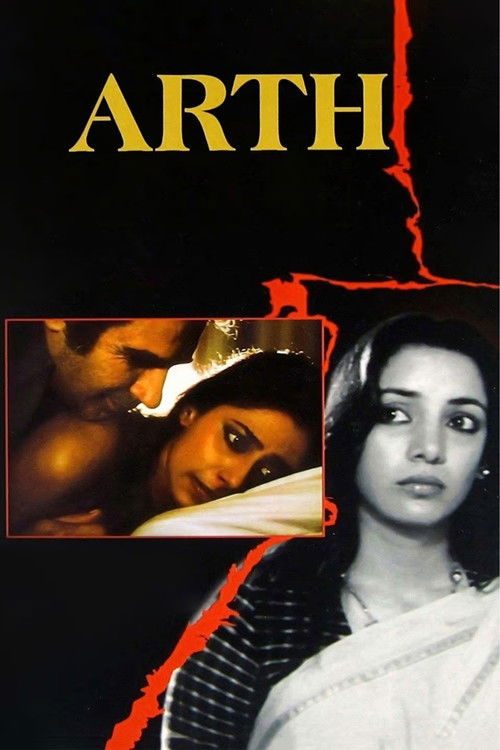
Arth1982
Mahesh Bhatt's earlier examination of infidelity and women's dignity in marriage. Shabana Azmi is magnificent. A precursor to the feminist cinema Lajja represents.
But 1982 pacing and melodramatic music occasionally undercut the emotional impact. The production values show their age.
Gulaal2009
Anurag Kashyap's chaotic political thriller set in Rajasthan. Raw, violent, and structurally ambitious. Examines power, corruption, and how systems destroy the powerless.
But Deliberately disjointed editing and fragmented narrative. Many find it incomprehensible on first viewing.
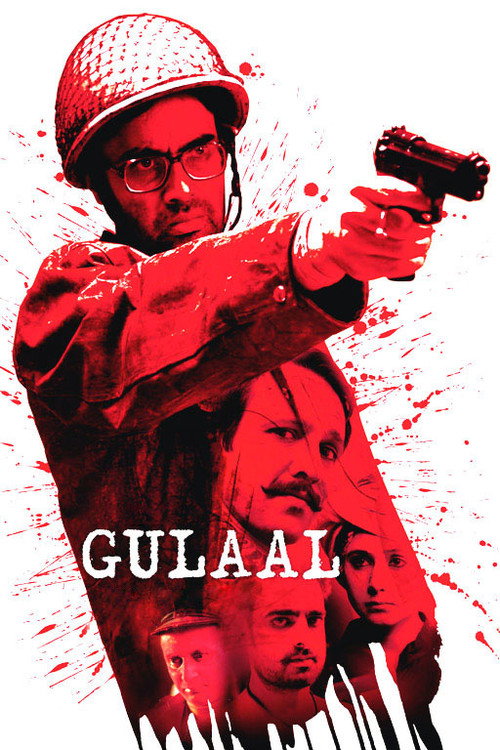
Hazaaron Khwaishein Aisi2005
Sudhir Mishra's sweeping film about ideology, desire, and betrayal across decades of Indian history. Vishal Bhardwaj score is transcendent. Shows how personal and political collide.
But Three-hour runtime and multiple timelines require full attention. Some relationships feel underdeveloped amid the scope.

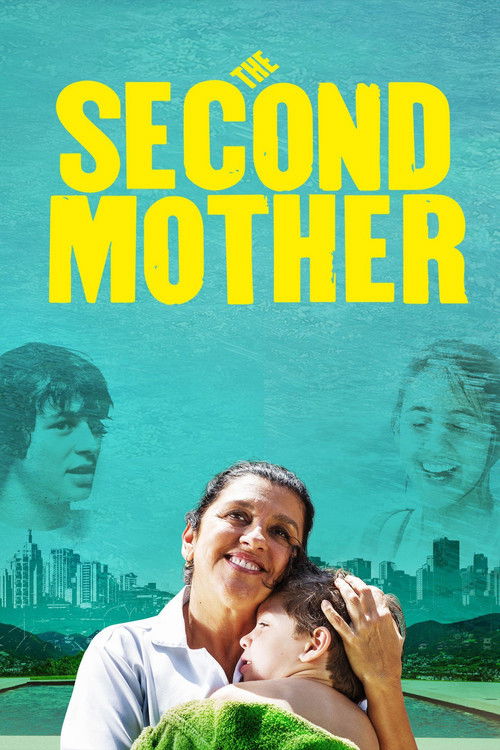
The Second Mother2015
Both use ensemble approaches to show how women are trapped at different points in the same system. But this one is intimate where Lajja sprawls, and uses space—a house—as metaphor for the cage.
A Brazilian film about a domestic worker and her daughter, and the class and dignity barriers between them. Quiet, observant, and achingly specific about servitude and shame. Mathieu Amalric-adjacent in its restraint.
But Deliberately slow and small-scale. If you want drama that commands a room, this whispers. Portuguese with subtitles.
Chungking Express1994
Both are ensemble pieces that show how isolation happens even in crowded spaces. But where Lajja is tragedy, this is romance and mystery. Both have that moment where you realize the characters' lives can never intersect the way we want them to.
Wong Kar-wai's electrifying Hong Kong film about two cops and two women, told in fragments and visual poetry. Neon-soaked, propulsive, utterly alive. A completely different register from Lajja but asks parallel questions.
But Surrealist editing, minimal plot, abundant style. If you need clarity and narrative momentum, this will frustrate you. Cantonese with subtitles.

People
Cast
 Manisha KoiralaVaidehi
 Madhuri DixitJanki
 RekhaRamdulaari
 Mahima ChaudhryMaithili
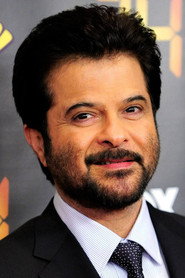 Anil KapoorRaju
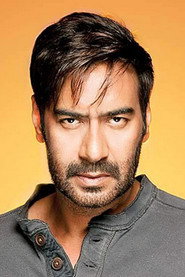 Ajay DevgnBulwa
 Jackie ShroffRaghu
 Danny DenzongpaThakur Gajendra Singh
 Gulshan GroverVirender
 Aarti ChabriaSushma Thakur
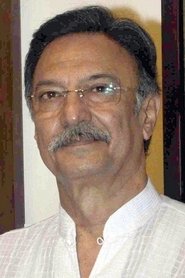 Suresh OberoiRaghu's dad
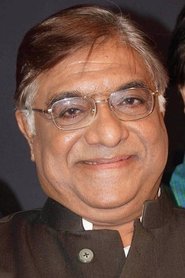 Aanjjan SrivastavNekchand (Maithili's dad)
Directing
- Rajkumar SantoshiDirector
Writing
- Rajkumar SantoshiDialogue
- Ranjit KapoorDialogue
- Ashok RawatScreenplay
- Rajkumar SantoshiScreenplay
- Rajkumar SantoshiStory
Production
- Rajkumar SantoshiProducer