
Film
Aaina
Aaina is a 1977 Hindi melodrama about a dutiful Brahmin daughter sacrificing her own happiness to support her struggling family. It's a richly emotional film—the kind that builds its power through performance and moral complexity rather than spectacle. For anyone drawn to serious Indian cinema about duty, class, and the cost of devotion.
Should you watch it?
Watch it if you want a 1970s Hindi film about a household's quiet pressures, a sympathetic portrait of a young woman carrying more than her share, told at a patient pace that rewards attention.
Skip it if you need brisk plotting or a light touch, since this is long, earnest and sentimental at a film-length pace that can feel heavy on a weeknight.
What it asks of you: Two and a half hours of unhurried scenes, with melodrama played straight and emotional stakes built slowly, so settle in and let the household's tensions accumulate.
Not sure? Find tonight's pick in a minute.
If you liked this
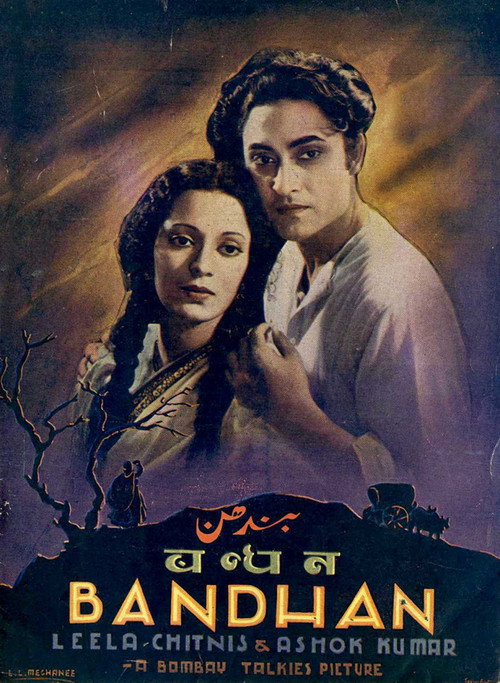
Bandhan1940
Nirupa Roy (who plays the mother in Aaina) is magnificent here too, in another story of sacrifice and family obligation. The parallel allows you to see the depth of her range across similar material.
But It shares Aaina's unhurried emotional logic, which demands patience from viewers used to faster narrative rhythms.
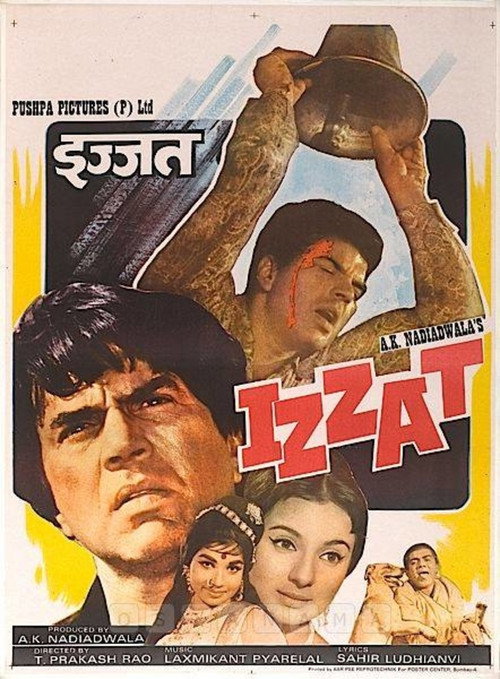
Izzat1968
Another exploration of honour, social standing, and what it costs a woman to maintain family respectability. The moral questions are as thorny and the performances as committed as in Aaina.
But These films all move in similar emotional registers—if you find one exhausting, the others may feel repetitive.
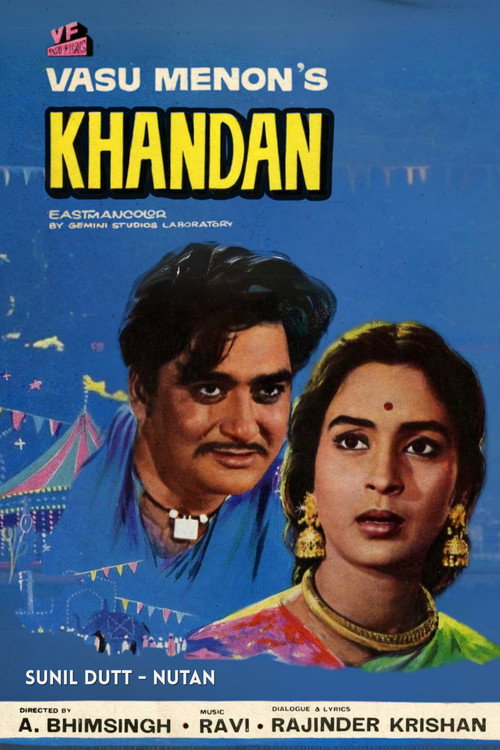
Khandan1965
A multi-generational family saga that examines duty through different characters' eyes. It has the ensemble depth and social observation that make Aaina so compelling.
But At over two and a half hours, it requires the same kind of sustained attention as Aaina itself.
Not sure tonight? Get a pick in a minute, starting from Aaina
The wildcard
Something you would not have found on your own.
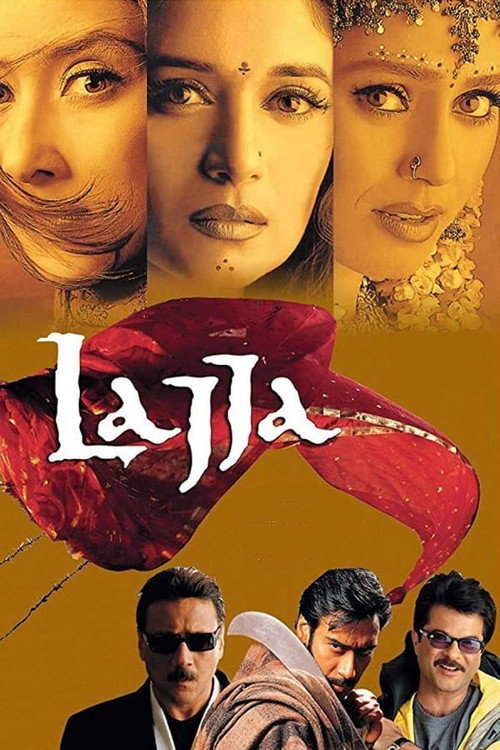
Lajja2001
Both are morality plays about what India asks of women in the name of family and respectability, using parallel stories and ensemble casts to explore the same rigid structures from different angles.
A three-act film following different women across India whose lives are shaped by honour, shame, and family obligation. It's a spiritual successor to Aaina's concerns but in a contemporary setting, made by Rajshri Productions who specialise in family drama.
But The structure is deliberately fractured and sometimes feels preachy. It's also quite long and covers difficult subjects—sexual violence, abandonment—in ways that don't always feel earned.
More like this (7)
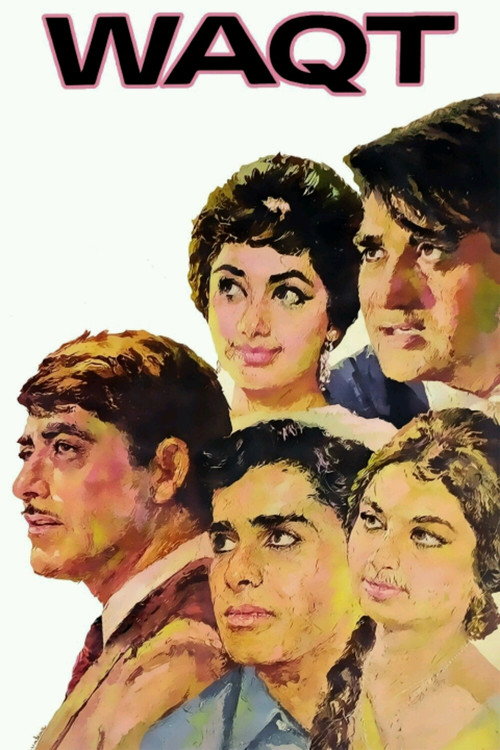
Waqt1965
A sprawling family drama about separation and reunion that shares Aaina's interest in how social circumstance tears apart bonds. The scope is larger but the emotional core is similar.
But The episodic structure means it sometimes feels like three films stitched together, and the tone shifts can be jarring.
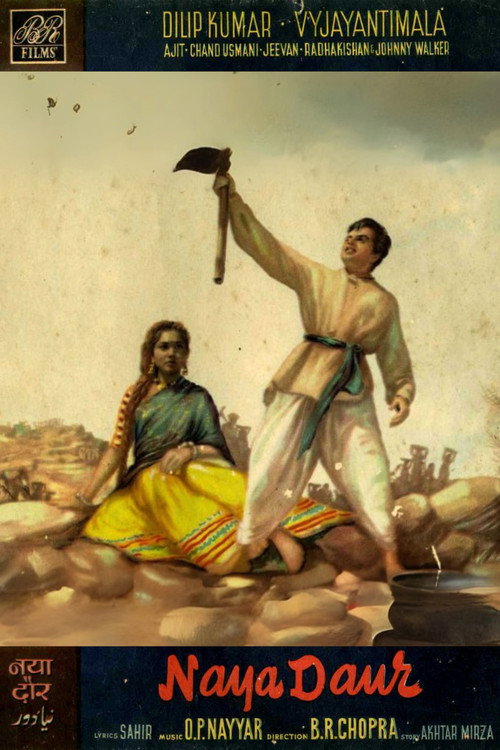
Naya Daur1957
An earlier film about economic struggle within families, though with more of an optimistic bent. It provides a useful counterpoint to Aaina's more pessimistic view of social mobility.
But The political messaging is heavier-handed than in Aaina, and some of the comedy feels dated now.
Jewel Thief1967
A stylish heist film with Rajesh Khanna (who has a special appearance in Aaina) in a charismatic lead role. A tonal shift toward glamour and wit while staying within 1960s Hindi cinema.
But It's nearly the opposite register from Aaina—all gloss and energy. The tonal whiplash might feel jarring if you're deep in Aaina's mood.

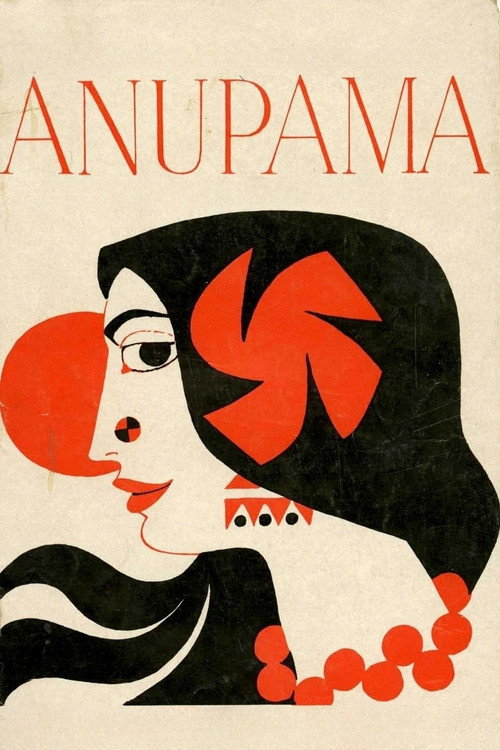
Anupama1966
Another story of a woman's selflessness within marriage and family, but softer in tone and more romantic. It explores similar themes with slightly less severity.
But Some viewers find the romanticization of feminine sacrifice uncomfortable, and this film leans into that more than Aaina does.
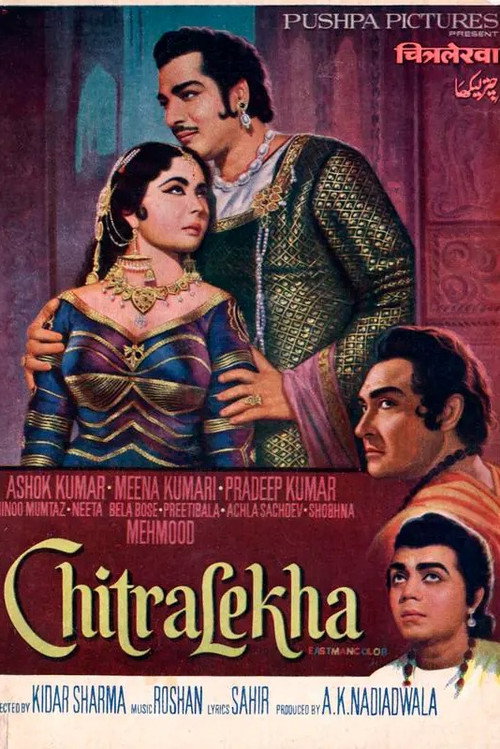
Chitralekha1964
A lesser-known gem about a courtesan's moral complexity and her relationships within rigid class hierarchies. It shares Aaina's interest in how society judges and constrains women.
But It's genuinely obscure now and not easy to find in good quality. The ending is unconventional in ways some find unsatisfying.
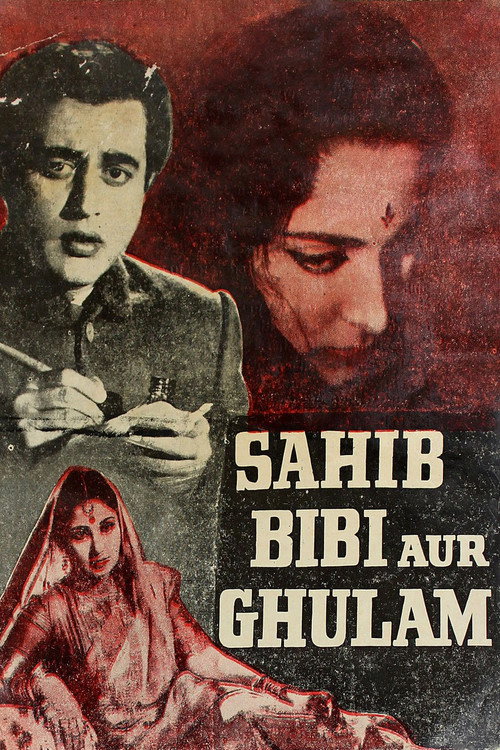
Sahib Bibi Aur Ghulam1962
Both are films about the interior life of households bound by caste and class, where surface respectability masks real suffering. Both use the weight of tradition as a character in itself.
A masterpiece of the same era about class, desire, and social constraint within a Bengali-Hindu household. It has Aaina's moral seriousness and Nirupa Roy in a leading role, shot with extraordinary visual sophistication.
But It's in Bengali (with subtitles in most versions), and the emotional tone is darker and more complex—there are no clear heroes, which some find frustrating.
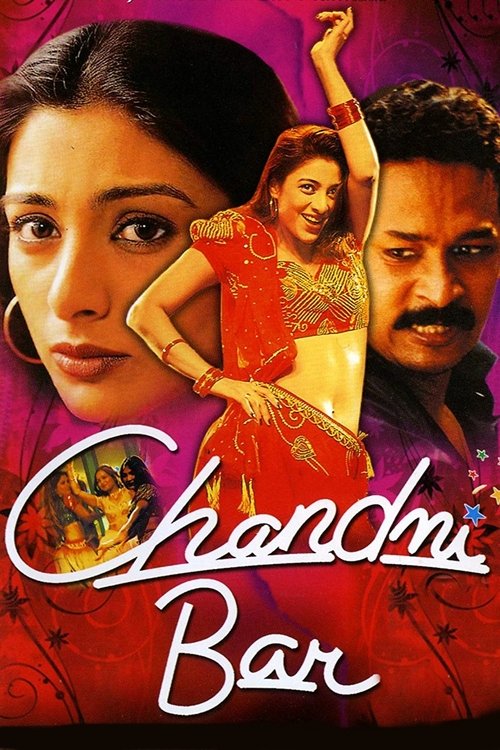
Chandni Bar2001
Both trace how society's judgment of women—their sexuality, their family role, their 'honour'—determines their fate. Aaina shows the constraint; Chandni Bar shows what happens when women break it and what the world does to them in response.
A brutal, unflinching film about a woman's survival in Mumbai's underworld, shot with the visual intensity of modern cinema but interested in the same questions about women and social constraint that animate Aaina.
But It's sexually explicit, violently graphic, and morally pitiless. It's the opposite of Aaina's melodramatic restraint, and some will find it exploitative rather than illuminating.
People
Cast
 Mumtaz AskariShalini R. Shastri
 Nirupa RoySavitri R. Shastri
 A.K. HangalRam Shastri
 Rajesh KhannaSpecial Appearance
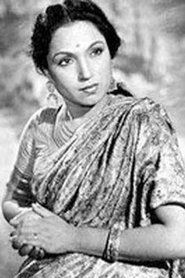 Lalita PawarJanki
 Rita BhaduriPoorna R. Shastri
 JayasudhaUsha G. Shastri
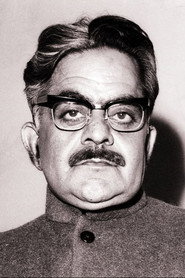 Manmohan KrishnaJagannath Rao

Directing
- K. BalachanderDirector
Writing
- Inder Raj AnandDialogue
- K. BalachanderWriter