
Film
Chitralekha
A 1964 Hindi historical-philosophical film set in ancient Mauryan times, exploring love, duty, and moral character through the triangle of a king's adviser, a courtesan, and the power structures around them. Visually sumptuous and spiritually ambitious, it's a film for those who want their period drama to wrestle with ideas about what actually matters when wisdom and power collide.
If you liked this
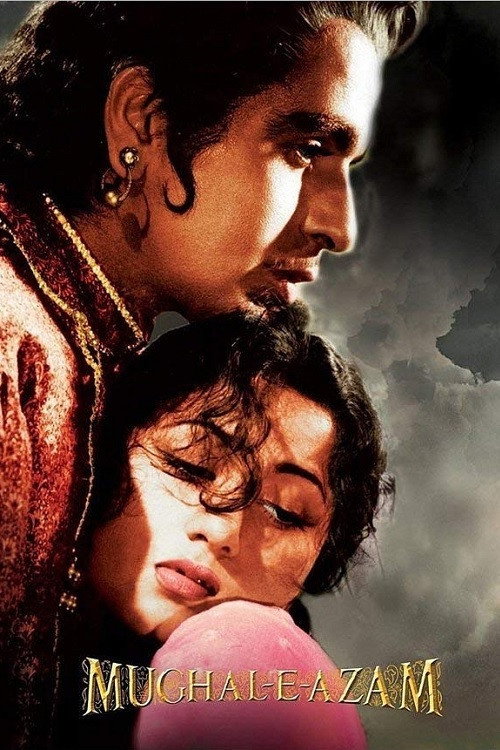
Mughal-e-Azam1960
The grand historical romance that defined the template: sweeping sets, classical music, impossible love between different worlds. If you loved Chitralekha's scale and spiritual weight, this is the film that showed Indian cinema how to achieve it.
But At over three hours, it demands patience. The black-and-white cinematography, though gorgeous, can feel like a commitment rather than an escape.
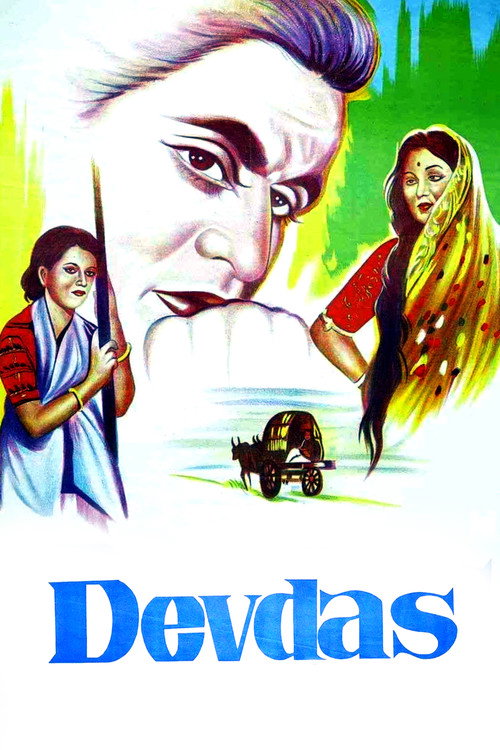
Devdas1955
Bimal Roy's masterpiece about a man destroyed by love and class—same era of Indian cinema, same willingness to make beauty out of moral collapse. The tragedy here is intimate rather than epic, but the emotional intelligence is extraordinary.
But It's relentlessly bleak. There's no redemption waiting, just the slow, inevitable unraveling of a weak man. Some find that cathartic; others find it exhausting.
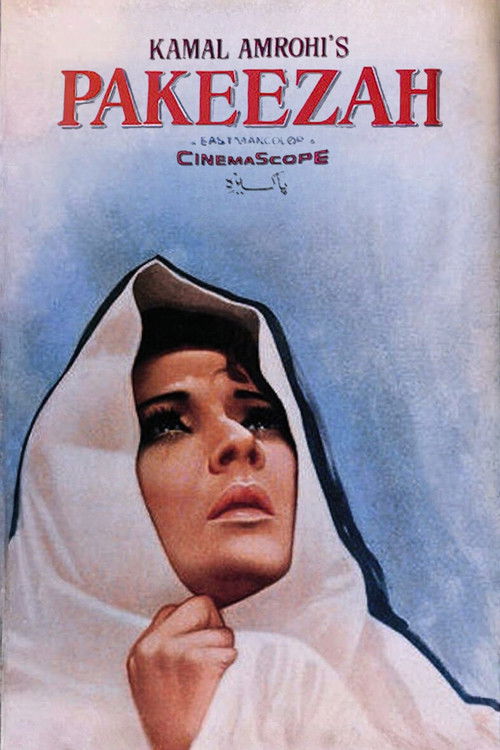
Pakeezah1972
Another courtesan at the film's centre, another meditation on class and respectability. Meena Kumari again—this one's even more visually baroque, shot through with a kind of fever dream sensuality that's unlike anything else in Hindi cinema.
But It's ornate to the point of excess. The plot occasionally vanishes under the sheer weight of beauty. If you want clarity and momentum, look elsewhere.
Not sure tonight? Get a pick in a minute, starting from Chitralekha
The wildcard
Something you would not have found on your own.
Harakiri1962
Both films believe that character matters more than happiness, and both are willing to destroy their characters to prove it. They're meditating on the same question from opposite sides of the world.
A Japanese film, also from the early 1960s, also about honour and sacrifice and the terrible cost of principle. Visually austere where Chitralekha is lush, but the moral seriousness is identical—both ask whether the world has any use for people of actual character.
But It's bleak in a way that's almost punishing. The black-and-white cinematography is beautiful but severe. And it's deeply violent, in ways that Chitralekha is not.

More like this (7)
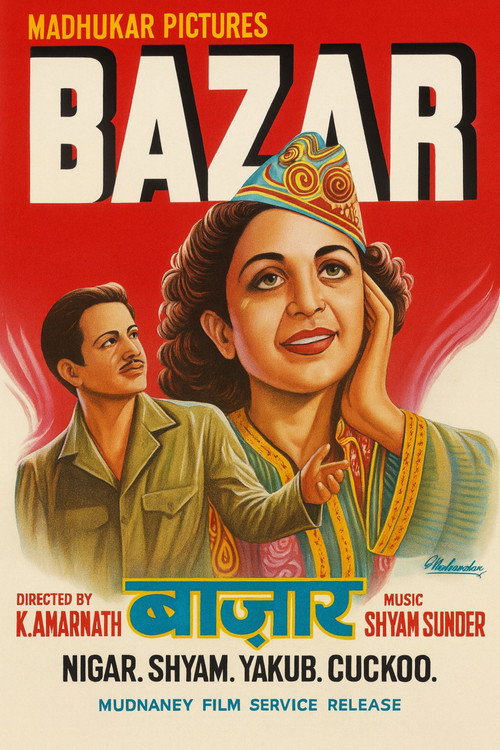
Bazar1949
An earlier film from the same literary-philosophical tradition, with similar questions about desire, morality, and the cost of ambition. Leaner than Chitralekha but equally serious about its themes.
But The print quality can be rough. It's also quite slow by modern standards, even by the standards of 1960s Indian cinema.
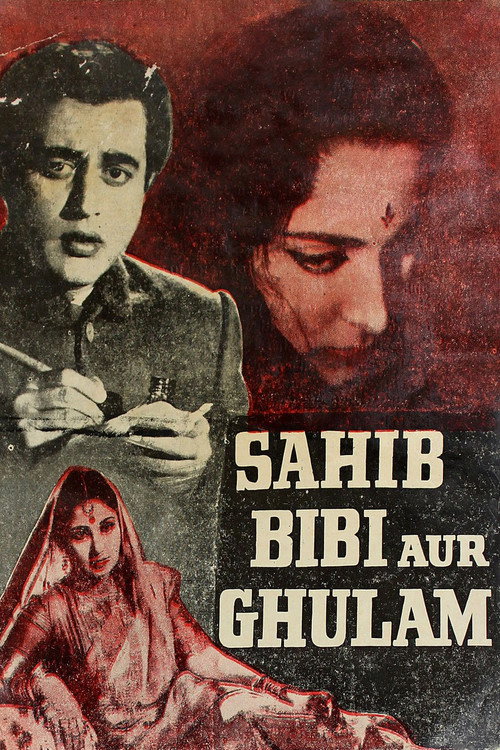
Sahib Bibi Aur Ghulam1962
Abrar Alvi's masterpiece about class, addiction, and a woman trapped in a marriage to a man destroying himself. Meena Kumari in another role where beauty and suffering become inseparable. Achingly human.
But It's bleak and intimate in ways that can feel claustrophobic. Not a film that offers comfort or easy answers.
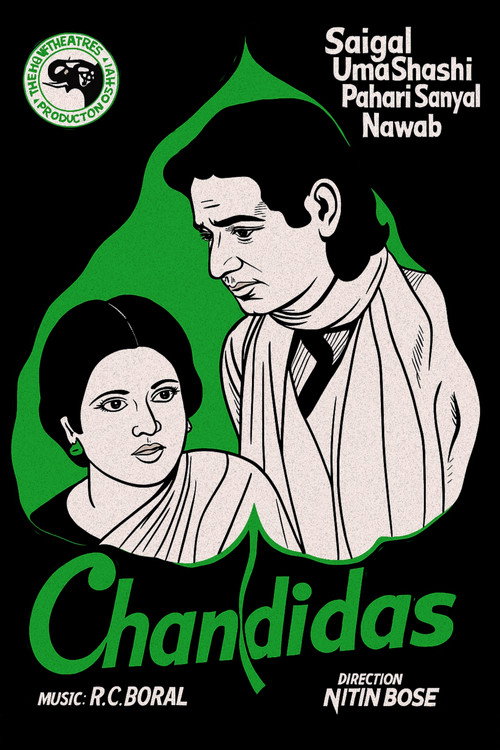
Chandidas1934
An even earlier treatment of similar material—a spiritual man undone by love for a courtesan. This is where some of Chitralekha's DNA comes from. Fascinating to see how the theme evolved across decades.
But It's from the early sound era, and the technical limitations show. The acting style is quite theatrical by today's standards.
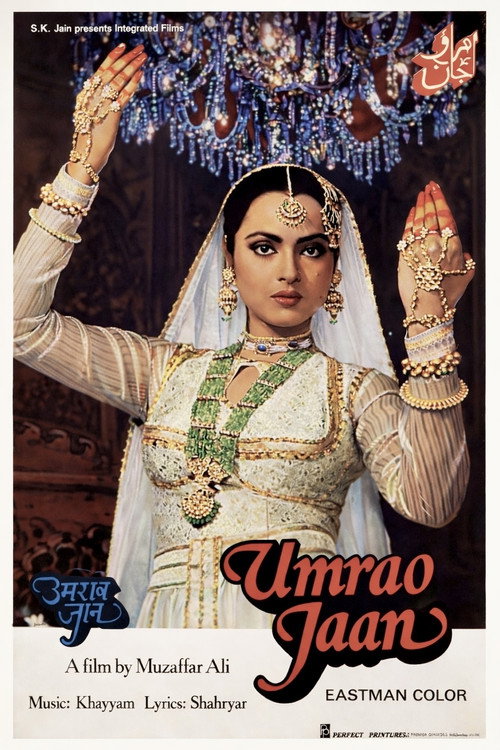
Umrao Jaan1981
Another courtesan at the centre of the story, another film about elegance and heartbreak. Rekha is magnificent, and the film has the same sense that beauty and sorrow are intertwined.
But It's more straightforward as drama than Chitralekha—less interested in philosophy, more interested in plot. Some will find that refreshing; others will miss the ambition.
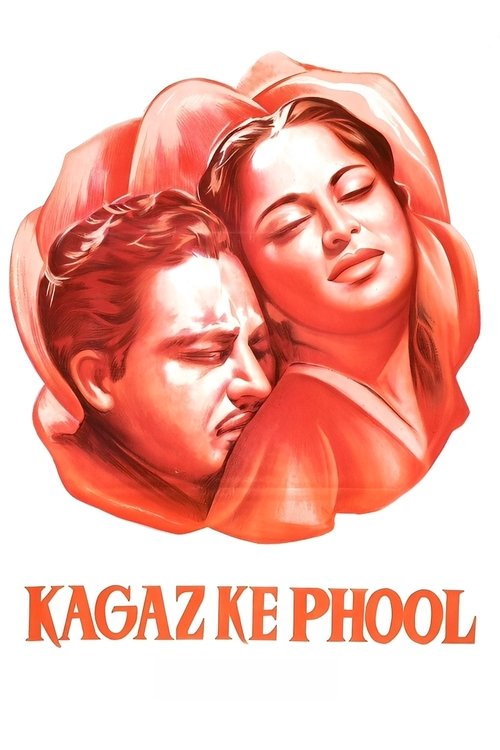
Kaagaz Ke Phool1959
Guru Dutt's semi-autobiographical film about an artist destroyed by love and his own idealism. It has Chitralekha's sense that the world is fundamentally indifferent to human longing, shot through with extraordinary visual poetry.
But It's desperately sad, and Dutt's performance is so raw it can be hard to watch. The film doesn't let you off easy.
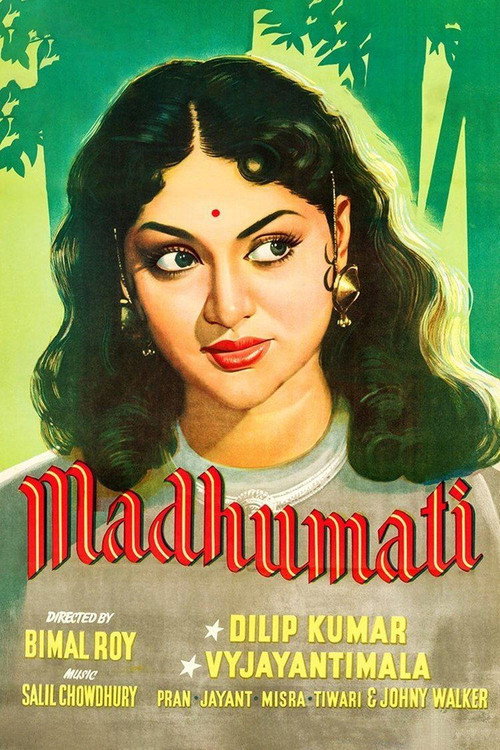
Madhumati1958
Bimal Roy again, with reincarnation and class conflict woven together. Visually ravishing and thematically ambitious, it shares Chitralekha's interest in how character and circumstance collide across time and society.
But The reincarnation conceit can feel contrived. It's also quite long, and the pacing occasionally drags.
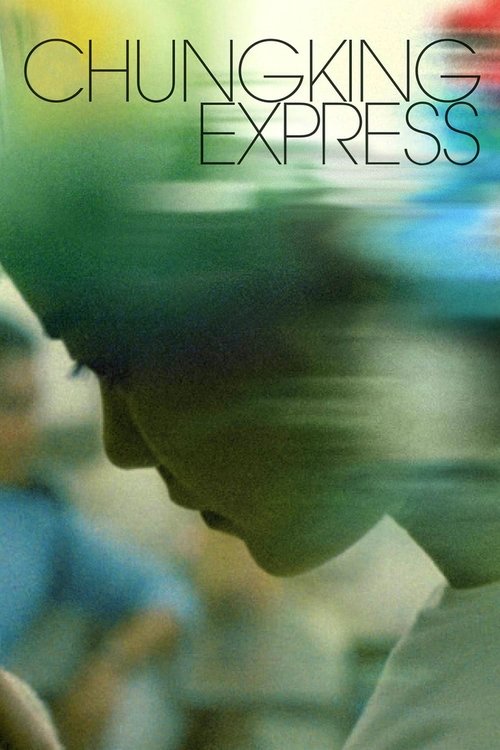
Chungking Express1994
Both films locate their deepest truth in the space between people—in what cannot quite be said or resolved. Where Chitralekha is solemn about this silence, Chungking Express finds it beautiful and strange. Same question, opposite moods.
Wong Kar-wai's kaleidoscopic Hong Kong film about love, loss, and the impossible pursuit of connection in a crowded city. Completely different in tone and style from Chitralekha—bright, fragmented, almost ecstatic—but it's asking the same question: what do we do when desire and duty point in different directions?
But It's elliptical and refuses to explain itself. The narrative is fractured, the colour palette is overwhelming, the pacing is strange. It rewards surrender more than understanding.
People
Cast
 Meena KumariChitralekha
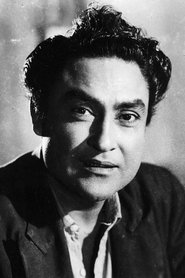 Ashok KumarYogi Kumargiri
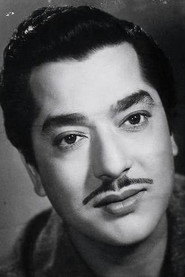 Pradeep KumarAryaputra Samant Bijgupt
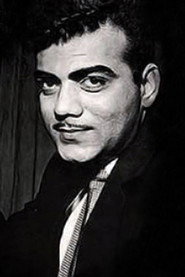 MehmoodBrahmachari Shwetant
- Minoo MumtazMaid
Directing
- Kidar Nath SharmaDirector