
Film
Baiju Bawra
A 1952 Indian classical masterpiece where a gifted young musician seeks revenge against the man who murdered his father, culminating in an extraordinary musical duel before Emperor Akbar. Lavish, emotionally direct, and structured around breathtaking vocal performances. For anyone who loves music as drama, romance woven through spectacle, or wants to understand how Bollywood learned to make epics.
Should you watch it?
Watch it if you love classical music treated as drama, where a raga can carry more emotion than dialogue, and a sincere, unembarrassed romance does not mind looking old-fashioned.
Skip it if you tire of slow, formal set pieces, because the songs pause the story more often than they drive it forward, and the emotion is never underplayed.
What it asks of you: Settle in for roughly two and three-quarter hours of stately pacing, with emotions played at full volume rather than in quiet understatement.
Not sure? Find tonight's pick in a minute.
If you liked this
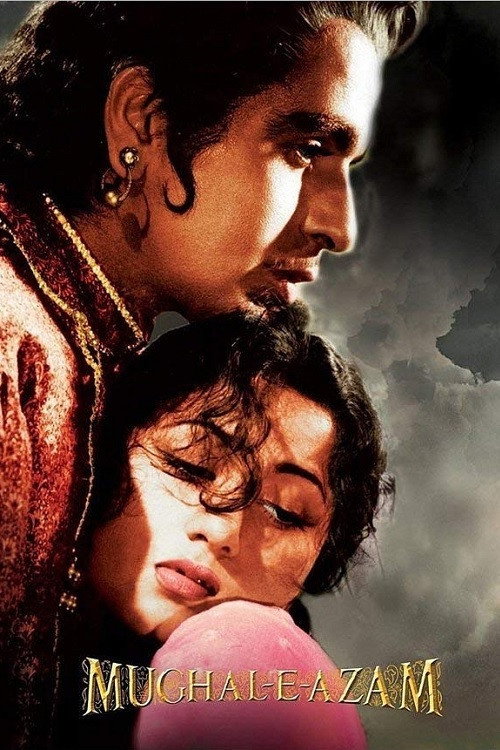
Mughal-e-Azam1960
The definitive Mughal court epic, equally invested in romance, music, and political intrigue. If you loved Baiju Bawra's scale and classical ambition, this is the next logical step—grander, more famous, and just as musically stunning.
But Nearly four hours long, and the pacing reflects 1960s filmmaking. Some may find the romance subplot overshadows the political drama.
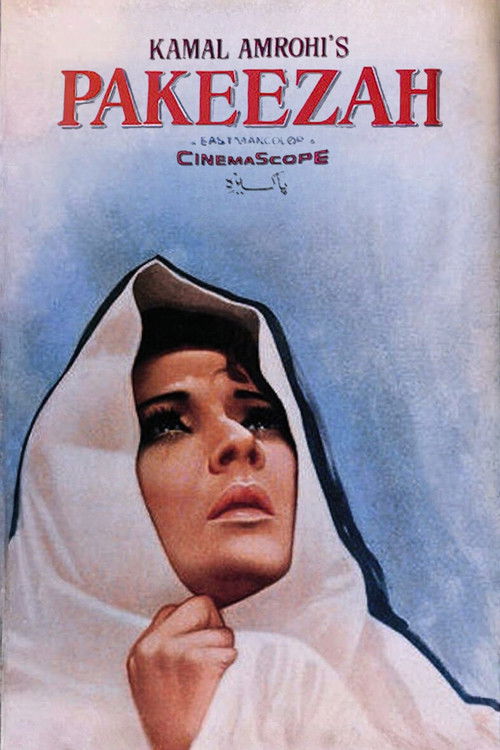
Pakeezah1972
A courtesan's daughter defies her fate through art and love. Shares Baiju Bawra's belief that music and beauty can transcend social position, with some of cinema's most gorgeous frames and songs ever composed.
But Deeply melodramatic. The romantic plot is paramount, and some find the pacing sluggish by modern standards.
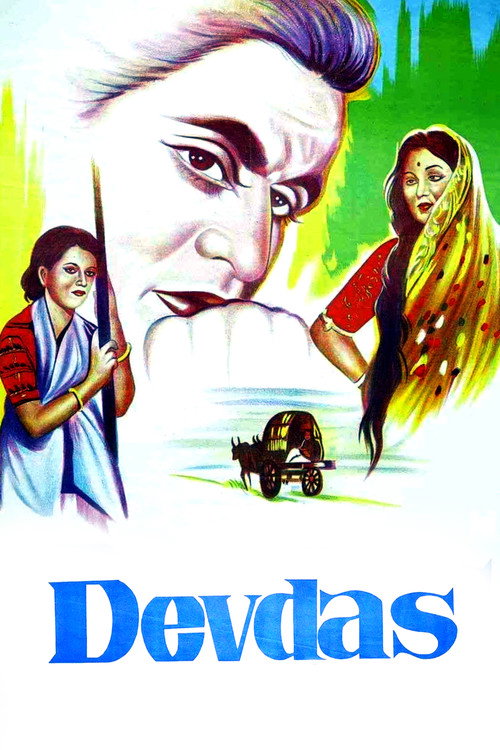
Devdas1955
Guru Dutt's noir-tinged remake of a classic tragedy: a man destroyed by forbidden love finds temporary solace in music and excess. The visual poetry and emotional wreckage will resonate if Baiju's blend of art and anguish moved you.
But Relentlessly bleak. This is a film about watching someone self-destruct, which some find exhausting rather than cathartic.
Not sure tonight? Get a pick in a minute, starting from Baiju Bawra
The wildcard
Something you would not have found on your own.
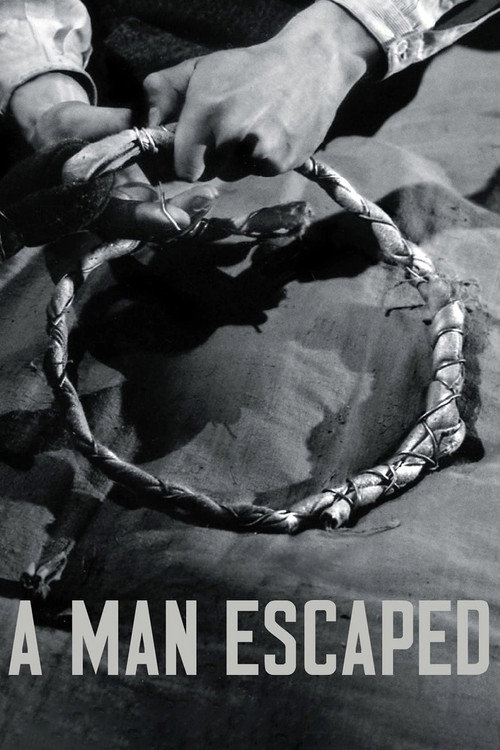
A Man Escaped1956
Both films argue that mastery of craft—whether raag or planning—is a form of spiritual resistance and moral victory. Both use aesthetic perfection as the language of the soul.
Robert Bresson's masterwork about a French Resistance prisoner's meticulous escape plan. Shares Baiju Bawra's belief that virtuosity—whether musical or tactical—can redeem the human spirit. Music used sparingly, but when it arrives, it transforms everything.
But Austere, slow, European modernism. If you come for Bollywood spectacle, you'll find the opposite: blank walls, whispered dialogue, and patience tested.
More like this (4)
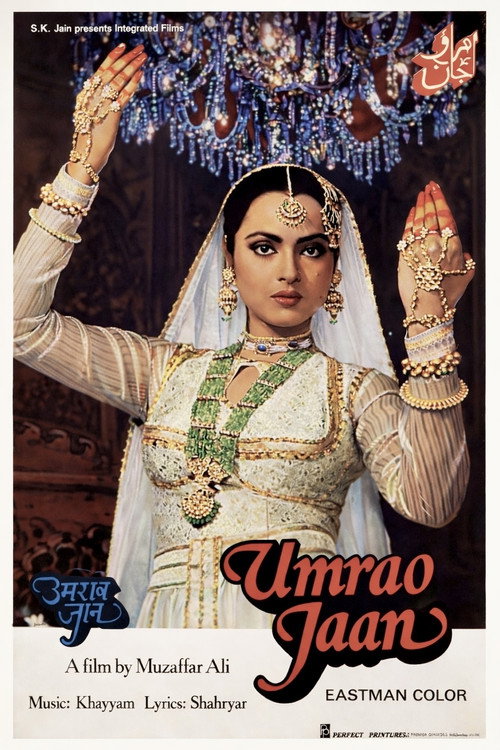
Umrao Jaan1981
Rekha's performance as a courtesan who reclaims her story through song and dignity. The same structure—music as resistance—but filtered through feminist consciousness and set against a crumbling empire.
But More tragic than triumphant. It's less about victory than it is about survival and the cost of survival.
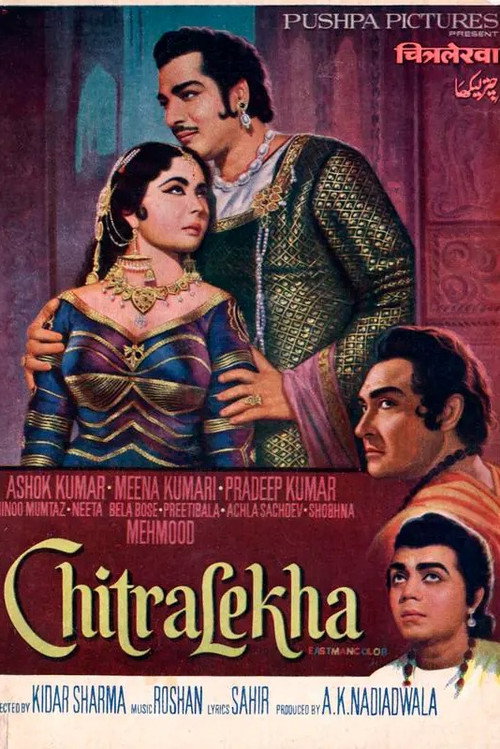
Chitralekha1964
Another Mughal-era romance where a courtesan and a warrior find connection through art. Manages to be both sensual and morally complex, with superb music and a genuinely ambiguous ending.
But The plot hinges on a woman's 'redemption' through male approval, which hasn't aged well. Some sequences feel padded.
Stalker1979
Both are obsessed with the interior life—desire, ambition, the cost of devotion. Both ask: what are you willing to sacrifice to become who you wish to be? Both answer through form, not explanation.
Tarkovsky's philosophical science-fiction film about a guide leading seekers into a mysterious zone where wishes come true. Like Baiju, it treats artistic and spiritual yearning as the central human drama, with long sequences of quiet contemplation that build extraordinary emotional power.
But Three hours of very slow cinema. Almost no plot, minimal dialogue, shot in muted colours. The kind of film that demands active patience, not passive watching.

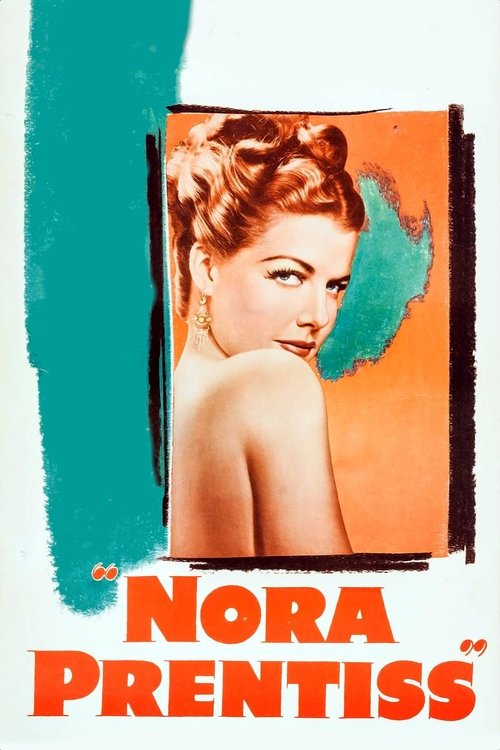
Nora Prentiss1947
Both films understand that performers—whether classical musicians or nightclub singers—live in a liminal space where they can transcend social boundaries but never quite escape them. Both explore what happens when desire intrudes on art.
A film noir where a doctor's affair with a nightclub singer spirals into murder and identity death. American, cynical, utterly contemporary in mood—but structurally identical to Baiju Bawra: art and beauty as both salvation and doom, a woman caught between worlds, a man destroyed by desire.
But 1940s genre film from a studio system that wasn't trying to be profound. The dialogue is period-stiff and the plot twists occasionally feel mechanical.
People
Cast
 Meena KumariGauri
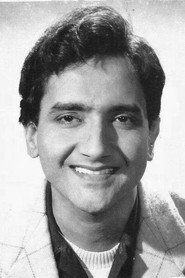 Bharat BhushanBaijnath 'Baiju'
 SurendraSangeet Samrat Tansen
 Kuldip KaurDaku Roopmati
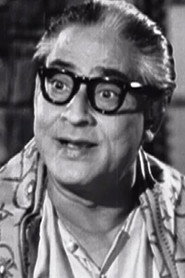 Bipin GuptaShahenshah Akbar
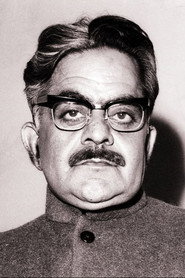 Manmohan KrishnaShankar Anand
- Rattan KumarYoung Baijnath
- B.M. VyasMohan
 TabassumYoung Gauri
Directing
- Vijay BhattDirector
Writing
- Zia SarhadiDialogue
- Shakeel BadayuniLyricist
- R.S. ChoudhuryScreenplay
- Ramchandra ThakurStory
Production
- Shankerbhai BhattProducer
- Vijay BhattProducer