
Film
Nora Prentiss
A respectable doctor's affair with a nightclub singer spirals into something darker when opportunity and desperation collide. This 1947 melodrama operates in that particular register where passion and moral compromise feel less like character flaws and more like natural catastrophes. It's soapy, tense, and genuinely unsettling—the kind of film that makes you uncomfortable about what you're rooting for.
Should you watch it?
Watch it if you love melodramas where a respectable man's careful decency gets tested, and you enjoy watching moral compromise build one reasonable-seeming step at a time.
Skip it if you need fast plotting or a heroine you can cheer for, since this one is slow to unfold and its title character is held at arm's length.
What it asks of you: Under two hours at a measured pace, it rewards patience with its dialogue and asks you to sit with uncomfortable choices rather than be hurried past them.
Not sure? Find tonight's pick in a minute.
If you liked this
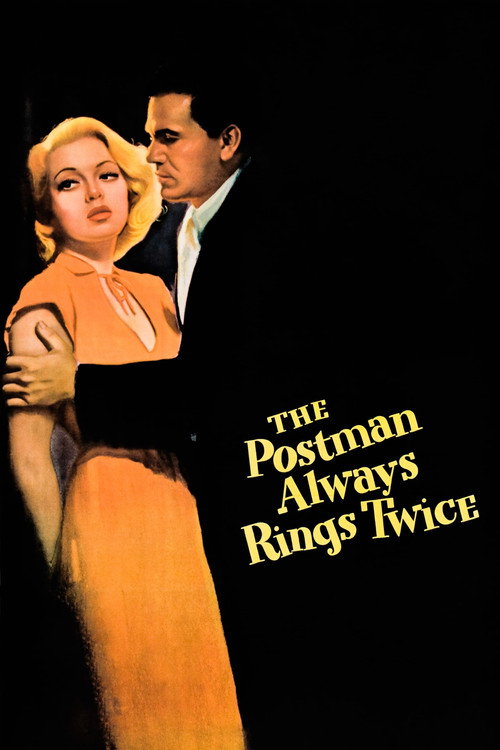
The Postman Always Rings Twice1946
The template for this exact story: desire meets opportunity, and an ordinary person becomes capable of extraordinary things. Lana Turner and John Garfield burn the screen. You'll recognize every beat.
But It's brisk to the point of feeling thin in places, and the moral reckoning lands with less weight than the setup promises.
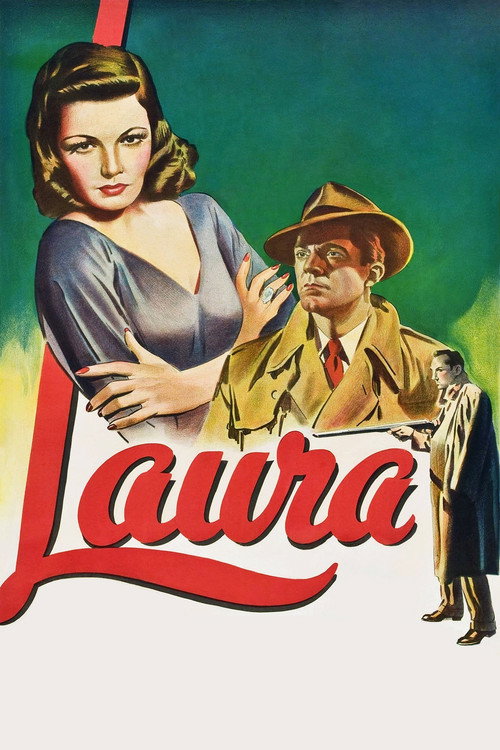
Laura1944
A murder mystery soaked in obsession and ambiguity. Gene Tierney's portrait becomes the most magnetic character in the film. Elegant, strange, and genuinely unsettling in ways that linger.
But The pacing is deliberate—this isn't a puzzle box, it's a mood piece. If you want action, you'll find yourself waiting.
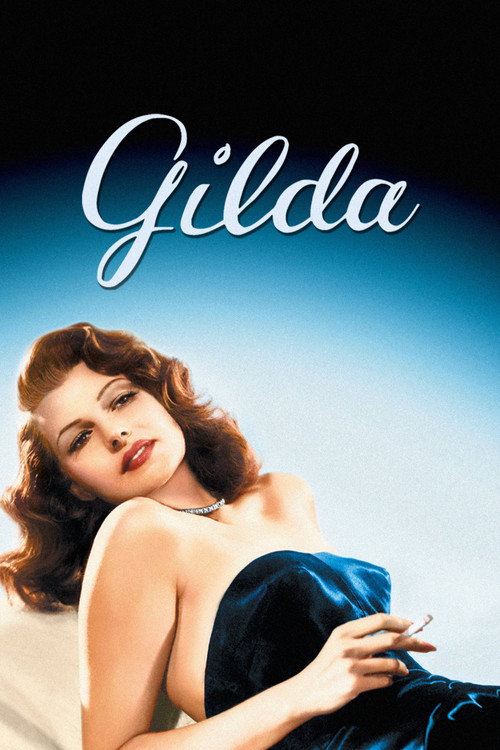
Gilda1946
Rita Hayworth as a woman who destroys men not through malice but sheer magnetism. It's fever-dream cinema about desire as a destabilizing force, shot through with real darkness beneath the glamour.
But The plot takes a backseat to atmosphere and performance. Some scenes feel like padding, and the ending softens what came before.
Not sure tonight? Get a pick in a minute, starting from Nora Prentiss
The wildcard
Something you would not have found on your own.
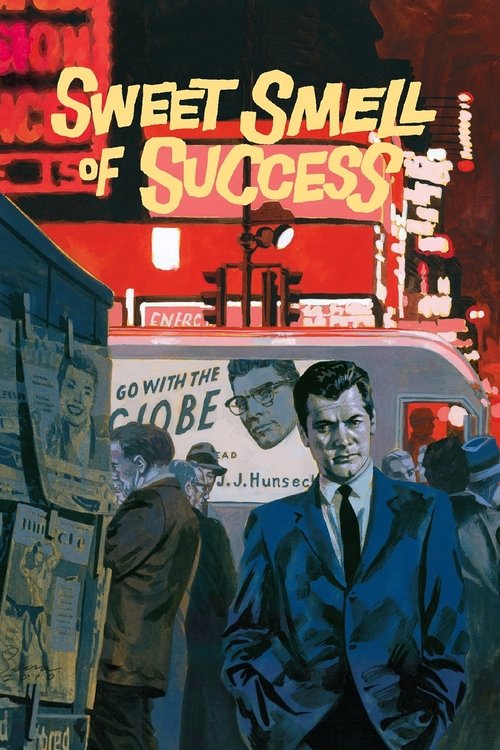
Sweet Smell of Success1957
Both are about attractive, magnetic people whose appeal masks a deeper corruption—the difference is that Sweet Smell of Success never lets you look away from it.
An older film that perfects the moral rot at Nora Prentiss's core: corruption as style, with dialogue that feels like weaponized poetry. Burt Lancaster and Tony Curtis in a story about desire and coercion.
But The world it depicts is almost entirely male and predatory. The cynicism is absolute and suffocating.
More like this (7)
In a Lonely Place1950
Humphrey Bogart as a man whose reputation corrodes around him. It's about how thin the line is between suspicion and guilt, and how love might not be enough to save you. Devastating.
But It's bleak and offers no real comfort. The romantic element feels almost tragic rather than redemptive.

The Killers1946
Burt Lancaster and Ava Gardner in a story where a man's affair sets off a chain of betrayals and violence. Fragmented narrative, stark cinematography, and genuine menace throughout.
But The opening is so strong that the middle section—which backtracks to explain it—can feel like a letdown.

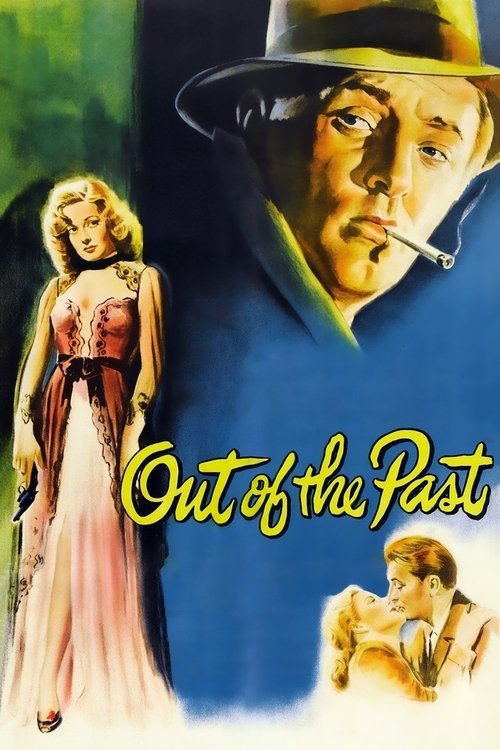
Out of the Past1947
Robert Mitchum and Jane Greer in perhaps the definitive film noir about being trapped by your past and your desires. It moves with absolute confidence and style.
But If you haven't seen it, that's almost a reason to start here instead. It's more polished and less interested in moral ambiguity than Nora Prentiss.
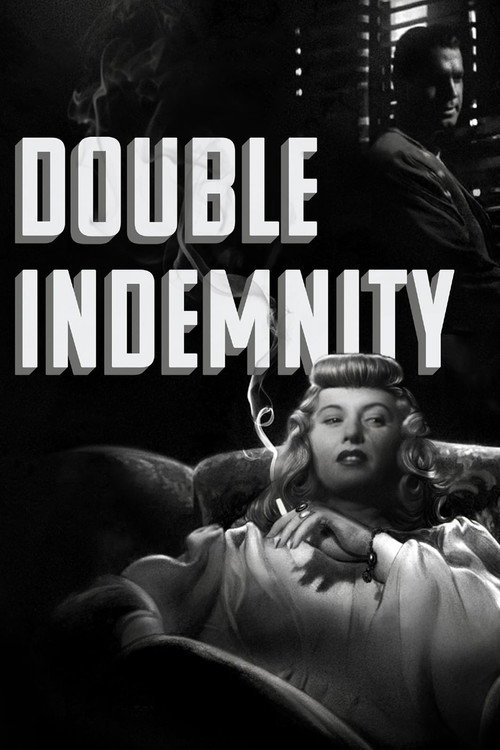
Double Indemnity1944
The gold standard: Fred MacMurray and Barbara Stanwyck in Billy Wilder's masterpiece about a man undone by lust and a woman's manipulation. Every scene is calculated.
But It's canonical, which means you've heard about it endlessly. The reputation can work against discovering it fresh.
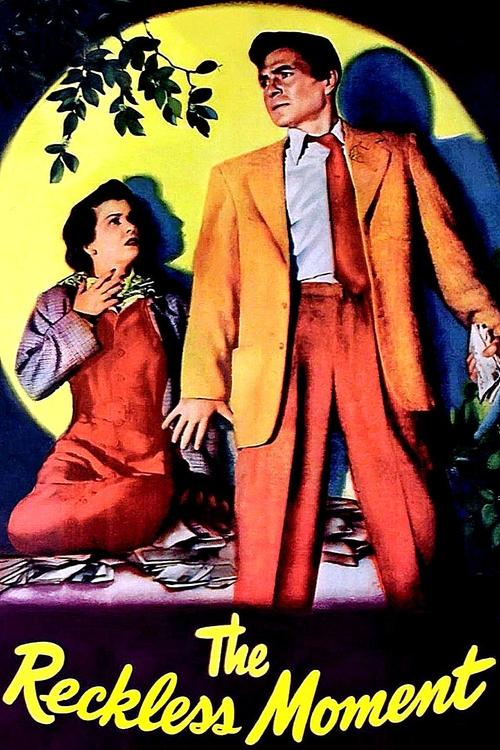
The Reckless Moment1949
A woman trying to protect her daughter gets tangled with a blackmailer. Ophüls directs with such precision that moral desperation becomes almost balletic. Taut and humane.
But It's less about passion than about the machinery of circumstance, which gives it less heat than similar stories.
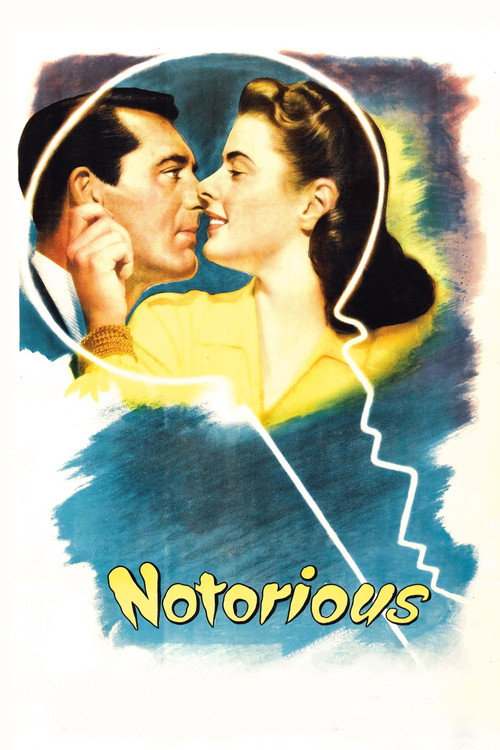
Notorious1946
Hitchcock's exploration of a woman asked to sleep with a man for her country—desire, duty, and manipulation spiral together. Cary Grant and Ingrid Bergman are extraordinary.
But It's more interested in suspense mechanics than in the emotional cost of its premise, which some find distancing.
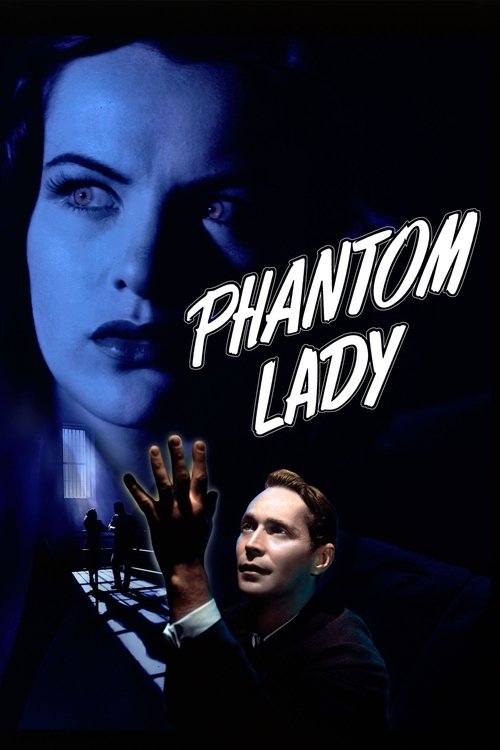
Phantom Lady1944
Like Nora Prentiss, it's about a decent person undone by circumstance and a relationship they can't escape. But Phantom Lady makes you question whether the protagonist deserves rescue.
A woman tries to prove her husband innocent of murder while becoming entangled with a detective. It's a mystery, yes, but also a study of how desperation and attraction can make someone lose themselves. Visually stunning.
But The treatment of women is transactional and uncomfortable, even for 1944. The climax relies on a turn that some will see coming.
People
Cast
 Ann SheridanNora Prentiss
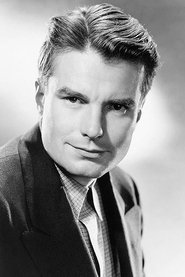 Kent SmithDr. Richard Talbot
 Bruce BennettDr. Joel Merriam
 Robert AldaPhil Dinardo
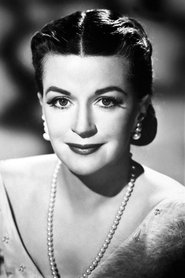 Rosemary DeCampLucy Talbot
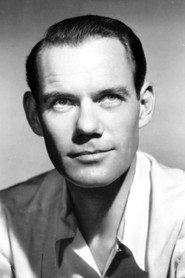 John RidgelyWalter Bailey
 Robert ArthurGregory Talbot
 Wanda HendrixBonita Talbot
 Helen BrownMiss Judson
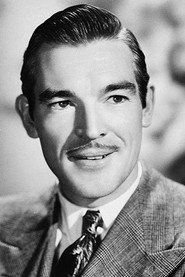 Rory MallinsonFleming
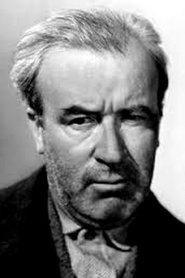 Harry ShannonPolice Lieutenant
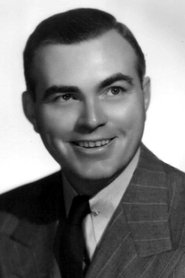 James FlavinDistrict Attorney
Directing
- James McMahonAssistant Director
- Vincent ShermanDirector
Writing
- Jack SchollLyricist
- N. Richard NashScreenplay
- Jack SobellStory
- Paul WebsterStory
Production
- Jack L. WarnerProducer
- William JacobsProducer