
Film
Shalimar
A 1946 Indian historical drama centred on the legendary romance between Emperor Jehangir and Empress Nur Jehan. Rather than gilded pageantry, it ventures into their emotional lives—the jealousy, passion, and quiet yearning beneath the throne. For anyone drawn to intimate portraits of power and desire, rendered through the lens of classical Indian cinema.
Should you watch it?
Watch it if you like period romances that look past the palace gold to the bruised jealousies between two people who are supposed to rule everything but their own hearts.
Skip it if you need brisk plotting or modern pacing, since this older picture lingers on sentiment and grand gestures and may feel stately and stagey to a viewer used to tighter storytelling.
What it asks of you: Settle in for an unhurried sitting of ornate sets and slow-burning emotion, where scenes breathe and feelings are played out at length rather than summarised.
Not sure? Find tonight's pick in a minute.
If you liked this
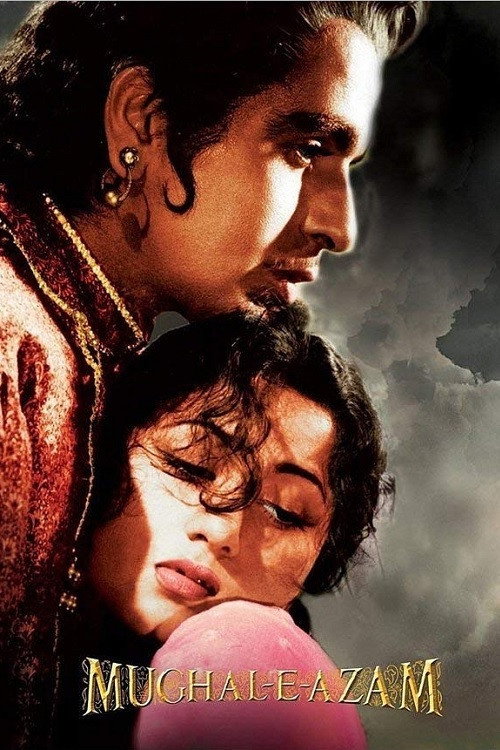
Mughal-e-Azam1960
The definitive Mughal romance epic, with staggering technical ambition for its era and a love story that still devastates. If Shalimar moved you, this is the masterwork that perfected the form.
But Nearly four hours long, and the pacing is deliberate. Some of the theatrical acting style will feel distant if you're used to modern naturalism.
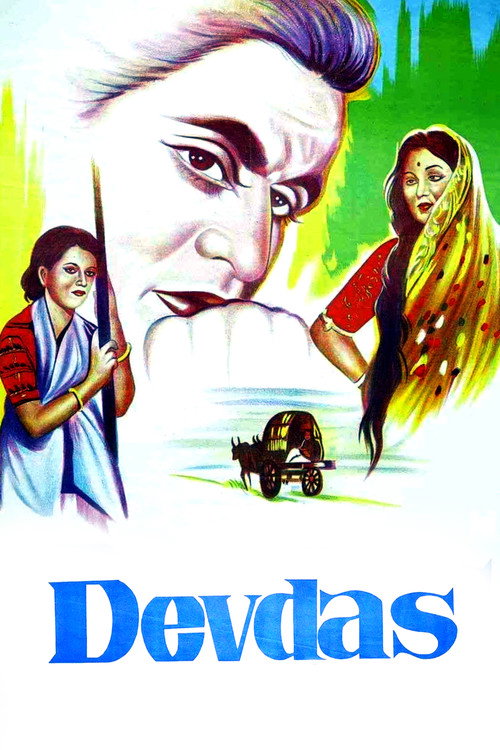
Devdas1955
Bimal Roy's adaptation of Sarat Chandra Chatterjee's novel about impossible love and social constraint. The emotional clarity and visual poetry share Shalimar's interest in passion as tragedy.
But The fatalism can feel heavy-handed, and the film doesn't question the social structures that doom its characters.
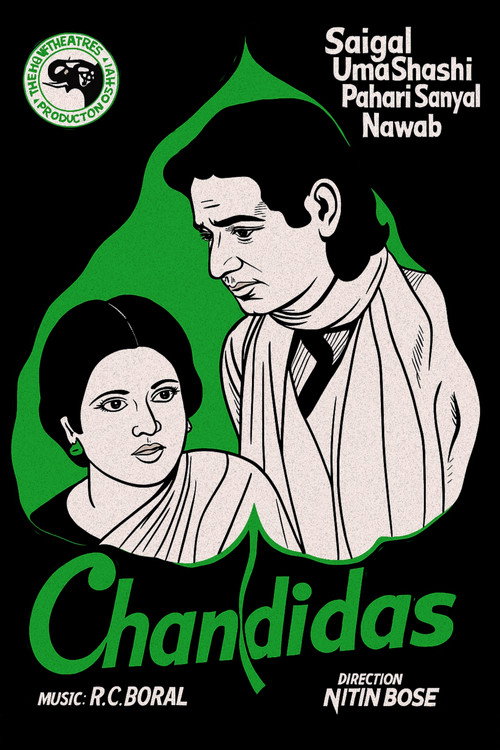
Chandidas1934
An earlier Chatterjee adaptation exploring desire across caste lines in medieval Bengal. Rawer and more direct about transgression than later versions, with a similar interest in love as historical disruption.
But The print quality is poor and the theatrical style is difficult; it requires patience and goodwill toward period cinema.
Not sure tonight? Get a pick in a minute, starting from Shalimar
The wildcard
Something you would not have found on your own.
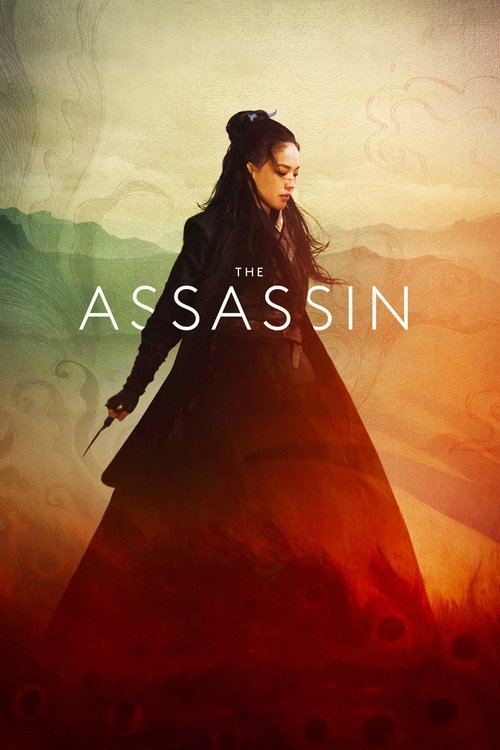
The Assassin2015
Both treat historical romance as a study in powerlessness—how desire becomes tragedy not through drama but through the weight of duty and hierarchy.
Hou Hsiao-hsien's Taiwanese wuxia film set in Tang Dynasty China. Like Shalimar, it privileges mood and visual composition over plot momentum—you live inside the political and emotional constraints of court life, watching jealousy and duty corrode love.
But It's deliberately slow and painterly to the point of stillness. Dialogue is sparse; meaning lives in glances and landscape. Many will find it insufferably paced.
More like this (7)
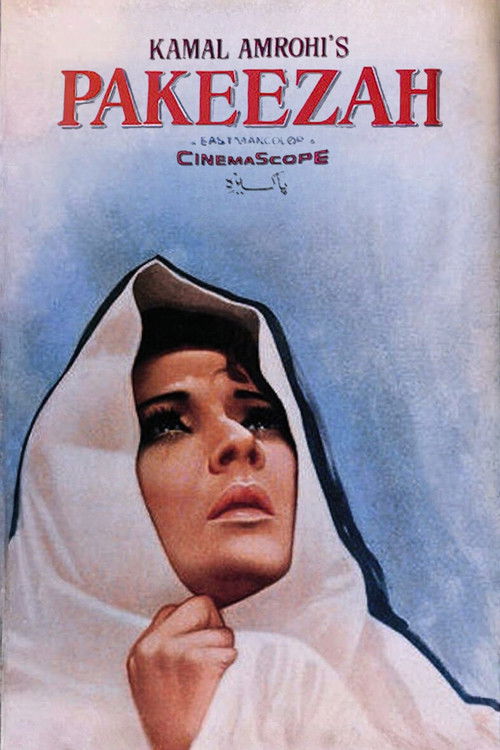
Pakeezah1972
A courtesan's romance filmed with obsessive visual beauty—every frame is composed like a painting. It shares Shalimar's fascination with desire, honour, and a woman's agency within impossible circumstances.
But The sentimentality will seem overwrought to some. It took sixteen years to make, and the delays show in tonal inconsistencies.
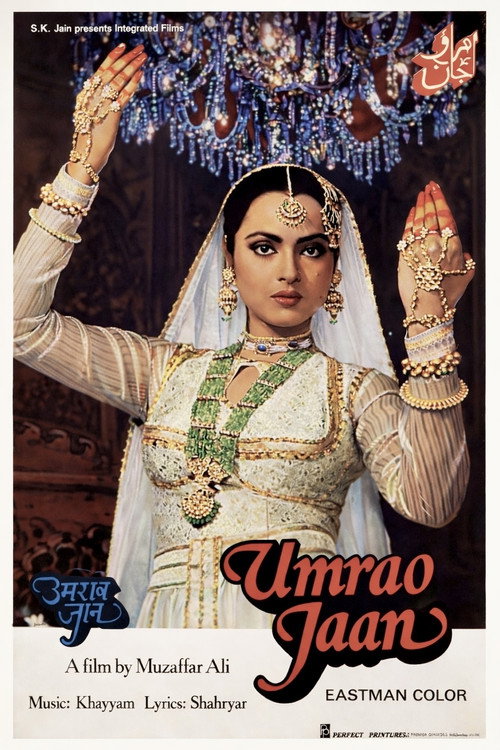
Umrao Jaan1981
Lucknow, 1840s. Another portrait of a woman of immense talent and limited freedom, navigating power through beauty and wit. Rekha's performance is among the finest in Indian cinema.
But It's melancholic to the point of numbness. The film doesn't offer catharsis, only resignation.
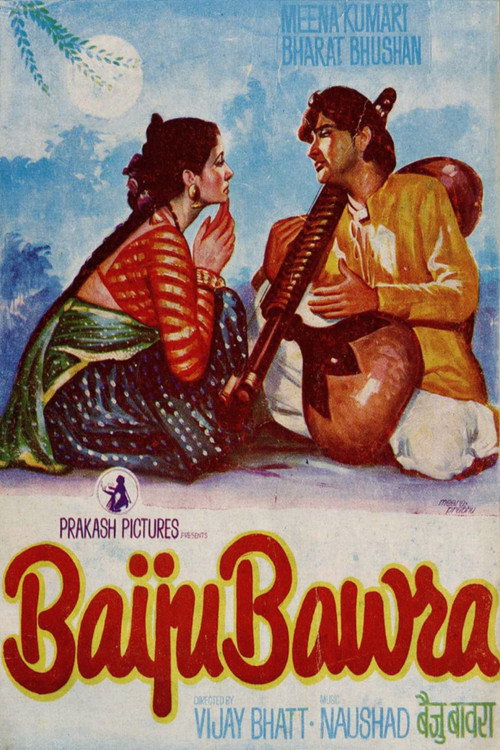
Baiju Bawra1952
A musician's rivalry and romance set during Akbar's reign, with serious attention to classical music as emotional language. The historical detail and emotional restraint will appeal to Shalimar admirers.
But The music sequences are very long and the plot is thin. It's essentially a vehicle for performances that don't carry dramatic weight.
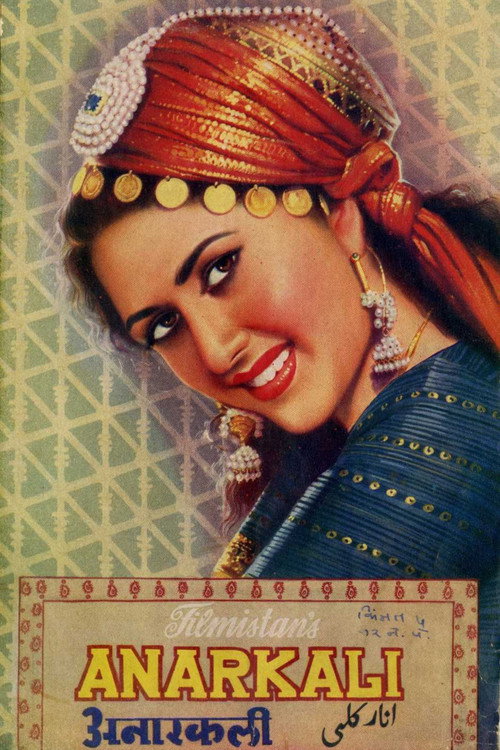
Anarkali1953
Another Mughal romance—the doomed love between a prince and a courtesan. If you're building a sense of how Indian cinema has repeatedly mined this historical territory, this is essential viewing.
But The narrative is straightforward to the point of simplicity. Nothing surprising happens, and the ending is foregone.
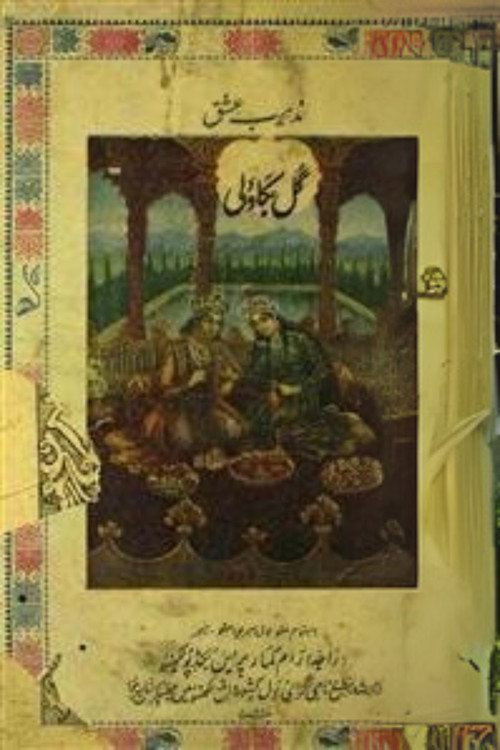
Gul-e-Bakavali1924
One of the earliest Indian narrative films, a historical fantasy set in a Mughal court. Watching Shalimar alongside this shows how the grammar of historical cinema evolved in a quarter-century.
But It's a curiosity rather than a satisfying drama. The plot is incoherent by modern standards and the acting is almost incomprehensibly theatrical.
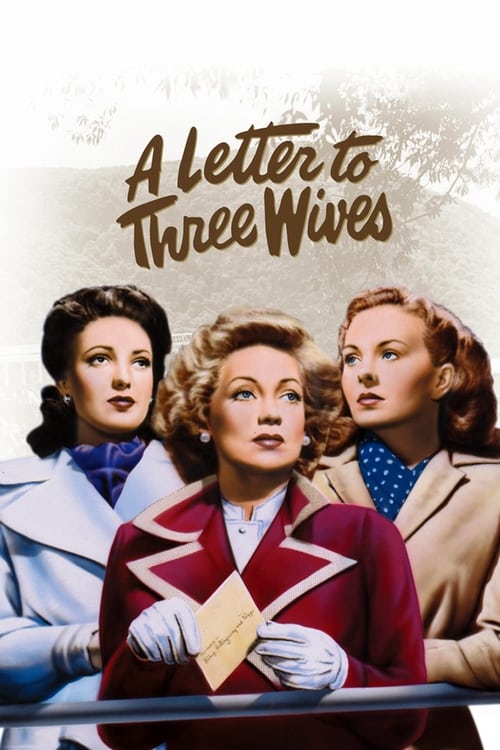
A Letter to Three Wives1949
Both use historical or social setting as a cage that makes love painful. The architecture changes, but the machinery of jealousy and constraint is the same.
Joseph L. Mankiewicz's American suburban melodrama, made just three years after Shalimar. Three wives navigate jealousy and passion in twentieth-century Connecticut. The emotional precision and the interest in what desire costs are identical.
But The gender politics are of its era—these are women defined by their marriages. The Americana setting might seem trivial after Mughal grandeur.
Greed1924
Both films believe that desire is a force that unmakes people—not ennobles them. Both are interested in what it costs to want.
Erich von Stroheim's silent masterpiece about desire and avarice in California. A complete aesthetic opposite to Shalimar—brutal, expressionist, American—yet animated by an identical conviction that passion destroys the people it touches.
But It's silent, two hours of unrestored print, and morally very dark. There's no beauty to soften it. Some of it won't make narrative sense without research.

People
Cast
- Begum ParaEmpress Nurjehan
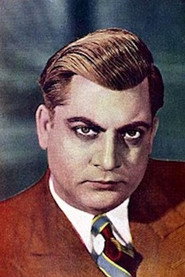 ChandramohanEmperor Jehangir
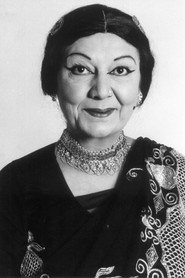 ManoramaTaji
- Al NasirMurad
- PramilaShali
Directing
- Roop K. ShoreyDirector
Writing
- I.S. JoharWriter