
Film
Bazar
A 1949 Indian drama following an impoverished poet and his friend as they flee home to join a theatrical troupe, encountering gypsies and street life along the way. It's a picaresque journey through post-independence India's underbelly, mixing melodrama with social observation. A portrait of survival, art, and friendship among the dispossessed.
If you liked this
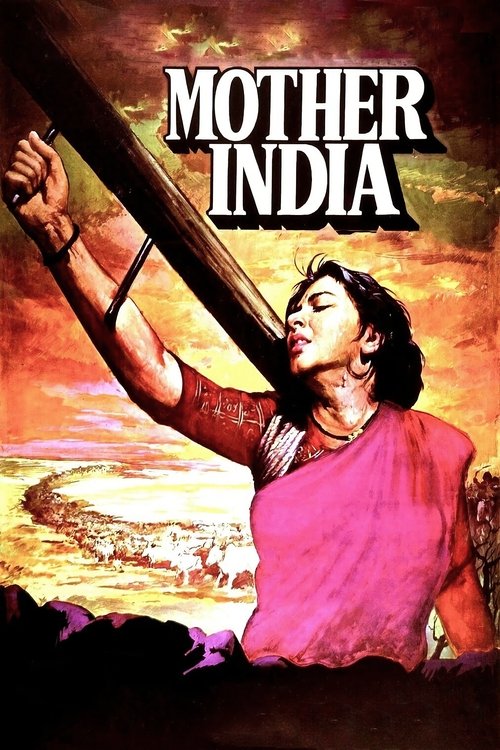
Mother India1957
Nargis and Sunil Dutt anchor this sweeping family drama about sacrifice and resilience in rural India. It's visually stunning, emotionally unsparing, and defined Indian cinema for a generation.
But The emotional beats are telegraphed and the moral lessons sometimes heavy-handed. At 173 minutes, it demands patience.
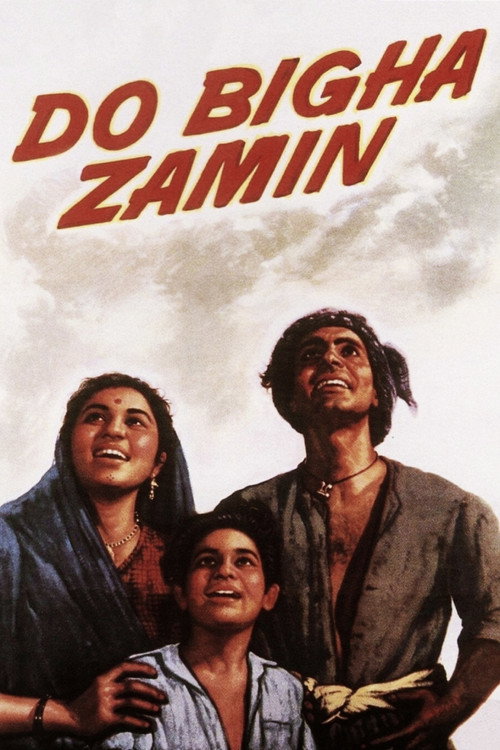
Two Acres of Land1953
Balraj Sahni's performance as a peasant fighting to keep his land is heartbreaking and real. The film captures rural desperation with documentary-like clarity, building to genuine tragedy.
But The pace is deliberate and the bleakness never lifts. If you need hope, this isn't it.
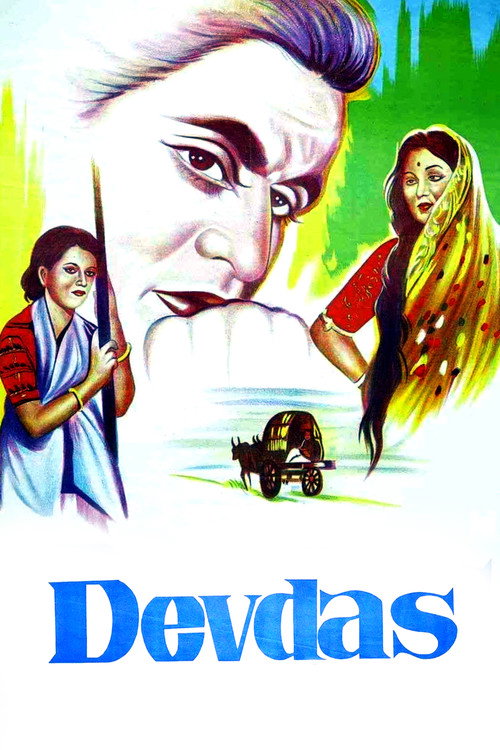
Devdas1955
Dilip Kumar at his most tortured, playing a man destroyed by class and love. Bimal Roy's direction is lush and the supporting cast—Suchitra Sen, Motilal—is extraordinary throughout.
But The melodrama is operatic and the fatalism can feel suffocating. Not a film that leaves room for nuance.
Not sure tonight? Get a pick in a minute, starting from Bazar
The wildcard
Something you would not have found on your own.
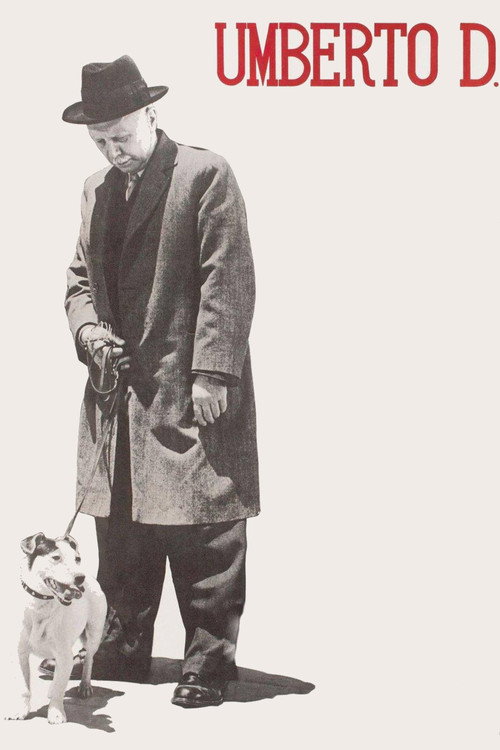
Umberto D.1952
Both center characters pushed to the margins, finding connection and meaning in relationships rather than wealth or status. Both refuse to sentimentalize poverty.
Vittorio De Sica's Italian neorealist masterpiece about an elderly pensioner and his dog facing eviction. Like Bazar, it finds dignity and humanity in poverty, but with European austerity instead of Indian melodrama. Same moral core, utterly different register.
But It's austere, quiet, and offers no comfort or resolution. The slowness isn't stylistic—it's the pace of real despair. Some find it unbearable rather than moving.
More like this (8)
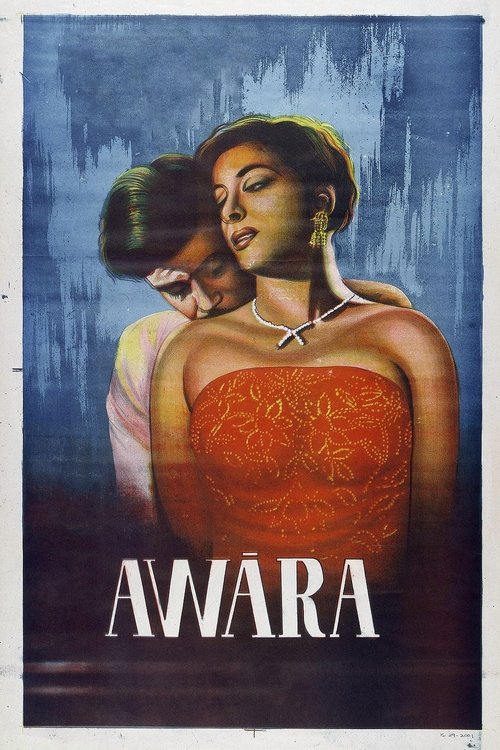
Awaara1951
Raj Kapoor plays a street orphan in this romantic thriller that influenced decades of cinema. The famous rain dance scene alone justifies watching, but the whole film crackles with invention.
But The plot takes wild turns that don't always land logically. Some of the comedy feels dated.
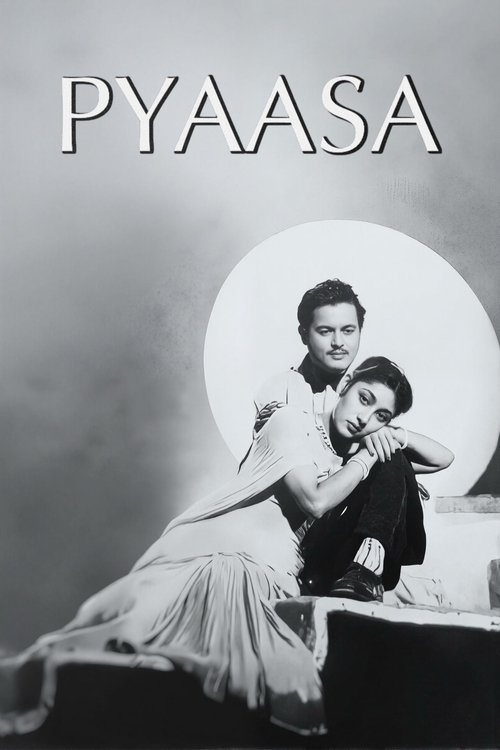
Pyaasa1957
Guru Dutt's masterpiece about a poor poet betrayed by the world is achingly beautiful and politically sharp. Every frame is composed like a painting; every moment aches.
But It's relentlessly bleak and the pacing is measured to the point of slowness. Requires mood and attention.
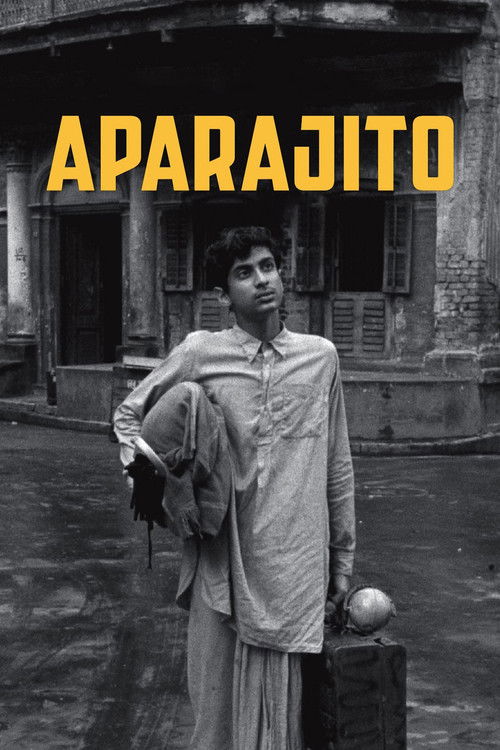
Aparajito1956
Satyajit Ray's middle chapter of the Apu trilogy follows a boy's education and his mother's quiet sacrifice. Ray captures the texture of lived life—poverty, aspiration, family—with unmatched tenderness.
But There's no conventional plot. It's observational and meditative, which some find glacial rather than profound.
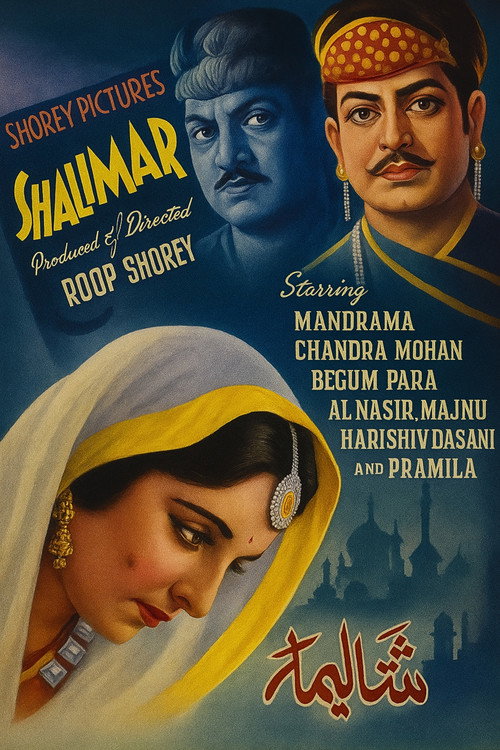
Shalimar1946
A Mehboob Khan production about love across class lines, gorgeously mounted and featuring early performances from actors who would define Indian cinema. It's entertaining melodrama with visual flair.
But The acting style is broad and the class commentary is more surface than substance. Feels occasionally dated in its emotional logic.
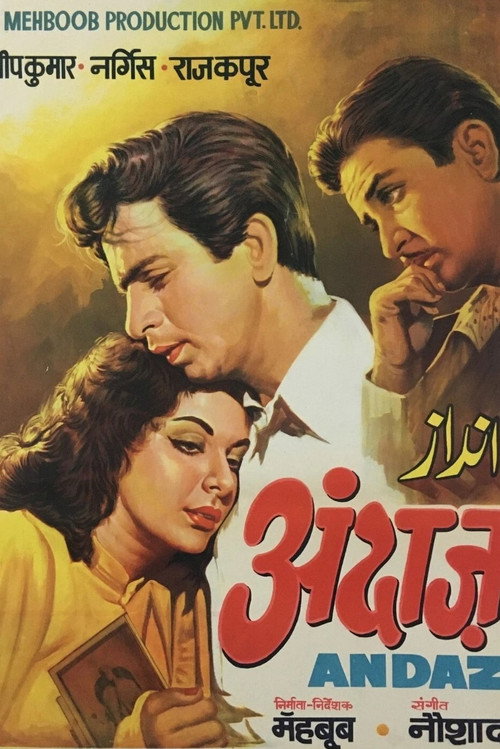
Andaz1949
Released the same year as Bazar, this romantic drama with Nargis and Dilip Kumar has elegance and charm. It's lighter than many contemporaries but beautifully made and genuinely engaging.
But The plot is fairly slight and the drama sometimes feels manufactured. It prioritizes style over depth.
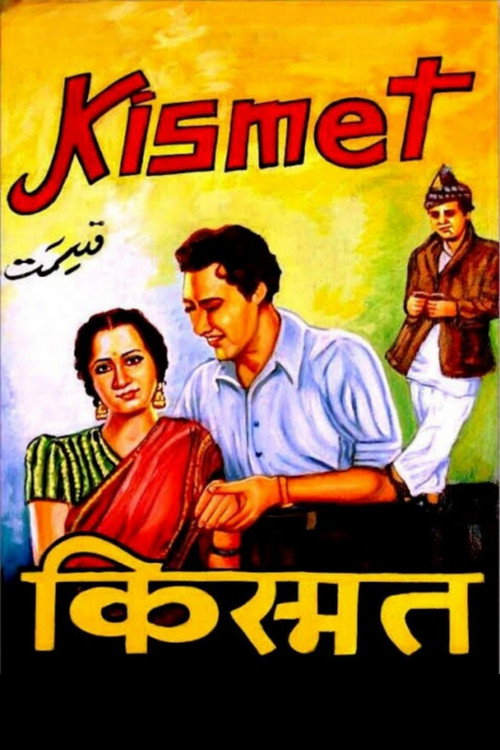
Kismet1943
Ashok Kumar in a proto-noir about crime and fate. It's playful and stylish, with memorable music and a sense of theatrical mischief that predates many postwar films in its energy.
But The narrative is sometimes scattered and the moral framework feels muddled. It hasn't aged as gracefully as its reputation suggests.
La Haine1995
Both follow young men outside the system navigating friendship, survival, and the streets as their actual home. Both are energetic rather than despairing despite the circumstances.
Mathieu Kassovitz's black-and-white portrait of three friends navigating poverty and marginalization in Paris banlieues. It has Bazar's energy—restless, street-level, following outcasts through their world—but in a completely different era and context.
But It's angry and offers no solutions, only friction. The famous ending is brutally unsentimental. If you need resolution, you won't find it.

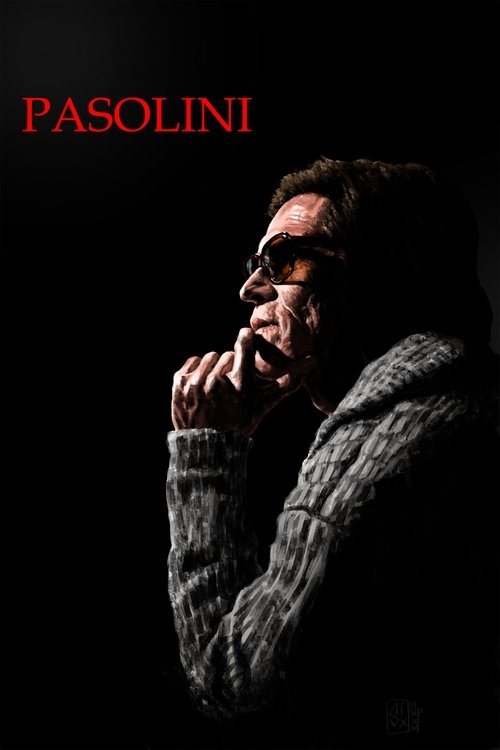
Pasolini2014
Both are about artists and outsiders; where Bazar follows a poet trying to enter the theatrical world, Pasolini explores a poet consumed by the street world. Inverse trajectories, same obsession with art and marginalia.
Abel Ferrara's film about the Italian poet-filmmaker's final days and his fascination with street life, hustlers, and the dispossessed. It's a meditation on art made from poverty and the cost of that vision—the inverse of Bazar's journey.
But It's obscure, deliberately challenging, and more interested in mood than narrative. The final act shifts into something almost abstract. Not for patient viewers—for different-kind-of-patient viewers.
People
Cast
 ShyamParwana
 Nigar SultanaBijli
- YakubKhanna
- GopeJaggu

Directing
- K. AmarnathDirector
Writing
- Qamar JalalabadiLyricist
- K. AmarnathWriter
Production
- K. AmarnathProducer