
Film
Andaz
Other titles called Andaz: the 1971 film.
Andaz is a 1949 Hindi drama about a wealthy, headstrong woman and the poor man who falls for her—a collision of class and circumstance that spirals into crime. It's glossy, melodramatic, and genuinely tense, anchored by Nargis and Dilip Kumar at their peak. A foundational Bollywood film that defined the tragic romance template for decades.
Should you watch it?
Watch it if you like romantic triangles built on pride and misread intentions, where the talk between two people carries more tension than any action scene does.
Skip it if you need brisk plotting, since this older melodrama lingers over its emotional stalling and its dated, stagey conventions.
What it asks of you: Settle in for close to two and a half hours of gradual unfolding, with long conversational scenes and a wistful, unhurried mood that rewards patience over momentum.
Not sure? Find tonight's pick in a minute.
If you liked this
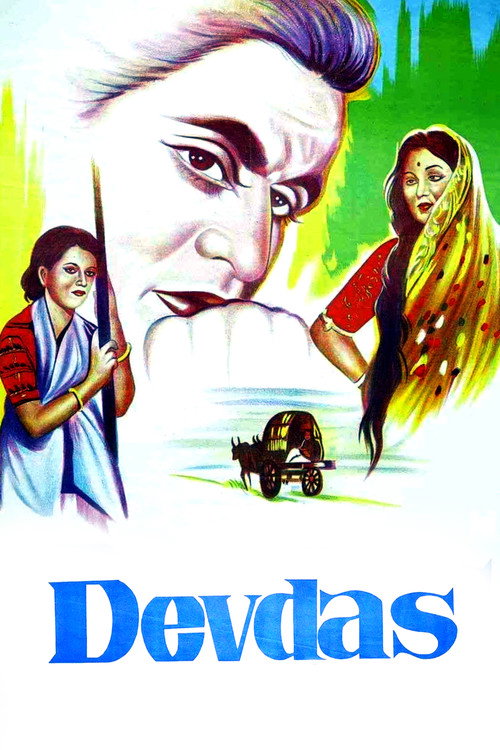
Devdas1955
Bimal Roy's masterpiece translates Sarat Chandra's novel into visual poetry. A man destroys himself over a woman he cannot have; the film watches with unflinching compassion. Utterly heartbreaking and formally perfect.
But Melodrama on this scale demands patience. If you resist emotional manipulation, this will feel excessive rather than moving.
Pyaasa1957
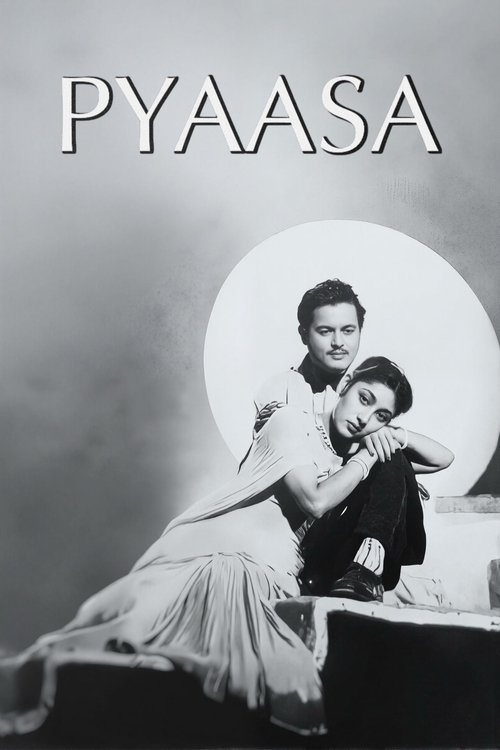
Guru Dutt's portrait of a poet crushed by a callous society. It looks stunning, feels intimate despite its scope, and the ending lingers. This is what Bollywood poetry looks like.
But The pacing is deliberate. Nothing rushes. Some find the despair relentless rather than cathartic.
Mughal-e-Azam1960
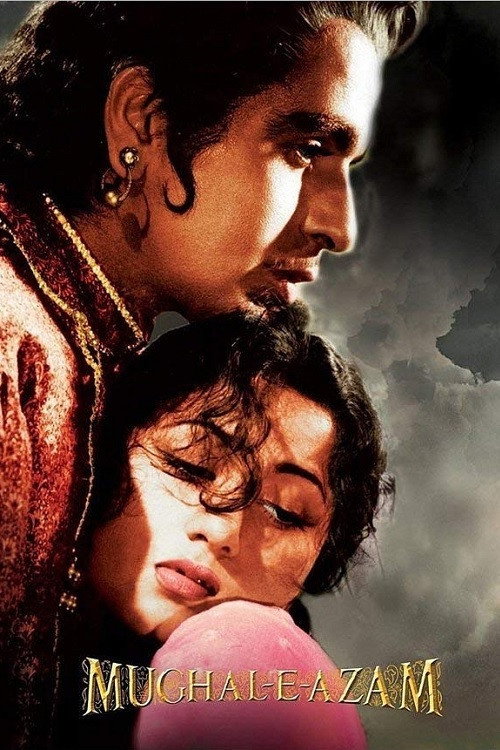
A lavish period romance about forbidden love between a prince and a courtesan, with spectacle that justifies itself. The court intrigue crackles, the music soars. Hindi cinema at its most confident and assured.
But At three-and-a-half hours, its grandeur can feel exhausting if you're not ready to surrender to it completely.
Not sure tonight? Get a pick in a minute, starting from Andaz
The wildcard
Something you would not have found on your own.
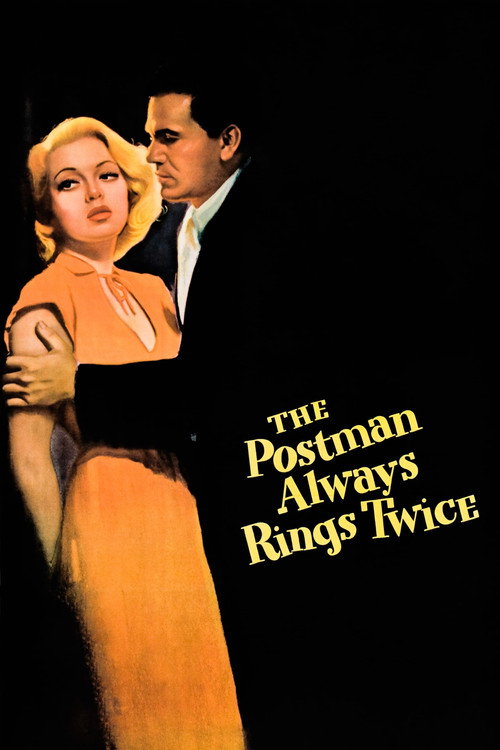
The Postman Always Rings Twice1946
Both pit forbidden love against social order, but this one asks: what if the law is right to separate them? What if passion destroying people isn't romance, it's tragedy with no redemption.
A drifter and a trapped woman in a loveless marriage plot a murder. Where Andaz treats class collision as tragedy, this treats passion as criminal compulsion. The bleakness is stunning—noir shows what melodrama becomes when hope dies.
But It's cynical, sensual, and morally murky in ways that 1949 Bollywood wasn't. If you want redemption or nobility, you won't find it.
More like this (7)
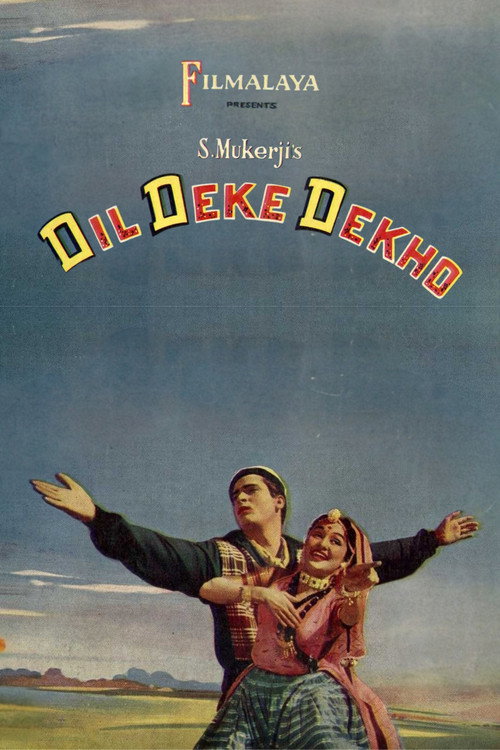
Dil Deke Dekho1959
A lighter touch on the same tragic romance machinery: a poor man loves a rich woman, class divides them, sentiment and music fill the gaps. Raj Kapoor and Karina churn genuine chemistry from the formula.
But It treads well-worn ground without reinventing it. The plot turns are entirely predictable if you've seen Andaz or anything like it.
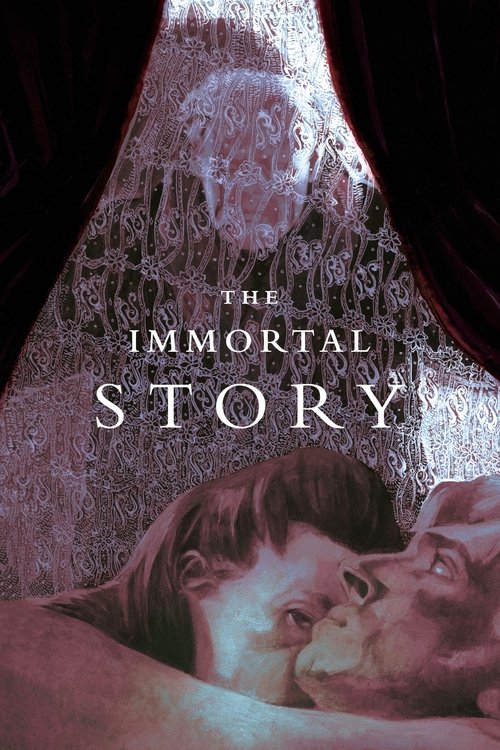
The Immortal Story1968
Orson Welles directs a Dinesen story about a rich merchant who stages a seduction to prove a legend true. It's spare, philosophical, and unexpectedly modern in how it questions performance and desire.
But Welles' late style is austere. If you want plot momentum or conventional emotion, you'll find the film frustratingly indirect.
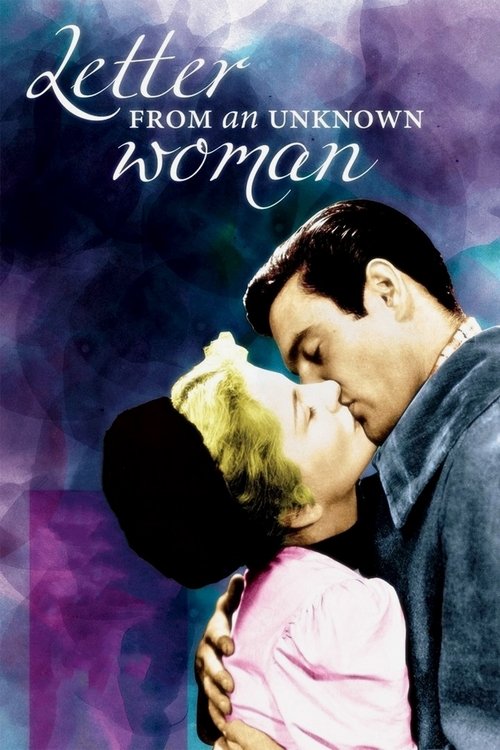
Letter from an Unknown Woman1948
Max Ophüls captures the pain of loving someone who cannot love you back. A woman's entire life orbits an oblivious man; the camera choreography and score do the heavy lifting. Masterful melodrama.
But The passivity of its heroine alienates modern viewers. Watching someone suffer because they won't speak up tests patience.
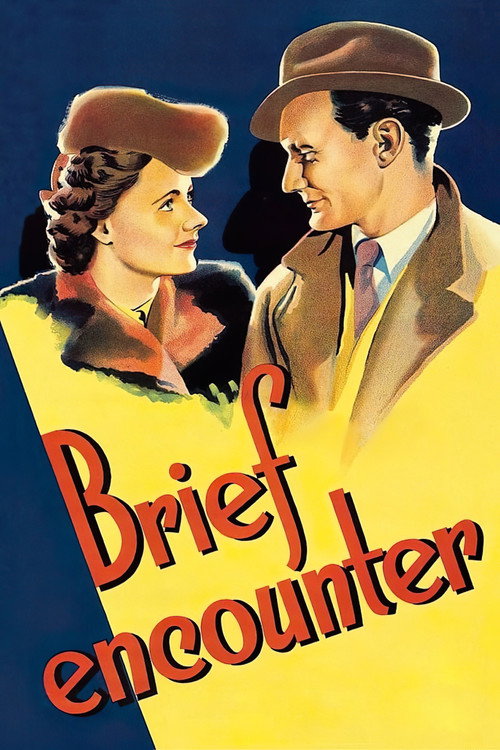
Brief Encounter1945
Two married strangers fall in love over tea and conversation. Noël Coward and David Lean transform constraint and propriety into erotic tension. Restrained, devastating, perfect filmmaking.
But Its moral universe—duty over desire—feels dated. The ending may read as punishment rather than nobility, depending on your temperament.
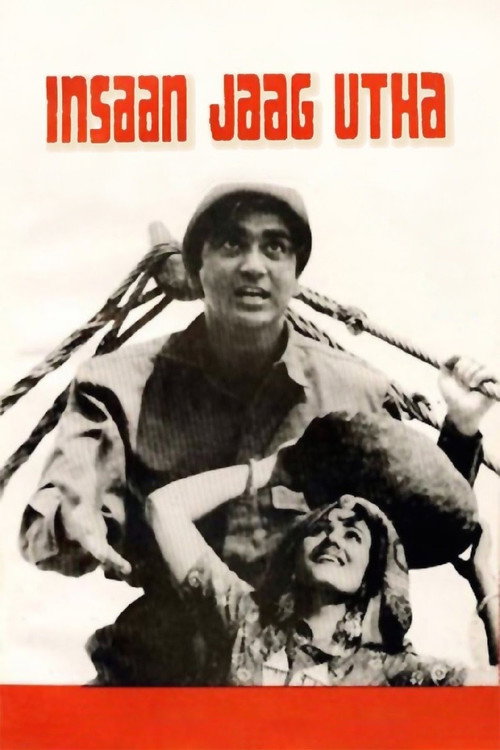
Insaan Jaag Utha1959
A man falsely imprisoned for crime he didn't commit; a woman stands by him. Social realism meets melodrama. It has genuine anger beneath the sentiment, and the second half escalates in surprising ways.
But Uneven in tone and execution. The social commentary sometimes collides awkwardly with the romantic plot, creating tonal whiplash.
Pather Panchali1955
Both are Indian films of the same era grappling with class and circumstance, but Ray strips Andaz's melodrama bare. He asks: what happens when you watch poverty without music, without stars, without redemption? What do you see then?
Satyajit Ray's debut follows a poor Bengali family with documentary tenderness. A boy, his sister, their grandmother, their parents—the film watches them live, struggle, and grieve without judgment or excess. Cinema as clarity.
But It has no plot, no drama in the conventional sense. Some find its pace too slow and its restraint cold rather than moving. It demands you find beauty in ordinary suffering.

In a Lonely Place1950
Like Andaz, it's about a man falling for a woman across circumstance, but it inverts the moral: instead of his poverty being the obstacle, his nature is. Both films stage a collision between who people are and who love insists they become—but this one suspects they cannot change.
Humphrey Bogart as a volatile screenwriter suspected of murder; Gloria Grahame as the woman who loves him despite the doubt. It's a noir-romance that asks whether two people can save each other, and concludes they cannot. Beautifully shot, genuinely unsettling.
But The romance is corrosive rather than ennobling. Bogart's character is controlling and dangerous. If you want love to fix things, this will devastate you.

People
Cast
 NargisNina
 Dilip KumarDilip
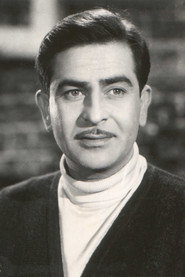 Raj KapoorRajan
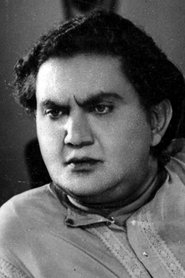 MuradBadriprasad, Nina's Father

Directing
- Mehboob KhanDirector
Writing
- S. Ali RazaWriter
- Shams LucknowiWriter
Production
- Mehboob KhanProducer