
Film
The Death of Mario Ricci
A Swiss crime investigation masquerading as a media profile. A TV journalist arrives in a small alpine village to interview a reclusive scientist, but becomes consumed by the mysterious death of an immigrant worker. Methodical, morally alert, with the texture of lived reality—this is European cinema that trusts viewers to sit with ambiguity and social unease.
Should you watch it?
Watch it if you enjoy patient political dramas where the tension lives in what people refuse to say, and a reporter who slowly finds the comfortable version of events harder to believe.
Skip it if you need a brisk pace or a clear-cut hero, since it moves deliberately and draws its force from talk and unease rather than action.
What it asks of you: Patience above all: it is talky and unhurried, lets scenes run past comfort, and spends its time in conversations and close observation rather than set-piece chases.
Not sure? Find tonight's pick in a minute.
If you liked this
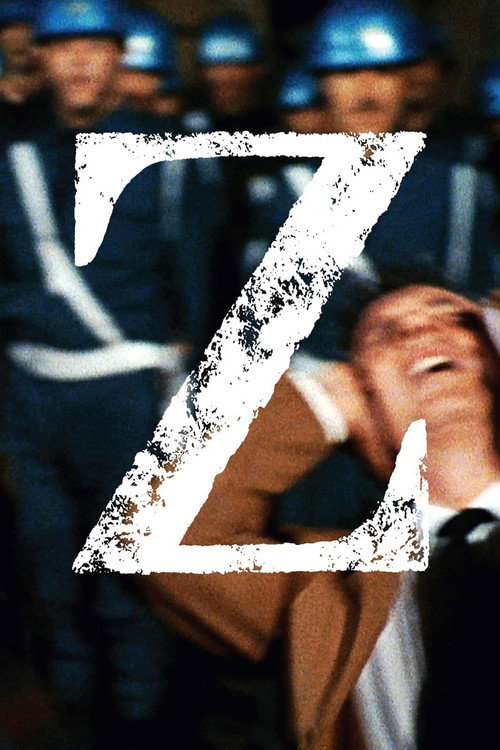
Z1969
A political thriller about investigating a suspicious death in a tense, polarized society. Costa-Gavras directs with surgical precision, building dread through procedural clarity. Essential viewing for anyone who loves intrigue with moral weight.
But The 1960s style and heavy-handed symbolism can feel dated. Some viewers find the political messaging blunt rather than subtle.
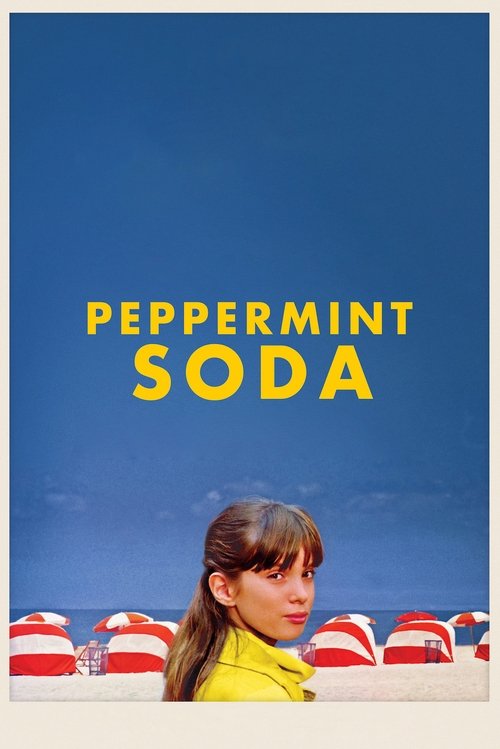
Peppermint Soda1977
Diane Kurys examines French society through intimate, observant detail—two sisters across a decade, capturing how the personal and political intertwine. Like Ricci, it trusts you to find meaning in small moments.
But Deliberately paced and episodic. If you need plot momentum, this will feel static and indulgent.
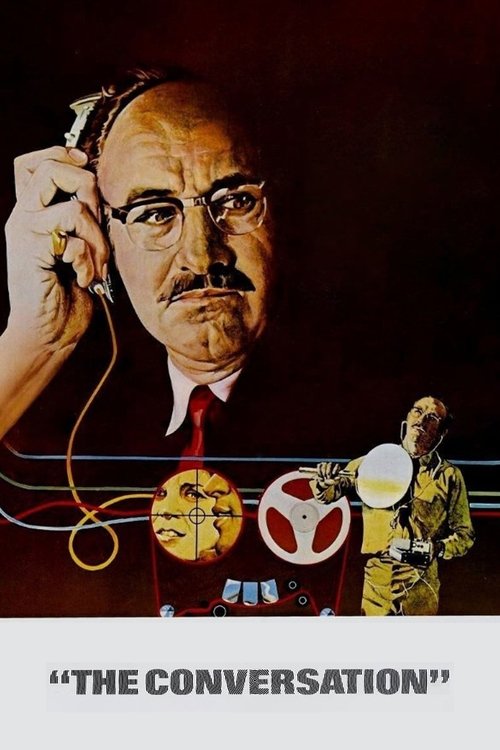
The Conversation1974
Coppola's masterpiece about a surveillance expert haunted by a case he cannot solve. Paranoid, methodical, morally corrosive—it shares Ricci's interest in what we uncover and what it costs us to know.
But Slow-burn paranoia isn't for everyone. The ending frustrates viewers looking for resolution or catharsis.
Not sure tonight? Get a pick in a minute, starting from The Death of Mario Ricci
The wildcard
Something you would not have found on your own.
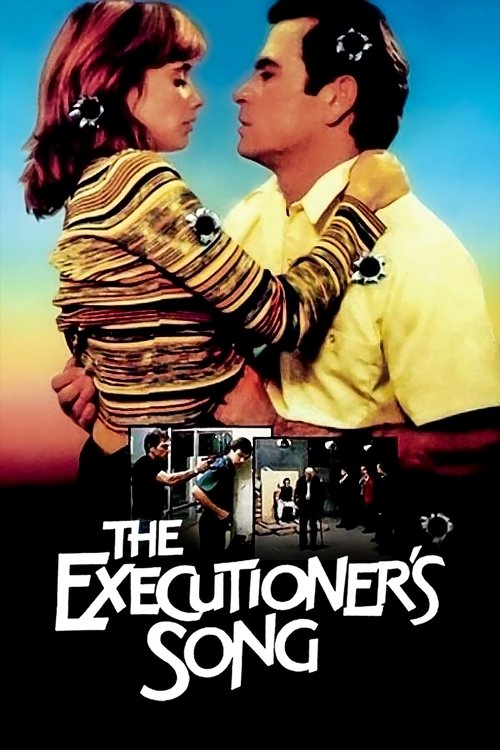
The Executioner's Song1982
Both investigate real death through meticulous procedure. Both ask: what does it mean to report, to witness, to understand something irreducible?
Mailer's novelization of a real execution adapted for television. Brutal, unsentimental, about how society processes murder and justice. Shares Ricci's unflinching attention to how we understand death in the social body.
But Deeply disturbing and unromantic. A cinematic depiction of execution and capital punishment that many viewers will find unbearable to watch.
More like this (8)
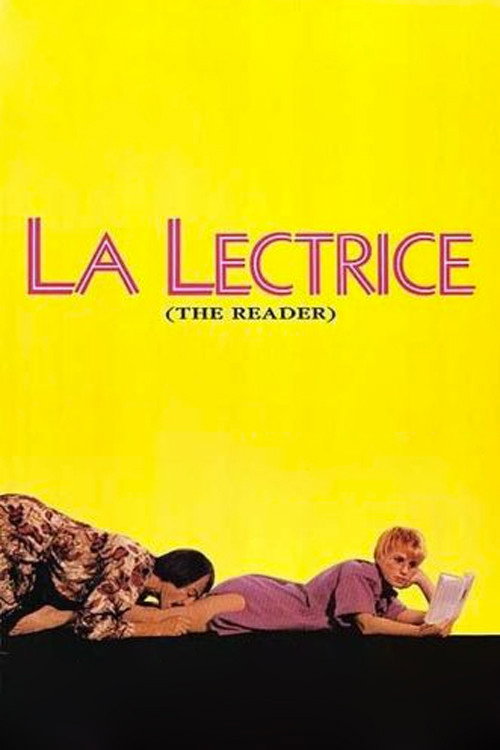
La Lectrice1988
Michel Deville's film about a woman paid to read aloud to strangers opens onto questions of intimacy, observation, and what we reveal. Intelligent, sensual, concerned with how people really talk to each other.
But Very French in its pacing and philosophical digression. Plotless by conventional standards—it's about texture, not narrative momentum.
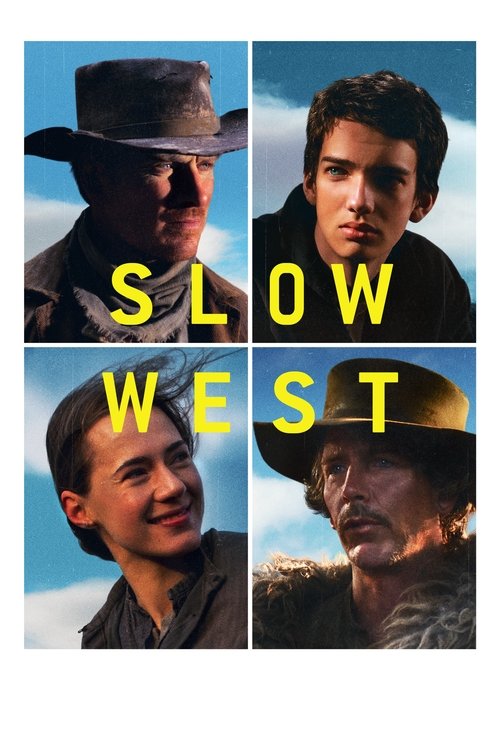
Slow West2015
John Maclean's debut is a Western that watches how violence emerges from small failures of understanding. Beautiful cinematography and a tight ensemble, with real moral complexity about consequences.
But Revisionist Westerns can feel precious. The visual style sometimes overshadows the human drama for viewers who prefer straightforward storytelling.
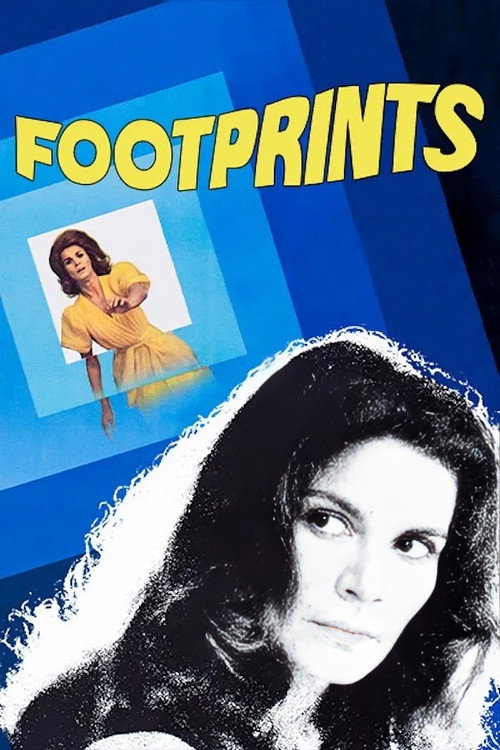
Footprints on the Moon1975
Bertolucci's psychological thriller about a man unraveling after an accident, investigating his own past. Fractured chronology, visual sophistication, the texture of paranoia and class anxiety—very much Ricci's world.
But Deliberately fragmented and dreamlike. Viewers who prefer linear storytelling or clear explanations will find it maddening.
The Seventh Seal1957
Bergman's medieval knight confronts mortality and meaning. A benchmark for cinema that sits with unanswerable questions. Essential if you want to understand why some artists make unsettling work.
But Black-and-white, dialogue-heavy, symbolism-rich. Can feel like homework. Some viewers find it glacial and pretentious rather than profound.

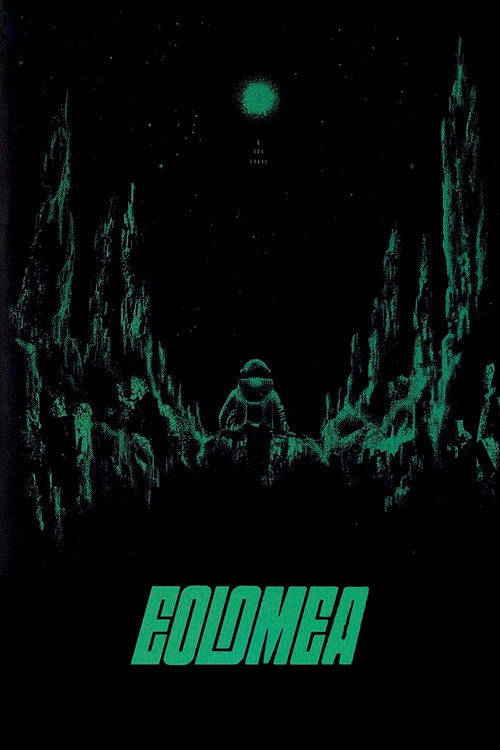
Eolomea1972
Ghita Nørby as a woman whose life fragments after a small tragedy. Hungarian cinema at its most observant—intimate, unsentimental, watching how people adjust to irreversible change.
But Deliberately austere and emotionally restrained. Those seeking warmth or conventional character arcs will find it cold and alienating.
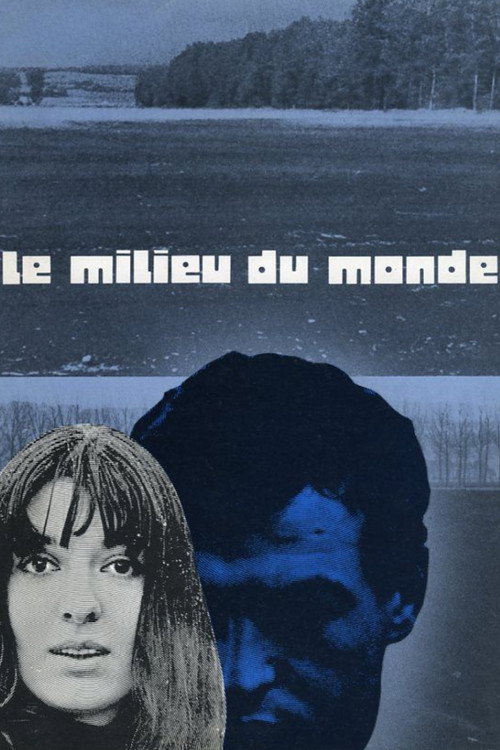
The Middle of the World1974
Tanner's Swiss film about a politician and a drifter meeting by chance, their brief affair becoming a mirror for class, privilege, and romantic delusion. A minor masterpiece of cultural specificity.
But Oblique and formally experimental. The political allegory can feel opaque, and the emotional payoff is deliberately muted—which some see as evasive rather than elegant.
Stalker1979
Both treat investigation—professional, moral, spiritual—as a form of pilgrimage. Both suggest that the answer we find might not be the answer we need.
Tarkovsky's science-fiction film is a journey through a mysterious zone, nominally about granting wishes but really about desire, meaning, and whether truth can be found through investigation. Hypnotic, philosophical, about the limits of knowledge.
But Extraordinarily slow. Nine minutes of a man walking through grass. For viewers impatient with contemplative cinema, it's unwatchable.

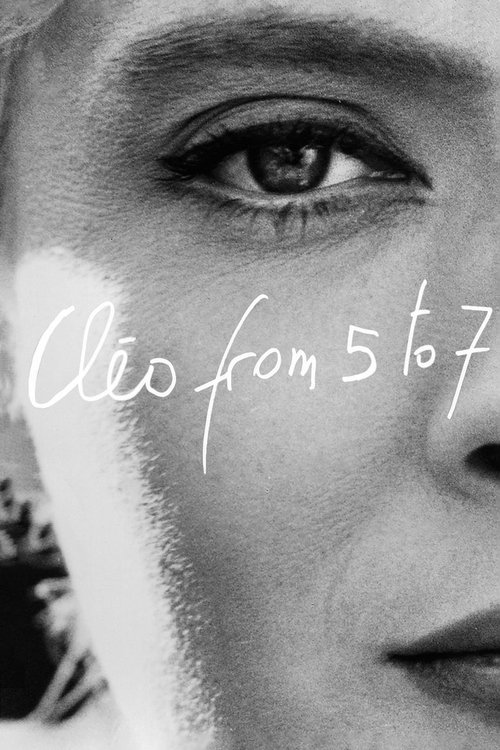
Cléo from 5 to 71962
Both films insist that the texture of observation—how long you look, what you notice—is the real subject. Both trust cinema to convey meaning through duration and detail rather than explanation.
Varda's film is real time watching a woman wait for a cancer diagnosis. Not about illness but about attention—how we see each other, how awareness sharpens when stakes rise. Formally inventive, humanely observed, completely unsentimental.
But Nearly plotless. A woman walks around Paris for two hours. If you need narrative propulsion, you'll find it pointless and tedious.
People
Cast
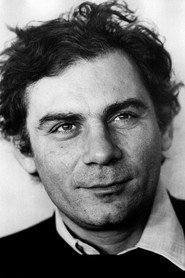 Gian Maria VolontéBernard Fontana
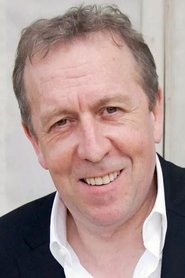 Jean-Michel DupuisDidier Meylan
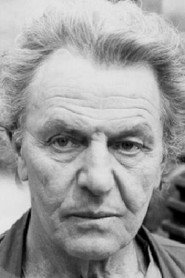 Heinz BennentHenri Kremer
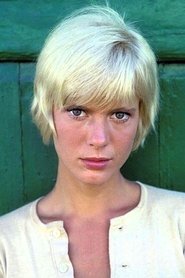 Mimsy FarmerCathy Burns
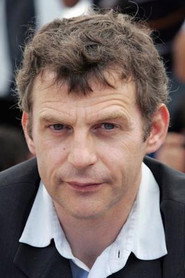 Lucas BelvauxStephane Coutaz
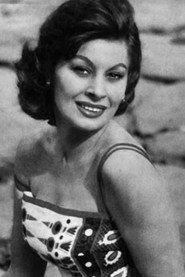 Magali NoëlSolange
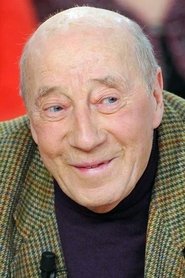 Michel RobinFernand Blondel
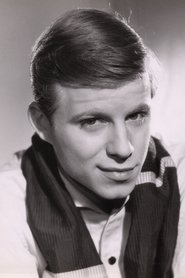 Michael HinzOtto Schmidhauser
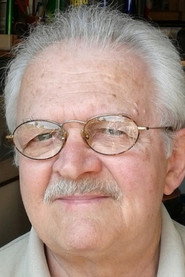 Claudio CaramaschiGiuseppe Cardetti
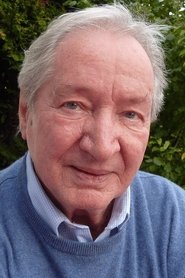 Roger JendlyFrancis
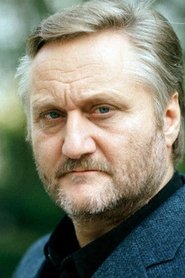 Bernard-Pierre DonnadieuJacky Vermot
- Michel CassagneArmand Barbezat
Directing
- Claude GorettaDirector
Writing
- Claude GorettaWriter
- Georges HaldasWriter