
Film
La Lectrice
A Parisian woman becomes a professional reader, performing texts aloud to solitary clients across the city. As she inhabits the stories she reads—and the lives of those who commission them—fiction and reality begin to blur in subtle, often tender ways. It's a film about intimacy, imagination, and the quiet power of words spoken aloud. For anyone who's ever loved losing themselves in a book.
Should you watch it?
Watch it if you enjoy a quiet, wry film about the private pleasure of books and the way a spoken voice can change a room, where whimsy and melancholy sit comfortably together.
Skip it if you need a plot with momentum, since this drifts from scene to scene and leans on mood and the texture of Provence rather than on where anything is headed.
What it asks of you: Ninety-nine minutes at an unhurried pace, with long stretches of quiet and a blend of daydream and daylight that rewards patience more than close plot tracking.
Not sure? Find tonight's pick in a minute.
If you liked this
Amélie2001
A Parisian woman sees beauty and connection in small, overlooked moments. Like La Lectrice, it finds magic in kindness and imagination, and trusts the audience to feel rather than explain.
But The whimsy can tip toward precious if you're not in the mood. Some find the tone too carefully curated, lacking genuine roughness.
The Postman1994
A postman and poet forge an unlikely bond through words and stories. Both films understand that reading and recitation can transform solitary lives into something shared and redemptive.
But Deeply sentimental. If you resist emotion in cinema, this will feel manipulative rather than moving.
Cléo from 5 to 71962
A woman drifts through Paris for ninety minutes, encountering strangers and her own thoughts. Both films prize observation and mood over plot, finding profundity in the mundane and the passage of time.
But Deliberately paced and interior. Without patience for slowness, you'll find it frustratingly passive.
Not sure tonight? Get a pick in a minute, starting from La Lectrice
The wildcard
Something you would not have found on your own.
Vagabond1985
Both films use the power of a central figure—one reading aloud, one silently passing through—to reveal the interior lives of strangers. Both trust observation over explanation.
Agnès Varda tracks a drifting woman backwards through the lives she touched. Like La Lectrice, it's structured as encounters—fragments of connection that gradually build an invisible portrait of a person.
But Slow and elliptical, told mostly through conversations that don't always feel plot-relevant. Some will find it frustratingly oblique.
More like this (8)
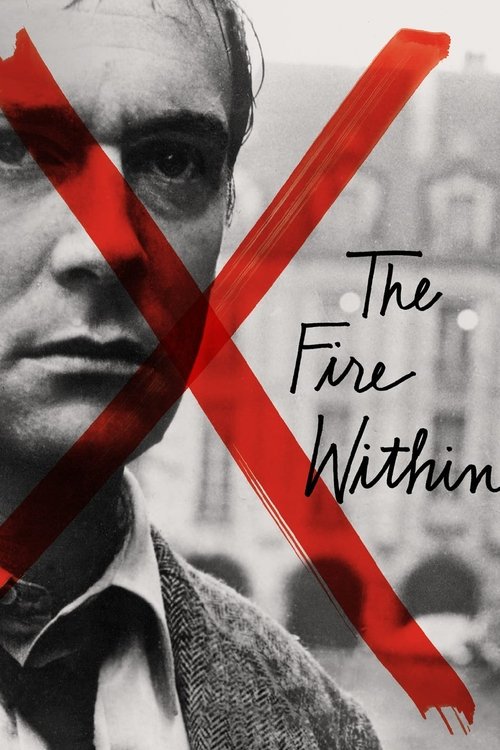
The Fire Within1963
A man moves through Paris visiting acquaintances, each encounter a small portrait of disconnection. The same attentive, melancholic study of urban solitude and the masks we wear for others.
But Genuinely bleak. This is not comfort viewing. It will sit with you in ways that feel heavy.
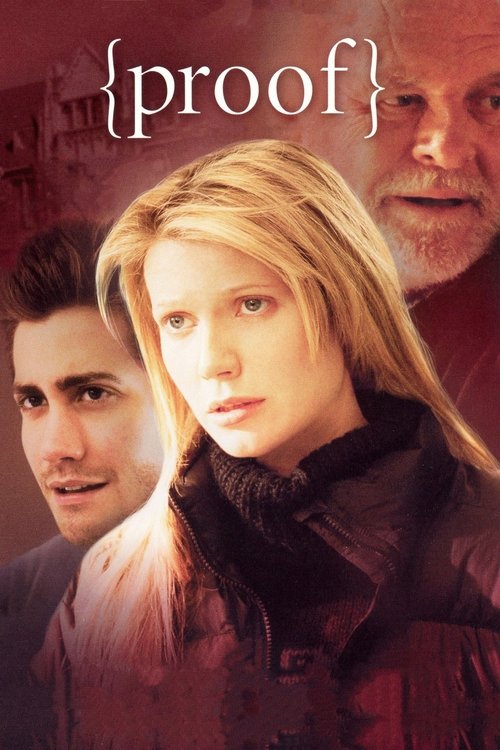
Proof2005
Words on a page—a mathematical proof—become the nexus of identity, trust, and inheritance. Like La Lectrice, it explores how texts carry the ghosts of those who made them.
But Talky and interior, centered on adult emotional confusion. Plot feels secondary to mood and dialogue.
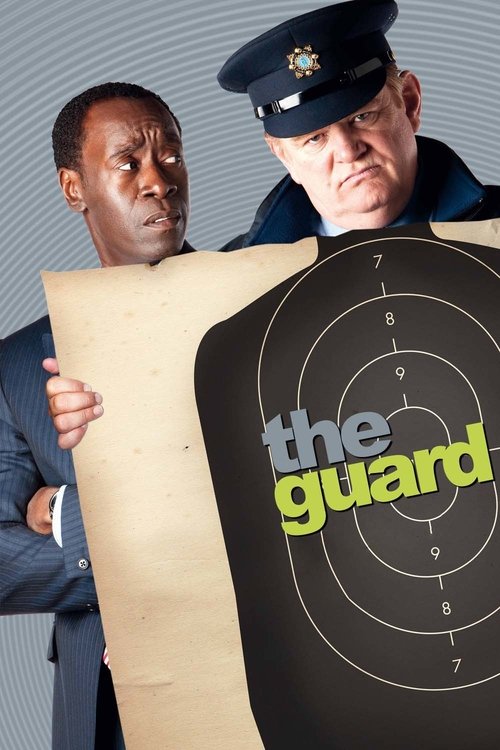
The Guard2011
Two men from different worlds meet and talk across a distance that slowly closes. Understated, character-driven, finding humor and connection in conversation itself.
But Irish indie sensibility won't appeal to everyone. Some will find the pacing slack and the dialogue precious.
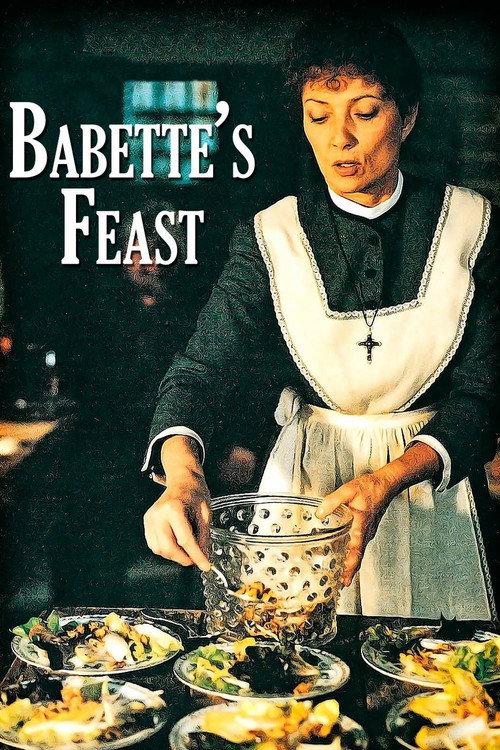
Babette's Feast1987
Generosity offered silently through action, revealing itself only to those present to receive it. A film about the power of giving without explanation, much like reading performed for a stranger.
But Formally austere and spiritually mournful. Long stretches without dialogue. Some will find it remote and cold.
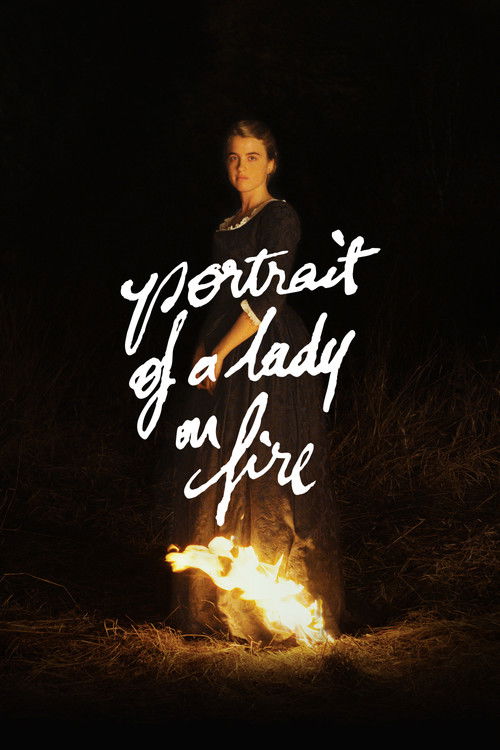
Portrait of a Lady on Fire2019
Two women connect through art and close attention in a confined space. Sensual and intelligent, it shares La Lectrice's interest in how presence and imagination can bind strangers together.
But Deliberately paced and visually formal. Not interested in conventional narrative momentum or easy catharsis.
Synecdoche, New York2008
A director stages theatrical recreations of real life, blurring the boundary between performance and authenticity. Ambitious and strange, it's equally concerned with how we perform ourselves for others.
But Willfully obscure and emotionally fractured. Many find it exhausting rather than rewarding; ambition doesn't guarantee coherence.

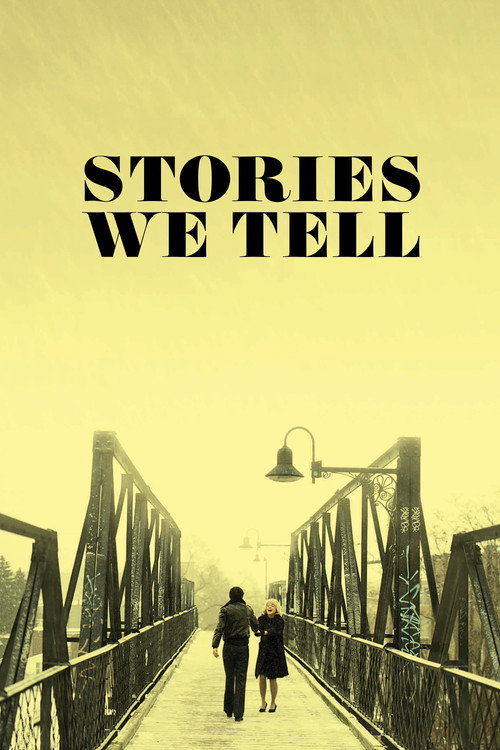
Stories We Tell2012
Both are about the act of telling itself—how a story changes depending on who speaks it, who listens, and what they bring to the moment. The reader and the narrator are as much the subject as what they're reading.
A documentary in which the filmmaker's family members recount the story of his birth, their recollections conflicting and overlapping. A meditation on how stories are performed and reshaped each time they're told.
But Not a conventional narrative. Deliberately slow and self-aware. If you want clear answers about what really happened, you'll be frustrated.
Stalker1979
Both films are about the strange intimacy between a provider (reader, guide) and the solitary client seeking something intangible—not just information, but transformation through attention and imagination.
A guide escorts two men through a mysterious zone toward a hidden room that may grant wishes. Meditative, philosophical, almost hypnotic. The journey is internal—about desire and doubt—not destination.
But Nearly three hours of intellectual Russian sci-fi. Deliberately austere, visually bleak, no action or conventional plot. Demands absolute surrender to its pace.

People
Cast
 Miou-MiouConstance / Marie
 Patrick Chesnaisle P.D.G.
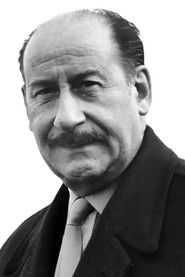 Pierre Duxle magistrat
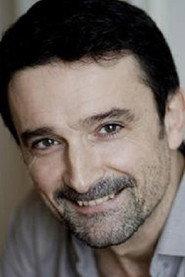 Régis RoyerEric
- Christian RuchéJean/Philippe
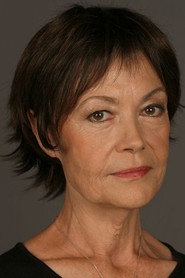 Brigitte Catillonla mère d'Éric
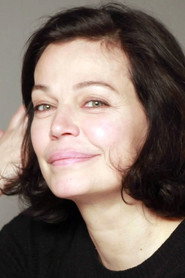 Marianne DenicourtBella B.
- Charlotte FarranCoralie
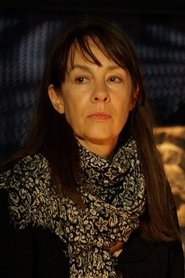 Clotilde de Bayserla mère de Coralie
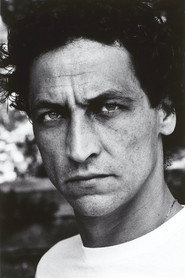 Jean-Luc Bouttél'Inspecteur de police
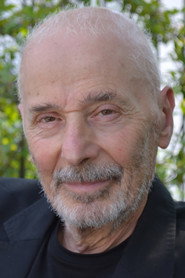 Simon Einele Professeur d'hôpital
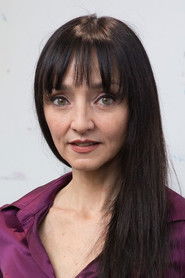 Maria de Medeirosl'infirmière muette
Directing
- Michel DevilleDirector
Writing
- Raymond JeanNovel
- Michel DevilleWriter
- Rosalinde DevilleWriter
Production
- Rosalinde DevilleProducer