
Film
Footprints on the Moon
A woman's identity fractures when a postcard sends her to an island where strangers claim to know her. Waking nightmare and waking life bleed together in this 1975 Italian thriller—dreamlike, paranoid, visually hypnotic. For anyone who loves psychological unease and doesn't need everything explained.
If you liked this
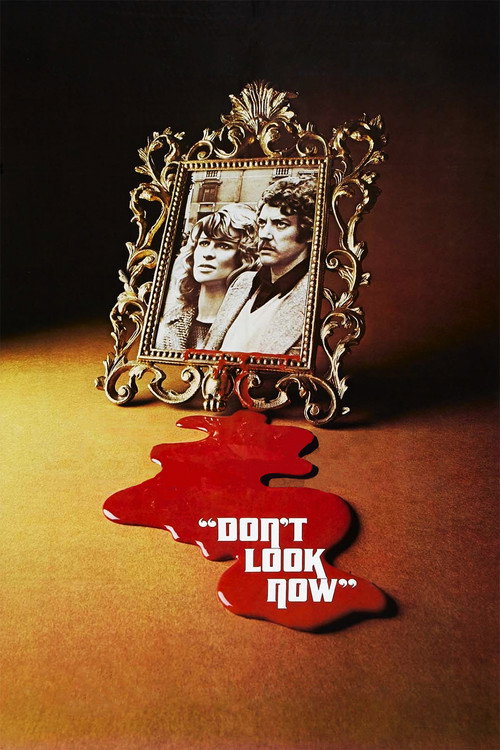
Don't Look Now1973
A couple in Venice spirals into grief and paranoia after a psychic's cryptic warning. Roeg's masterpiece shares Footprints' ability to make the ordinary sinister, and its final twist will haunt you.
But Slow-burn atmosphere means long stretches of dread over plot momentum. The ending divides viewers sharply.
The Wailing2016
A Korean detective descends into madness investigating a murder, never certain what's real or who to trust. Like Footprints, it trusts the audience to sit with ambiguity and paranoia.
But Nearly three hours. Subtitled. The mystery resists closure in ways that frustrate some viewers.

Mulholland Drive2001
A woman's fractured identity and shifting reality mirror Footprints' dream-logic structure. Lynch creates the same queasy sensation of truth slipping away mid-sentence.
But Deliberately obscure. Requires active interpretation and rewards rewatching, which some find exhausting rather than rewarding.

Not sure tonight? Get a pick in a minute, starting from Footprints on the Moon
The wildcard
Something you would not have found on your own.
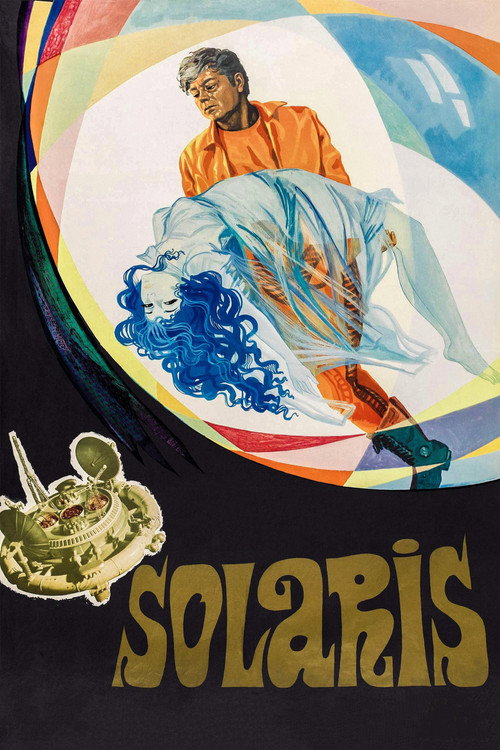
Solaris1972
Both films hide their true subject under genre wrapping—not about the mystery to solve but the self unraveling. The astronaut on the moon in Footprints echoes the cosmic loneliness here.
A man journeys to a space station orbiting an alien ocean and encounters something claiming to be his dead wife. Like Footprints, it uses science-fiction premises to ask: what makes identity real? Who are you when memory fails?
But Andrei Tarkovsky's meditation runs 167 minutes. Patient, philosophical, almost glacial. Not a thriller; a séance.
More like this (8)
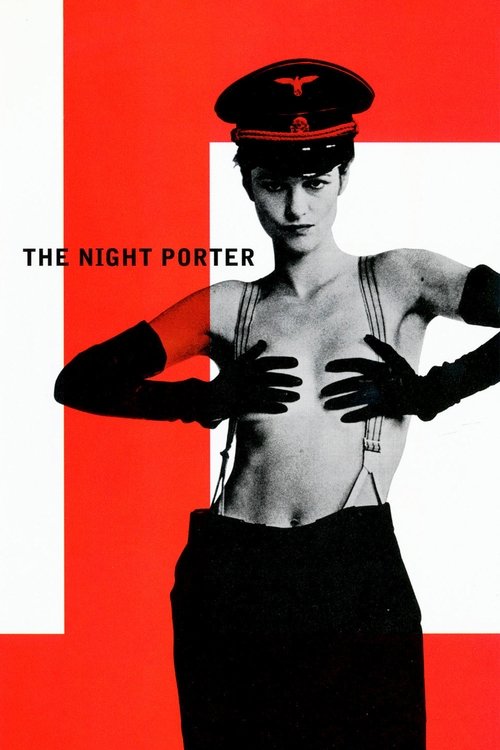
The Night Porter1974
A woman checks into a hotel and begins to remember—or imagine—a dark past with the night porter. Shot in the same post-dubbing Italian style, equally disorienting and sensual.
But Deals unflinchingly with exploitation and trauma. A difficult film that some will find exploitative itself.
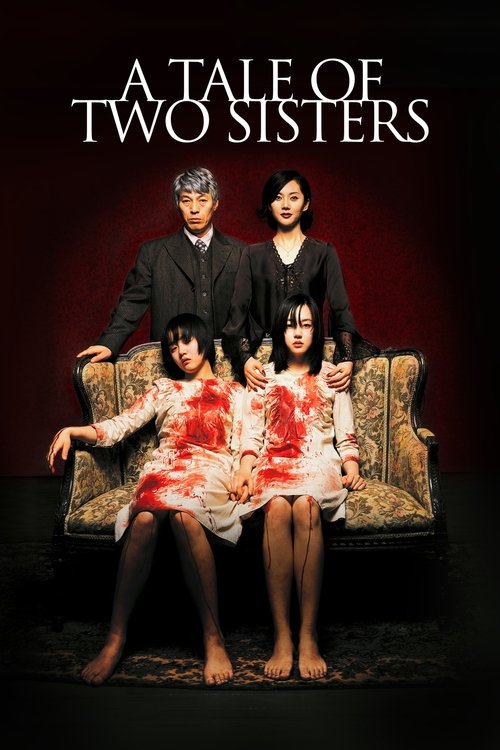
A Tale of Two Sisters2003
Two sisters return home and reality splinters into nightmare. Gorgeously shot, it has Footprints' gift for making domestic spaces feel haunted and unsafe.
But Relies heavily on visual language rather than exposition. Requires patience with ambiguity and the unsaid.
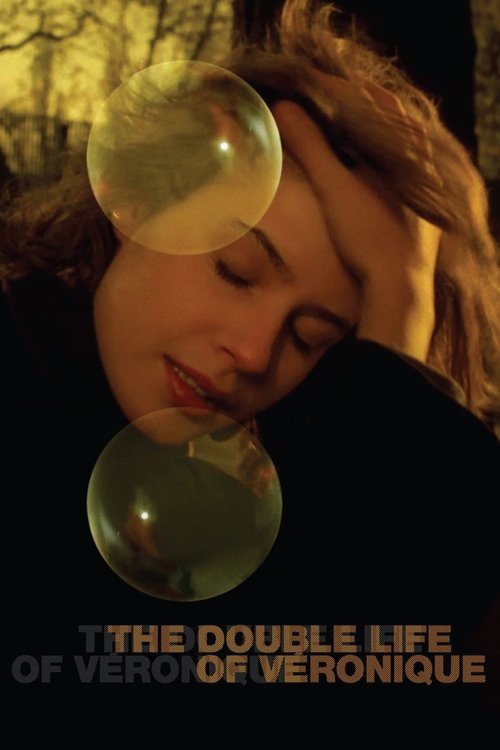
The Double Life of Véronique1991
A woman discovers an doppelgänger, fracturing her sense of self. Kieślowski's meditation on identity is painterly and dreamlike, sharing Footprints' visual precision.
But Deliberately paced. More concerned with mood and metaphor than narrative clarity.
Possession1981
A marriage unravels in 1980s Berlin into something nightmarish and incomprehensible. Andrzej Żuławski's fever dream shares Footprints' refusal to distinguish sanity from delusion.
But Genuinely disturbing and grotesque. Not interested in coherence; some find it pretentious rather than profound.

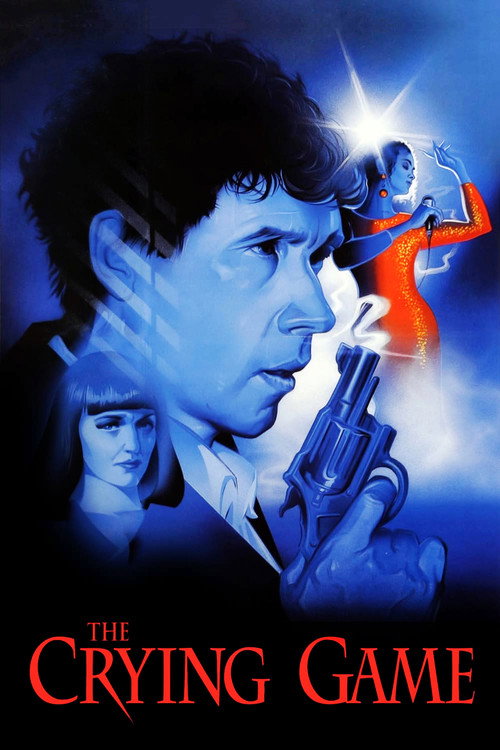
The Crying Game1992
Identity and deception spiral as lovers become unreliable narrators of their own story. Like Footprints, it builds trust only to undermine everything you thought you knew.
But The famous twist is now widely known, which blunts its impact. Pacing drags in stretches.
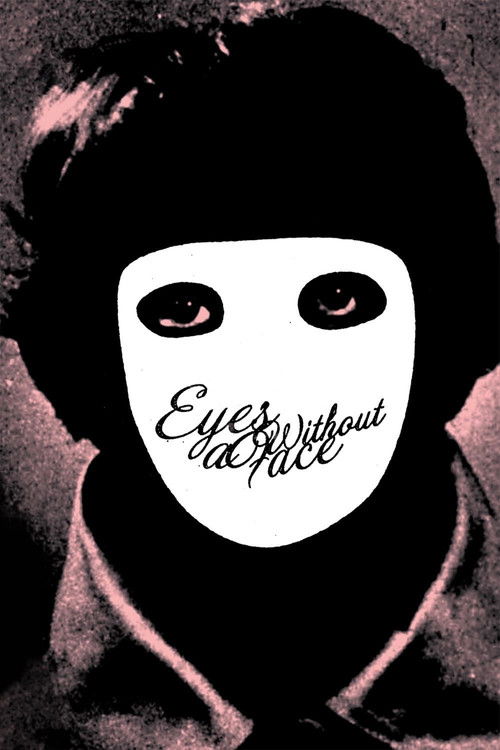
Eyes Without a Face1960
A surgeon's obsession with restoring his daughter's face drives him into horror. Early Franju masterwork; shares Footprints' use of beautiful cinematography to make the grotesque intimate.
But Black and white, subtitled, and slow. The horror is more philosophical than visceral, which can feel distant.
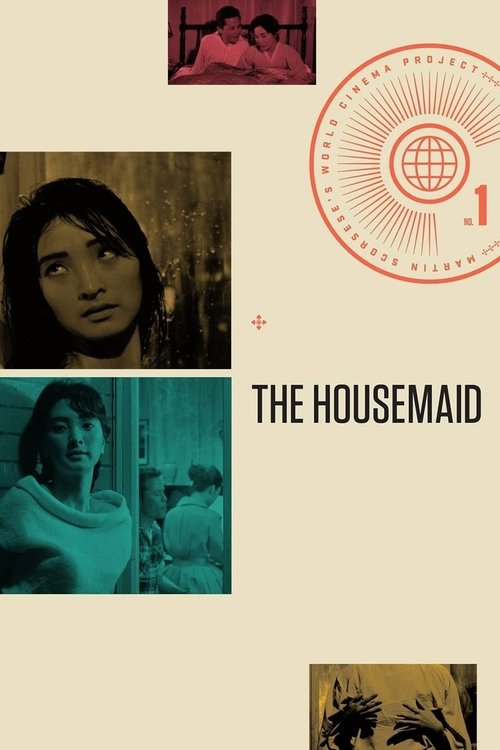
The Housemaid1960
Both are about an outsider arriving somewhere they're supposedly meant to be, only to discover they may be the only one who remembers the truth.
A young woman hired as live-in help for a family finds herself trapped in a household that seems to operate by hidden rules. Kim Ki-young's Korean classic shares Footprints' claustrophobia and the sense of a conspiracy just beyond comprehension.
But Black and white, subtitled. Very strange tonally—darkly funny and grotesque in ways that can feel dated.
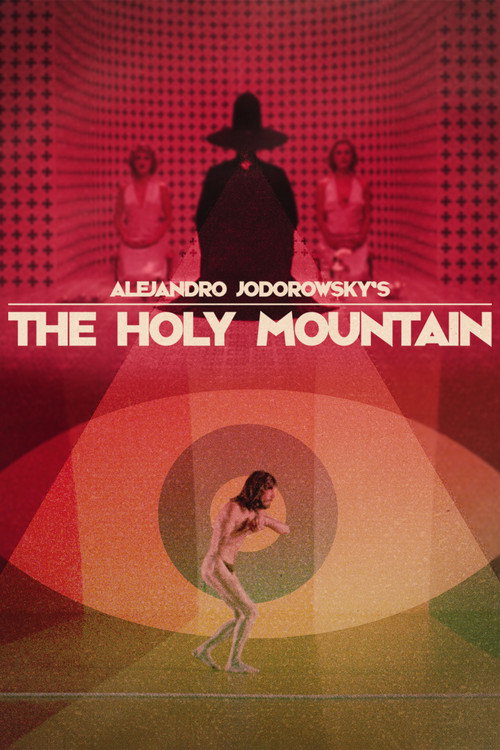
The Holy Mountain1973
Both films trust audience discomfort as an artistic tool. Both collapse the boundary between dream and waking. Both are ultimately about transformation through disorientation.
Jodorowsky's surrealist odyssey follows a mystical journey through increasingly impossible landscapes. Like Footprints, it abandons narrative logic entirely for pure visual nightmare—but as spiritual ascent rather than psychological descent.
But Genuinely transgressive, sometimes grotesque. Surrealism without apology; if you need plot coherence, walk away now.
People
Cast
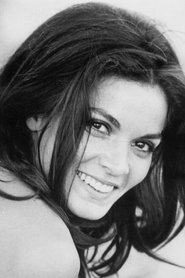 Florinda BolkanAlice Campos / Alice Cespi
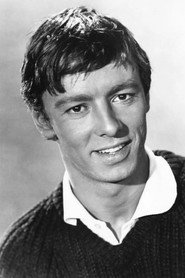 Peter McEneryHenry
 Nicoletta ElmiPaola Bersel / Paula Burton
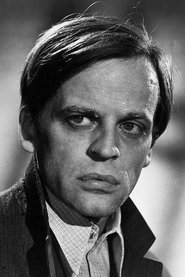 Klaus KinskiProfessor Blackmann
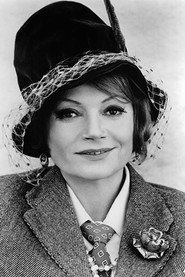 Lila KedrovaMrs. Heim
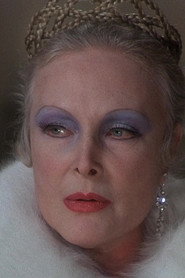 Caterina BorattoBoutique Owner
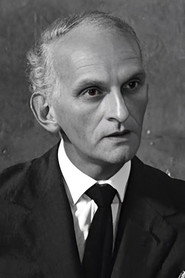 John KarlsenAlfredo Laurenti / Alfred Lowenthal (as John Carlsen)
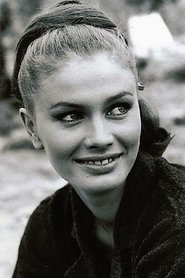 Ida GalliMary
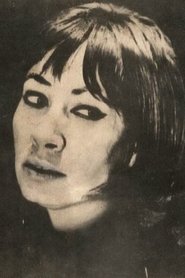 Miriam AcevedoAlice's Supervisor (as Myriam Acevedo)
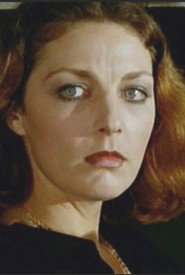 Rosita ToroshMarie Leblanche (as Rosita Toros)
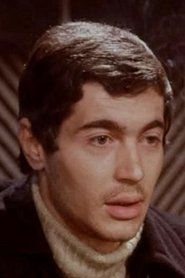 Luigi Antonio Guerra(as Luigi Guerra)
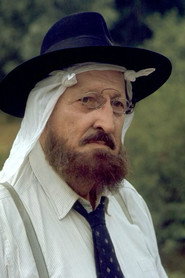 Franco MagnoMember of the International Congress (uncredited)
Directing
- Umberto AngelucciAssistant Director
- Luigi BazzoniDirector
- Mario FanelliDirector
- Alma LuzzatiScript Supervisor
Writing
- Mario FanelliNovel
- Luigi BazzoniWriter
- Mario FanelliWriter
Production
- Alessandro MatteiAssistant Production Manager
- Jose VillaverdeCasting
- Marina CicognaExecutive Producer
- Luciano PerugiaProducer
- Marina CicognaProducer
- Fiorella BolognaProduction Accountant
- Paolo De AndreisProduction Manager
- Gabriela ButtiProduction Secretary
- Enrico LucheriniPublicist
- Margherita AutuoriPublicist
- Matteo SpinolaPublicist