
Film
Oasis
A devastating South Korean film about a man released from prison who becomes involved with a woman with cerebral palsy. Director Yoon-ho Hong refuses easy sentiment, instead building an intimate, physically frank portrait of two people pushed to society's margins finding each other. It's tender and unflinching—sometimes within the same scene. Essential viewing and genuinely difficult.
Should you watch it?
Watch it if you want a love story that stays with characters society has written off, where tenderness and cruelty sit side by side and the filmmaker trusts you to sit with the discomfort.
Skip it if you need your romance clean and your sympathies settled; this one is raw, often painful to watch, and its handling of disability and its lead's conduct will test you throughout.
What it asks of you: Its shape is slow and observational, long unhurried scenes with little music to cue your feelings, and patience through awkward silences and abrupt shifts in tone.
Not sure? Find tonight's pick in a minute.
If you liked this
Requiem for a Dream2000
Darren Aronofsky's portrait of addiction and desperation with the same unsparing eye and formal brilliance. Four parallel descents into need, each physically visceral. It matters because it refuses to look away.
But The sound design is intentionally punishing and the final thirty minutes are among the most harrowing cinema you'll encounter. Not comforting.

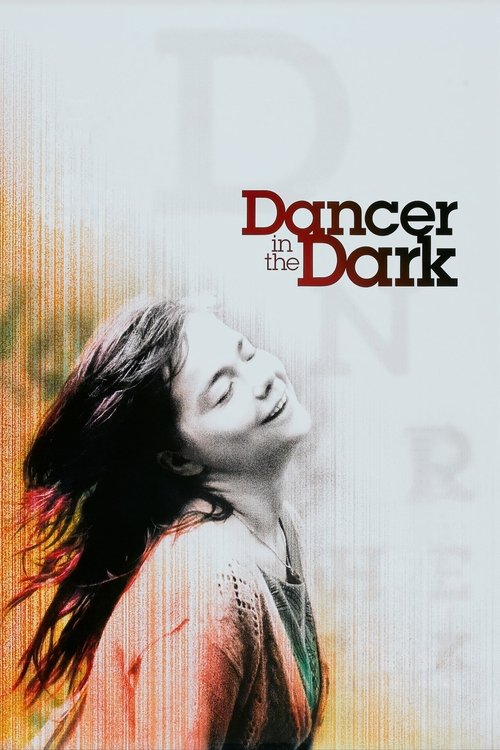
Dancer in the Dark2000
Lars von Trier's Björk vehicle about a woman with a secret and a past, filmed with a mixture of intimate realism and sudden musical interludes. It finds grace in destitution without ever being sentimental about suffering.
But The ending is deliberately unbearable and the tone shifts between fantasy and documentary-realism can feel unsettling rather than cathartic.
A Prophet2009
Jacques Audiard's French prison film tracking a young man's transformation with the same clarity and refusal to judge. Intimate, brutal, and fascinatingly complex about power and survival. Tremendous filmmaking.
But It's a prison film—violence and degradation are woven through it. Subtitled. Nearly two-and-a-half hours with a deliberately ambiguous ending.

Not sure tonight? Get a pick in a minute, starting from Oasis
The wildcard
Something you would not have found on your own.
In the Mood for Love2000
Both films find tenderness and physicality in contexts of constraint and social invisibility. Neither offers conventional narrative satisfaction.
Wong Kar-wai's luminous film about two neighbours discovering an affair between their spouses. The connection to Oasis is structural and tonal: both films are about intimacy constructed in margins, in confined spaces, without certainty. Both let longing and fragmentation coexist beautifully.
But It's purely visual and tonal rather than plot-driven. The repetition and slow circling can feel mannered rather than moving. Some find it more beautiful than emotionally gripping.

More like this (7)
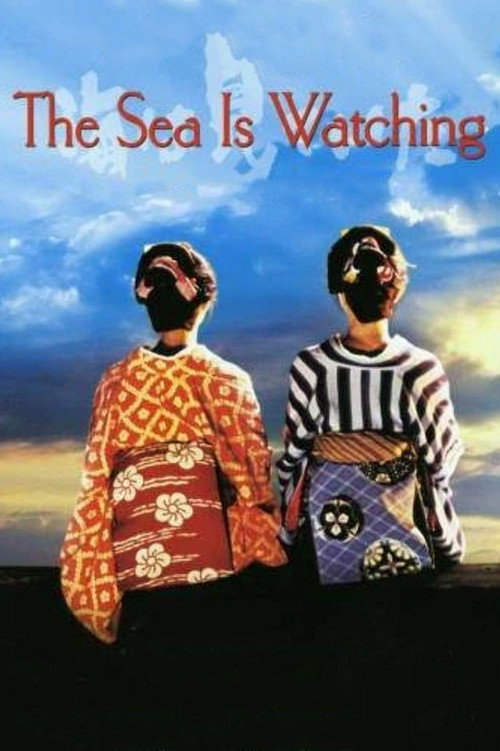
The Sea Is Watching2002
Koreeda's only collaboration with Akira Kurosawa's widow, set in a brothel. It finds tremendous dignity and humour in the lives of sex workers—their friendships, their pragmatism, their longing. Gentle without being sentimental.
But Subtitled. The pacing is deliberate and meditative; nothing happens quickly. The subject matter may make some uncomfortable.
Police Officer
A quiet South Korean film about a morally compromised man—a perfect companion to Oasis's moral ambiguity. It observes rather than judges. Sul Kyung-gu (Oasis's lead) is remarkable here too. Both films trust the audience completely.
But Very slow. No catharsis or clear redemption. The events of the plot are deliberately muted and the emotional truth is left entirely to you to find.
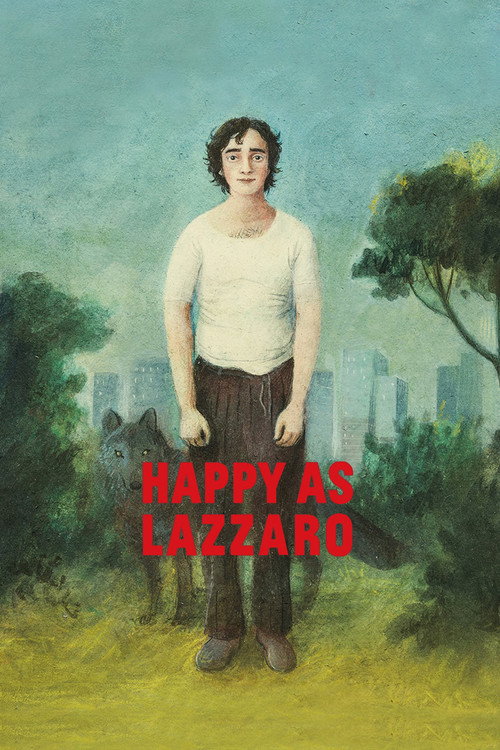
Happy as Lazzaro2018
Alice Rohrwacher's Italian film about a man used and exploited who remains fundamentally whole. It shares Oasis's strange grace—how two people meeting can be salvific even in circumstances of terrible injustice. Poetic.
But The narrative structure is non-linear and dreamlike. It requires patience and doesn't spell out its meaning. Some find the pacing frustrating.
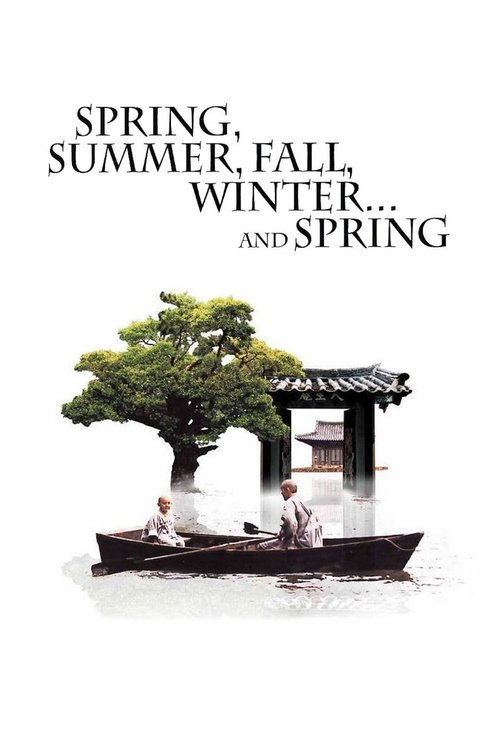
Spring, Summer, Fall, Winter... and Spring2003
Kim Ki-duk's Buddhist meditation on violence, guilt, and redemption set in a floating temple. Shot with extraordinary beauty. Like Oasis, it finds meaning in physical vulnerability and the possibility of grace after harm.
But Dialogue is minimal, symbolism is abstract, and the approach to violence is unflinching. It requires active interpretation rather than guidance.
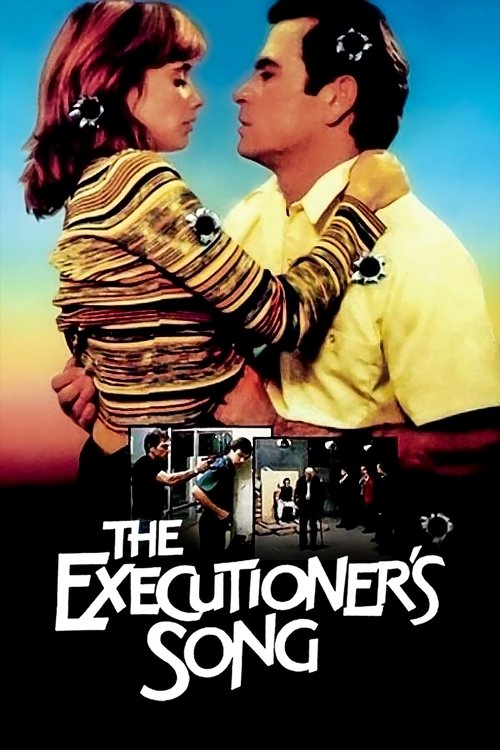
The Executioner's Song1982
Tommy Lee Jones in Norman Mailer's adaptation of a true story about a man released from prison seeking connection and redemption. It has Oasis's moral seriousness and refusal to judge those society has discarded.
But It's from 1982 television and looks it. Deliberately paced. The ending is historically determined and doesn't provide the catharsis some want.
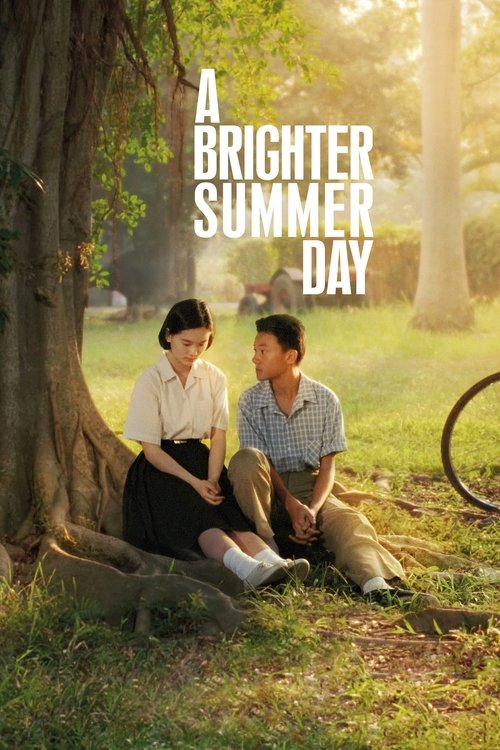
A Brighter Summer Day1991
Both are uncompromising portraits of people society has marked or discarded. Both refuse to simplify morality. Both use physical detail as a way of honoring damaged characters.
Edward Yang's four-hour Taiwanese epic about adolescence, love, and violence in 1960s Taipei. It shares Oasis's unflinching attention to how physical bodies matter, how social position shapes every gesture, and how intimacy can exist alongside transgression.
But It requires serious time commitment and subtitles. The narrative is sprawling and the ending is historically tragic. The film makes no attempt to comfort you.
Synecdoche, New York2008
Both films locate human connection in the gap between how things are and how we wish them to be. Both understand intimacy as an act of imagination within constraint.
Charlie Kaufman's impossible film about a theatre director building an elaborate replica of his life inside a warehouse. It shares Oasis's fundamental insight: that relationships and intimacy exist in a kind of constructed, impossible space—and that space is exactly where meaning lives.
But It's deliberately self-reflexive and confusing. The plot becomes increasingly abstract. Kaufman's tone is anxious rather than comforting, and the film never resolves into clarity.

People
Cast
 Sul Kyung-guHong Jong-du
 Moon So-riHan Gong-ju
 Ahn Nae-sangHong Jong-il
 Ryoo Seung-wanHong Jong-sae
 Son Byung-hoHan Sang-shik
 Kim Jin-gooMrs. Hong
 Chu Gwi-jeongJong-sae's Wife
 Yoon Ga-hyunHan Sang-sik's Wife
 Park Myung-shinWoman Neighbor
 Park Kyung-geunWoman Neighbor's Husband
- Han Jin-seobDetective 1
 Han Dae-gwanDetective 2
Directing
- Jeong Sang-minAssistant Director
- Kim Kwang-sikAssistant Director
- Lee Chang-dongDirector
Writing
- Lee Chang-dongWriter
Production
- Thitiya TongbaiCasting
- Lee Joon-dongCo-Producer
- Choi Seong-minExecutive Producer
- Kaynam HyungExecutive Producer
- Cho Min-cheulProducer
- Dong Bang-wooProducer
- Jeon JayProducer
- Jeon Yang-junProducer
- Mickey CottrellPublicist