
Film
Clemency
Clemency follows a prison warden drowning in the moral weight of her work, executing death row inmates year after year. Alfre Woodard gives a devastating performance of accumulated trauma—quiet, professional, hollow. It's a slow, serious film about institutional violence and the cost of complicity, not a thriller or an argument about capital punishment. For viewers ready to sit with real sadness.
Should you watch it?
Watch it if you want a quietly devastating character study about the moral weight carried by people who do hard institutional jobs, built on restraint and a lead performance that says more in silences than in speeches.
Skip it if you need a story with momentum, plot turns or a clear sense of where it is heading, since much of its 112 minutes is spent in waiting rooms, corridors and long, unhurried conversations.
What it asks of you: Patience first. It moves slowly and sits with its characters in tense, quiet rooms, so you need to be willing to let the weight build rather than wait for it to be released.
Not sure? Find tonight's pick in a minute.
If you liked this
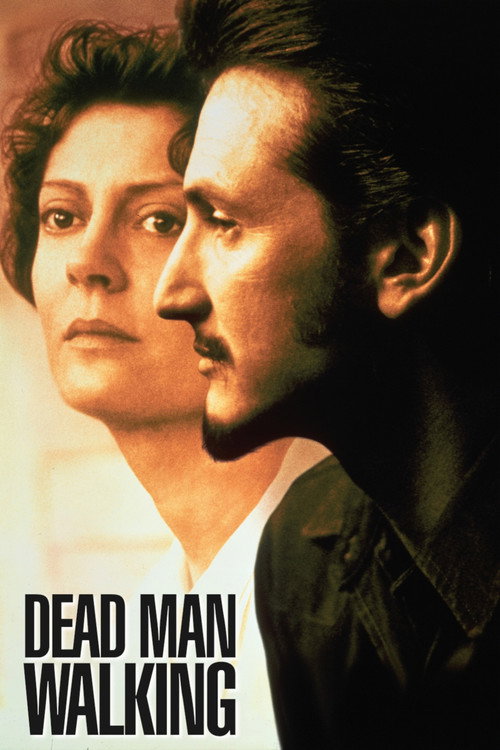
Dead Man Walking1995
Susan Sarandon and Sean Penn anchor a film about a nun opposing an execution, with spiritual depth and genuine moral complexity. It's the essential film on this subject, humanely made and genuinely moving.
But It's overtly political and doesn't hide its position. If you want ambiguity or thriller momentum, you'll find neither here.
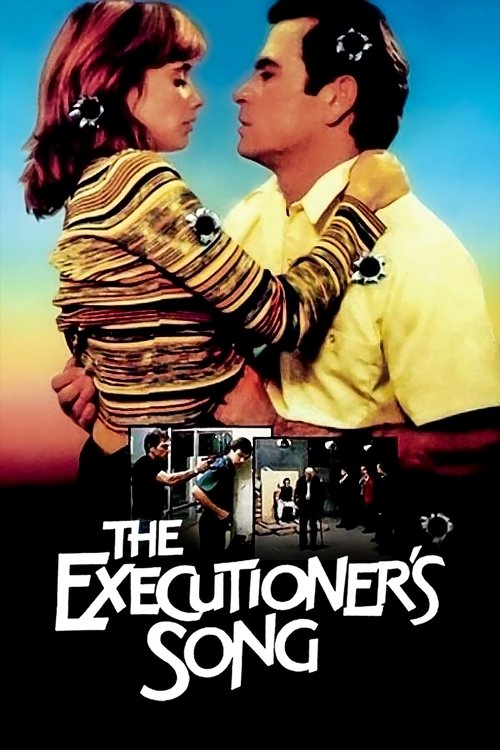
The Executioner's Song1982
Tommy Lee Jones in a miniseries about a real death row inmate who stops appealing his sentence. Unflinching, bleak, masterfully acted—it sits with impossible moral questions without offering comfort.
But Made for television in 1982; the pacing and production feel period-specific. Some scenes are genuinely harrowing in ways modern viewers might find punishing.
Spotlight2015
Ensemble cast investigating institutional corruption and systemic cover-up. Like Clemency, it's about how normal people enable harm through routine work. Superbly written and acted, but focused on the investigation rather than the cost to the investigator.
But It's procedural and somewhat brisk—it doesn't have Clemency's grinding emotional depth or willingness to linger in despair.

Not sure tonight? Get a pick in a minute, starting from Clemency
The wildcard
Something you would not have found on your own.
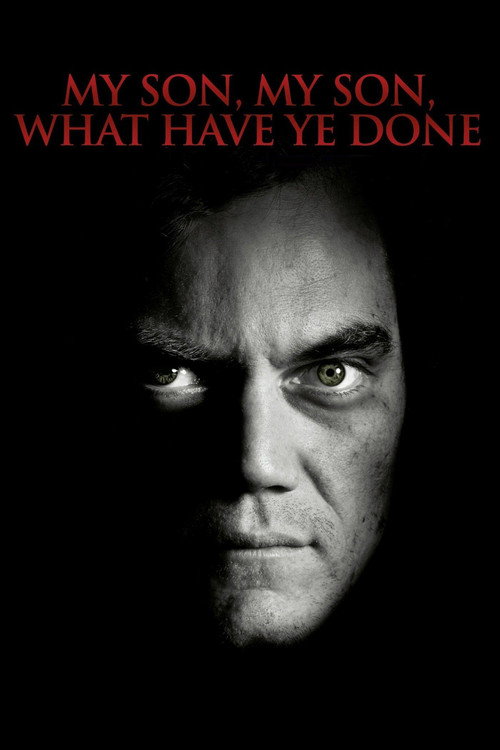
My Son, My Son, What Have Ye Done2010
Both films place us inside institutions through formal restraint, refusing sentimentality while exploring how violence colonizes the minds of those forced to witness or carry it out.
Herzog's film about a man arrested after killing his mother, told through interrogation and fragmented memory. Formally strange and genuinely disturbing, it shares Clemency's interest in institutional observation and the fractured interior lives of people caught in the system.
But It's aggressively avant-garde—fragmented, difficult, nearly three hours. Herzog doesn't make it easy, and the subject matter is ugly in ways Clemency transmutes into sadness.
More like this (8)
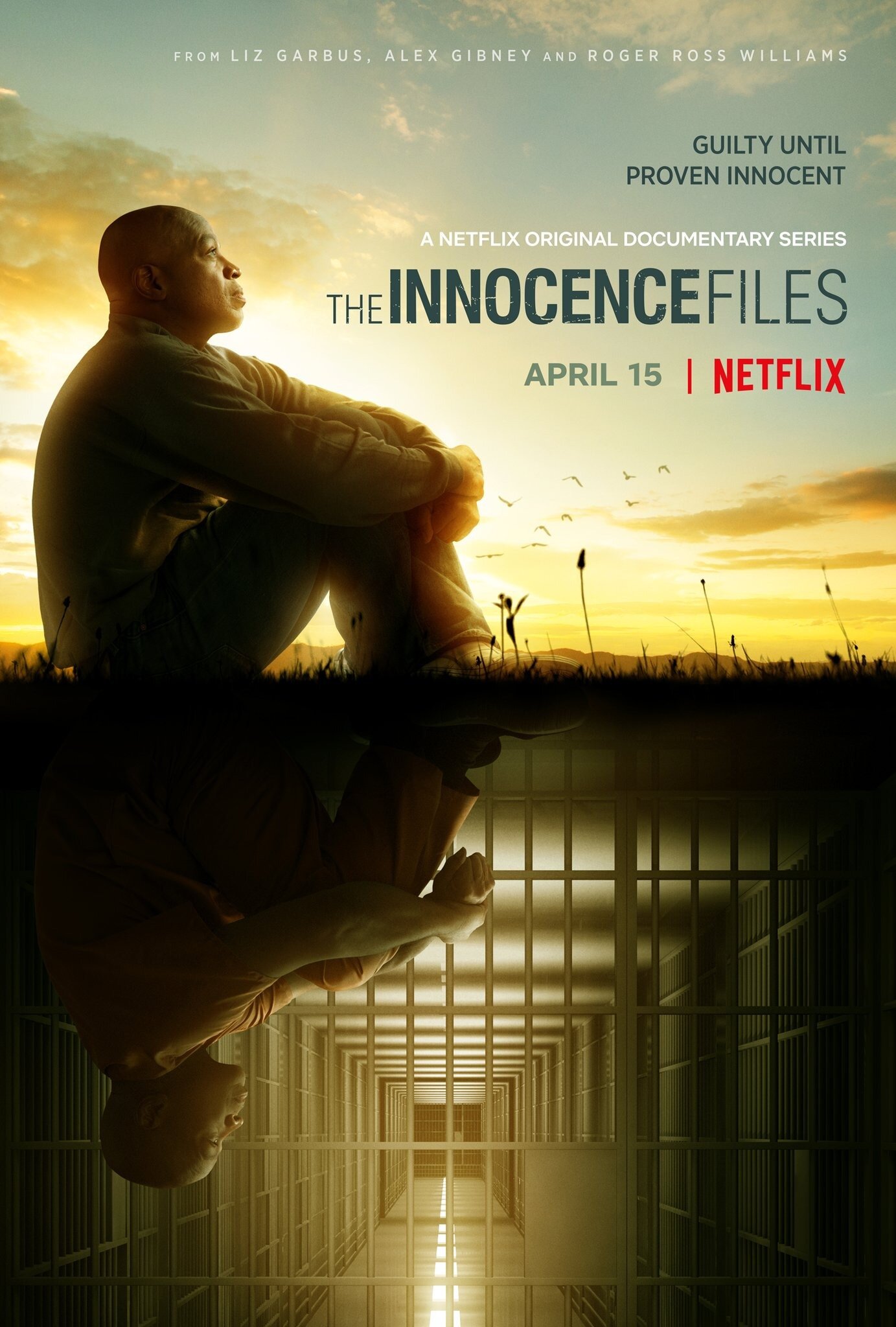
The Innocence Files2020
Documentary series about wrongful convictions on death row. Real cases, real exonerations. It gives you the concrete horror that Clemency approaches obliquely, and it's genuinely urgent.
But It's documentary—no narrative shape or character study. The urgency it generates is different from the psychological intimacy of a scripted film.
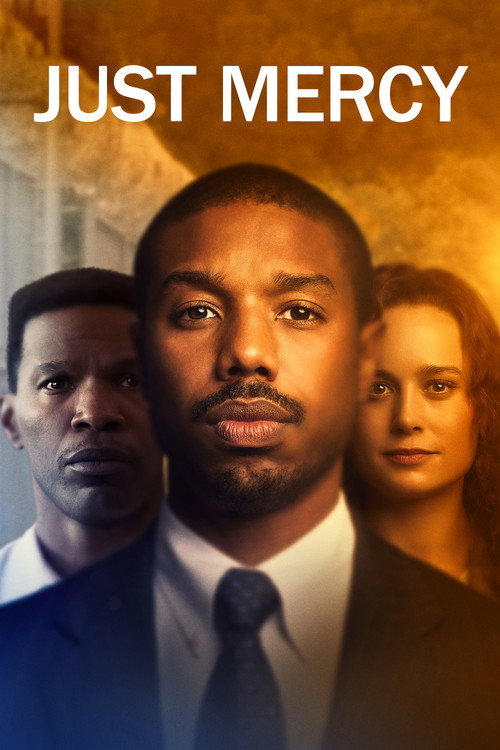
Just Mercy2019
Michael B. Jordan and Jamie Foxx in a film about legal injustice and a man fighting wrongful death sentences. Sharper and more propulsive than Clemency, with clearer heroes and villains.
But Its narrative drive and emotional resolution give it a redemptive arc that Clemency deliberately refuses. Some find it too neat for its subject matter.
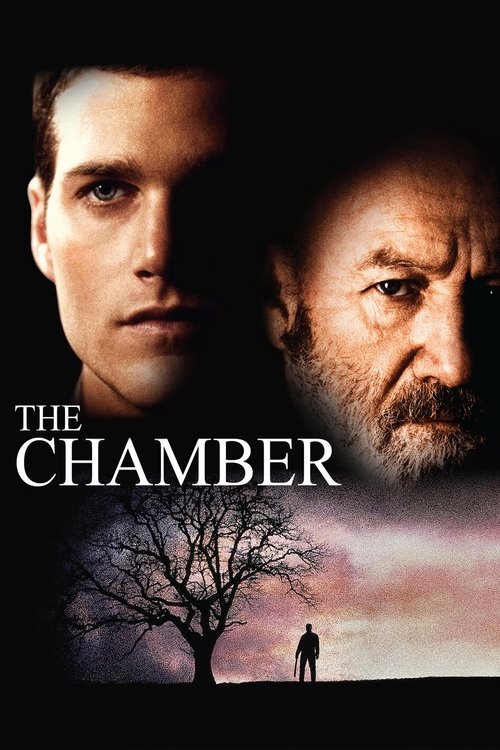
The Chamber1996
Chris O'Donnell and Gene Hackman in an adaptation of Grisham's novel about a lawyer's last-minute effort to stop an execution. Direct engagement with the machinery and emotion of capital punishment.
But It's now 28 years old and feels dated. The thriller structure sometimes overwhelms the moral questions, unlike Clemency's unflinching focus.
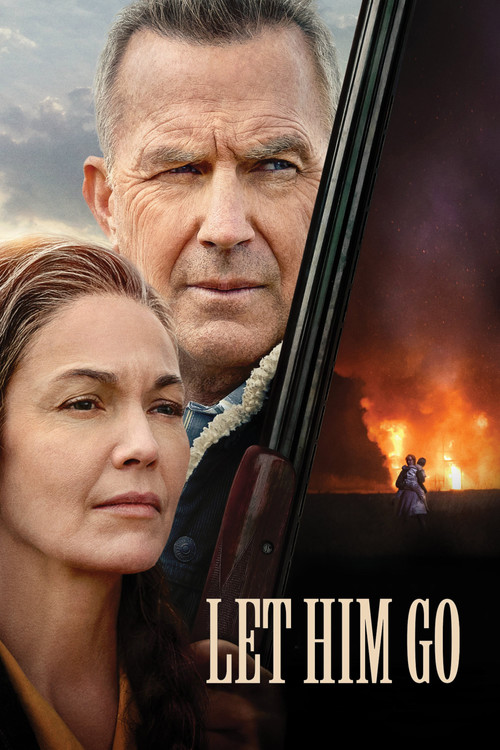
Let Him Go2020
Kevin Costner and Diane Lane in a grief-soaked drama about loss and family. Different subject, but the same accumulated emotional weight and sense of people hollowed out by pain.
But It shifts into thriller territory in the final act. Not as philosophically sustained as Clemency—more conventional in its storytelling beats.
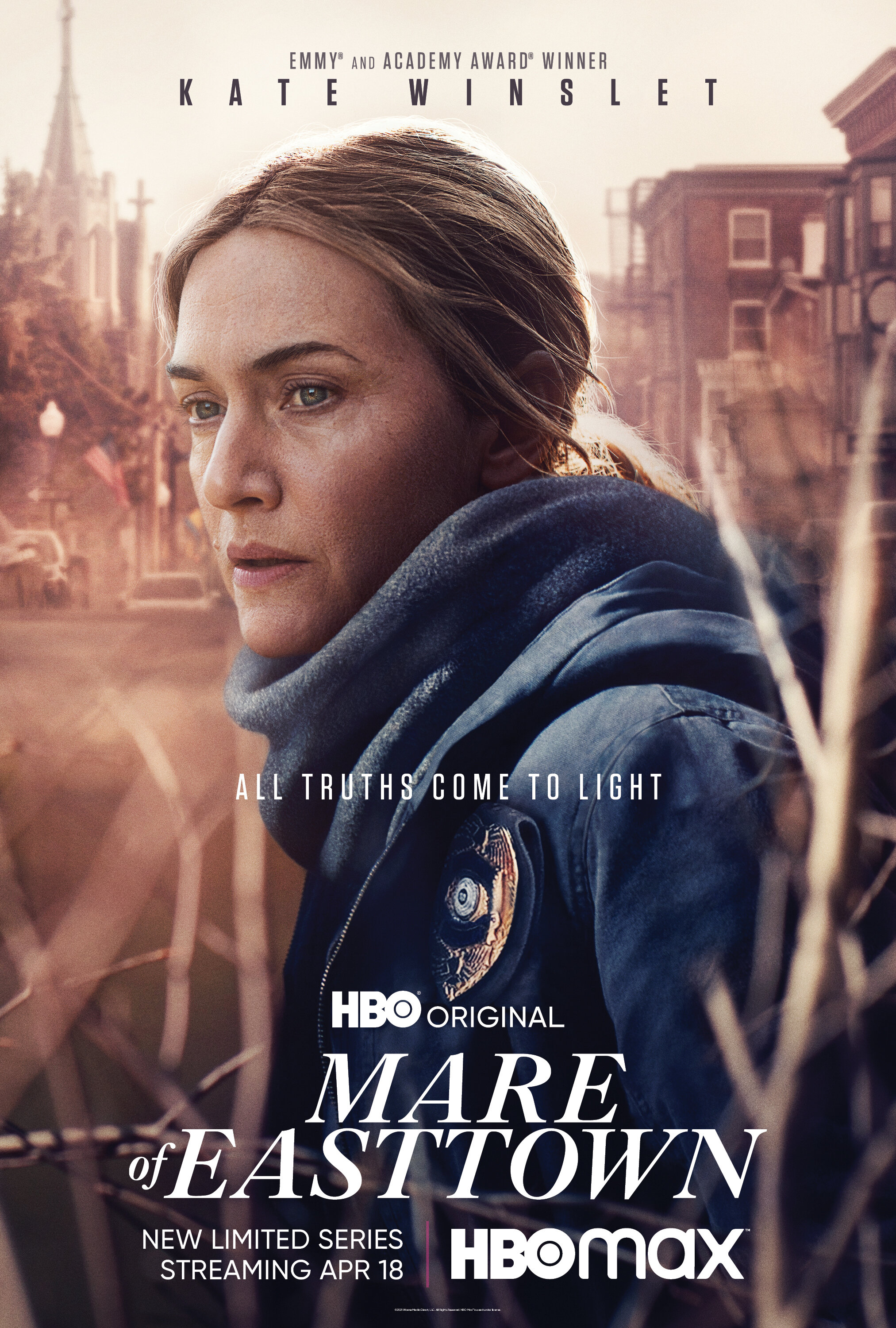
Mare of Easttown2021
Kate Winslet as a detective broken by years of small-town crime and personal loss. Like Clemency, it's about the cost of bearing witness, shot with documentary restraint and acted with terrifying specificity.
But It's a mystery; the plot mechanics matter. If you want pure character study without narrative momentum, this has too much plot.
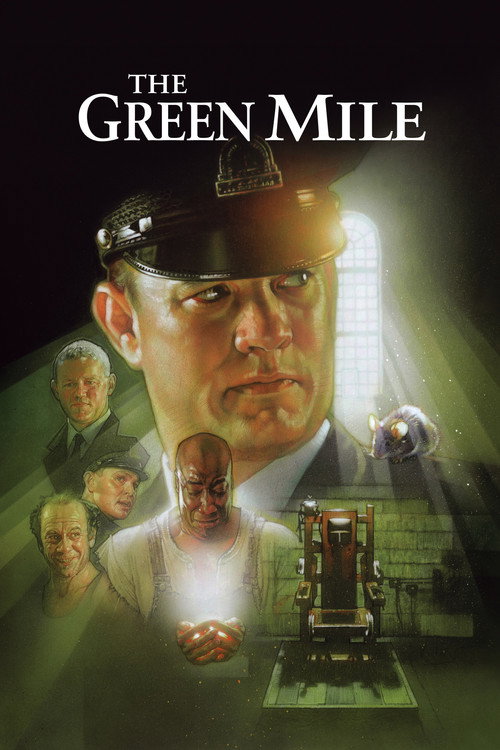
The Green Mile1999
Tom Hanks and Michael Clarke Duncan in Darabont's death row drama, centered on a man with supernatural gifts on condemned row. It's the mainstream answer to capital punishment cinema.
But It's more sentimental and has a metaphysical dimension. Clemency's austere realism can make this feel almost comforting by comparison—which might bother you.
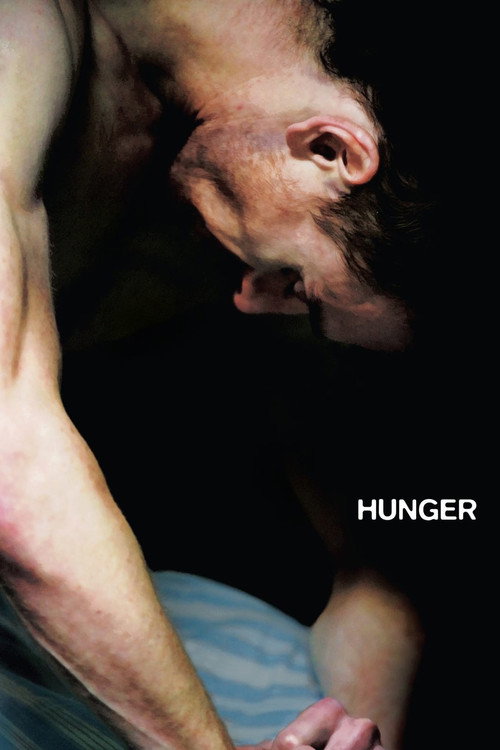
Hunger2008
Like Clemency, it uses visual austerity and duration to make you feel the weight of institutional violence. Both ask what it costs to bear witness, whether you're victim or perpetrator.
Steve McQueen's directorial debut: Michael Fassbender as a political prisoner in Northern Ireland refusing food. Shot with brutal formalism—long takes, minimal dialogue. It's about a body in an institution, stripped of narrative comfort, reduced to physical fact.
But It's extremely austere and confrontational. The final sequence is difficult to watch, and there's no emotional catharsis—just presence and then absence.
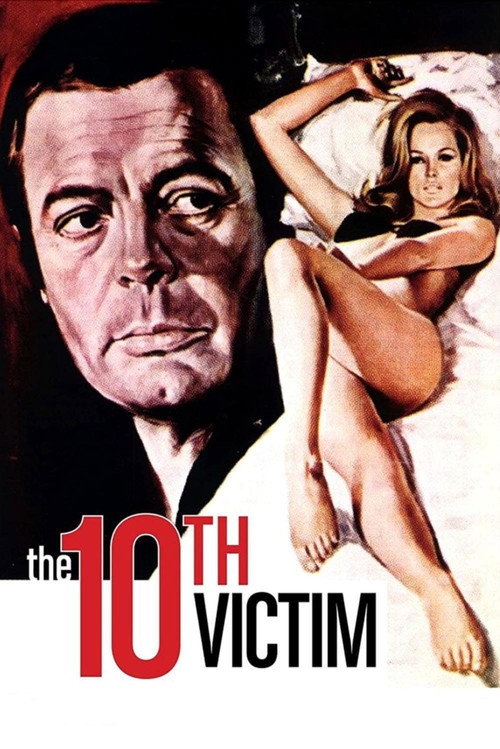
The 10th Victim1965
Both examine how institutions normalize killing and how those who participate become trapped. Petri uses satire where Woodard uses silence, but the structural diagnosis is the same.
Elio Petri's 1960s Italian sci-fi film reimagines institutional killing as a game people volunteer for. Visually gorgeous, darkly satirical, about bureaucracy and violence in a futuristic society. A completely different register—playful, surreal, fashion-forward.
But It's camp and almost cheerful about murder. The tonal whiplash from Clemency's solemnity is exactly the point, but if you need thematic continuity, this will feel wrong.
People
Cast
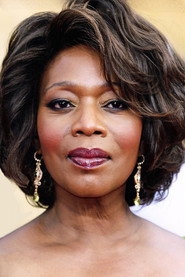 Alfre WoodardWarden Bernadine Williams
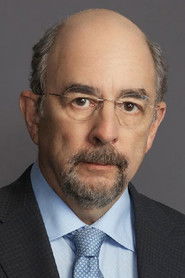 Richard SchiffMarty Lumetta
 Aldis HodgeAnthony Woods
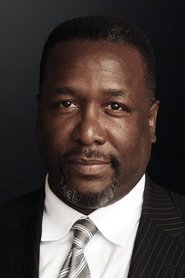 Wendell PierceJonathan Williams
 Danielle BrooksEvette Wilkinson
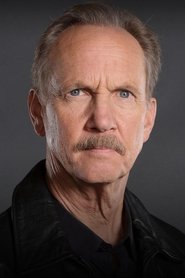 Michael O'NeillChaplain David Kendricks
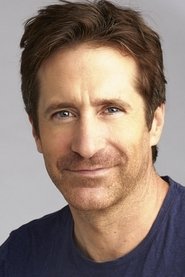 Richard GunnDeputy Thomas Morgan
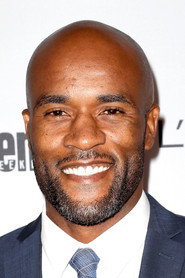 LaMonica GarrettMajor Logan Cartwright
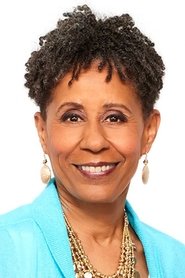 Vernee WatsonMrs. Collins
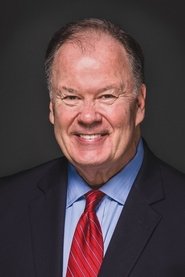 Dennis HaskinsMr. Collins
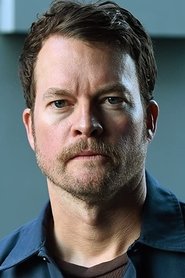 John ChurchillOfficer Brooks
 Alex CastilloVictor Jimenez
Directing
- Heather I. DentonAssistant Director
- Chinonye ChukwuDirector
- Drew LangerFirst Assistant Director
- Barbara AbelarScript Supervisor
- Mark JoplingSecond Assistant Director
- Brittany MeyerhardtSecond Second Assistant Director
- Carlos A. SalazarSecond Second Assistant Director
Writing
- Chinonye ChukwuWriter
Production
- Christina LeeAssistant Accountant
- Kerry BardenCasting
- Paul SchneeCasting
- Cristina BenaventeCasting Assistant
- Rachel GoldmanCasting Assistant
- Joey MontenarelloCasting Associate
- Roya SemnanianCasting Associate
- Fiona WalshCo-Producer
- Alfre WoodardExecutive Producer
- Annie ChangExecutive Producer
- Calvin ChoongExecutive Producer
- Emma LeeExecutive Producer
- Johnny ChangExecutive Producer
- Kathryn BosticExecutive Producer
- Regina K. ScullyExecutive Producer
- Dixie Webster-DavisExtras Casting
- Marina StabileLine Producer
- Kieron EstradaLocation Manager
- James YenPayroll Accountant
- Bronwyn CorneliusProducer
- Julian CautherleyProducer
- Peter WongProducer
- Timur BekbosunovProducer
- Peggy YenProduction Accountant
- Sammi BegelmanProduction Secretary
- Janelle CanastraProduction Supervisor
- Jim DobsonPublicist
- Marina StabileUnit Production Manager
Recommended by
Fruitvale Station, American Son, Underground, Doing Life, Woman Thou Art Loosed, Dim Sum Funeral, Rise of the Phoenix, Bad Blood, Late Bloomer, Master Harold... and the Boys