
Film
My Son, My Son, What Have Ye Done
- Police procedural
- Drama
- Very dark
Werner Herzog's delirious procedural about a murder's aftermath, told through fragmented interviews and obsessive details. Michael Shannon gives a performance of brittle intensity as the suspect. It's dreamlike and darkly funny, assembled like a puzzle that refuses to quite cohere—perfect for viewers who want psychological mystery without conventional thrills.
Should you watch it?
Watch it if you are drawn to uneasy, slightly off-kilter character studies where the strangeness is quiet and the interviews and flat police procedure slowly reveal a mind coming apart.
Skip it if you need brisk momentum, since the investigation proceeds through long, deliberately stilted conversations, and its odd, deadpan tone may feel more baffling than rewarding.
What it asks of you: Ninety-one minutes of patience: the pace is measured, the mood flat and uneasy, and much of the attention goes to reading what people leave unsaid.
Not sure? Find tonight's pick in a minute.
If you liked this
Memories of Murder2003
Bong Joon-ho's serial killer procedural is methodical and hypnotic, building dread through investigation rather than violence. Like Herzog's film, it trusts the audience to piece together unease from fragments and behavior.
But South Korean cinema at its longest and most deliberate—three hours that demand active attention and offer no catharsis.

The Killing2011
Sarah Lund's Danish detective work unfolds with glacial precision, finding tragedy in method itself. Both films share obsessive attention to how investigation becomes its own kind of maze.
But Twenty episodes of persistent bleakness, and the pacing is Nordic—measured to the point of testing patience.
Zodiac2007
Fincher's obsessive procedural about investigation consuming investigators. Like Herzog, Fincher is fascinated by the psychology of pursuit, where the case becomes a labyrinth with no center.
But A three-hour film that refuses to deliver the payoff many want from a serial killer story.
Not sure tonight? Get a pick in a minute, starting from My Son, My Son, What Have Ye Done
The wildcard
Something you would not have found on your own.
Fargo1996
Both examine the space between what someone looks like on the outside and what they become once circumstance has worked on them—the gap between 'nice young man' and the act he commits.
The Coens' masterpiece is framed as investigation into absurd crime, but it's really about how proximity to violence warps everyone it touches. Like Herzog, the Coens find horror in the banality of the Midwest and the ordinariness of the people spiraling into transgression.
But It's funny in ways that might seem to trivialize serious events; the comedy operates at a different register than the tragedy.
More like this (8)
The Thin Blue Line1988
Errol Morris's documentary reconstructs a crime through witness testimony and visual reenactment, asking how we know what we think we know. Same formal playfulness about truth-making as Herzog brings.
But A documentary, and one that moves by digression and doubt rather than building a clear narrative.
A Prophet2009
Jacques Audiard's prison film tracks how a young man becomes corrupted through proximity and circumstance. It has Herzog's fascination with how environment reshapes character into something unrecognizable.
But French prison life is grim and repetitive; the film doesn't glamorize or lighten it for two and a half hours.

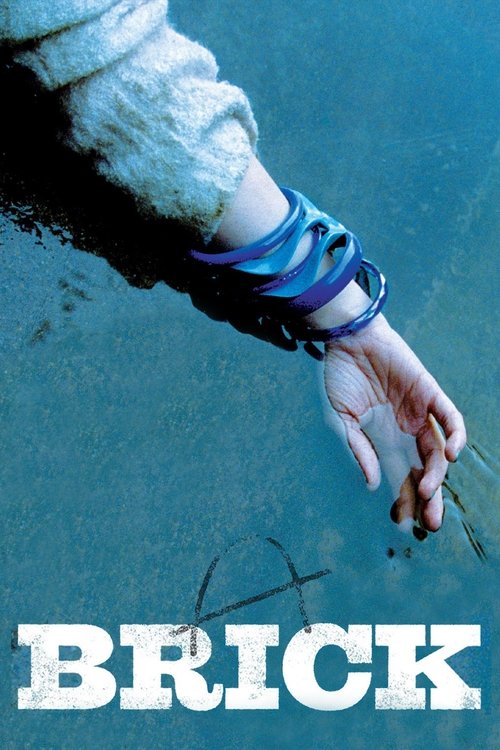
Brick2006
Rian Johnson's high school noir applies genre rules to unexpected terrain, finding darkness in ordinary spaces. It shares Herzog's tonal strangeness and willingness to be oblique about character and motive.
But Very stylized and arch—the noir pastiche can feel precious if the conceit doesn't grab you immediately.
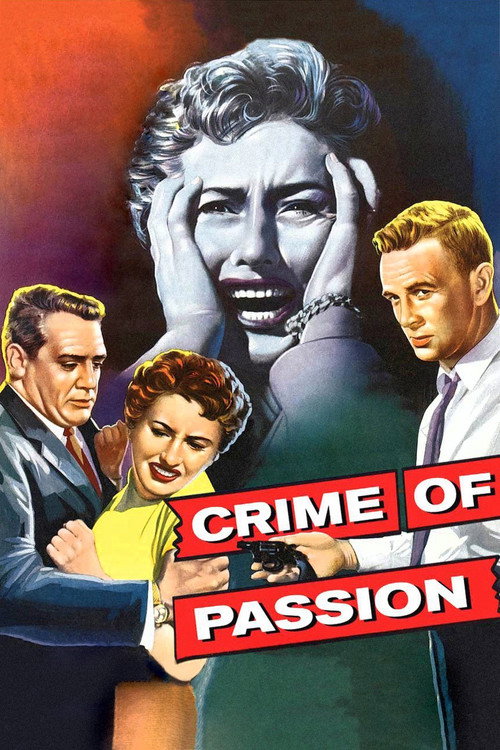
Crime of Passion1956
David Miller's noir about a woman's descent into violence through marriage feels unexpectedly modern. Both films understand how the ordinary world contains terrible potential.
But Black-and-white 1950s B-movie; if you need visual spectacle or contemporary styling, this won't deliver it.
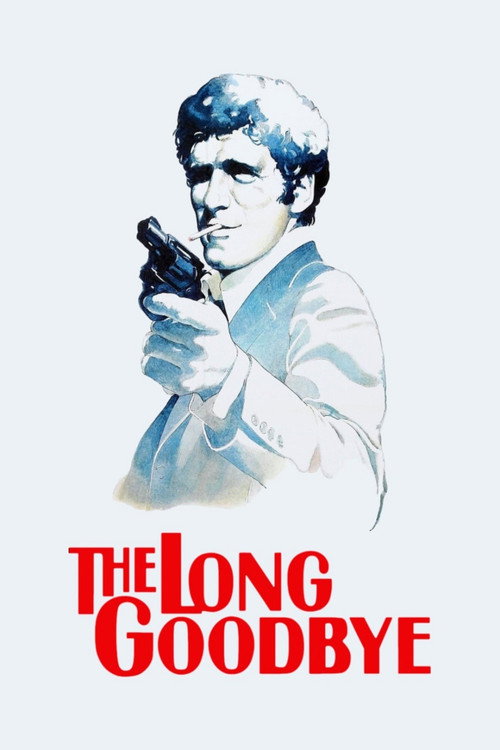
The Long Goodbye1973
Altman's Marlowe film is oblique and rambling, more interested in atmosphere than plot. Like Herzog, Altman trusts the viewer to find meaning in what seems casual and digressive.
But Slow and anti-climactic, shot in washed-out '70s colors, with a protagonist who barely engages with his own case.
Under the Skin2014
Glazer's sci-fi uses enigma and evasion as its language, trusting viewers to construct meaning from visual strangeness. Both films are more interested in tone than clarity.
But Deliberately oblique to the point of alienation; if you want plot answers, you won't get them.

In the Mood for Love2000
Both films use detective-like attention to gesture and environment—the viewer becomes investigator, reading emotional truth from surfaces and fragments rather than being told.
Wong Kar-wai's visual poem about oblique, thwarted connection obsesses over details and repetition until they become hypnotic. Like Herzog, Wong finds psychological complexity in formal strangeness and color and composition over plot momentum.
But Dialogue-light, plotless, and glacially paced; pure cinema, which means pure frustration if you need conventional storytelling.

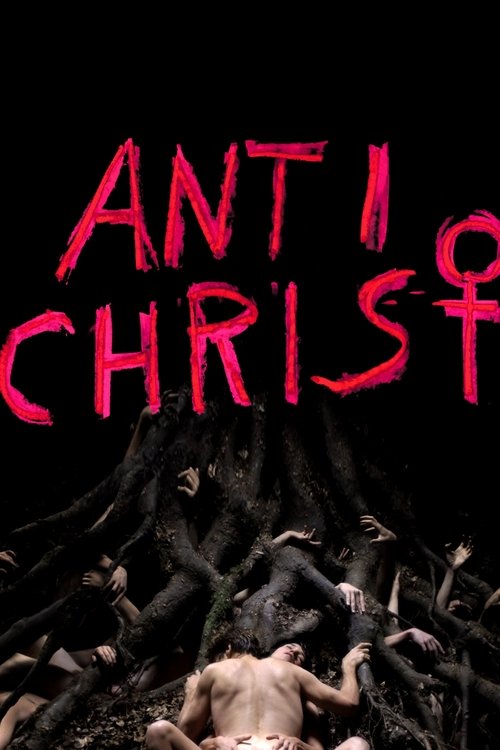
Antichrist2009
Both are formally audacious explorations of damage and culpability, refusing easy comfort or moral clarity about who deserves sympathy.
Von Trier's psychodrama pairs a couple's grief with nightmare logic and unsettling symbolism. Both films understand that the human psyche contains irrational depths; both trust visual language over exposition to convey psychological descent.
But Deliberately provocative and graphic; it will alienate you on purpose, and some audiences will feel manipulated rather than moved.
People
Cast
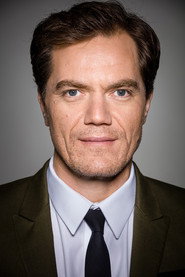 Michael ShannonBrad McCullum
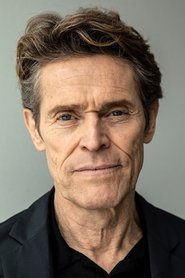 Willem DafoeDetective Hank Havenhurst
 Chloë SevignyIngrid
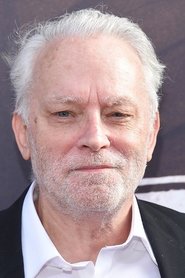 Brad DourifUncle Ted
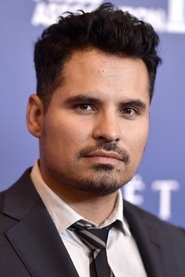 Michael PeñaDetective Vargas
 Loretta DevineMiss Roberts
 Udo KierLee Meyers
 Grace ZabriskieMrs. McCullum
 Irma P. HallMrs. Roberts
 Jenn LiuReceptionist
 Dave BautistaOfficer, San Diego Police Department S.W.A.T Team
 Brian SounalathYoung Man
Directing
- Werner HerzogDirector
- John T. ChurchillFirst Assistant Director
- Francesco TigniniSecond Assistant Director
- Anneke ScottSecond Second Assistant Director
- Ian CalipSecond Second Assistant Director
Writing
- Herbert GolderScreenplay
- Werner HerzogScreenplay
Production
- Herbert GolderAssociate Producer
- Jenny JueCasting
- Johanna RayCasting
- Giulia MarlettaCo-Executive Producer
- Jimmy BalodimasCo-Executive Producer
- Ken MeyerCo-Executive Producer
- Rick SpallaCo-Producer
- Ali RounaghiExecutive Producer
- Austin StarkExecutive Producer
- Benji KohnExecutive Producer
- Bingo GubelmannExecutive Producer
- Chris PapavasiliouExecutive Producer
- David LynchExecutive Producer
- Jeff RiceExecutive Producer
- Julius MorckExecutive Producer
- Keith KjarvalExecutive Producer
- Paul E. NoackExecutive Producer
- Stian MorckExecutive Producer
- Jack SojkaLine Producer
- Eric BassettProducer
Recommended by
Death in Venice, Clemency, Class Action, Promised Land, The White Diamond, Oranges and Sunshine, Instinct, The Insult, A Place in the World, Mujib: The Making of a Nation, Judge John Deed