Television series
Judge John Deed
A High Court judge with a moral compass that won't quit tackles cases where the law alone won't suffice. Martin Shaw gives Judge John Deed a world-weary gravitas that makes his crusades for the underdog feel earned rather than preachy. Smartly written, emotionally grounded, and genuinely tense—this is prestige drama when British television still knew how to make it.
If you liked this
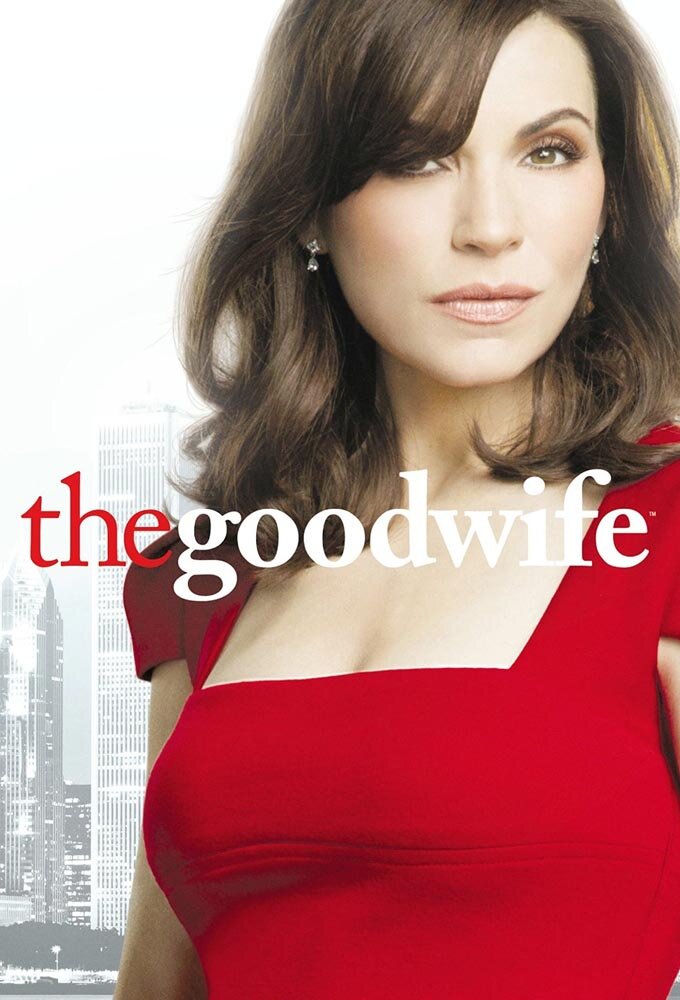
The Good Wife2009
A legal thriller with real character depth and the kind of case-by-case ingenuity that'll keep you gasping. Alicia Florrick has the same moral clarity as Deed, but she's fighting institutional corruption from inside a compromised system.
But It runs for seven seasons and loses momentum in the middle stretch. Some later arcs feel stretched thin.
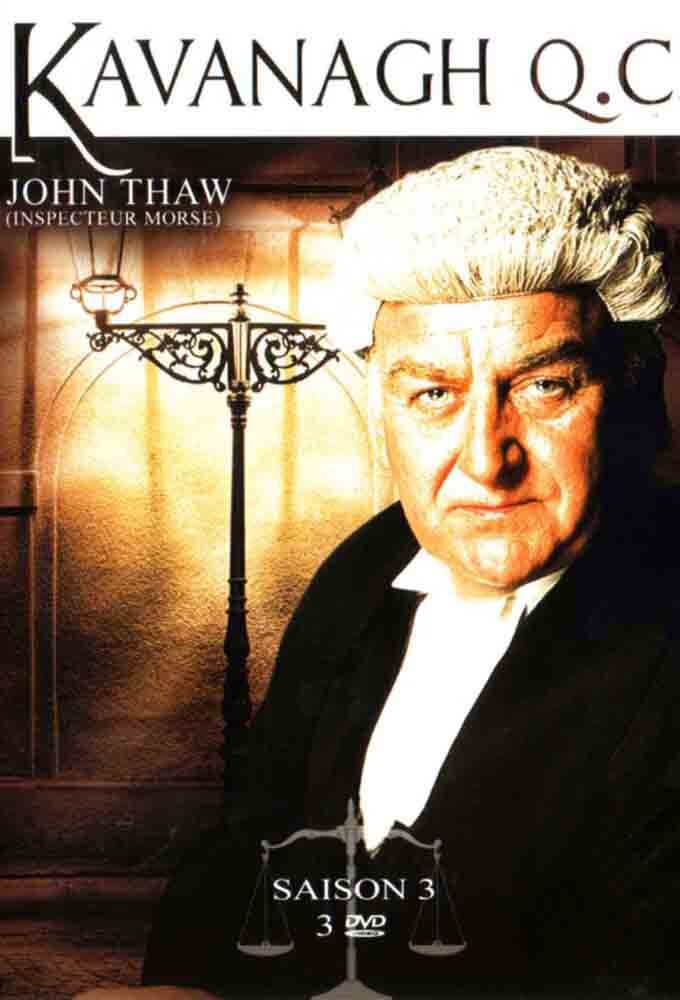
Kavanagh Q.C.1995
John Thaw as a barrister navigating complex cases with intelligence and principle. This is the spiritual predecessor to Judge John Deed—same DNA, same refusal to accept easy answers, same British legal system rendered compelling.
But The pacing feels stately by modern standards. If you need constant adrenaline, you'll find it slow.
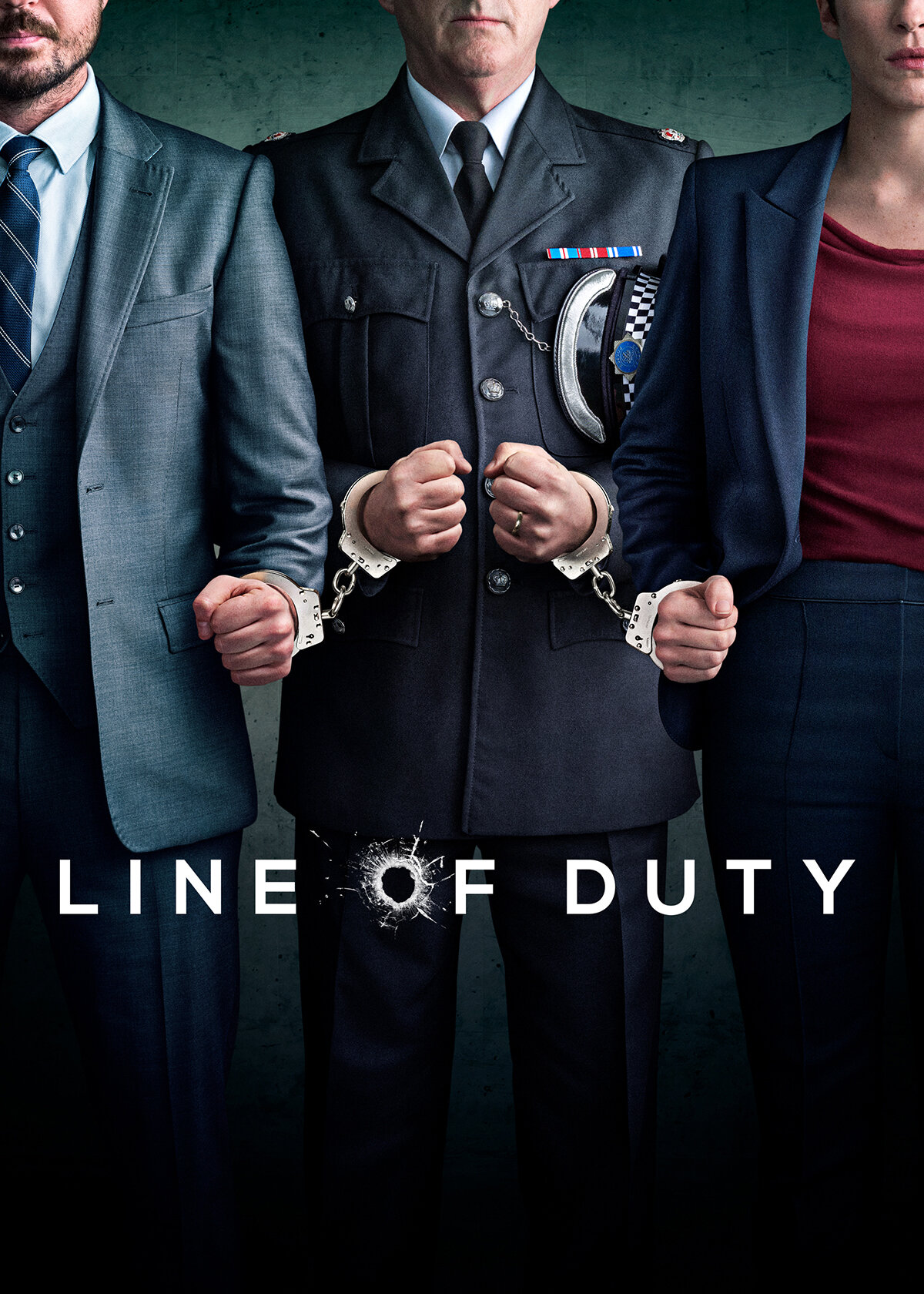
Line of Duty2012
Jed Mercurio crafts procedurals with real moral weight. Like Deed, it's about people trying to do the right thing in systems designed to thwart them—but here the stakes feel genuinely dangerous.
But The final season divided viewers badly. Expectations got ahead of what any ending could deliver.
Not sure tonight? Get a pick in a minute, starting from Judge John Deed
The wildcard
Something you would not have found on your own.
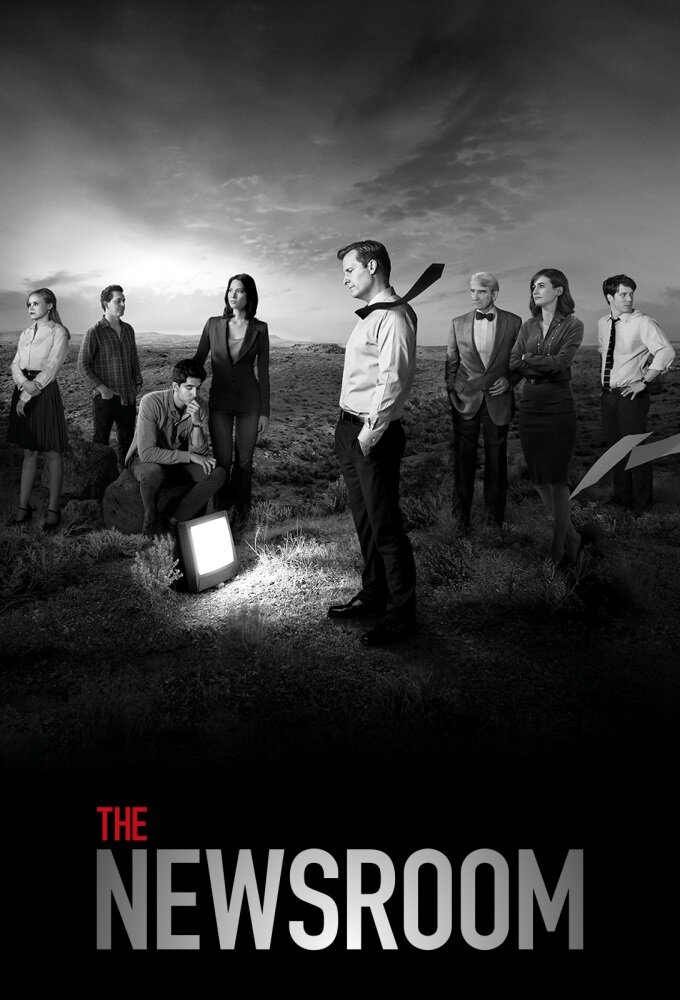
The Newsroom2012
Both use institutional settings to ask whether individual integrity matters when the system itself is corrupted. Both protagonists keep fighting because surrender isn't morally acceptable, even when victory is impossible.
Sorkin's chronicle of a cable news team trying to report truth in a broken system. The structure mirrors Deed exactly: principled people in institutions grinding against them, one battle at a time, knowing they're usually losing the war.
But Sorkin's dialogue and ideology can feel suffocating. If you don't buy his vision of how the world should work, the show becomes exhausting rather than inspiring.
More like this (8)
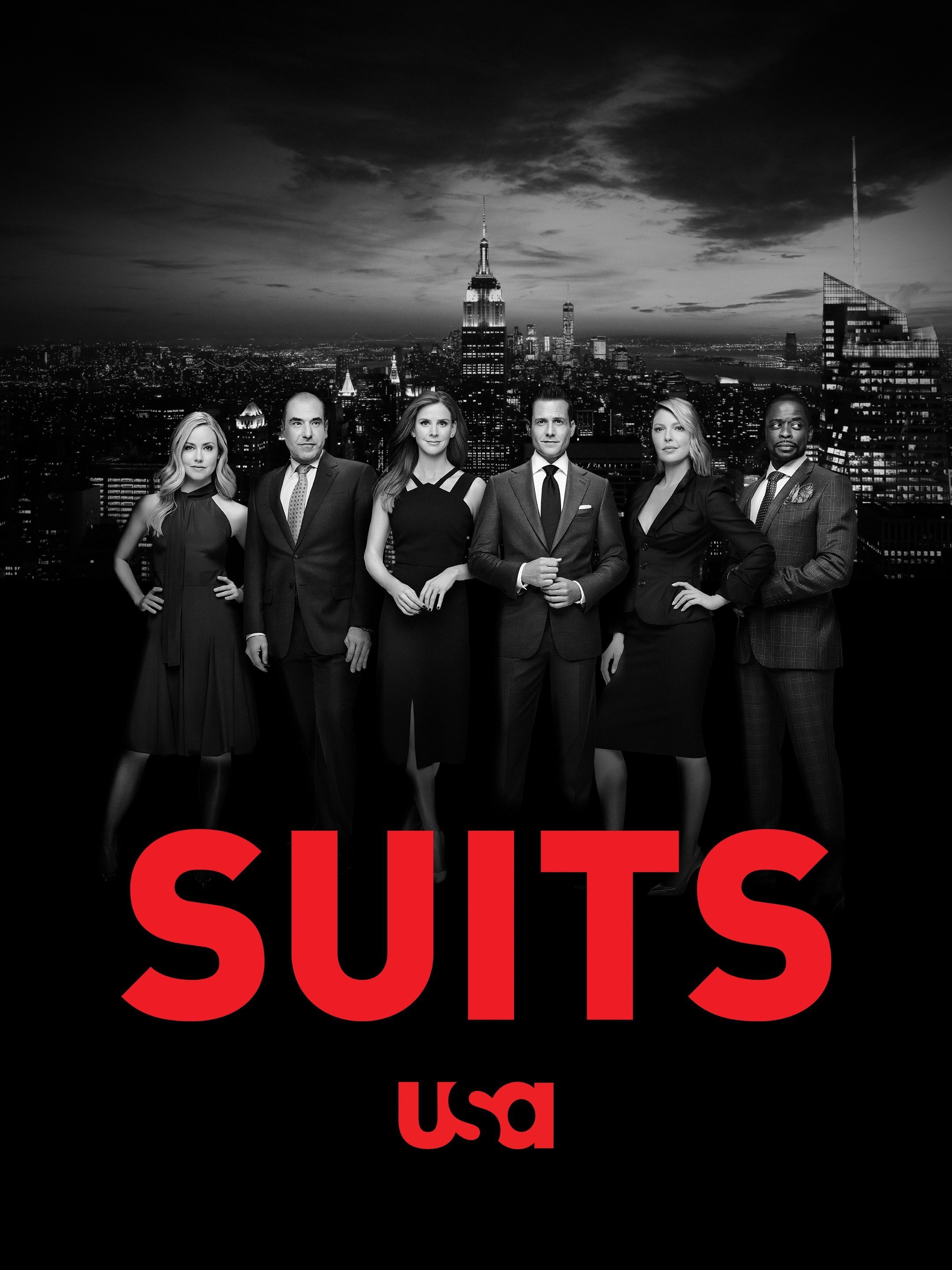
Suits2011
Sharp courtroom victories, likeable characters, and that same satisfaction of watching someone outthink the opposition. Gabriel Macht's Harvey Specter has Deed's confidence, if not quite his conscience.
But It prioritizes entertainment over realism. The legal reasoning is sometimes cotton candy, and the show knows it.
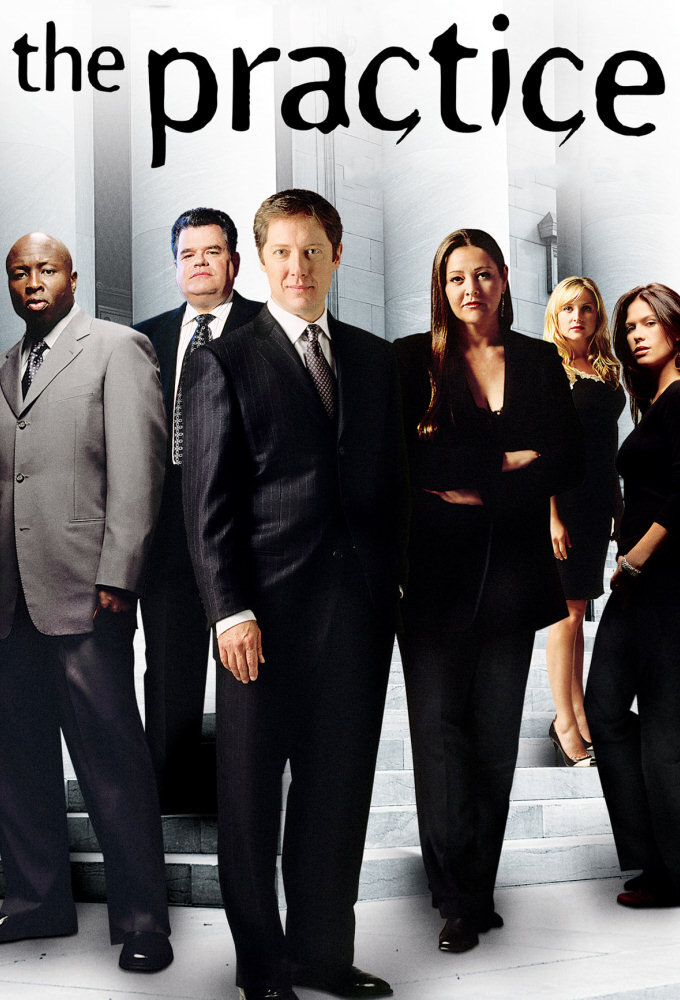
The Practice1997
David E. Kelley's Boston legal team fights for people the system has discarded. Scrappy, passionate, and genuinely moving—it understands why defense work matters.
But The tone swings wildly between serious courtroom drama and borderline comedic. Tonal consistency isn't its strength.
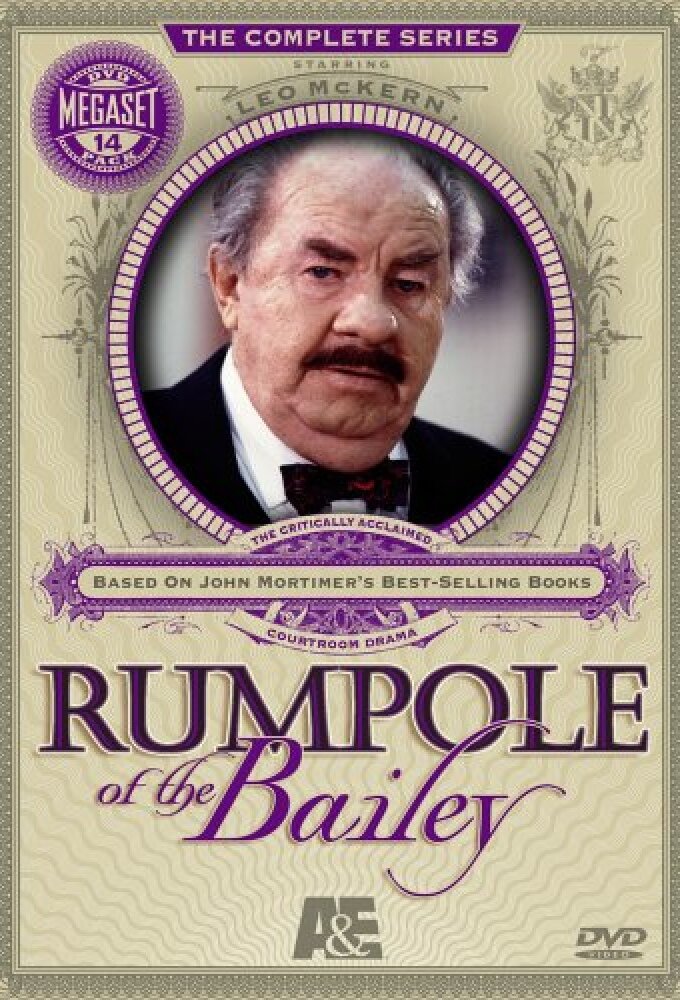
Rumpole of the Bailey1978
Leo McKern as a barrister who won't compromise his principles for money or status. It's warmer and funnier than Judge John Deed, but the moral spine is identical.
But It's period television, shot on video in the 1970s and 80s. The production values feel distinctly of their moment.
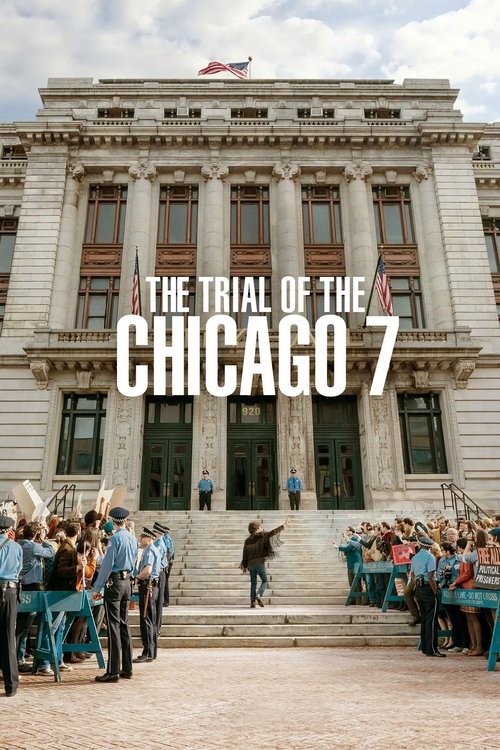
The Trial of the Chicago 72020
Sorkin's courtroom drama about justice being impossible in a rigged system. Aaron Sorkin finds the same kind of righteous fury Deed embodies, but compressed into two hours.
But It's almost aggressively theatrical. The speech-making can feel didactic if you're not in the mood for it.
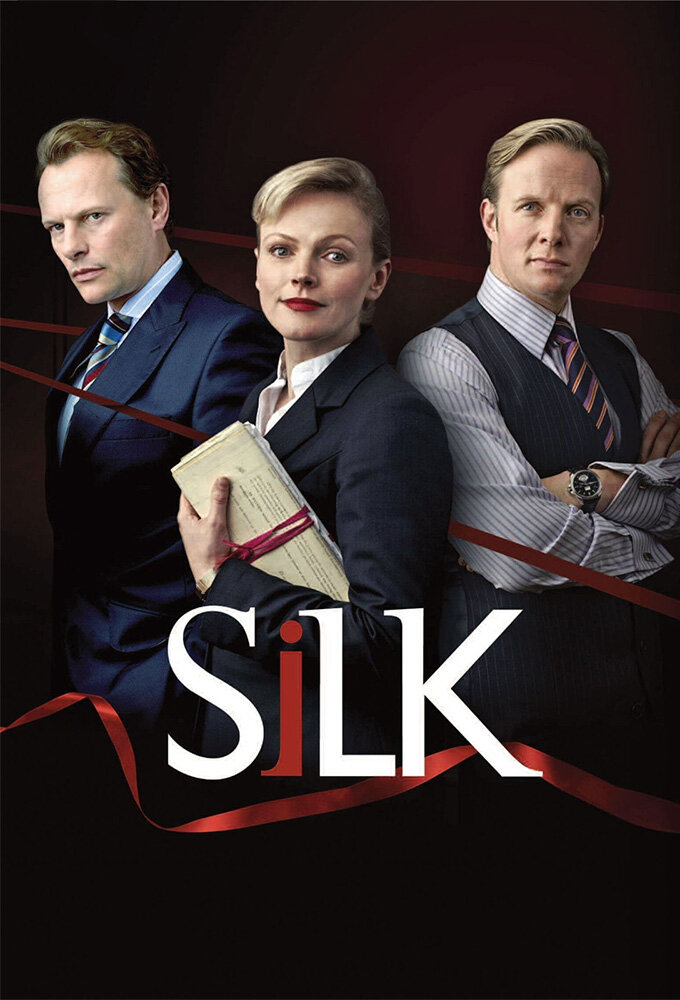
Silk2011
Modern British barristers wrestling with ambition and ethics. It's more cynical about the legal system than Deed, but no less intelligent about how principle survives inside compromise.
But It concludes after two series. The show was cancelled before it fully found its rhythm.
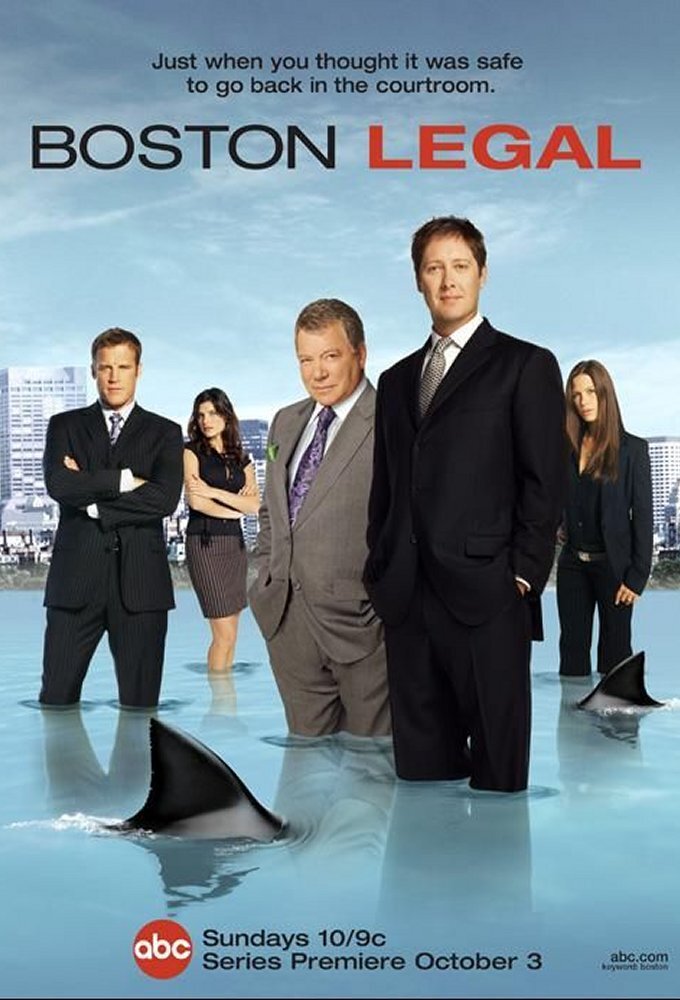
Boston Legal2004
William Shatner and James Spader sparring over cases that are really about morality. Dizzy and uneven, but full of genuine warmth and weirdness—a different energy entirely.
But It's a tonal mess that somehow works. The comedy undercuts the drama constantly; this won't work if you want straightforward seriousness.
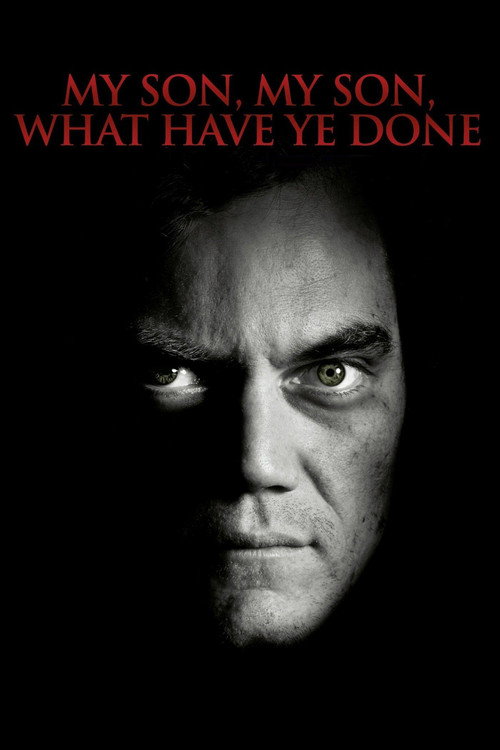
My Son, My Son, What Have Ye Done2010
Both examine justice as a problem that rationality alone cannot solve. Deed works within the system; Lynch and Herzog abandon the system entirely to understand what happens when justice fails.
David Lynch's collaboration with Werner Herzog: a true-crime story fractured into dream logic. It's visually stunning, deeply strange, and psychologically unnerving—nothing like Deed's procedural confidence, but identical in its refusal to simplify human motivation.
But It's deliberately incoherent. The narrative structure will frustrate anyone wanting clarity. Some will find it self-indulgent rather than profound.
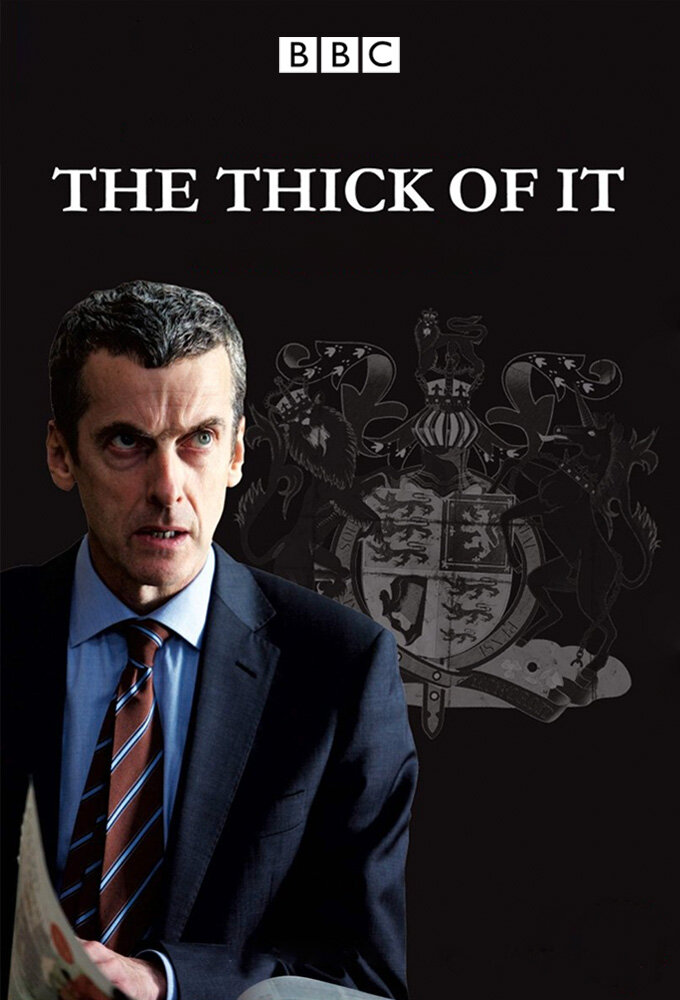
The Thick of It2005
Same world, opposite conclusions. Deed believes a High Court judge can nudge justice toward righteousness. The Thick of It argues the system is designed so thoroughly to corrupt that only damage control is possible. Together they frame the entire question of institutional morality.
British political satire where every institution is genuinely corrupt and the only honest people are usually shouting expletives in corners. It's the darkest possible mirror to Deed's belief that morality can survive inside power structures.
But It's relentlessly bleak and foul-mouthed. The humor is savage; if you don't find cruelty funny, this will feel unpleasant rather than cathartic.