
Film
The White Diamond
Werner Herzog's meditation on ambition, loss, and wonder. An English inventor pursues his dream of designing an airship to explore the rainforest canopy—a quest Herzog frames as both heroic and reckless. The film is contemplative, occasionally unsettling, and entirely absorbed in what drives us to risk everything for an idea.
If you liked this
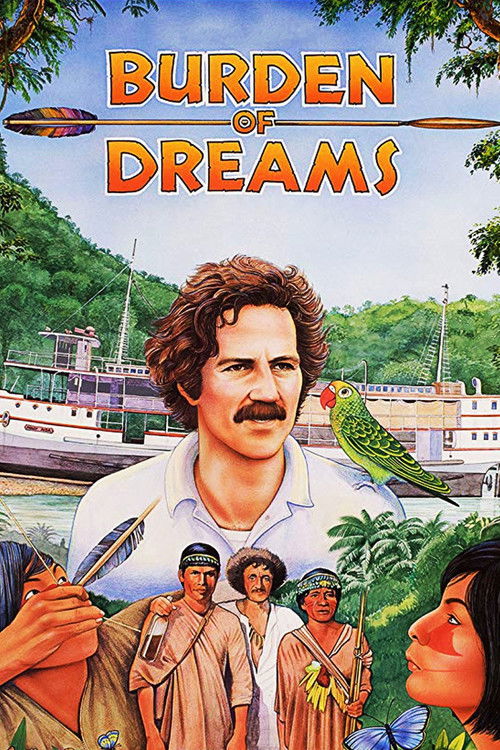
Burden of Dreams1982
Herzog's own documentary about making Fitzcarraldo, his fevered attempt to drag a steamship over a mountain. Same director, same obsession with human will colliding with nature. Essential context and companion.
But Exhausting and bleak. The behind-the-scenes chaos and suffering feel grimmer than any narrative film, and Herzog doesn't soften it.
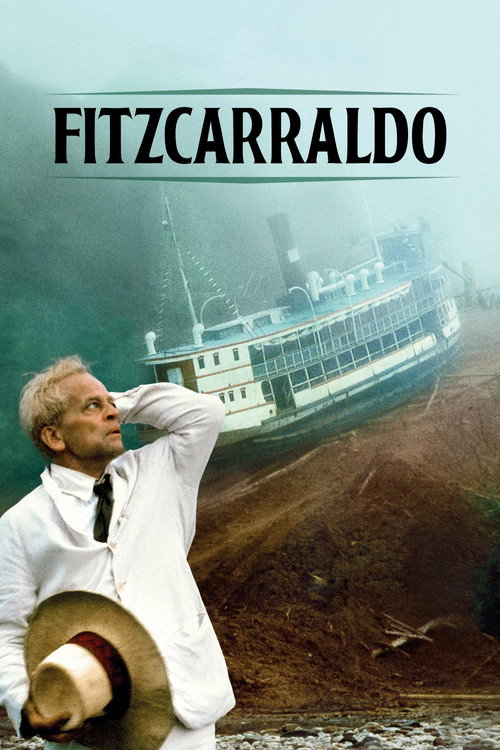
Fitzcarraldo1982
Klaus Kinski plays an opera-mad river trader determined to haul a steamship through the Amazon to build an opera house. It's the film Herzog was documenting in Burden of Dreams—raw, impossible, visually staggering.
But Three hours. The pacing is deliberate and the tone is mournful. It demands patience and rewards it, but not for everyone.
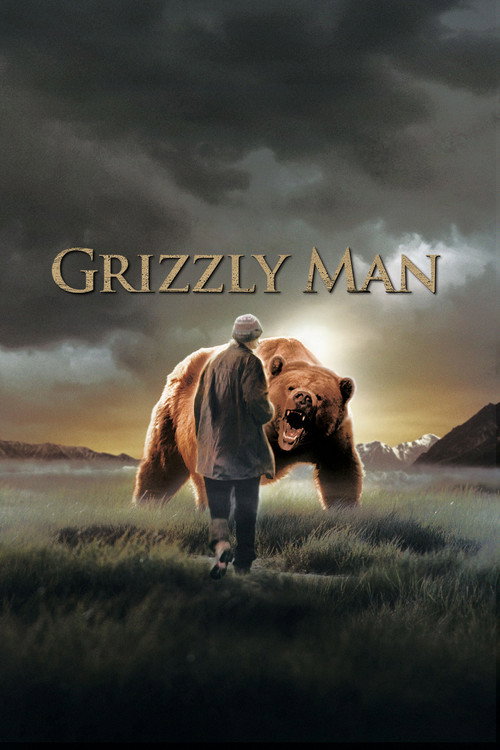
Grizzly Man2005
Herzog examines Timothy Treadwell, a man obsessed with living among grizzly bears. Another study of obsession, isolation, and the gap between a person's self-image and reality. Heartbreaking and darkly funny.
But You'll watch footage of the man who made the film. Herzog doesn't hide the tragedy or look away from it, which can feel voyeuristic.
Not sure tonight? Get a pick in a minute, starting from The White Diamond
The wildcard
Something you would not have found on your own.
La Haine1995
Both films understand that where you position yourself—literally, in space—determines everything you can know. Herzog looks down; La Haine looks sideways. Same architectural idea about vision.
Mathieu Kassovitz's black-and-white portrait of three young men in a Paris housing project over one day. Like The White Diamond, it's about perspective and what we see depending on where we stand—but inverted, earthbound, and politically urgent.
But Angry and uncompromising. If you come for Herzog's detached philosophy, you'll be confronted with rage and social realism instead.

More like this (8)
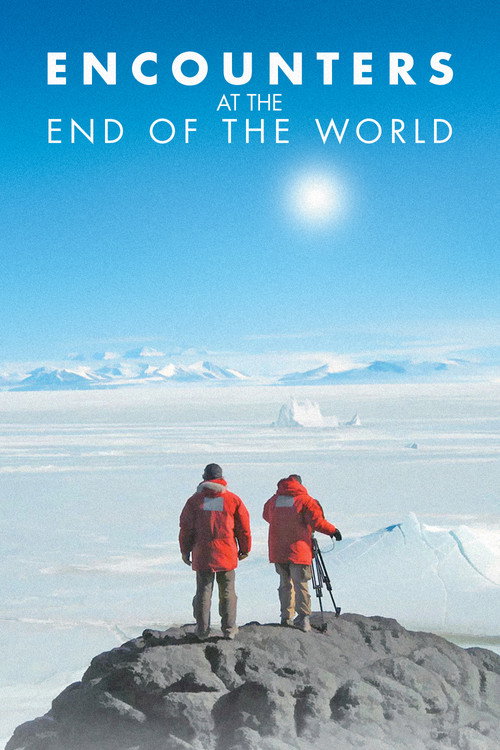
Encounters at the End of the World2007
Herzog in Antarctica, interviewing scientists and wanderers at the bottom of the world. Less narrative than The White Diamond but equally fascinated by people drawn to extreme places and what that says about us.
But Essayistic and meandering. If you want plot, you'll be frustrated. It's mood and philosophy over story.
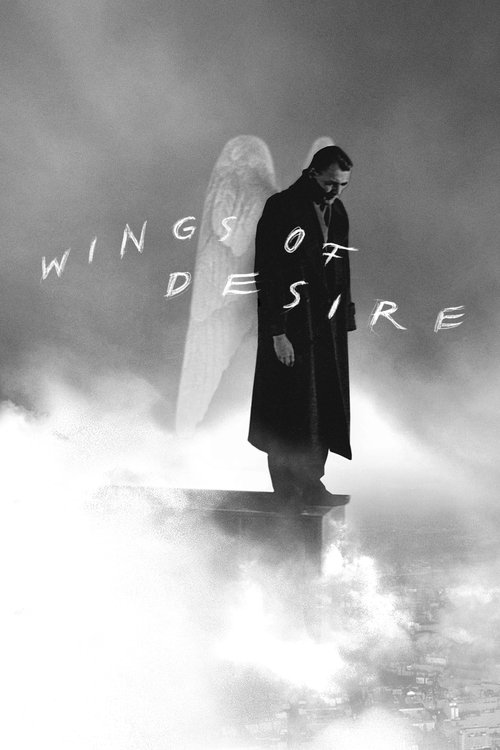
Wings of Desire1987
Wim Wenders' Berlin poetry about angels watching the city. Different register entirely—lyrical, metaphysical—but shares Herzog's interest in perspective and what we see when we look down on the world.
But Deliberately slow and abstract. The narrative is gossamer-thin. Requires you to meet it in contemplation, not excitement.
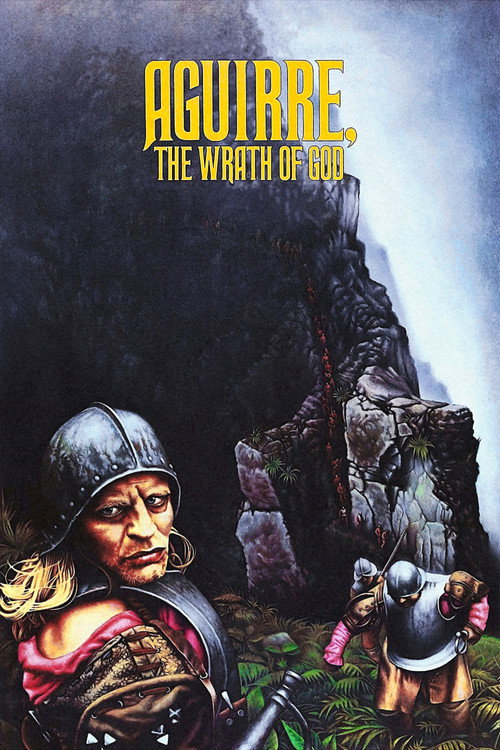
Aguirre, the Wrath of God1972
Herzog's masterpiece: Klaus Kinski leading conquistadors downriver in search of El Dorado. Hallucinated, mythic, about the madness that possesses men who want the impossible. Pure vision.
But Shot on a tiny budget with non-professionals. The production values are rough and the pacing is hypnotic rather than propulsive. Takes commitment.
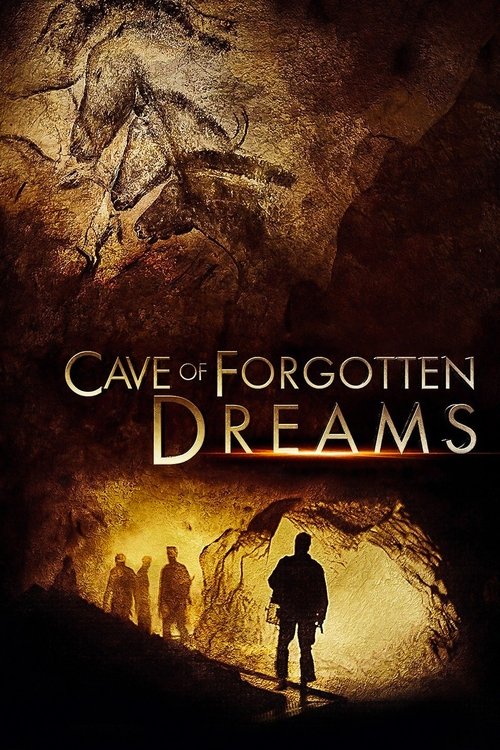
Cave of Forgotten Dreams2010
Herzog in the Chauvet cave, encountering 32,000-year-old hand prints and animal paintings. A different kind of obsession with the distant past, the same sense of standing before something unknowable.
But The 3D adds little beyond novelty. Some will find the film's reverent tone precious rather than moving.
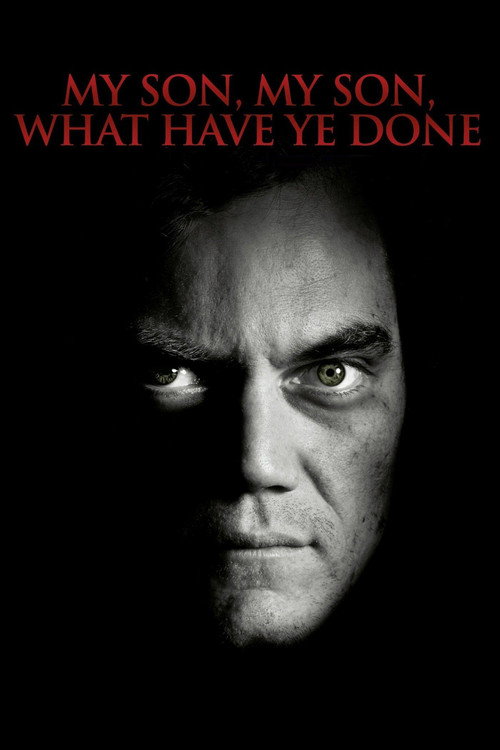
My Son, My Son, What Have Ye Done2010
Herzog directs Michael Shannon as a man spiraling into delusion after witnessing a death. Psychological and unsettling, with Herzog's fascination for what happens when the mind breaks free.
But Fragmented and occasionally incoherent by design. The tone shifts unpredictably and the story doesn't resolve neatly.
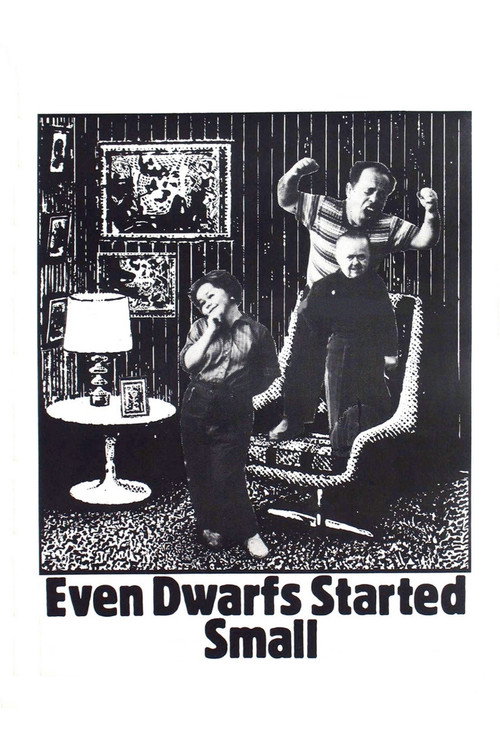
Even Dwarfs Started Small1971
Herzog's earliest feature: cast entirely of dwarfs enacting a chaotic rebellion on an island. Surreal, darkly comic, about human nature stripped to its strange essentials.
But Deliberately provocative and often uncomfortable. The humour is caustic and some will find it offensive rather than absurdist.
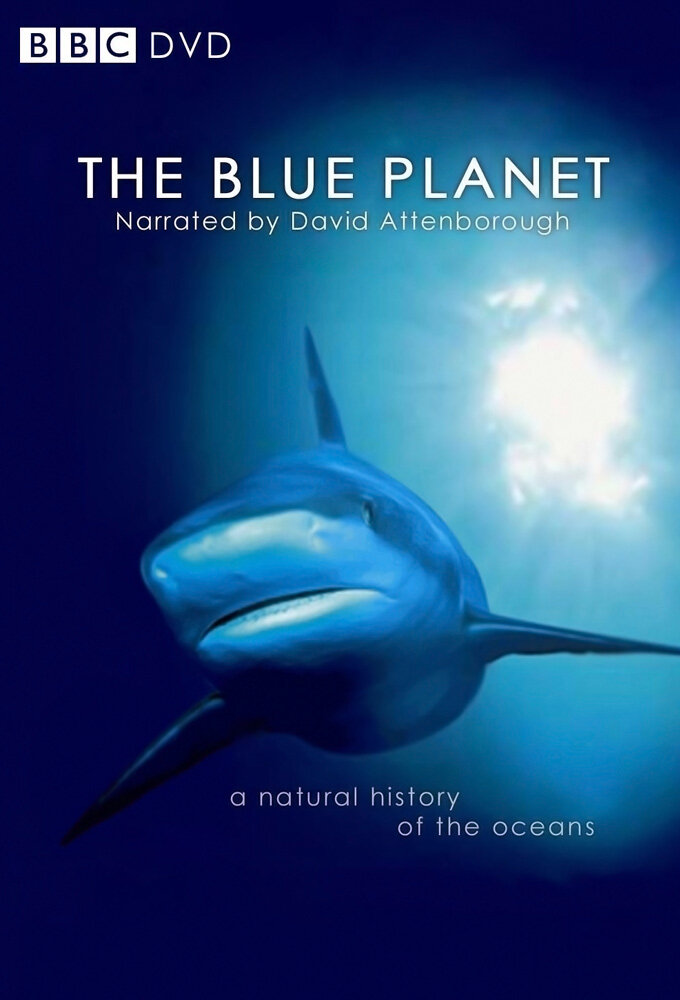
The Blue Planet2001
Both are about the technology that lets us see what was previously invisible, and both treat that privilege as sacred. The difference is register: Herzog questions, Attenborough marvels.
David Attenborough narrating footage of the ocean from new submersible perspectives. Ninety minutes of wonder at what exists beyond human sight. Shares The White Diamond's sense of privileged access to an unreachable world.
But Glossy BBC production. If you want Herzog's severity and ambiguity, you'll find this too reassuring and beautifully lit.
Stalker1979
Both films believe that the real subject is not the destination but the question of why humans pursue it. Both see obsession as a form of faith.
Andrei Tarkovsky's philosopher-science-fiction film about a guide leading two men into a forbidden zone to find a mysterious room. Obsessive, metaphysical, about the gap between desire and reality. Completely different era and style, same spiritual DNA.
But 160 minutes of slow tracking shots and philosophical monologue. You have to want to sit with ambiguity and uncertainty for three hours.

People
Cast
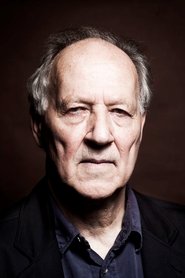 Werner HerzogNarrator (voice)
- Dieter PlageSelf (archive footage)
- Adrian de SchryverSelf (archive footage)
- Michael WilkSelf
- Anthony MelvilleSelf
- Jan-Peter MeewesSelf
- Jason GibsonSelf
Directing
- Werner HerzogDirector
Writing
- Annette ScheurichScreenplay
- Marion PöllmannScreenplay
- Rainer BergomazScreenplay
- Rudolph HerzogScreenplay
- Werner HerzogScreenplay
Production
- Annette ScheurichExecutive Producer
- Rudolph HerzogExecutive Producer
- Walter SaxerLine Producer
- Hennes GrossmanProduction Manager