
Film
Crime of Passion
A 1956 noir where ambition becomes poison. Barbara Stanwyck plays a newspaper woman who marries a detective, then methodically weaponizes her intelligence and beauty to vault him up the ranks—with catastrophic results. It's taut, morally unflinching, and deeply uncomfortable about desire, class, and what women will do when trapped.
If you liked this
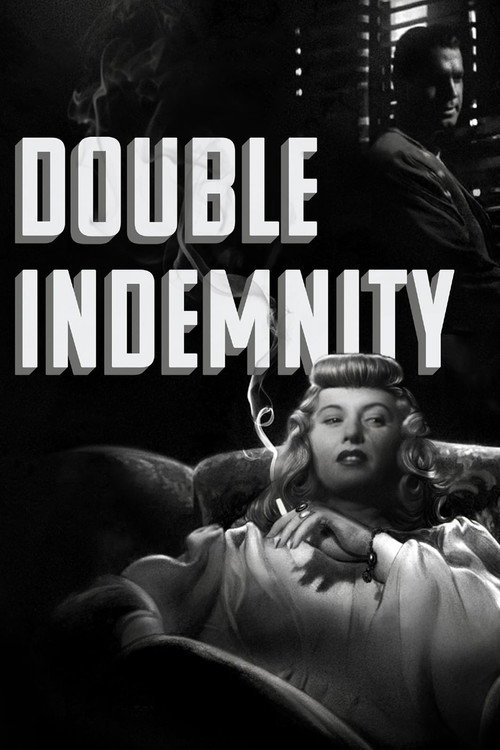
Double Indemnity1944
The template for all femme fatales and the film that proved Stanwyck could make you believe a woman would burn down the world for the wrong man. Essential.
But It moves at the pace of 1944, and some plot mechanics feel dated now, even if the moral architecture doesn't.
In a Lonely Place1950
Bogart as a volatile man destroyed by suspicion and his own nature; Ray as the woman trying to save him. A portrait of how love becomes complicity, shot through with genuine dread.
But The ending is bleak in a way that offers no comfort. Don't expect resolution, only reckoning.

The Killers1946
Burt Lancaster discovers the woman he loved set him up for slaughter. Told backwards, it's a masterclass in fatalism and the price of desire. Lean, mean, unforgettable.
But At 103 minutes it's slightly slack in places. The structure, while clever, can feel like you're watching the same ground twice.

Not sure tonight? Get a pick in a minute, starting from Crime of Passion
The wildcard
Something you would not have found on your own.
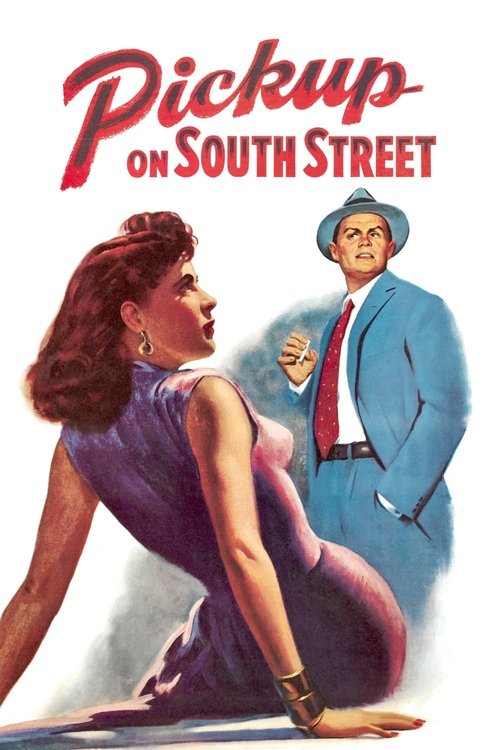
Pickup on South Street1953
Both explore how ambition corrodes ordinary people; both suggest the real crime is the system that promises mobility while ensuring destruction.
Fuller's film about a pickpocket caught up in Cold War espionage. Like Crime of Passion, it's about working-class people pulled upward by forces they can't control, but it's wild, visceral, and absolutely alive in a way that makes you realize noir could be loud.
But It's messier, more chaotic, less elegant. If you watch this expecting Stanwyck's surgical precision, you'll be disoriented.
More like this (8)
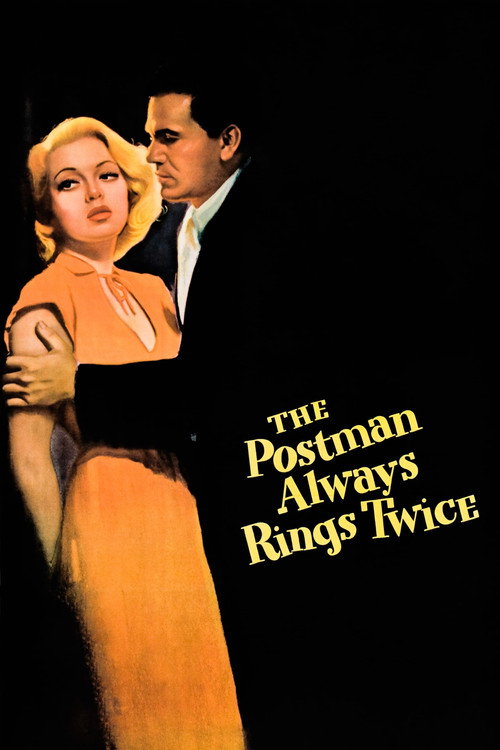
The Postman Always Rings Twice1946
Lana Turner and John Garfield conspire to murder her husband. Raw, sexual, and totally unafraid of its own perversity. Stanwyck's predecessor in the role of woman as architect of ruin.
But Some scenes feel restrained by Production Code caution, and you can sense what the censors cut out.
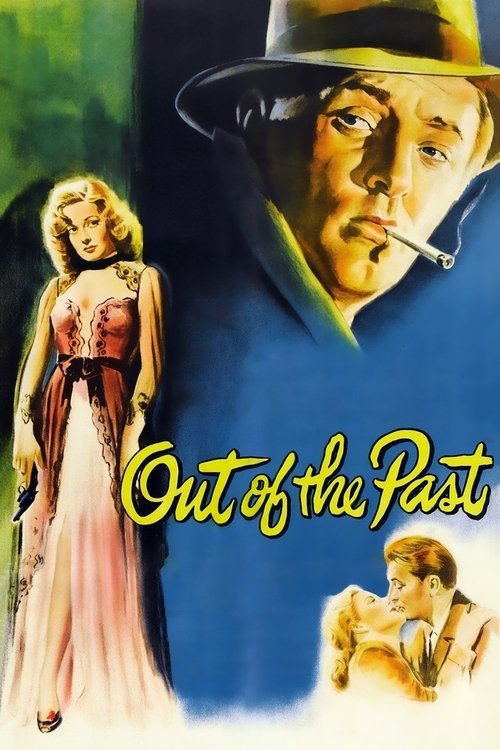
Out of the Past1947
Robert Mitchum can't escape the past because he doesn't want to. The mood is perfect—rain, shadows, women who lie beautifully. Defines the whole genre.
But It can feel overstuffed with plot. Sometimes the story gets in the way of the atmosphere.
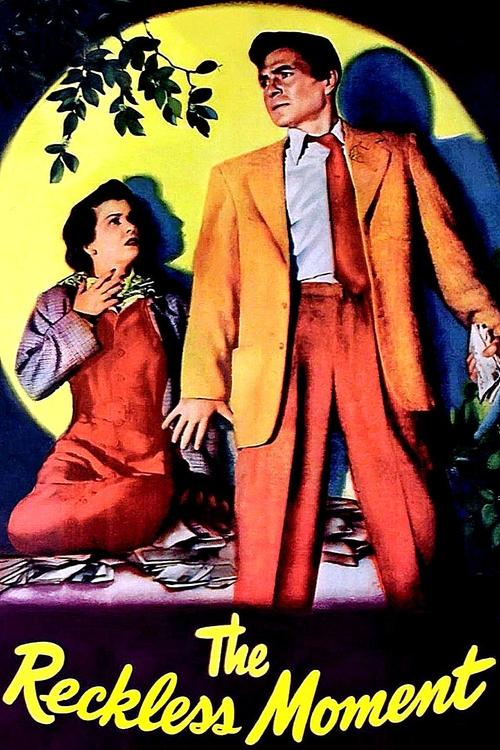
The Reckless Moment1949
James Mason and Joan Bennett in Ophüls' only American noir. About a woman protecting her daughter from scandal, drawn into something far darker. Exquisite and sad.
But The pacing is mannered, almost balletic. If you want propulsive, you won't get it.
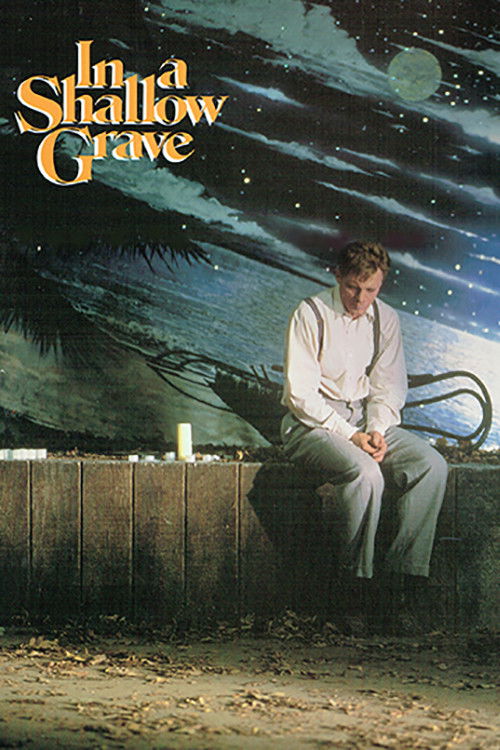
In a Shallow Grave1988
Warren Oates as a disfigured war veteran; Michael Caine as the drifter he hires. A strange, slow meditation on desire, damage, and the masks we wear. Genuinely odd.
But It's deliberately oblique and won't spell anything out. Some will find it insufferable rather than mysterious.
The Asphalt Jungle1950
Huston's heist film is really about the rot at the heart of masculine ambition. Every character wants something that destroys them. Originary and perfect.
But It's an ensemble, so the focus splinters. No single character holds your hand through.

The Killing1956
Kubrick's debut: a racetrack heist told in fractured time. The ambition and the precision mirror each other. You can see why it mattered.
But The fractured timeline, while clever, sometimes confuses rather than clarifies. Feels a touch glacial.

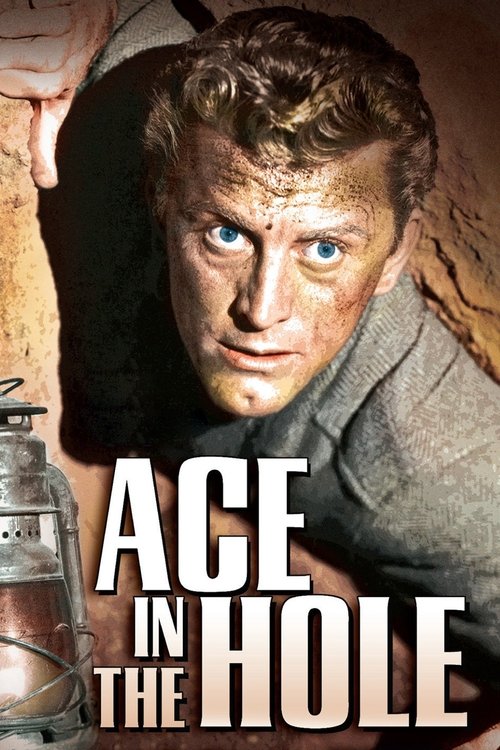
Ace in the Hole1951
Both are about intelligent people who know better, choosing corruption anyway. Both suggest that the real tragedy is that we see it coming.
Kirk Douglas as a reporter who sabotages a rescue to keep a story alive. Wilder's most bitter film, a true indictment of ambition and the machinery that feeds it. Vicious and brilliant.
But It's actively cynical about human nature. There's almost no one to like or root for. Can feel relentless.
Cléo from 5 to 71962
Both center on women's ambition and agency, but where Stanwyck's character chooses destruction, Varda's character simply exists in her own consciousness. A counterargument told in a different language.
Agnès Varda follows a woman through Paris for 90 minutes as she waits for test results. It's the opposite of Crime of Passion—unhurried, French, about female interiority rather than action—but it shares a fascination with how women navigate systems designed to confine them. Hypnotic.
But Nothing happens. If you need plot, you'll be frustrated. It's a mood and a texture, not a story.

People
Cast
 Barbara StanwyckKathy Ferguson
 Sterling HaydenLt. William Doyle
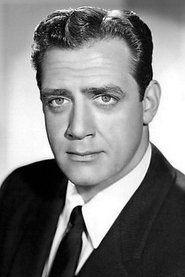 Raymond BurrInspector Tony Pope
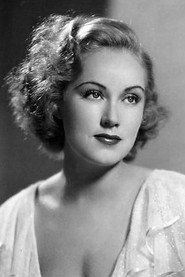 Fay WrayAlice Pope
 Virginia GreySara Alidas
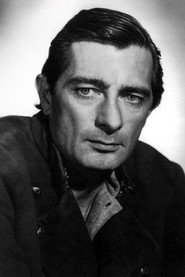 Royal DanoCapt. Charlie Alidas
 Robert GriffinPolice Sgt. James
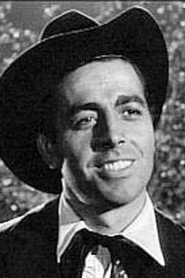 Dennis CrossPolice Sgt. Jules
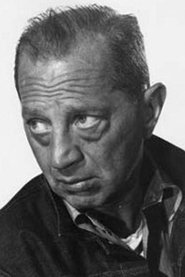 Jay AdlerMr. Nalence
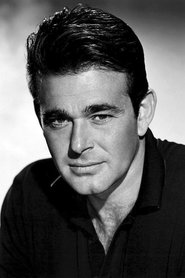 Stuart WhitmanLaboratory Technician
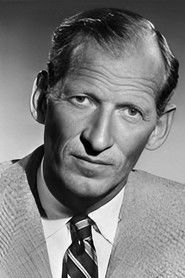 Malcolm AtterburyPolice Officer Spitz
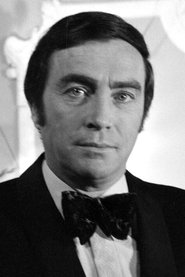 Robert QuarrySam, Reporter
Directing
- Jack R. BerneAssistant Director
- Gerd OswaldDirector
- Mary GibsoneScript Supervisor
Writing
- Jo EisingerScreenplay
- Jo EisingerStory
Production
- Robert GoldsteinExecutive Producer
- Herman CohenProducer
- Jack R. BerneProduction Manager